Many believe that invisible-in-canal aids can’t handle powerful hearing needs or are uncomfortable, but this isn’t true. Modern IIC devices sit deep in your ear with custom fittings, providing a discreet look without sacrificing sound quality or features like noise reduction and Bluetooth. Advances in technology now make them suitable for a wide range of hearing losses, even severe cases. To discover how these tiny marvels can meet your needs, there’s more to explore.

Get everyday helpers delivered free with Prime
- Fast, free delivery on millions of items
- Prime Video, Amazon Music and more included
- Member-only deals all year
Key Takeaways
- Modern IIC hearing aids are highly effective with advanced features like noise reduction and Bluetooth, despite their small size.
- They can accommodate severe hearing loss, challenging the myth that they are only suitable for mild to moderate impairment.
- Custom fitting ensures comfort and a natural feel, making IIC aids virtually unnoticeable during daily activities.
- Technological innovations have improved reliability and reduced user errors, enhancing overall user experience.
- The discreet design does not compromise sound quality, providing natural audio and high patient satisfaction.
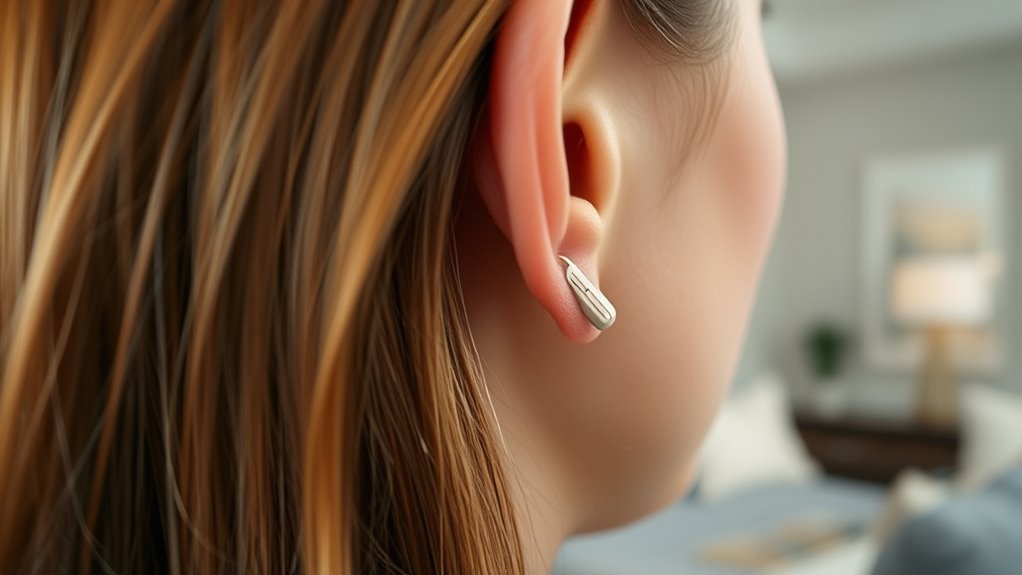
Have you ever wondered if hearing aids can be discreet yet effective? If so, you’re not alone. Many people assume that small, invisible devices might compromise on performance, but advancements in hearing aid technology have made it possible to enjoy both discretion and high functionality. Invisible-in-canal (IIC) aids are designed to sit deep inside your ear canal, making them virtually invisible to others. This design caters to your desire for a discreet solution while still delivering impressive sound quality. Today’s hearing aid technology ensures that these tiny devices can effectively process sounds, suppress background noise, and provide clear, natural audio. As a result, patient satisfaction tends to be high because you’re not sacrificing performance for appearance.
Invisible-in-canal hearing aids combine discreetness with advanced sound processing and high user satisfaction.
One common myth is that smaller hearing aids, like IIC models, lack power or advanced features. Reality is quite the opposite. Modern IIC aids are packed with sophisticated technology, including directional microphones, noise reduction algorithms, and connectivity options like Bluetooth. These features improve your ability to hear in various environments, from bustling cafes to quiet rooms. The compact size doesn’t hinder their capability; instead, it often enhances your confidence, knowing no one will notice you’re wearing them. This discreetness encourages more consistent use, which is vital for effective hearing management and, ultimately, higher patient satisfaction.
Another misconception is that invisible-in-canal aids are uncomfortable or difficult to manage. In truth, these devices are custom-made to fit your ear canal precisely, providing a comfortable, snug fit that feels natural. Because they sit deep inside your ear, they avoid common issues like feedback or whistling, which can plague larger devices. Additionally, advancements in hearing aid technology have made maintenance simpler, with some models offering rechargeable batteries or easy-to-clean components. When properly fitted and adjusted by your audiologist, these aids become almost unnoticeable, allowing you to focus on your everyday activities without distraction or discomfort. Furthermore, the rise of small mistakes, big impact awareness in the industry encourages ongoing improvements to reduce user errors and improve device reliability.
Overall, many believe that invisible-in-canal aids are only suitable for mild to moderate hearing loss. While they excel in those ranges, recent innovations mean that even severe hearing loss can be effectively managed with appropriately programmed IIC devices. This broadens the appeal for many users seeking a discreet solution. Overall, the myths surrounding IIC aids are gradually being dispelled by the realities of advanced hearing aid technology. You can enjoy a device that seamlessly blends into your life, providing both invisibility and high-quality hearing, leading to greater satisfaction and improved communication in your daily experiences.
As an affiliate, we earn on qualifying purchases.
Frequently Asked Questions
How Long Does It Take to Get Used to Invisible-In-Canal Aids?
You might wonder how long it takes to adapt to invisible-in-canal aids. Usually, the adaptation period varies, but most users start feeling comfortable within a few days to a couple of weeks. During this time, your user comfort will improve as your brain adjusts to the hearing system. Be patient and consistent with your use, and you’ll likely find the aids become more natural and less noticeable over time.
Are Invisible-In-Canal Aids Suitable for Severe Hearing Loss?
When it comes to severe hearing loss, invisible-in-canal aids might not be your best bet, as they’re typically designed for mild to moderate cases. While they score high on cosmetic appeal, they can present maintenance challenges and may not provide enough amplification for severe loss. It’s a case of trying to fit a square peg in a round hole—you’ll need a more powerful device to meet your needs effectively.
Can These Aids Be Repaired if Damaged?
If your invisible-in-canal aids get damaged, you can usually get aids repair through your hearing care professional. They can assess the damage and determine if repair is possible or if a replacement is needed. Keep in mind, damage repair might be quicker and more cost-effective than buying new aids. Regular maintenance and prompt attention to issues can help prevent the need for extensive aids repair down the line.
What Is the Lifespan of Invisible-In-Canal Hearing Aids?
Wondering about the lifespan of your invisible-in-canal aids? Typically, they last about 3 to 7 years, depending on daily use and diligent maintenance. Battery life varies, often lasting 5 to 10 days, so regular replacements are needed. Proper cleaning and routine check-ups help prolong their performance and prevent damage. Keep up with maintenance requirements, and you’ll enjoy clear, consistent hearing for years to come.
Do Invisible-In-Canal Aids Interfere With Phone or Device Use?
You might wonder if invisible-in-canal aids interfere with your phone or device use. Luckily, many models feature wireless connectivity, allowing seamless pairing with your smartphone or other devices. This means you can enjoy clear calls and streaming without hassle. Also, consider battery durability; high-quality aids are designed to last throughout the day, ensuring you stay connected without frequent recharging. These features make invisible-in-canal aids convenient and user-friendly.
Conclusion
You might think invisible-in-canal aids are only a luxury, but they truly make a difference. Imagine Sarah, who struggled with her bulky hearing aids and felt self-conscious in meetings. Switching to invisible-in-canal aids, she gained confidence and clarity without sacrificing comfort. Don’t let myths hold you back—these discreet devices can improve your quality of life just like they did for Sarah. Embrace the technology and hear the world around you more naturally.
Halloween Picks
halloween
As an affiliate, we earn on qualifying purchases.