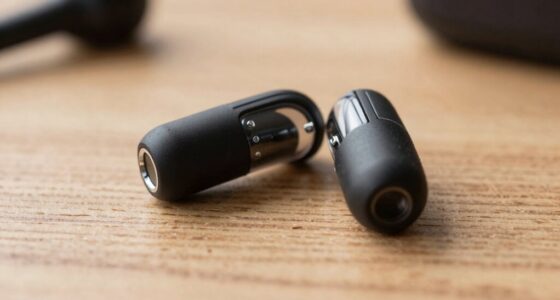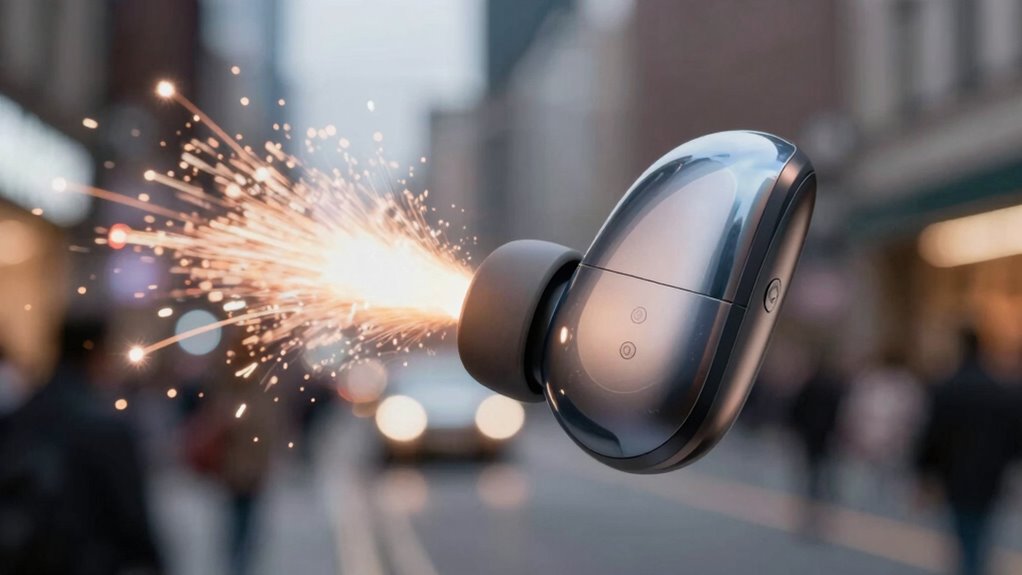

Your hearing device detects sudden loud sounds like sirens or crashes and automatically reduces their volume to protect your ears. It uses noise suppression technology to dampen abrupt noises, preventing discomfort and damage. The device also adapts in real time, adjusting to your environment without you needing to do anything. With firmware updates and customizable settings, it stays effective over time. Keep exploring to discover how these features work together to keep you safe and comfortable.

Get everyday helpers delivered free with Prime
- Fast, free delivery on millions of items
- Prime Video, Amazon Music and more included
- Member-only deals all year
Key Takeaways
- Hearing devices use noise suppression technology to automatically detect and reduce abrupt loud sounds.
- They adapt in real-time to sudden noises, adjusting settings instantly for user comfort and protection.
- Firmware updates improve the device’s ability to handle unpredictable loud sounds effectively.
- Users can customize noise suppression levels via apps for different environments.
- The devices’ protective features prevent potential ear damage from unexpected loud noises.
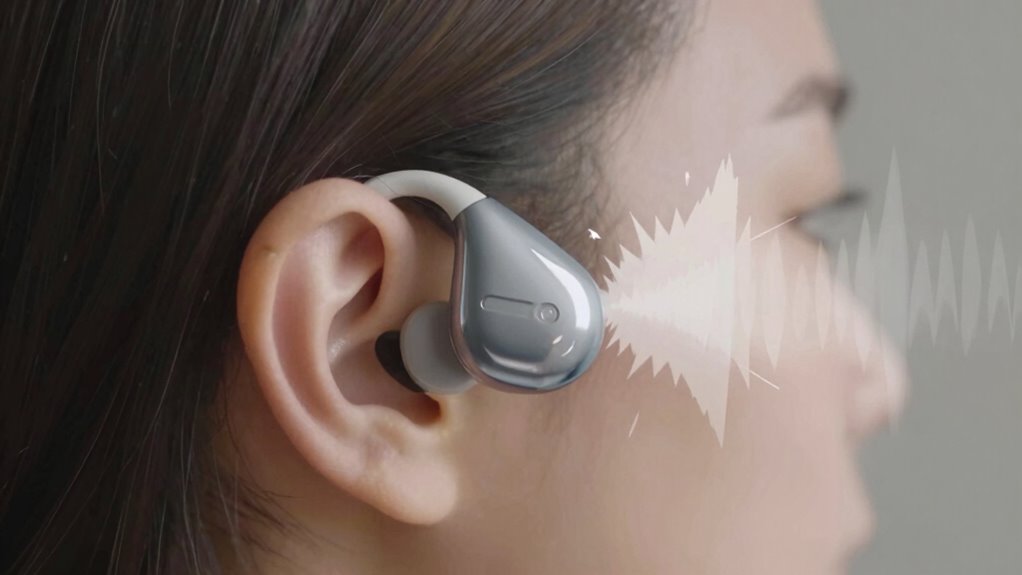
Sudden loud sounds can be startling and uncomfortable when you’re wearing hearing devices, but understanding how to manage them can make a big difference. Modern hearing devices are equipped with advanced noise suppression technology designed to automatically detect and reduce sudden loud noises. This feature helps protect your ears from potential damage and minimizes discomfort by dampening abrupt sounds like sirens, door slams, or loud crashes. Instead of being overwhelmed, you can focus more on the conversation or environment around you.
Modern hearing devices automatically reduce sudden loud sounds, protecting your ears and enhancing comfort in noisy environments.
The key to making these adjustments work for you lies in user customization. Many hearing devices allow you to personalize settings according to your preferences and specific environments. For example, you might adjust the noise suppression level so that it’s more sensitive in noisy places or less aggressive when you’re in quieter settings. This customization guarantees that sudden loud sounds are managed effectively without sacrificing the overall sound quality or your awareness of important environmental cues. When you have control over these settings, you can tailor your device’s response to sudden noises, reducing the likelihood of startling or discomfort.
Furthermore, some hearing devices offer real-time adaptive features that automatically respond to unexpected loud sounds. These systems analyze the acoustic environment continuously and adjust the device’s gain or noise suppression algorithms on the fly. This means that when a sudden loud sound occurs, your device can instantly kick in its protective measures, lowering the volume of that noise without requiring manual intervention. Such automatic responses help you stay comfortable and focused, even in unpredictable situations. Regularly updating your device’s firmware can also enhance these adaptive features, ensuring they operate at peak efficiency.
It’s also important to regularly review and update your device’s settings with your audiologist. As your environment or hearing needs change, so should your device’s noise suppression and user customization options. This ongoing adjustment guarantees top performance and protection against sudden loud sounds. Additionally, many hearing devices come with user-friendly apps that allow you to fine-tune settings conveniently from your phone, giving you more control and flexibility. Proper maintenance and updates also ensure that your device’s noise suppression technology remains effective over time.
hearing aids with noise suppression
As an affiliate, we earn on qualifying purchases.
As an affiliate, we earn on qualifying purchases.
Frequently Asked Questions
Can Hearing Devices Distinguish Between Loud Sounds and Speech?
Yes, your hearing device can distinguish between loud sounds and speech. It uses advanced noise filtering to minimize unwanted loud noises, preventing discomfort and sound sensitivity issues. The device’s smart technology analyzes sound patterns, allowing it to focus on speech while reducing background noise. This way, you enjoy clearer conversations without being overwhelmed by sudden loud sounds, ensuring a more comfortable and natural listening experience.
How Do Hearing Aids Adapt to Different Loud Environments Automatically?
Your hearing aids automatically adapt to different loud environments by analyzing sound frequency and intensity in real-time. They detect changes in volume and filter out background noise, ensuring you stay comfortable. Advanced features adjust amplification to match the environment, reducing loud, sudden sounds and enhancing speech clarity. This dynamic process helps maintain user comfort, so you can focus on conversations without distraction or discomfort, no matter where you are.
Are There Settings to Customize Loud Sound Responses?
Yes, you can customize loud sound responses with specific settings. You control the volume, adjust the sensitivity, and set limits for loud noises through user adjustments. These options let you tailor your hearing device’s response, making it more comfortable and effective. By fine-tuning volume control, resetting sensitivity, and setting volume limits, you guarantee your hearing aid adapts precisely to your environment and personal preferences.
Do Hearing Devices Ever Malfunction During Sudden Loud Noises?
Hearing devices are designed with durability and advanced sound processing to handle sudden loud noises, but malfunctions can happen. You might experience temporary issues if the device’s circuitry is overwhelmed or if debris interferes with the components. Regular maintenance and choosing a high-quality device help guarantee reliability. If problems occur, consult your audiologist, as they can troubleshoot or adjust settings to prevent future malfunctions during unexpected loud sounds.
How Long Does It Take for Hearing Aids to Recover After Loud Sounds?
Your hearing aids typically recover quickly after loud sounds, often within seconds to a minute, thanks to their sound sensitivity settings. Modern hearing aid durability guarantees they withstand sudden loud noises without damage, and their adaptive features help prevent discomfort. If you notice prolonged recovery times or issues, consult your audiologist to adjust the sound sensitivity settings, ensuring your devices work seamlessly and comfortably in various environments.
Conclusion
In the end, hearing devices are designed to adapt and protect you from unexpected loud noises. They use smart technology to quickly adjust volume and filter out harsh sounds, helping you stay comfortable and safe. Remember, it’s better to be safe than sorry—your devices work behind the scenes to keep your hearing experience smooth. Trust in their ability to handle surprises, so you can enjoy life’s moments without a hitch.
Fall Picks
fall essentials
As an affiliate, we earn on qualifying purchases.