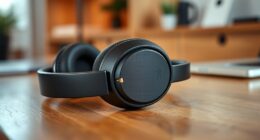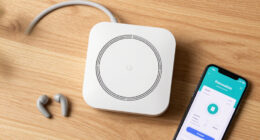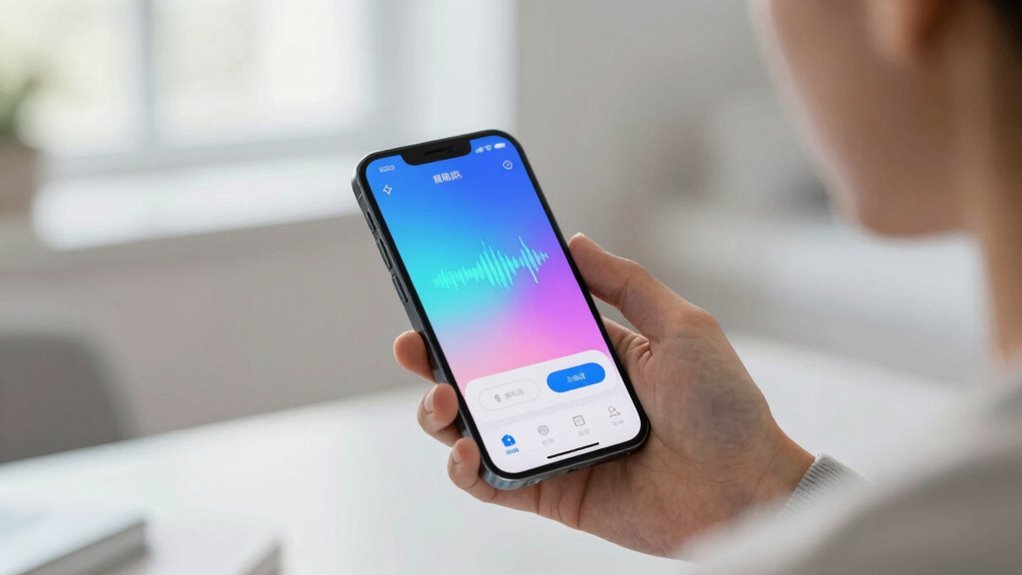

Hearing device apps can improve sound clarity and let you personalize your listening experience with adjustable settings and Bluetooth streaming. They’re convenient for controlling audio directly from your device and are compatible with smart devices. However, their effectiveness depends heavily on your phone’s hardware and may be limited in noisy environments. While they won’t fully replace professional hearing aids for severe loss, ongoing improvements aim to make them more powerful. Keep exploring to discover more about their features and limitations.

Get everyday helpers delivered free with Prime
- Fast, free delivery on millions of items
- Prime Video, Amazon Music and more included
- Member-only deals all year
Key Takeaways
- Hearing device apps enhance sound clarity, customization, and connectivity but may lack the advanced filtering and processing of professional hearing aids.
- They offer convenient remote control and streaming features via Bluetooth, integrating seamlessly with smart devices.
- Effectiveness depends on hardware quality and environment; they are less effective in noisy settings and for severe hearing loss.
- Limitations include higher battery consumption, potential security concerns, and reduced performance compared to specialized devices.
- Future improvements aim to enhance sound processing, adaptability, and reduce electronic waste through upgradable solutions.
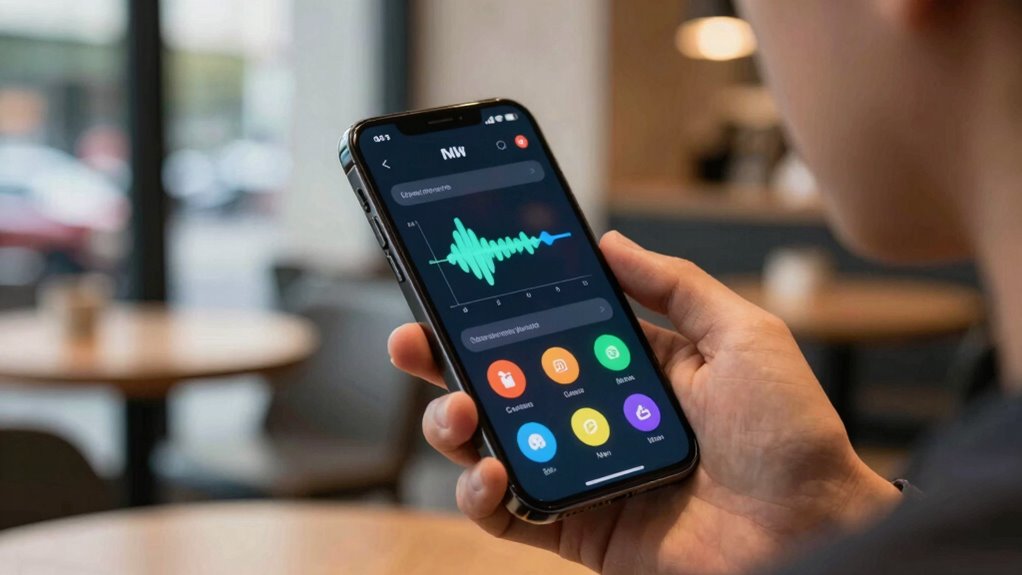
Hearing device apps have become an increasingly popular solution for improving sound clarity and accessibility, especially as smartphones and other digital tools become more advanced. These apps are designed to enhance your listening experience by offering features like personalized sound settings, which allow you to tailor audio output to your specific hearing needs. Instead of relying solely on traditional hearing aids, you can adjust frequencies, volume levels, and sound profiles directly from your device, giving you more control over how you perceive sounds in various environments. This customization makes it easier to focus on conversations in noisy settings or enjoy media with clearer audio.
One of the key advantages of hearing device apps is their connectivity with smart devices. With Bluetooth technology, you can seamlessly pair your smartphone or tablet with compatible hearing apps, enabling you to stream audio directly to your device. This means you can listen to music, podcasts, or phone calls with enhanced clarity, often without needing additional accessories. The convenience of controlling your hearing settings remotely through your device also simplifies adjustments, allowing you to switch between different sound modes or fine-tune volume levels quickly. This connectivity makes these apps a versatile addition to your digital ecosystem, integrating seamlessly with your daily routine.
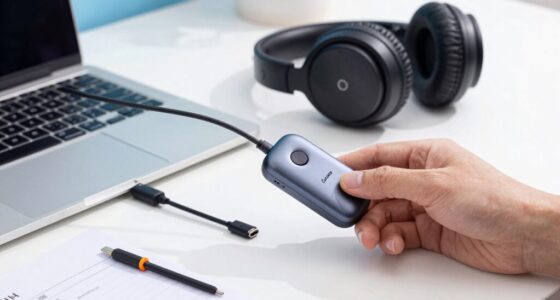
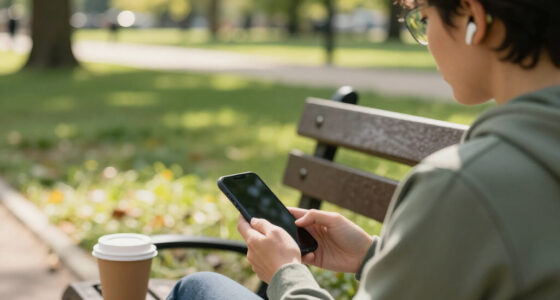
Seamlessly connect your device via Bluetooth to stream audio and control settings for a personalized listening experience.
However, while hearing device apps offer notable benefits, they also come with limitations. The effectiveness of these apps largely depends on the quality of your smartphone’s microphone and speakers, which can vary widely. In noisy environments, their ability to filter out background noise might not match that of specialized hearing aids. Additionally, some users may find that the customization options are limited compared to dedicated hearing devices, especially if they have complex hearing loss profiles. Battery life can also be a concern; extensive use of streaming or adjusting settings frequently drains your phone’s battery faster, which might be inconvenient during long outings or travel. Moreover, the sound processing capabilities of these apps are often less advanced than those in professional-grade hearing aids, which can impact their effectiveness for certain users. As technology continues to evolve, improvements in audio enhancement features are anticipated, making these apps more capable over time. It is important for users to consider the quality of hardware involved, as it can significantly influence overall performance. Additionally, ongoing advancements in digital signal processing are expected to help bridge some of these gaps in future updates.
Furthermore, these apps may not completely replace traditional hearing aids for individuals with severe hearing loss. While they can serve as useful supplementary tools, they often lack the advanced sound processing capabilities found in medical-grade devices. Privacy and security are other considerations, as connecting your device to apps involves sharing personal audio data, which could be vulnerable if not properly protected. It is also important to stay informed about biodiversity and conservation efforts, as evolving technology can help reduce electronic waste by offering more adaptable and upgradable hearing solutions.
As an affiliate, we earn on qualifying purchases.
Frequently Asked Questions
Are Hearing Device Apps Suitable for All Types of Hearing Loss?
Hearing device apps aren’t suitable for all types of hearing loss. They can help overcome accessibility barriers for mild to moderate loss, but may fall short for severe or complex cases. You’ll need to explore user customization options to optimize performance, but some users might still find these apps limited compared to traditional devices. For thorough hearing issues, consulting an audiologist guarantees you get tailored solutions that apps alone might not provide.
How Do Hearing Device Apps Compare to Traditional Hearing Aids?
Hearing device apps often offer basic amplification and are convenient, but they usually lack the customization options and advanced features of traditional hearing aids. Battery life is typically shorter, requiring more frequent charging or replacements. While apps are great for temporary or mild hearing issues, if you need precise tuning or deal with severe hearing loss, traditional hearing aids provide better sound quality, durability, and personalized adjustments to suit your needs.
Can Hearing Device Apps Replace Professional Audiologist Consultations?
You can’t fully replace professional audiologist consultations with hearing device apps, even with remote diagnostics and user customization. Imagine fine-tuning your hearing like adjusting a delicate instrument—an expert ensures accuracy that apps can’t match. While apps help with basic adjustments and convenience, they lack the nuanced understanding a professional provides for complex issues. For maximum hearing health, combine app use with regular professional check-ins.
What Are the Privacy Concerns Related to Hearing Device Apps?
You should be aware that hearing device apps raise privacy concerns related to data security and unauthorized access. When you use these apps, your personal hearing data might be stored or transmitted, potentially exposing it to hackers or third parties if security measures aren’t robust. Always choose apps with strong encryption and privacy policies, and regularly update them to protect your sensitive information from unauthorized access.
How Effective Are Hearing Device Apps in Noisy Environments?
Ever thought hearing in chaos was a breeze? Think again. Hearing device apps struggle with noisy backgrounds, often drowning in chaos rather than cutting through it. While some offer background noise reduction and app customization, their effectiveness varies wildly. You might get marginal improvement, but don’t expect them to outperform dedicated devices in screaming crowds. They’re handy for mild noise, but in real noisy environments, you’ll wish for a miracle—or a real hearing aid.
Conclusion
Hearing device apps are like keys to a door you can open anytime, offering independence and clarity. But remember, they’re just keys—not the entire door. While they release new worlds of sound, they can’t replace the sturdy lock of professional care. Use them wisely, knowing they’re a symbol of connection—bridging you to others, yet still requiring careful handling. Embrace their potential, but stay aware of their limits, so your journey remains truly clear and safe.
Halloween Picks
halloween
As an affiliate, we earn on qualifying purchases.