If you have mild to moderate hearing loss and prefer clearer sound, an amplified phone might suit you best as it boosts volume and tone. If understanding speech is difficult even with amplification, or you often find yourself in noisy environments, a caption phone providing real-time text can be more helpful. Your choice depends on your hearing level, lifestyle, and whether you prefer hearing aid compatibility or visual cues—continue exploring to find the best fit for your needs.
Key Takeaways
- Choose amplified phones if you primarily need louder sound and tone adjustments for mild to moderate hearing loss.
- Opt for caption phones if understanding speech in noisy environments or severe hearing loss requires visual text support.
- Consider your lifestyle and environment—amplified phones work well indoors; caption phones excel in noisy or dynamic settings.
- If you prefer simple operation and hearing aid compatibility, amplified phones may be more suitable; for detailed comprehension, caption phones are better.
- Assess your hearing level and communication needs to select a device that offers the most effective and comfortable solution.
What Are Amplified Phones and How Do They Help Hearing Impairments?
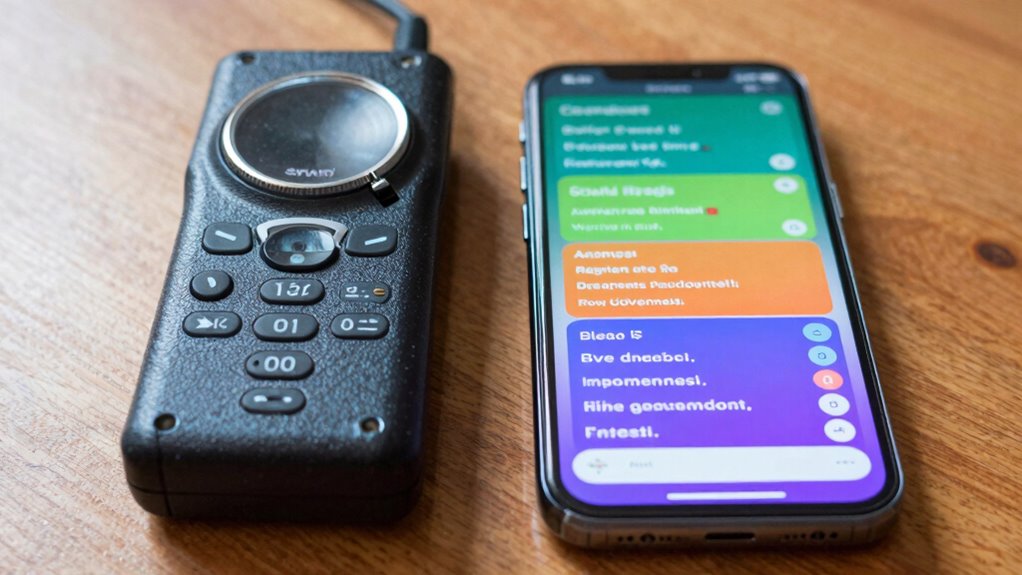
If you have trouble hearing, amplified phones can make a significant difference. These phones are designed to boost sound volume, making conversations clearer and easier to understand. Many amplified phones offer hearing aid compatibility, allowing you to connect your hearing aids directly to the device. This feature reduces background noise and enhances sound quality. Additionally, telecoil integration allows you to switch to a telecoil setting, which uses magnetic fields to pick up sound directly from the phone, bypassing background noise. This technology is especially helpful if you use a hearing aid with a telecoil. Amplified phones are an excellent choice for those with moderate to severe hearing loss, providing a customized listening experience and improving overall communication. Proper piercing care and hygiene is essential to prevent infections that can further impair hearing or cause discomfort, especially for those with existing hearing issues. Ensuring good ear health practices, such as regular cleaning and avoiding ear trauma, can also contribute to maintaining optimal hearing function. Being aware of hearing aid maintenance routines can further support your hearing health and device performance. Additionally, understanding the impact of background noise on hearing clarity can help you choose the right device settings for different environments. Developing awareness of environmental acoustics can also help you optimize your listening experience in various settings.
What Are Caption Phones and How Do They Improve Communication?
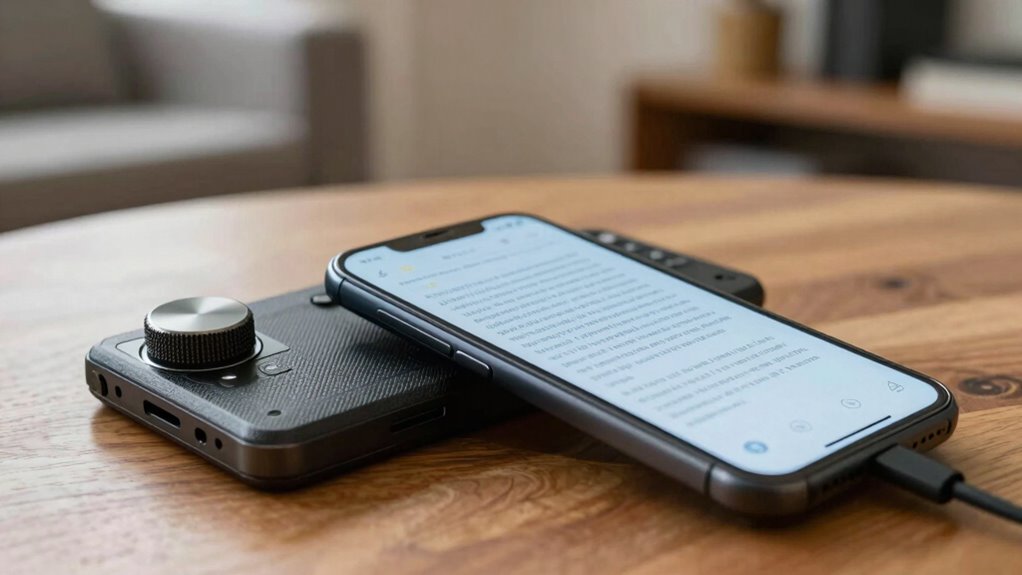
Caption phones are specially designed devices that display real-time text of what the other person is saying during a call. They use advanced speech recognition technology to convert spoken words into text instantly, enhancing visual communication. This feature helps you follow conversations more easily, especially in noisy environments or if you have hearing difficulties. With caption phones, you can read what’s being said rather than relying solely on sound, making communication clearer. Wave and wind considerations can also influence the choice of communication devices, especially in outdoor or marine environments. Additionally, understanding ear wax odor and other sensory cues can sometimes help in assessing health or environmental conditions that might affect communication needs. Recognizing the importance of media literacy can further empower users to interpret information accurately and make informed decisions about the technology they use. Moreover, the effectiveness of caption phones can be enhanced by ensuring proper filtration and pump protection, which maintains device reliability and performance over time. Being aware of technology compatibility is also crucial when selecting devices to ensure seamless integration with other communication tools.
How Do Amplified Phones and Caption Phones Differ in Key Features?
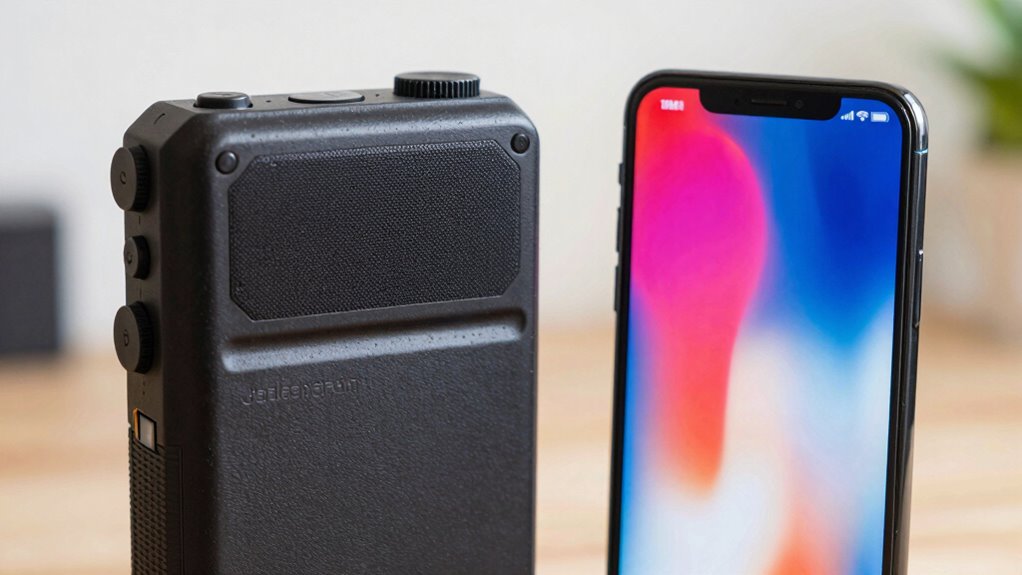
While both amplified phones and caption phones are designed to improve communication for people with hearing difficulties, they serve different purposes and feature distinct capabilities. Amplified phones mainly increase volume and tone control, making sounds clearer for those with hearing loss. They often boast hearing aid compatibility, allowing you to connect your hearing aids directly or use T-coil systems for better sound quality. Caption phones, on the other hand, display real-time captions of what’s being said, providing visual support. Many caption phones also offer wireless connectivity, enabling you to sync with smartphones or other devices for added convenience. While amplified phones enhance sound, caption phones focus on visual clarity, catering to different preferences and needs.
Which Hearing Loss Levels Are Best Suited for Amplified Phones?
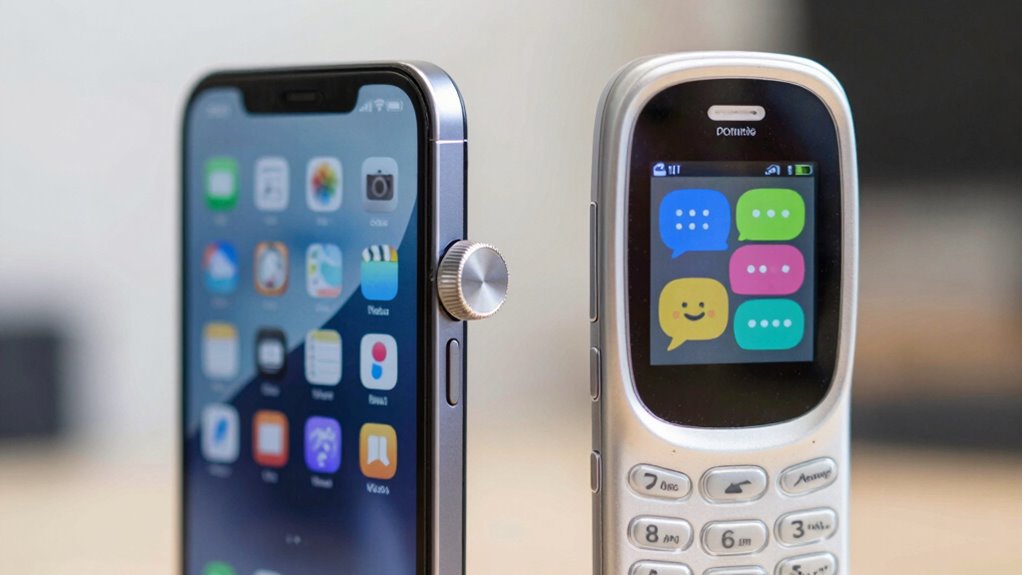
If you have mild to moderate hearing loss, amplified phones can considerably improve your ability to hear conversations. For severe to profound loss, these phones may still help, but you might need additional assistive devices. Understanding your specific hearing level is key to choosing the right solution.
Mild to Moderate Loss
People with mild to moderate hearing loss often find amplified phones to be highly effective because these devices can considerably boost sound clarity and volume. They work well if you want clearer conversations without needing complex technology. Many models now offer wireless compatibility, allowing you to connect wirelessly to other devices. Hearing aid integration is also common, ensuring seamless use with your existing hearing aids. This makes it easier to switch between devices without losing sound quality. Amplified phones are ideal if you prefer simple, straightforward solutions that enhance your hearing experience. They’re especially useful when you want to reduce background noise and focus on conversations. Additionally, the increasing adoption of AI-driven platforms is helping manufacturers develop smarter, more adaptive hearing devices that can adjust to different environments in real-time. Incorporating user-centric design features can further improve ease of use and comfort. Overall, if your hearing loss is in this range, amplified phones can considerably improve your daily communication. Understanding cookie categories can help you manage your privacy preferences while using these devices. Additionally, choosing a device with reliable customer support can ensure ongoing assistance if issues arise. Recognizing the importance of user-friendly design can also make a significant difference in ease of use and satisfaction.
Severe to Profound Loss
For those with severe to profound hearing loss, amplified phones can make a significant difference in daily communication. These phones often feature high decibel amplification and advanced sound clarity, helping you hear conversations more clearly. Many models offer hearing aid compatibility, allowing your hearing aids to connect directly to the phone via wireless connectivity, reducing background noise and enhancing sound quality. If you rely heavily on hearing aids, look for phones designed for seamless integration. Wireless connectivity options, like Bluetooth, enable you to pair your devices effortlessly, ensuring you don’t miss important calls. Amplified phones tailored for severe to profound loss provide the power and compatibility needed to stay connected comfortably and confidently. Understanding sound amplification technology can help you choose the best device for your needs. Additionally, selecting a device with user-friendly controls can make everyday use even easier, especially for those with limited dexterity or vision challenges.
When Should You Consider Using a Caption Phone?

If your hearing loss makes it hard to understand speech even with amplification, a caption phone might be be the right choice. Consider it when you need clearer communication in busy or noisy situations, or if you prefer visual cues to follow conversations. Knowing your specific needs will help you decide when a caption phone can improve your phone experience. Additionally, understanding how attention to detail influences design can help you select a device that best fits your aesthetic and functional preferences. For example, encryption features in some caption phones can enhance your privacy during conversations, especially when discussing sensitive information. Recognizing the community aspect of caption phones can also be beneficial, as many models are designed with user feedback to improve usability and accessibility. Moreover, choosing a device with color options may help those with visual impairments customize their experience for better visibility. Considering cognitive benefits related to clear visual cues can further inform your decision.
Hearing Loss Severity
When your hearing loss becomes moderate to severe, understanding spoken conversations can become increasingly challenging. At this stage, relying solely on traditional phones may not suffice. A caption phone can enhance your communication by providing real-time text of what’s being said, making conversations clearer. Consider a caption phone if you experience:
- Frequent misunderstandings during calls
- Difficulty hearing speech over background noise
- The need for assistive listening or communication technology
This device is especially helpful when you want to stay connected without straining to hear. It complements other assistive listening devices and ensures you don’t miss important details. Recognizing the severity of your hearing loss helps you choose the right technology for better, more confident communication. Understanding your hearing needs can guide you in selecting the most effective solution. Additionally, hearing loss severity can influence the type of device that will work best for your lifestyle and communication preferences. Considering assistive technology options can further improve your overall communication experience, especially when tailored to your specific hearing challenges.
Situations Requiring Clarity
Situations that demand clear communication are prime times to contemplate using a caption phone. When you’re in noisy environments like busy restaurants or crowded events, automatic tuning helps the phone adjust to background sounds, guaranteeing you catch every word. Sound amplification further enhances speech clarity, making spoken words more audible without straining. If you often find yourself asking others to repeat themselves or missing important details, a caption phone can provide real-time text captions that eliminate guesswork. These devices are ideal for conversations where clarity is essential, such as emergencies or detailed discussions. By combining automatic tuning and sound amplification, caption phones guarantee you stay connected and understand every message, even in challenging listening situations.
Preference for Visual Cues
You should consider using a caption phone whenever you rely heavily on visual cues to understand conversations. Visual communication is essential in situations where hearing alone isn’t enough. Modern technological advancements have made caption phones highly effective in providing real-time text of spoken words, enhancing comprehension. Use a caption phone if you:
- Prefer reading along with spoken dialogue for better understanding
- Find it difficult to catch every word during fast or noisy conversations
- Want to supplement hearing with visual cues for clearer communication
These features cater to your need for visual communication, making conversations more accessible. Caption phones leverage recent technological advancements to deliver instant, accurate captions, ensuring you stay connected and informed without missing important details.
How Much Do These Phones Cost and What’s Involved in Setting Them Up?
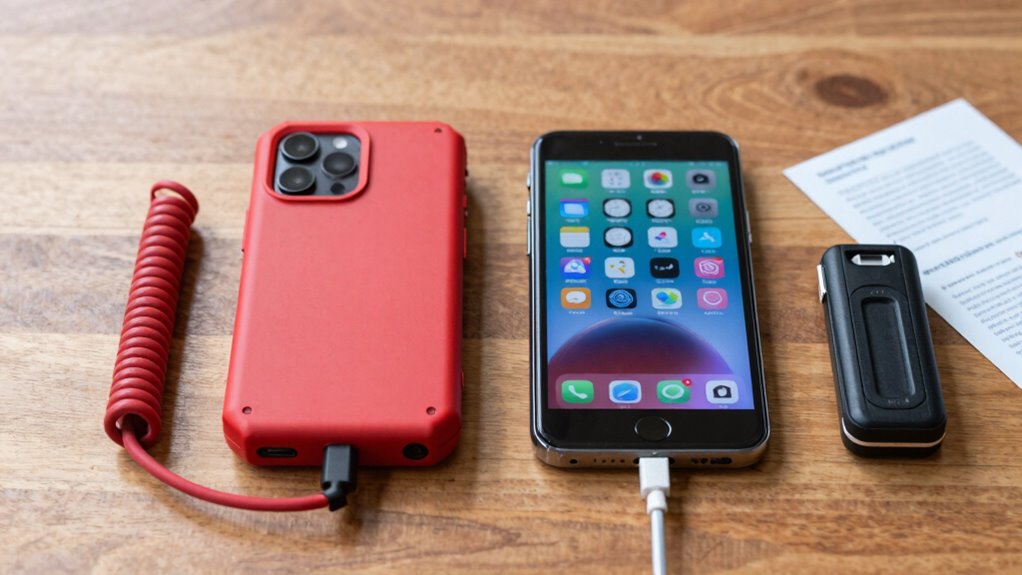
The cost of amplified and caption phones varies depending on the features and brand you choose. Generally, amplified phones range from around $50 to $200, while caption phones can cost between $150 and $500 or more, reflecting additional technology. When considering a cost comparison, keep in mind that more advanced models with extra features will be pricier. The setup process for both types of phones is usually straightforward but can vary. Amplified phones often require simple volume adjustments, while caption phones might need initial programming or connection to Wi-Fi. Some models come with user manuals or online guides to assist you. If you’re tech-savvy, setup is quick; if not, professional installation or customer support can help streamline the process.
Which Phone Is Right for Your Lifestyle and Hearing Needs?
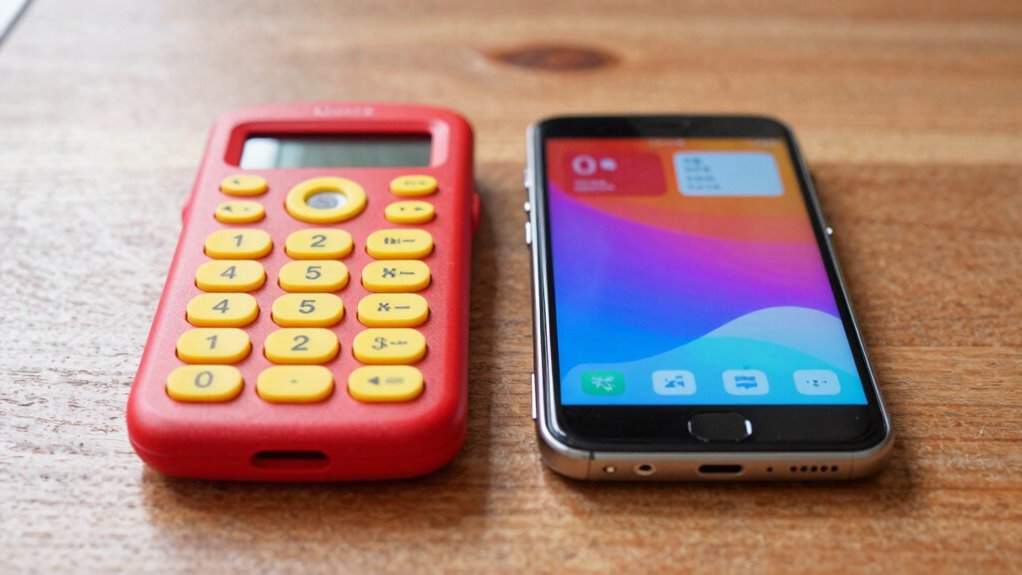
Choosing the right phone depends on your daily routines, hearing needs, and personal preferences. If you value seamless integration, look for models with hearing aid compatibility and wireless connectivity. These features guarantee clear sound and easy pairing with your hearing aids or accessories. Consider whether you prefer a device with:
- Built-in captioning or visual alerts
- High-volume amplification for louder calls
- Wireless options like Bluetooth for hands-free calls
If your hearing needs are significant, caption phones might be better, especially with features like real-time text captions. For those who want simplicity and compatibility with hearing aids, amplified phones could be the best fit. Matching your lifestyle with the right features makes communication easier and more comfortable daily.
Tips and Technologies to Enhance Your Hearing Support

To get the most out of your hearing support devices, leveraging the latest tips and technologies can make a notable difference. Assistive listening devices, like amplified phones and caption phones, can be enhanced through smart technology integration. For example, pairing your device with a Bluetooth connection allows seamless streaming from your phone or TV, improving clarity. Using noise reduction features and directional microphones helps focus on speech in noisy environments. Regularly updating your device’s firmware ensures you access the newest features. Additionally, consider apps that customize sound settings to your environment. By embracing these tips and integrating modern technologies, you can greatly improve your hearing support experience, making communication clearer and more comfortable in daily life.
Frequently Asked Questions
Are Amplified and Caption Phones Compatible With All Hearing Aids?
Amplified and caption phones aren’t compatible with all hearing aids, but many are designed for hearing aid compatibility and easy device integration. Check the specific model’s specifications to confirm it works well with your hearing aids. Some phones have T-coil compatibility or Bluetooth features, making them easier to connect. Always verify the device’s compatibility and consult with an audiologist to find the best option for your hearing needs.
Can These Phones Be Used for Video Calls or Only Voice?
You can definitely dial into dynamic digital dialogues with these phones, as many amplified and caption models now support video call compatibility. While some devices focus solely on voice-only limitations, newer options often integrate visual captions or video features. This means you’re not limited to just voice; you can connect, communicate, and clarify through visual cues during video calls. So, choose a device that suits both your voice needs and video preferences for versatile communication.
Do Caption Phones Require an Internet Connection?
Caption phones do necessitate an internet connection to function properly because they rely on online services to generate real-time captions. Without internet, the captioning features won’t work, so you need a compatible device with a stable connection. Make sure your device is compatible with the captioning system, often through Wi-Fi or mobile data, to ensure smooth, accurate captioning during calls.
Are There Mobile Options for Amplified or Caption Phone Features?
You might be surprised to discover that mobile options for amplified or caption phone features do exist. Many smartphones now offer accessibility features and mobile apps designed specifically for hearing-impaired users, providing captioning and sound amplification. These options can be a game-changer, giving you greater independence and connectivity. With the right device and app, you can enjoy clearer conversations anytime, anywhere, making communication more accessible and effortless.
How Do I Choose Between a Traditional and Smartphone-Enabled Device?
You should choose a traditional or smartphone-enabled device based on your preferences for phone size and user interface. If you prefer larger buttons and a simple interface, a traditional amplified or caption phone might suit you best. However, if you want advanced features and a customizable user interface, a smartphone-enabled device offers more flexibility. Consider how comfortable you are with technology and what fits your lifestyle to make the best choice.
Conclusion
Choosing between amplified and caption phones is like picking the perfect tool to uncover clearer conversations. Think of amplified phones as a powerful lighthouse guiding you through the fog, while caption phones act as a vibrant bridge connecting you to loved ones. By understanding your hearing needs and lifestyle, you’ll find the ideal match. Don’t let silence be your shadow—embrace the technology that transforms your world into a symphony of voices waiting to be heard.