
Deaf STEM role models show you how resilience, innovation, and community support turn barriers into breakthroughs. Their stories of overcoming challenges and using technology to succeed inspire you to pursue science, technology, engineering, and math. Seeing these pioneers in action helps you realize your potential and feel confident in your abilities. Keep exploring how their journeys can motivate your own path in STEM, and you’ll discover even more ways they’re shaping the future.
Key Takeaways
- Deaf STEM role models demonstrate resilience and innovation, inspiring future generations to pursue careers despite communication barriers.
- Representation of Deaf scientists using sign language and accessible tools boosts confidence and encourages inclusivity.
- Mentorship and community networks among Deaf professionals provide support, guidance, and motivation for aspiring Deaf scientists.
- Technological advancements in assistive devices and communication platforms empower Deaf individuals to excel in STEM fields.
- Highlighting Deaf pioneers challenges stereotypes and showcases diverse pathways to success in science, technology, engineering, and mathematics.

TalkingTiles AAC Device for Autism and Speech Therapy – Communication Tablet for Nonverbal, Speech Delay, and Non-Speaking Talker Tool – Alternative to PECS Cards and Speller Board
Professional assistive technology for individuals with Special Needs or Speech Challenges in Expressing Themselves – Designed to simplify…
As an affiliate, we earn on qualifying purchases.
As an affiliate, we earn on qualifying purchases.
Celebrating Pioneers in Deaf STEM Innovation

Throughout history, Deaf individuals have made remarkable contributions to STEM fields, often overcoming significant barriers to innovate and lead. Many pioneers used assistive devices to enhance communication and accessibility, enabling them to collaborate and excel. Sign language played a crucial role in fostering understanding and sharing ideas within Deaf communities and with allies. These pioneers broke ground by integrating technology and communication tools, proving that barriers do not limit ingenuity. Their innovations in assistive devices improved accessibility for future generations, while their leadership inspired others to pursue STEM careers. Celebrating these trailblazers highlights the importance of resilience and creativity in overcoming challenges. Their achievements remind us that Deaf individuals have always been essential contributors to scientific progress and innovation. Recognizing the importance of high-quality communication tools has been vital in enabling these successes.
real-time captioning devices
As an affiliate, we earn on qualifying purchases.
As an affiliate, we earn on qualifying purchases.
Overcoming Challenges: Stories of Resilience and Success

Deaf individuals in STEM have faced and overcome numerous obstacles, demonstrating remarkable resilience and determination. Many have championed sign language advocacy to break down communication barriers, ensuring their voices are heard. Accessibility enhancements, such as real-time captioning and visual alerts, have played a vital role in leveling the playing field. These innovations not only helped individuals succeed but also inspired systemic changes in educational and professional settings. By pushing for inclusive environments, deaf scientists and engineers have shown that perseverance can transform challenges into opportunities. Their stories of resilience remind us that overcoming adversity requires both personal grit and collective effort. Through their achievements, they pave the way for future generations, proving that barriers can be dismantled with advocacy and innovative solutions.

ANVOSED Translation Earbuds Real Time – 156 Languages Translator Earbuds, Free App with AI Assisrant & 4 Smart Modes, Ultra-Light Open Earbud for Travel, Business (Ink Black)
[156 languages Translation Earbuds Real Time] 156 languages translation earbuds and accents with 0.1s response, Works as earbuds…
As an affiliate, we earn on qualifying purchases.
As an affiliate, we earn on qualifying purchases.
The Power of Representation in Educational Environments

Seeing role models who share your background can transform educational experiences, especially in fields like STEM. When you see Deaf scientists using sign language or advocating for accessibility features, it validates your identity and boosts confidence. Representation matters because it shows that success is possible within your community. It also encourages schools to incorporate accessibility features, such as visual alerts or captioned videos, making learning inclusive for all students. When educators and peers recognize and support Deaf students through these tools, it creates a more welcoming environment. This visibility fosters a sense of belonging, inspiring you to pursue your passions without hesitation. Additionally, incorporating protective styling benefits like those seen in crochet styles for locs can serve as a form of cultural expression and pride. Ultimately, representation helps break down barriers and demonstrates that diversity enriches the entire educational landscape.
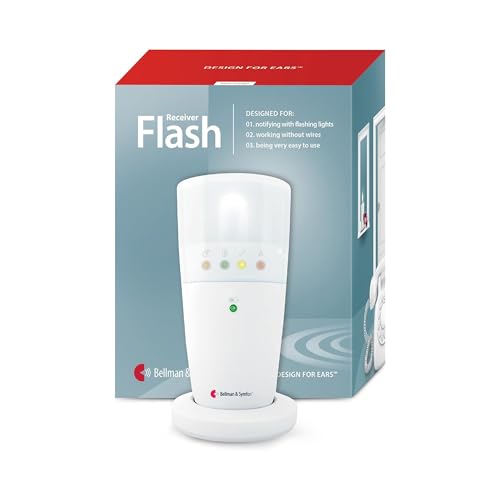
Bellman & Symfon Flash Alert Receiver – Visit Smart Home System Component – Bright Notification Device for Deaf or Hard of Hearing – Assisted Living Emergency Technology for Home Safety
𝐅𝐋𝐀𝐒𝐇 𝐀𝐋𝐄𝐑𝐓𝐒: Our Bellman & Symfon flash alert receiver is a powerful notification device that uses bright flashing…
As an affiliate, we earn on qualifying purchases.
As an affiliate, we earn on qualifying purchases.
Technologies and Tools Empowering Deaf Scientists
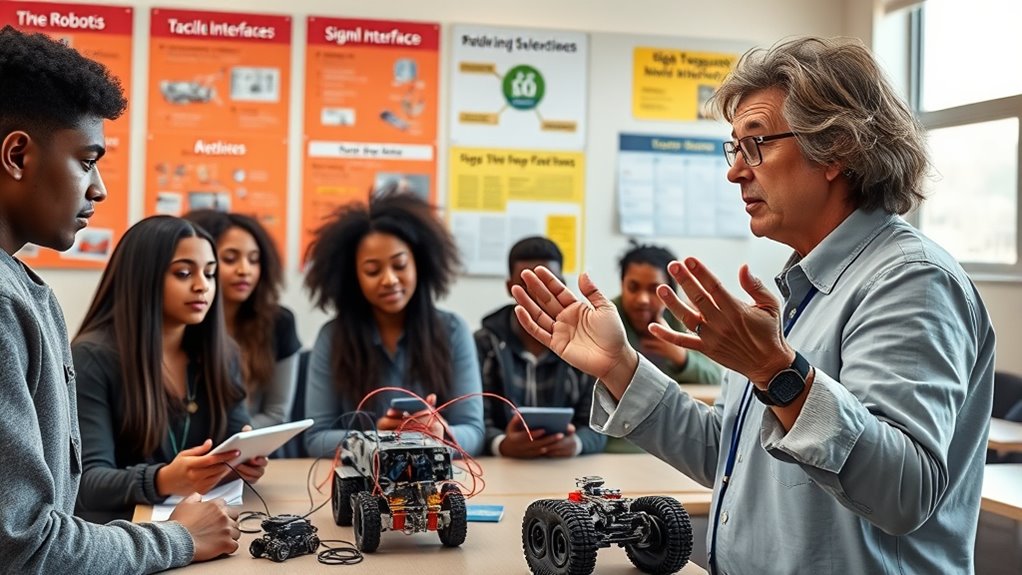
Innovative technologies and tools play a crucial role in empowering Deaf scientists to excel in their fields. Assistive devices, like vibration alerts and visual signaling systems, help you stay connected and aware of your environment. Communication platforms, such as real-time captioning apps and video relay services, facilitate seamless interactions with colleagues and collaborators. These tools remove barriers by enabling effective sharing of ideas and data. Specifically:
Assistive devices and communication platforms empower Deaf scientists to connect, share, and excel seamlessly.
- Assistive devices improve sensory perception and safety.
- Communication platforms support instant, accessible conversations.
- Specialized software enhances data analysis and presentation for Deaf scientists.
- Understanding assistive technology is essential for fostering inclusive scientific communities.
Mentorship and Community: Building Support Networks

Building strong mentorship and community networks is essential for supporting Deaf scientists in their careers. When you connect through sign language, communication barriers decrease, fostering trust and understanding. Peer mentorship plays a crucial role, allowing you to share experiences, advice, and encouragement with others who understand your unique challenges. These networks provide emotional support, professional guidance, and opportunities for collaboration. By building relationships within Deaf scientific communities, you create a foundation where knowledge and resources flow freely. Mentors can help navigate academic and professional obstacles, while peers offer relatable perspectives. Together, these support systems empower you to succeed, inspiring confidence and resilience. Strengthening mentorship and community networks ensures that Deaf scientists thrive and that future generations feel supported in their STEM journeys. Increasing demand for diverse role models further emphasizes the importance of building these strong support systems.
Inspiring Future Generations Through Visibility and Advocacy

When Deaf scientists step into the spotlight and share their stories, they create powerful pathways for future generations. Visibility sparks awareness and challenges stereotypes, inspiring young Deaf individuals to pursue STEM. To maximize impact, focus on:
- Promoting inclusive communication by showcasing diverse ways Deaf scientists engage and collaborate.
- Advocating for policies that support accessibility and equal opportunities within educational and professional settings.
- Creating platforms—like social media or public speaking events—that amplify Deaf voices and foster community support.
- Encouraging creative practices that embrace limits on resources, which can inspire innovative solutions and demonstrate resilience in overcoming barriers.
Frequently Asked Questions
How Do Deaf STEM Role Models Influence Mainstream Education Systems?
You see, mainstream education systems benefit when deaf STEM role models influence them. They inspire students by showcasing diverse experiences and emphasizing the importance of assistive technology. These role models advocate for inclusive curricula that accommodate all learners, fostering understanding and acceptance. Their presence encourages schools to adopt more inclusive practices, ensuring that deaf students feel represented and supported, ultimately creating a more equitable and enriching learning environment for everyone.
What Are Some Misconceptions About Deaf Individuals in STEM Fields?
Imagine a deaf scientist developing accessible lab tools—this shows how misconceptions about deaf individuals in STEM are often false. Myth busting reveals that deaf professionals excel in communication and innovation. Accessibility improvements, like sign language interpreters and visual tech, prove that deaf individuals can thrive in STEM. Don’t assume they face insurmountable barriers; with the right support, they succeed just like anyone else.
How Can Workplaces Better Support Deaf Scientists and Engineers?
To better support deaf scientists and engineers, you should implement assistive technology like real-time captioning and visual alerts, making communication seamless. Encourage peer mentorship programs that foster inclusion and knowledge sharing. By actively promoting accessible tools and community support, you create an environment where deaf professionals thrive, innovate, and contribute fully, ensuring your workplace values diversity and empowers every individual to succeed in STEM fields.
What Role Does Sign Language Play in STEM Collaboration?
Sign language considerably supports seamless STEM collaboration by fostering fluent, inclusive communication. You can see how signing bridges barriers, boosts understanding, and builds bonds among diverse teams. When you incorporate sign language into your collaborative efforts, you encourage equality and engagement, empowering deaf and hearing colleagues alike. This dynamic dialect drives dialogue, deepens discussions, and delivers diverse ideas, making STEM teamwork truly transformative and truly inclusive.
How Accessible Are Current STEM Conferences for Deaf Professionals?
You might find that conference accessibility varies; some events offer sign language interpretation, making participation easier for deaf professionals. However, not all conferences provide this, which can limit your engagement. To improve your experience, seek out events committed to inclusive practices and advocate for sign language interpretation services. Ensuring conference accessibility helps you connect, collaborate, and contribute fully in STEM spaces.
Conclusion
Just like Icarus reaching for the sun, your efforts can elevate deaf scientists to new heights. By celebrating pioneers, embracing resilience, and fostering visibility, you hold the power to inspire the next generation. Your support and advocacy create a ripple effect, transforming dreams into realities. Together, you’re not just building a future where deaf individuals thrive in STEM—you’re rewriting the story, proving that limits are meant to be challenged, not defined.