

Early literacy interventions that focus on phonemic awareness lead to better long-term outcomes by helping children recognize and manipulate sounds. These programs improve decoding skills, boost fluency, and increase confidence in reading. Children who receive explicit, targeted support often close the gap with their peers and develop a positive attitude toward learning. If you keep exploring, you’ll discover effective strategies to support young learners and foster lifelong literacy success.
Key Takeaways
- Early phonemic awareness interventions significantly improve decoding skills and reading fluency compared to no or minimal intervention.
- Systematic, explicit instruction tailored to individual needs yields better long-term reading outcomes than generic programs.
- Children receiving targeted early literacy support show higher motivation, confidence, and enjoyment in reading activities.
- Interventions focusing on sound manipulation activities (rhyming, segmenting, blending) lead to faster skill development than passive approaches.
- Early literacy interventions help narrow achievement gaps, reducing the need for intensive support later in elementary education.

Have you ever wondered how some children learn to read so effortlessly while others struggle from the start? The difference often lies in early literacy interventions and the foundational skills they develop. One of the most pivotal skills in early reading success is phonemic awareness—the ability to recognize and manipulate individual sounds in words. When children understand that words are made up of distinct sounds, they gain a powerful tool for decoding unfamiliar words. This skill forms the backbone of phonics instruction and profoundly impacts reading fluency. Children with strong phonemic awareness tend to read more smoothly and quickly, as they can break down words into manageable parts. Conversely, those who lack this awareness often stumble over words, reading slowly and with less confidence, which can hinder overall comprehension.
Early literacy interventions that emphasize phonemic awareness tend to produce better long-term reading outcomes. By focusing on sound manipulation activities—such as rhyming, segmenting sounds, and blending—you help children build a mental map of the relationship between sounds and symbols. These interventions often include explicit, systematic instruction tailored to individual needs, which accelerates progress. As children develop phonemic awareness, they find it easier to recognize patterns in words, leading to improved reading fluency. Reading fluency isn’t just about speed; it’s about reading accurately, with appropriate expression, and understanding what’s read. When children read fluently, their cognitive resources are freed up for comprehension instead of decoding each word individually.
Research shows that early interventions targeting phonemic awareness can dramatically narrow the gap between struggling and proficient readers. Children who receive these targeted activities early on tend to develop stronger decoding skills, which directly influence their reading fluency. The more fluent they become, the more they enjoy reading and the more they learn from texts. This positive cycle reinforces their motivation and confidence. On the other hand, children who miss out on early phonemic awareness instruction often face ongoing difficulties, requiring more intensive interventions later. The key is to identify and support these children early, providing engaging activities that develop their phonemic awareness and, consequently, their reading fluency. Additionally, understanding the importance of early literacy interventions can help educators and parents implement effective strategies that promote reading success from the start.

hand2mind Talking Mirror My Sounds Phoneme Set, Phonemic Awareness, Speech Therapy Materials, Phonics Manipulatives, Toddler Talking Flash Cards, Letter Sounds, Preschool Learning Activities
KIDS SPEECH THERAPY TOYS: Promote phonemic awareness and early literacy skills in a multisensory way with our Talking…
As an affiliate, we earn on qualifying purchases.
As an affiliate, we earn on qualifying purchases.
Frequently Asked Questions
How Do Early Interventions Differ for Diverse Learner Populations?
You recognize that early interventions for diverse learner populations differ by incorporating culturally responsive and multilingual strategies. These approaches address unique cultural backgrounds and language needs, making interventions more effective. You adapt activities to be inclusive and respectful of students’ cultures, ensuring language barriers are minimized. By doing so, you foster engagement and support literacy development for all learners, recognizing that tailored, culturally sensitive methods improve overall outcomes.
What Role Do Parents Play in Early Literacy Success?
Imagine planting a seed; your involvement nurtures early literacy growth. As a parent, your active participation—like daily home reading—creates a rich environment for language development. Your support boosts confidence and fosters a love for reading. When you engage with your child, you help build essential skills that set the foundation for lifelong learning. Parent involvement transforms the home into a vibrant literacy garden, encouraging curiosity and stories to flourish.
How Cost-Effective Are Different Literacy Intervention Programs?
When evaluating literacy intervention programs, you should focus on cost analysis to determine their affordability and program efficiency to assess how well they deliver results for the investment. Cost-effective programs maximize outcomes like improved reading skills while minimizing expenses. By comparing these factors, you can choose interventions that provide the best value, ensuring children receive impactful support without overspending. This approach helps you make informed decisions for effective literacy development.
What Are the Long-Term Impacts of Early Literacy Interventions?
When you consider the long-term impacts of early literacy interventions, you find that they can be a game-changer. They enhance literacy retention, giving children a strong foundation that benefits them throughout life. These programs also support intervention scalability, allowing more kids to access essential skills early on. Ultimately, investing in early literacy pays off by fostering lifelong learning and reducing future educational gaps.
How Do Technology-Based Interventions Compare to Traditional Methods?
When comparing digital tools to traditional methods, you’ll find that digital tools often engage learners more actively through interactive features, immediate feedback, and personalized content. Traditional methods rely on face-to-face instruction and printed materials, which can foster social interaction. While digital tools offer convenience and adaptability, combining them with traditional methods can maximize early literacy development, catering to diverse learning styles and ensuring all-encompassing support.

Early Literacy Intervention Activities, Grades PK – K
As an affiliate, we earn on qualifying purchases.
As an affiliate, we earn on qualifying purchases.
Conclusion
In summary, early literacy interventions truly lay the foundation for future success. By targeting skills early on, you can turn the tide and give children a head start. Remember, it’s often the early bird that catches the worm, so don’t wait until problems snowball. Investing in these programs now ensures children don’t fall behind and helps them build confidence. When you act early, you set the stage for lifelong reading and learning.

QuTZ Phonics Learning Toy for Preschool Kids – Talking Flash Cards with Sound Machine, Word Blending & Math Games – Educational Reading & Counting Activity Set 4-8
Systematic Mastering Their Phonics & Improve Reading Skills – Developed by linguistic experts, this phonics system includes 73…
As an affiliate, we earn on qualifying purchases.
As an affiliate, we earn on qualifying purchases.
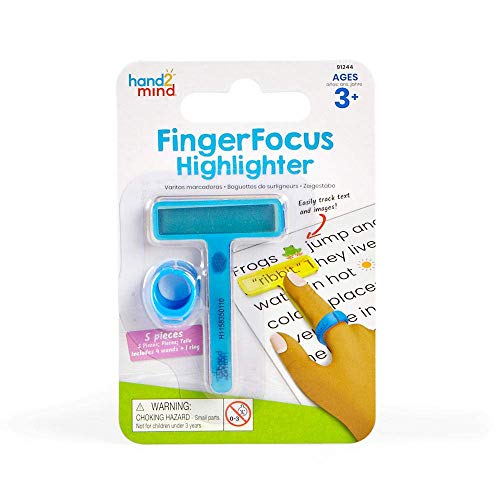
hand2mind FingerFocus Highlighter, Guided Reading Strips, Reading Pointers for Kids, Dyslexia Tools for Kids, ADHD Tools, Special Education School Supplies, Teacher Classroom Must Haves (1 Pack)
FINGER FOCUS HIGHLIGHTER FOR READING: Students will love these bright, transparent wands! The perfect tool for beginner readers,…
As an affiliate, we earn on qualifying purchases.
As an affiliate, we earn on qualifying purchases.