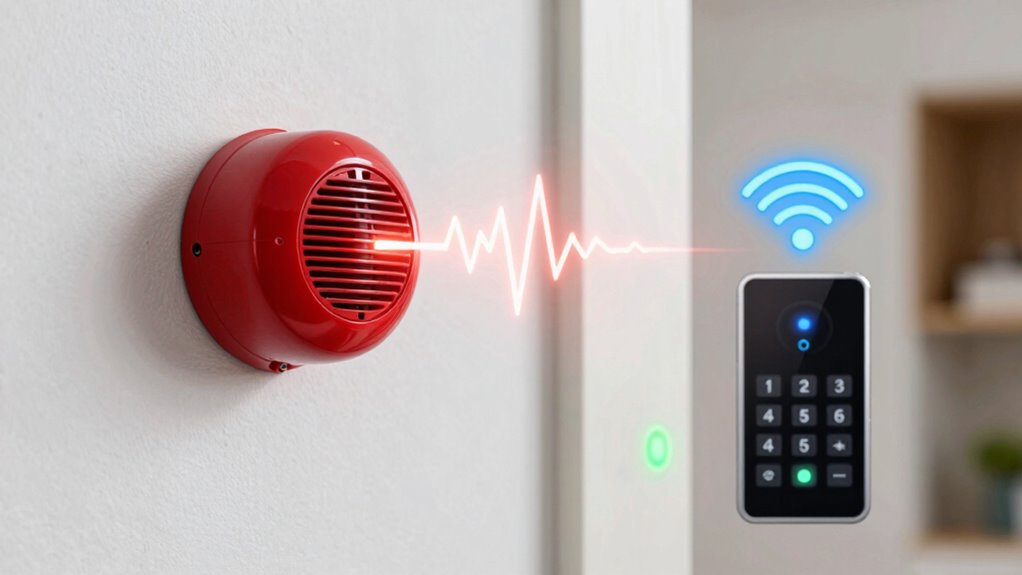

Home alert systems need more than one type of signal to stay reliable when emergencies happen. Depend on just wireless or a single power source can create vulnerabilities, like signal interference or outages. Using multiple signals, such as wireless connectivity combined with battery backup, guarantees your system keeps working even during power cuts or signal blockages. Combining these methods boosts your home’s security and peace of mind. Curious how these features work together? Keep exploring to learn more.

Get everyday helpers delivered free with Prime
- Fast, free delivery on millions of items
- Prime Video, Amazon Music and more included
- Member-only deals all year
Key Takeaways
- Multiple signals prevent system failure if one communication method is disrupted or obstructed.
- Combining wireless and backup power ensures continuous operation during outages or interference.
- Redundant signals enhance security against hacking, jamming, or physical damage.
- Diverse communication channels provide real-time alerts regardless of user location or network issues.
- A multi-signal setup improves overall system reliability and resilience against various threats.
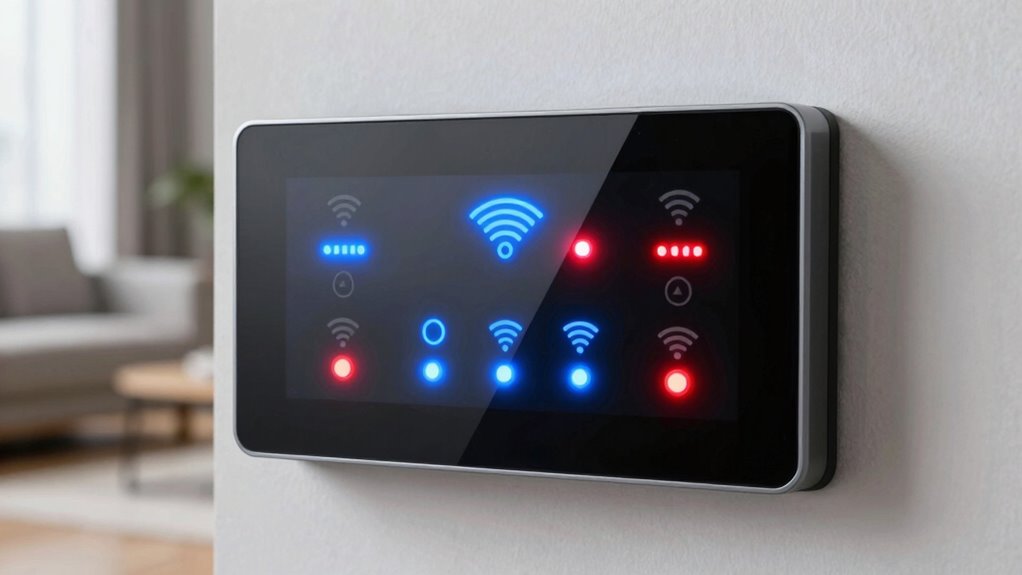
Home alert systems have become vital for safeguarding your property and loved ones, especially as technology advances to support multiple signals. Relying on just one type of communication can leave your home vulnerable if that signal fails. That’s why modern systems incorporate diverse methods like wireless connectivity and backup power sources to guarantee continuous protection. Wireless connectivity allows your system to communicate seamlessly with monitoring centers, smartphones, or other devices without the need for physical wires. This flexibility makes installation easier and reduces the risk of signal obstruction caused by physical damage or interference. With wireless signals, your alert system can send instant notifications to your phone if suspicious activity is detected or if a sensor is triggered, giving you real-time updates regardless of your location.
Wireless connectivity ensures real-time alerts and easy installation for reliable home security.
However, wireless connectivity alone isn’t enough. Power outages are common, and during such times, your alarm system might become inactive if it depends solely on mains electricity. This is where a battery backup becomes essential. A reliable battery backup ensures your alert system remains operational even when the power goes out. You won’t have to worry about losing security during storms or outages, as the system can continue to monitor your home and alert you to any threats. The battery backup provides peace of mind, knowing that your security isn’t compromised when it matters most.
Combining wireless connectivity with battery backup creates a resilient security setup. Wireless signals enable fast, flexible communication, while battery backup guarantees continuous operation during emergencies. This dual approach helps cover vulnerabilities that might exist if you rely on only one signal type. For example, if wireless signals are jammed or interrupted, the system can switch to a wired connection or rely on its battery to stay active. Conversely, if the battery runs low or fails, a strong wireless connection can still relay alerts to you or emergency services. Additionally, understanding network security measures is crucial to protect your system from hacking or interference. Incorporating redundant communication channels further enhances your home security by providing alternative routes for alerts if primary signals are compromised. Employing multiple signals also ensures compliance with evolving security standards and best practices for home safety.
In today’s world, security isn’t about just having alarms; it’s about making certain those alarms work reliably no matter what. Incorporating multiple signals like wireless connectivity and battery backup makes your home alert system more robust and dependable. It’s not just about preventing break-ins but also about maintaining consistent communication during critical moments. A multi-layered security approach can significantly increase your system’s resilience against various threats and failures. Investing in a system with these features gives you confidence that your home remains protected, even when unexpected issues arise. Ensuring signal redundancy is a key component of a comprehensive security strategy. Ultimately, a multi-signal approach is the best way to keep your property and loved ones safe around the clock.
home security alarm system with battery backup
As an affiliate, we earn on qualifying purchases.
As an affiliate, we earn on qualifying purchases.
Frequently Asked Questions
Can Multiple Signals Interfere With Each Other in a Home Alert System?
Yes, multiple signals can interfere with each other in a home alert system. Signal interference occurs when different signals clash, disrupting communication. To avoid this, you need to guarantee device compatibility, so your alert system’s components work smoothly together. Using diverse signal types helps prevent interference, ensuring your alerts are reliable and timely. Proper setup and choosing compatible devices are key to maintaining effective, interference-free home alert systems.
How Do Different Signals Affect Battery Life in Alert Devices?
Ironically, using multiple signals can drain your alert device’s battery faster, impacting battery efficiency and signal longevity. When your system constantly switches or uses different signals, it demands more power, which shortens how long your batteries last. So, while it might seem clever to have diverse signals for reliability, it often sacrifices battery life, forcing you to replace batteries more often—defeating the purpose of a long-lasting alert system.
Are Certain Signals More Effective for Outdoor Versus Indoor Alerts?
Certain signals are more effective for outdoor versus indoor alerts. Indoor sensors often rely on Wi-Fi or low-range signals, ideal for indoor coverage where obstacles are minimal. Outdoor alerts need stronger, longer-range signals like cellular or radio frequencies to penetrate barriers and cover larger areas. Using a mix ensures your alert system is reliable both inside and outside, providing thorough outdoor coverage and reducing blind spots.
What Are the Costs Associated With Implementing Multiple Signal Types?
Implementing multiple signal types is like assembling a toolkit—you’ll face varied costs. A cost comparison shows that adding signals increases expenses, but it’s worth the investment for extensive coverage. Signal compatibility ensures seamless communication, preventing costly upgrades later. While initial costs may seem steep, the enhanced safety and reliability make it a smart choice. You’ll pay more upfront, but your home’s alert system becomes a fortress of protection.
How Do Multiple Signals Impact System Maintenance and Troubleshooting?
Multiple signals improve system maintenance and troubleshooting by providing signal redundancy, so you can quickly identify issues when one signal fails. They also guarantee device compatibility across different components, making repairs smoother. However, managing various signal types can complicate troubleshooting if you’re unfamiliar with the system. Regular checks and understanding how each signal interacts help maintain reliability, ensuring your alert system functions correctly when needed.
Conclusion
In the symphony of home safety, relying on just one signal is like listening to a single instrument—missed nuances leave you vulnerable. Multiple signals craft a robust chorus, alerting you to danger from every corner, like a vigilant guardian standing watch. Imagine your home as a fortress, where each signal is a sturdy wall, a keen eye, and a loud horn—together, they create an unbreakable shield, keeping your peace of mind firmly in your hands.
Halloween Picks
halloween
As an affiliate, we earn on qualifying purchases.