
If you have hearing loss, phone anxiety is common because phone conversations depend heavily on hearing sounds and speech clearly, which can be challenging. You might worry about mishearing or asking for repeats, feeling embarrassed or vulnerable. Technology can help, but it can also be confusing and frustrating. These struggles often lead to avoiding calls and feeling isolated. If you keep exploring, you’ll find ways to overcome these challenges and build confidence in your communication.

Get everyday helpers delivered free — and shop member deals
- Fast, free delivery on millions of items
- Access to Prime Big Deal Days deals on October 6–7
- Prime Video, Amazon Music and more included
Key Takeaways
- Hearing loss makes phone conversations harder to understand, increasing fear of miscommunication and embarrassment.
- Traditional phones often lack features to assist hearing-impaired users, adding to communication frustration.
- Anxiety stems from the difficulty in deciphering speech amid background noise during calls.
- Lack of familiarity with assistive technology can cause uncertainty and avoidance of phone use.
- Fear of missing important details and feeling vulnerable leads to social withdrawal and phone call avoidance.

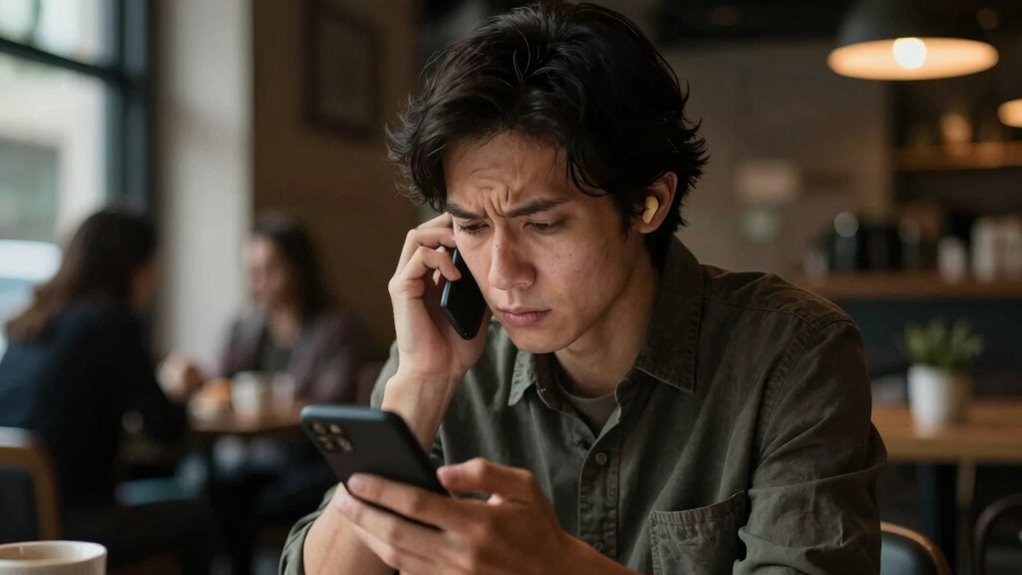
For many people with hearing loss, the thought of making or taking phone calls can trigger significant anxiety. The fear of mishearing someone, asking them to repeat themselves repeatedly, or missing crucial information creates a sense of vulnerability that’s hard to shake. This anxiety isn’t just about the moment of the call; it’s about the anticipation of difficulty and the potential embarrassment if communication fails. Over time, this can lead to avoiding phone conversations altogether, which only worsens feelings of isolation and frustration.
One of the biggest hurdles is technology adaptation. Traditional phones often aren’t designed with hearing loss in mind, making it harder to catch every word clearly. You might find yourself turning up the volume to uncomfortable levels or struggling to decipher speech against background noise. While assistive listening devices and smartphone apps have improved communication, many still find it challenging to navigate these tools confidently. The constant effort to adjust settings or troubleshoot issues adds to the stress, making phone calls seem more overwhelming than they actually are. Still, embracing new technology can gradually build your social confidence. As you learn to use hearing aids, captioning apps, or amplified phones, you start to feel more in control of the conversation. This sense of mastery helps reduce anxiety and encourages you to engage more actively in phone communication.
Social confidence plays a significant role in how you approach phone calls. When you’re worried about missing parts of the conversation or sounding unprepared, you may avoid making calls or become anxious before dialing. These feelings can reinforce a cycle of withdrawal from social interactions, leaving you feeling isolated. But as you become more comfortable with your hearing devices and practice effective communication strategies, your confidence grows. You begin to see phone calls as opportunities rather than obstacles. The more you expose yourself to these situations, the more natural they become. Over time, you realize that your ability to adapt to technology and actively participate in conversations boosts your overall social confidence. You might also find it helpful to learn communication strategies that can make conversations smoother and less stressful. This shift not only improves your communication skills but also enhances your emotional well-being, allowing you to reconnect with loved ones and colleagues without the fear that once held you back. Additionally, understanding the connection between hearing loss and communication challenges can empower you to seek out resources and support that further improve your experience. Developing a positive mindset towards technology and communication can also help reduce anxiety and foster resilience in challenging situations.
amplified phone for hearing loss
As an affiliate, we earn on qualifying purchases.
As an affiliate, we earn on qualifying purchases.
Frequently Asked Questions
How Can I Improve Phone Communication With Hearing Loss?
To improve phone communication with hearing loss, focus on enhancing speech clarity by asking callers to speak slowly and clearly. Use visual cues or written notes when possible, and let your callers know about your hearing needs for emotional support. Consider using assistive listening devices or hearing aids optimized for phone use. Practicing patience with yourself and seeking understanding from others helps reduce anxiety and makes conversations more comfortable.
Are There Specific Phone Features for Hearing-Impaired Users?
Think of your phone as a bridge that connects you to the world. Many devices now come with assistive technology and accessibility features like hearing aid compatibility, volume controls, and captioning options. These features act as a lighthouse guiding you through conversations, making communication clearer and less stressful. By exploring your phone’s accessibility settings, you can customize your device to better suit your hearing needs, transforming phone calls into smoother, more confident exchanges.
Does Hearing Loss Worsen Phone Anxiety Over Time?
Yes, hearing loss can worsen phone anxiety over time as the emotional impact grows, making you more hesitant to make calls. To cope, you might develop strategies like preparing notes beforehand or using visual cues. These methods help reduce frustration and build confidence, easing your anxiety. Recognizing this pattern allows you to seek support or explore assistive devices, ultimately making phone conversations more manageable and less stressful.
Can Hearing Aids Be Used Effectively During Phone Calls?
Yes, hearing aids can be used effectively during phone calls. Modern hearing aids are designed for hearing aid compatibility, ensuring seamless connection to your phone. They help improve phone signal clarity, making conversations easier to understand. With features like Bluetooth connectivity, you can directly stream phone calls to your hearing aids, reducing frustration and anxiety. This technology boosts confidence, allowing you to communicate more comfortably and stay connected.
What Are the Best Practices for Reducing Phone Anxiety?
To reduce phone anxiety, practice good phone etiquette by speaking clearly and confirming details to build your confidence. Prepare for calls by jotting down key points, and use visual cues or notes if needed. Take deep breaths before answering, and remind yourself that it’s okay to ask for clarification. Over time, these strategies boost your confidence and make phone conversations feel more manageable, easing your anxiety considerably.
Conclusion
Feeling overwhelmed by phone calls when you have hearing loss is like trying to hear a whisper in a hurricane—chaotic and frightening. But remember, you’re not alone in this storm. With understanding, support, and the right tools, you can navigate these waves with confidence. Don’t let phone anxiety drown you; instead, see it as a temporary cloud passing by, revealing a brighter, clearer horizon ahead. Your voice deserves to be heard, loud and clear.
Fall Picks
fall essentials
As an affiliate, we earn on qualifying purchases.