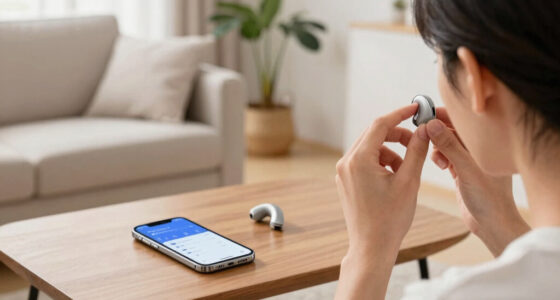
Developing resilience after sudden hearing loss involves understanding your emotional reactions and allowing yourself to grieve. Seek support from professionals, support groups, and loved ones to help you adapt. Practice stress management techniques like mindfulness and set small, achievable goals to build confidence. Embrace new communication methods and explore assistive technologies. By focusing on growth and connection, you can overcome challenges and find new ways to thrive—ideas and strategies to guide you are just ahead.

Get everyday helpers delivered free with Prime
- Fast, free delivery on millions of items
- Prime Video, Amazon Music and more included
- Member-only deals all year
Key Takeaways
- Acknowledge and validate your emotions to foster self-compassion and facilitate healthy grief processing.
- Seek professional support like audiologists or counselors to develop effective coping and rehabilitation strategies.
- Build a strong support network through family, peers, and support groups to enhance emotional resilience.
- Practice mindfulness, stress reduction techniques, and goal setting to manage anxiety and maintain motivation.
- Develop adaptive communication skills and utilize assistive technology to regain confidence and social engagement.
hearing aids for sudden hearing loss
As an affiliate, we earn on qualifying purchases.
As an affiliate, we earn on qualifying purchases.
Understanding the Emotional Impact of Sudden Hearing Loss

Experiencing sudden hearing loss can be an overwhelming and emotionally jarring event. It’s normal to feel a range of emotions—shock, frustration, sadness—as you process this change. Grief processing becomes essential, as you mourn the loss of your previous sense of sound and the life you knew. During this time, building emotional resilience helps you cope with the mental and emotional challenges ahead. Recognizing that emotional resilience can be strengthened through self-care strategies provides hope and guidance. Understand that your feelings are valid, and allow yourself space to grieve without judgment. Understanding the emotional impact prepares you to face your new reality with strength. While the journey may be tough, developing emotional resilience can empower you to adapt and find new ways to connect with the world around you.
Seeking Professional Support and Rehabilitation Options

Seeking professional support and exploring rehabilitation options are vital steps in adapting to hearing loss. You can consult audiologists or ENT specialists to determine the best therapy options, such as hearing aids or cochlear implants, tailored to your needs. Additionally, counseling resources provide emotional support and help you develop coping strategies. Speech therapy can improve communication skills, making interactions easier. Many clinics also offer auditory training programs to maximize hearing potential. Engaging with professionals ensures you receive personalized guidance, empowering you to manage your hearing loss effectively. Hearing rehabilitation is a key component in restoring communication abilities and improving quality of life. Remember, seeking help early can boost your resilience and confidence, helping you adjust more smoothly. Don’t hesitate to explore all available options—professional support is a fundamental part of your journey toward acceptance and adaptation.
Building a Strong Support System

Once you’ve explored professional support and rehabilitation options, building a strong support system becomes a vital part of your journey. Imagine having a network that lifts you up when challenges arise. You can:
- Rely on family support, who understand your needs and offer comfort.
- Connect with peers who share similar experiences, providing empathy and advice.
- Seek out support groups where stories and strategies are exchanged.
- Communicate openly with friends and loved ones, fostering understanding and patience.
- Utilize AI-powered tools to help manage communication and gather information about hearing loss.
These connections create a safety net, making setbacks easier to manage. A strong support system boosts your resilience, keeps you motivated, and reassures you that you’re not alone on your path to adapting to hearing loss.
Educating Yourself About Hearing Loss and Assistive Technologies

Learning about your specific type of hearing loss helps you understand your options and set realistic goals. Exploring assistive devices can improve your daily communication and independence. The more you educate yourself, the better equipped you’ll be to make informed decisions about your hearing health. Familiarizing yourself with hearing loss classifications can further enhance your understanding and management strategies.
Understanding Hearing Loss Types
Understanding the different types of hearing loss is essential for managing and adapting to your condition effectively. There are four main types:
- Sensorineural loss: Damage occurs in the inner ear or auditory nerve, making sounds faint or distorted.
- Conductive loss: Issues in the outer or middle ear block sound transmission, like ear infections or wax buildup.
- Mixed loss: A combination of sensorineural and conductive problems, affecting both the inner ear and ear structures.
- Sudden loss: Rapid hearing decline that may affect any part of your auditory system, often requiring prompt medical attention.
Knowing whether your loss involves the inner ear or auditory nerve helps you understand your condition and explore appropriate treatment options. Additionally, advancements in assistive technologies can significantly improve quality of life for those experiencing hearing loss.
Exploring Assistive Devices
Exploring assistive devices is a crucial step in managing hearing loss, as these technologies can considerably improve your ability to communicate and stay connected. Hearing aid compatibility ensures that your devices work seamlessly with other electronics, making daily interactions smoother. Cochlear implant advancements have transformed options for those with severe loss, restoring hearing more effectively than ever before. By understanding the latest in assistive devices, you can choose solutions tailored to your needs, such as specialized hearing aids or implant systems. These tools not only enhance sound clarity but also boost confidence in social settings. Educating yourself about these technologies allows you to make informed decisions and maximize their benefits, helping you rebuild your communication skills and regain independence.
Developing Effective Communication Strategies

To improve your communication, focus on mastering nonverbal cues like facial expressions and gestures, which can convey meaning beyond words. Using assistive devices, such as hearing aids or captioning apps, can enhance understanding in different settings. Practice speaking clearly and confidently to make sure your message comes across, even in challenging situations. Incorporating safe essential oils into your environment may also promote relaxation and reduce stress during conversations.
Mastering Nonverbal Cues
Mastering nonverbal cues is essential for effective communication after hearing loss because it allows you to convey and interpret meaning beyond words. Your facial expressions and body language speak volumes, bridging gaps in understanding. To do this effectively, focus on:
- Maintaining eye contact to show engagement and read emotions.
- Using facial expressions to emphasize feelings or reactions.
- Adopting open body language, like uncrossed arms, to invite dialogue.
- Nodding appropriately to signal understanding or encouragement.
Using Assistive Devices
Using assistive devices is a crucial step in developing effective communication strategies after hearing loss. These devices enhance your ability to participate fully in conversations and stay connected. Hearing aid options vary, offering features like noise reduction and Bluetooth connectivity, tailored to your needs. Cochlear implants also provide advanced options, such as improved sound clarity and directional microphones. Understanding these features helps you choose the best device for your lifestyle. Here’s a quick comparison:
| Device Type | Key Features |
|---|---|
| Hearing Aids | Noise reduction, wireless streaming |
| Cochlear Implants | Sound processing, directional microphones |
| Hearing Aids | Rechargeable batteries, customizable settings |
| Cochlear Implants | Improved speech recognition, durability |
| Accessories | Remote controls, telecoils |
Using the right device boosts confidence and communication effectiveness. Additionally, learning about assistive listening devices can further improve your listening experience and ensure you stay connected in various environments.
Practicing Clear Speech
Practicing clear speech is essential for ensuring your messages come across effectively, especially as you adapt to hearing loss. To improve speech clarity and vocal projection, focus on these steps:
- Speak slowly, giving your listener time to process your words.
- Enunciate each syllable clearly, avoiding mumbling or rushing.
- Maintain good posture to support strong vocal projection.
- Use deliberate pauses to emphasize key points and give your audience space to understand.
- Incorporating techniques from Honda Tuning, such as adjusting your speaking style for better resonance, can also enhance your vocal clarity.
Practicing Mindfulness and Stress Management Techniques

When you incorporate mindfulness and stress management techniques into your daily routine, you can better navigate the emotional challenges that come with hearing loss. Practicing mindfulness exercises helps you stay present and reduces feelings of frustration or anxiety. Simple techniques like deep breathing, body scans, or focused meditation can calm your mind during stressful moments. Stress reduction techniques, such as progressive muscle relaxation or guided imagery, help lower your overall stress levels, making it easier to cope with the emotional weight of hearing loss. Regularly engaging in these practices can improve your resilience, boost your mood, and foster a sense of control. Additionally, understanding digital literacy can empower you to access helpful online resources and support networks. Over time, you’ll find it easier to face daily challenges with a calmer, more centered perspective.
Setting Realistic Goals and Celebrating Small Victories

Setting realistic goals is essential for building resilience after hearing loss because it helps you stay motivated and avoid feeling overwhelmed. Break your journey into achievable steps to create motivational milestones. For example, you might focus on:
- Improving communication in quiet environments
- Using new hearing devices confidently
- Attending support groups regularly
- Reaching out to loved ones for assistance
Tracking your progress keeps you motivated and highlights your achievements, no matter how small. Celebrate each victory, whether it’s hearing a conversation clearly or mastering a new device. Setting clear, attainable goals ensures you stay focused and positive. Remember, every small step forward is a sign of resilience and progress on your path to adaptation.
Embracing New Opportunities for Connection and Personal Growth

Embracing new opportunities for connection and personal growth can considerably enhance your resilience after hearing loss. By adopting adaptive strategies, you open yourself to alternative ways of communicating and engaging with others. Joining community groups or support networks provides a sense of belonging and shared understanding, strengthening your emotional resilience. These connections can inspire new hobbies or skills, fostering personal growth beyond your hearing challenges. Developing a positive mindset and embracing a growth-oriented perspective can further empower you to navigate this journey with optimism and resilience.
Frequently Asked Questions
How Can I Maintain Motivation During Long Recovery Periods?
When facing long recovery periods, staying motivated can be tough. You should focus on mental strategies like setting small, achievable goals and celebrating progress. Connecting with peer support groups can boost your spirits and remind you you’re not alone. Keep a positive mindset, and remember that setbacks are normal. By staying proactive and seeking encouragement, you’ll strengthen your resilience and maintain motivation throughout your recovery journey.
What Financial Resources Are Available for Hearing Loss Rehabilitation?
Finding funds for hearing loss help can feel frustrating, but there are options. You can explore financial assistance programs that provide support for hearing aid grants, reducing the cost burden. Many organizations, government agencies, and nonprofits offer aid tailored to hearing health needs. Research local resources and apply for hearing aid grants, ensuring you access the financial support necessary to improve your hearing and enhance your quality of life.
How Do I Handle Social Situations That Trigger Anxiety?
When facing social situations that trigger anxiety, you can use communication strategies like clear speech, gestures, and written notes to ease interactions. Joining support groups helps you connect with others who understand your experience, providing encouragement and practical advice. Practice deep breathing to stay calm, and gradually expose yourself to social settings to build confidence. Remember, you’re not alone, and support is available to help you navigate these challenges effectively.
Are There Specific Hobbies That Support Emotional Healing?
Imagine painting a vibrant sunset or weaving a calming melody—these hobbies serve as your emotional sanctuary. Engaging in mindful practices like meditation or creative outlets like drawing and playing music helps process feelings and rebuild strength. As you immerse yourself in these activities, you nurture resilience, turning moments of vulnerability into powerful expressions of healing. These hobbies become your refuge, guiding you toward emotional balance and renewed hope.
How Can I Advocate for Myself in Healthcare Settings?
When advocating for yourself in healthcare, remember your patient rights and focus on effective communication. Clearly express your needs and concerns, ask questions, and don’t hesitate to seek second opinions if necessary. Keep detailed records of your symptoms and treatments. By confidently voicing your preferences and understanding your rights, you empower yourself to receive the care you deserve and guarantee your voice is heard in every medical decision.
Conclusion
Think of resilience as a sturdy boat traversing stormy seas after sudden hearing loss. With each wave you face—emotional struggles, new challenges—you learn to steer with courage and patience. Over time, your boat becomes stronger, guiding you toward calmer waters filled with renewed hope, connection, and growth. Remember, even in rough waters, your resilience is the lighthouse that will lead you to brighter days ahead.
Halloween Picks
halloween
As an affiliate, we earn on qualifying purchases.