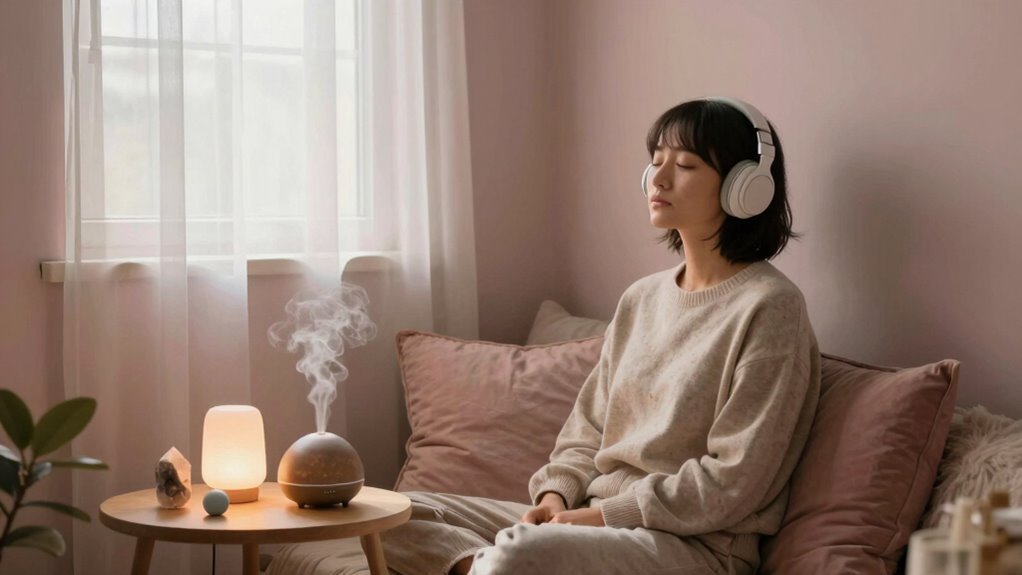
To build a calmer sound plan, start by identifying noise triggers in your environment, such as loud conversations or sudden sounds. Use soundproofing and acoustic treatments like curtains, rugs, or acoustic panels to reduce noise levels. Incorporate personal devices like ear protection or noise-canceling headphones for extra comfort. Create routines that include quiet times and calming activities. By applying these strategies, you’ll better manage sensory overload—continue exploring for more tips to optimize your sound environment.
Key Takeaways
- Identify specific noise triggers and reactions to develop targeted noise management strategies.
- Incorporate calming sounds, music therapy, and sound masking to reduce environmental overstimulation.
- Use appropriate personal sound devices and ear protection to filter or amplify sounds for comfort.
- Design a quiet, clutter-free environment with sound-absorbing materials and strategic furniture placement.
- Establish routines and mindfulness practices to anticipate noise triggers and maintain sensory regulation.

ProCase Noise Reduction Ear Muffs, Sound Proof Ear Protection, NRR 28dB Noise Cancelling Headphones for Adults Kids Autism, Hearing Protection for Mowing -Black
Constructed by solid ABS shell and thickened foam, the ear muffs achieve NRR 28 dB (SNR 34 dB)…
As an affiliate, we earn on qualifying purchases.
As an affiliate, we earn on qualifying purchases.
Why Noise Makes Sensory Sensitivities Worse

Noise can substantially worsen sensory sensitivities because it overstimulates your nervous system. When you’re exposed to loud or unpredictable sounds, you experience auditory overload, making it harder to process other sensory information. This excess noise heightens your noise sensitivity, causing discomfort and anxiety. Your brain struggles to filter out background sounds, leading to feelings of overwhelm and fatigue. As your nervous system becomes overstimulated, everyday environments may feel chaotic and intolerable. This heightened sensitivity can increase stress and make it difficult to focus or relax. Understanding how noise impacts your sensory system emphasizes the importance of managing sound levels to prevent further overload and keep your sensory sensitivities in check. Additionally, contrast ratio plays a role in how visuals are perceived, which can influence overall sensory comfort in environments like home theaters or living spaces. Recognizing the impact of environmental factors like sound levels can help you create calmer, more manageable spaces to support your sensory needs and sensory regulation strategies. Implementing soundproofing techniques can significantly reduce environmental noise and enhance sensory comfort, especially considering how different noise frequencies affect sensory overload.
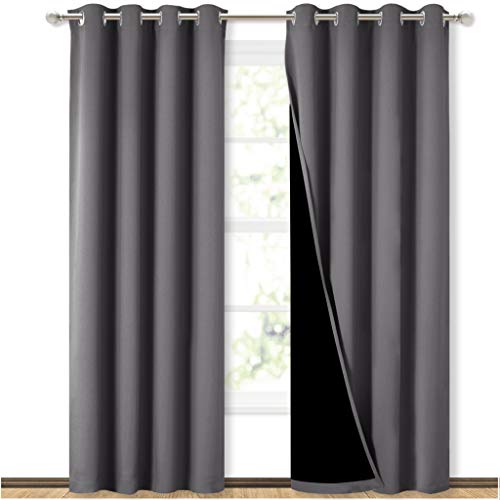
NICETOWN Grey Full Shade Curtain Panels, Pair of Energy Smart & Noise Blocking Out Blackout Drapes for Dining Room Window, Thermal Insulated Guest Room Lined Window Dressing(Gray, 52 x 84 inch)
Ready Made: 2 panels per package. Each Classic Lined Curtain measures 52" wide x 84" long (Total width…
As an affiliate, we earn on qualifying purchases.
As an affiliate, we earn on qualifying purchases.
How Noise Affects Your Stress and Well-Being

Excessive noise doesn’t just overwhelm your senses; it also triggers a stress response that can take a serious toll on your overall well-being. Continuous noise pollution raises your cortisol levels, leading to increased anxiety, fatigue,, and even sleep disturbances. When you’re exposed to loud or unpredictable sounds, your body stays in a heightened state of alertness, making it harder to relax or focus. Music therapy offers a calming counterbalance, helping to reduce stress and promote emotional stability. By intentionally incorporating soothing sounds into your environment, you can mitigate the negative effects of noise pollution and support your mental health. Recognizing how noise impacts your mental health empowers you to create a quieter, more peaceful space that supports your well-being and sensory health. Sound environment plays a crucial role in managing stress and improving overall mental health, especially when combined with strategies like noise reduction techniques that can further enhance your environment. Incorporating natural elements like water features or native plants can also help buffer external noise and create a more calm atmosphere. Additionally, understanding the importance of sensory health encourages you to develop personalized plans that foster a more tranquil and resilient environment.

Focusound 52 Pack Acoustic Foam Panels 1" x 12" x 12" Sound Proof Foam Panles Soundproofing Noise Cancelling Wedge Panels for Home Office Recoding Studio with 300PCS Double-Side Adhesive
Soundproofing – Acoustic foam panels triangular grooves structure for better noise absorption, helps to reduce and absorb unwanted…
As an affiliate, we earn on qualifying purchases.
As an affiliate, we earn on qualifying purchases.
How to Identify Overwhelming Noises in Your Environment

Pay attention to common sounds that tend to bother you, like loud conversations or sirens. Notice how your body reacts—do you feel tense, overwhelmed, or anxious? Recognizing these triggers and your reactions helps you identify which noises are truly overwhelming. Incorporating sound masking techniques can also help reduce the impact of disruptive noises in your environment.
Recognize Common Triggers
Understanding what triggers overwhelming sounds is essential to managing sensory sensitivity. Recognizing your specific noise triggers helps you develop effective trigger awareness and build a calmer environment. Common sound sensitivity triggers include sudden loud noises, continuous background hums, and high-pitched whines. Imagine the piercing screech of a doorbell, the relentless drone of fluorescent lights, or the sharp squeal of a ringing phone—these are typical triggers. By identifying these sounds, you become better equipped to anticipate and manage your reactions. Pay attention to environments where these noises occur most often, and note how they affect your comfort. Recognizing these common triggers allows you to implement strategies to reduce sensory overload and foster a more peaceful setting.
Notice Personal Reactions
Once you’ve identified the sounds that tend to trigger your discomfort, the next step is to notice how your body and mind react in those moments. Pay close attention to your emotional awareness—do you feel anxious, irritated, or overwhelmed? Observe your sensory reactions, such as tension in your muscles, rapid heartbeat, or feelings of dizziness. Recognizing these responses helps you understand which noises are truly overwhelming, rather than just mildly annoying. Being mindful of your reactions allows you to differentiate between normal responses and signs of sensory overload. This awareness is vital for developing strategies to manage your environment. By tuning into your emotional and sensory cues, you take an active step toward creating a calmer, more manageable soundscape tailored to your needs.

ProCase Noise Reduction Ear Muffs, Sound Proof Ear Protection, NRR 28dB Noise Cancelling Headphones for Adults Kids Autism, Hearing Protection for Shooting Gun Range Mowing -Red
Constructed by solid ABS shell and thickened foam, the ear muffs achieve NRR 28 dB (SNR 34 dB)…
As an affiliate, we earn on qualifying purchases.
As an affiliate, we earn on qualifying purchases.
Practical Ways to Reduce Noise and Create Calm Spaces

Reducing noise in your environment can substantially improve comfort and focus, especially if you’re sensitive to sound. You can create calm spaces by incorporating simple changes. Use soft lighting and cozy textures to dampen echoes. Play calming music therapy or try sound meditation to mask intrusive noises and promote relaxation. Consider adding plants or fabric panels that absorb sound, making the space quieter and more peaceful. You might also use headphones with noise-canceling features during busy times. These small adjustments can make a big difference in how you experience your environment, helping you feel more centered and less overwhelmed. Incorporating sound absorption techniques can further enhance your sensory environment and reduce noise disturbances. Additionally, noise regulation strategies can help manage sound levels more effectively, creating a more comfortable setting. Implementing soundproofing measures can significantly decrease unwanted noise from outside sources, further improving your environment. Creating a calmer space enhances your sensory comfort and gives you control over your surroundings, supporting your overall well-being. Being mindful of indoor air quality can also contribute to a more comfortable environment by reducing irritants that may affect sensory sensitivity.
Using Soundproofing and Acoustic Treatments Effectively
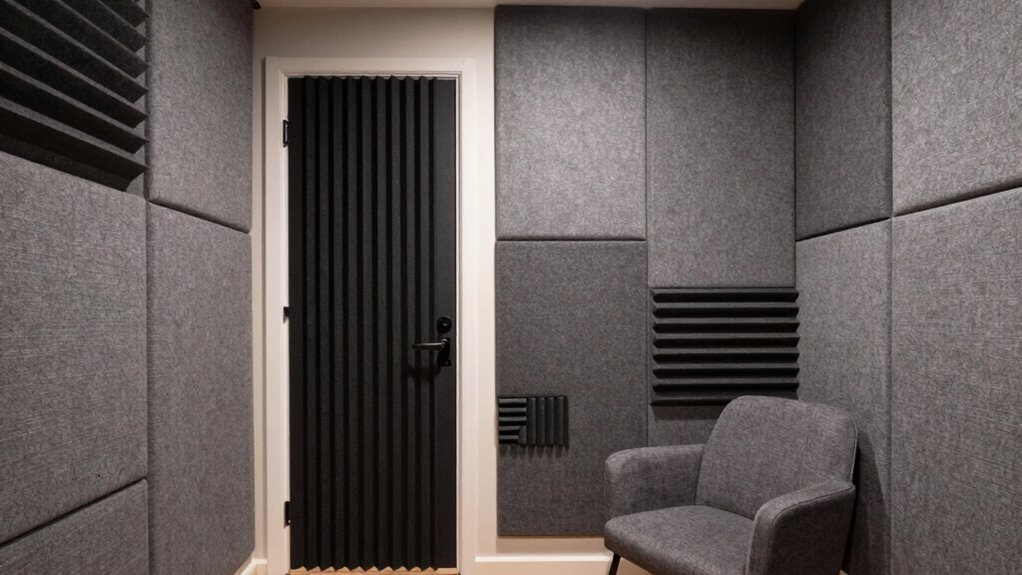
Effective soundproofing and acoustic treatments can substantially minimize unwanted noise and create a more peaceful environment. Installing soundproof barriers, like dense curtains or specialized drywall, blocks external noise from entering your space. Acoustic panels, placed on walls or ceilings, absorb sound waves and reduce echoes, making rooms calmer. To maximize their effectiveness, position panels strategically in areas where sound reflections are strongest. Seal gaps around doors and windows to prevent sound leaks. Combining soundproof barriers with acoustic panels provides a layered defense against noise, helping you regain control over your sensory environment. Incorporating soundproofing materials that are suitable for outdoor or semi-outdoor environments can further enhance noise reduction efforts. Using thermal behavior knowledge can also help in selecting materials that contribute to sound insulation and temperature regulation, optimizing your environment. Understanding sound transmission principles enables you to better evaluate and improve your acoustic setup. Additionally, considering material properties can aid in choosing solutions that balance noise reduction with other environmental factors. An understanding of acoustic design is essential for creating an effective and harmonious sound environment. Remember, the goal is to create a balanced space that minimizes intrusive sounds while maintaining comfort. Proper application of these treatments markedly enhances your ability to enjoy a quieter, more soothing atmosphere.
Personal Sound Devices and Ear Protection for Sensory Comfort

Personal sound devices and ear protection can considerably improve your sensory comfort by reducing overwhelming noise. When choosing these options, look for ones that offer customizable noise reduction and prioritize comfort for extended wear. Selecting the right devices helps you manage noise levels effectively and maintain your sensory balance. Incorporating attention to detail in selecting your devices ensures that your specific sensory needs are met for a more comfortable experience. Additionally, choosing devices with appropriate noise reduction ratings can optimize their effectiveness for your environment and personal preferences. Understanding industry trends can further help you select the most effective and modern options for your needs, especially as new innovations and market developments emerge to better serve sensory sensitivities. Staying informed about noise control technologies can also enhance your ability to select devices that provide optimal comfort and protection.
Personal Sound Devices Benefits
When you use personal sound devices or ear protection, you can experience a significant boost in comfort and focus, especially in noisy environments. These devices help filter or amplify sounds, allowing you to control your auditory environment. Personal sound devices, such as noise-canceling headphones or earplugs, provide customized hearing protection that reduces overwhelming noise while preserving essential sounds. Imagine:
- A peaceful moment amid crowded places, where background noise fades away.
- Better concentration during work or study, free from distracting sounds.
- Enhanced relaxation when listening to calming music or white noise.
Using hearing protection tailored to your needs, these devices create a calmer space, helping you manage sensory sensitivities effectively. They’re essential tools to improve your overall sensory comfort and daily well-being.
Choosing Comfortable Ear Protection
Choosing comfortable ear protection involves selecting devices that fit well and feel natural, so you can wear them for extended periods without discomfort. The right ear protection offers a comfort fit, reducing pressure points and preventing irritation. Look for options with soft, lightweight materials that contour to your ears, ensuring they stay secure without squeezing too tightly. Consider ear protection with adjustable features to customize the fit to your unique ear shape. Properly fitted ear protection can considerably lessen sensory overload caused by loud or unpredictable noises. Remember, comfort fit is key—you want ear protection that you forget you’re wearing, allowing you to focus on your environment calmly. Investing in well-fitting ear protection helps you maintain sensory comfort and stay prepared for noisy situations.
Customizable Noise Reduction
Customizable noise reduction options, like personal sound devices and adaptable ear protection, allow you to tailor your sensory experience to your needs. With these tools, you can create tailored sound environments that reduce overwhelming noise while preserving essential sounds. Imagine slipping on a device that adjusts noise levels in real-time, or ear protection that filters out specific frequencies causing discomfort. Visualize:
- A sleek, adjustable headset that amplifies soft sounds while dampening loud ones
- Earplugs with customizable filters to block loud environments selectively
- Wireless earbuds that adapt to your surroundings with personalized sound profiles
These options give you control over your sensory input, helping you build a calmer, more manageable auditory space suited to your comfort.
Designing Your Environment for Calm and Balance
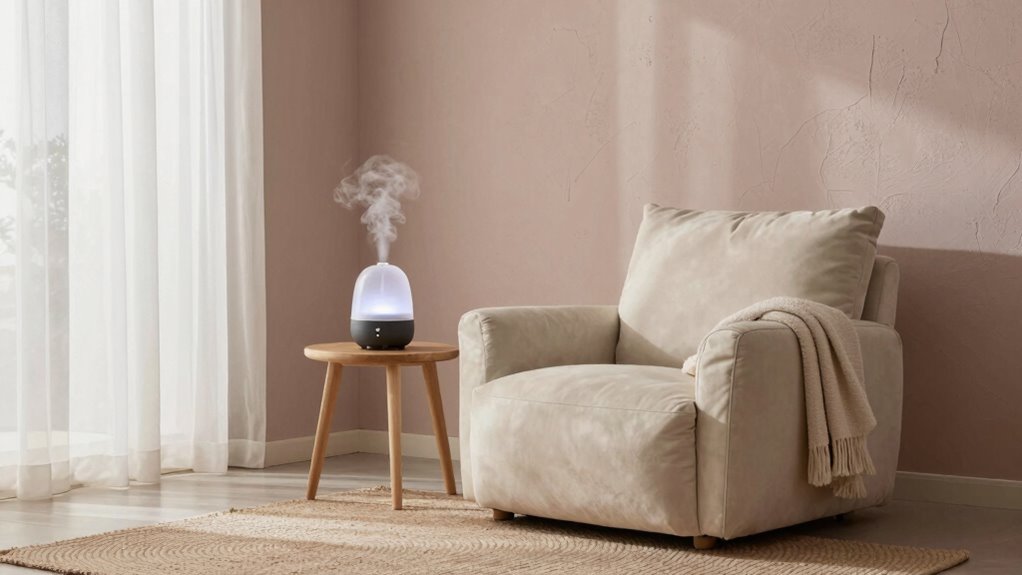
Creating a calming environment starts with thoughtful design choices that minimize noise and sensory overload. Incorporate sound masking to blend background sounds and reduce sudden, jarring noises. This technique helps mask intrusive ambient noise, creating a more peaceful space. Choose soft, natural materials like carpets, curtains, and upholstery to absorb sound and lower echo. Keep clutter minimal to avoid visual and auditory clutter that can heighten sensitivity. Position furniture thoughtfully to block or divert noise sources. Use calming colors and simple decor to foster tranquility. Consider adding plants, which naturally absorb sound and bring a sense of serenity. Every element should work together to support a balanced environment, making it easier for you to relax and feel centered amid everyday noise.
Create a Daily Routine to Manage Noise Triggers
Establishing a daily routine to manage noise triggers helps you anticipate and reduce sensory overload before it occurs. By incorporating mindful listening and sound mapping into your day, you gain awareness of your environment and your reactions. This proactive approach allows you to identify specific triggers and plan calming activities around them. For example, you might:
Creating a daily routine with sound awareness helps prevent sensory overload and fosters calm.
- Schedule quiet moments during peak noise times, like early mornings or late evenings
- Use sound mapping to visualize where loud sounds originate and find quieter spaces
- Practice mindful listening to become more aware of subtle sounds and your responses to them
Creating this routine helps you build a sense of control, making sensory experiences more predictable and less overwhelming. Over time, it strengthens your ability to manage noise with calm and confidence.
Troubleshooting Common Challenges in Building Your Calm Sound Plan

Building a calm sound plan can be challenging when unexpected noises or emotional reactions disrupt your routines. You might find that sudden sounds or heightened sensitivities throw off your progress. To troubleshoot, consider incorporating music therapy with soothing melodies tailored to your preferences, helping to mask disruptive noises. Natural soundscapes, like flowing water or birdsong, can also provide a calming background that’s easier to control. If certain triggers remain persistent, adjust your sound sources or timing, and experiment with different volumes or arrangements. Remember, setbacks are normal; patience is key. Continually refine your plan by observing what works best, and don’t hesitate to seek support from professionals or support groups for additional strategies.
Frequently Asked Questions
How Can I Tell if Noise Levels Are Truly Harmful to My Senses?
You can tell if noise levels are harmful by noticing signs of sensory overload, like headaches, ear ringing, or feeling overwhelmed. If you’re exposed to loud noise regularly, it may cause long-term damage, so pay attention to how your body reacts. Use a decibel meter app to measure noise exposure—levels above 70 dB can be harmful over time. Trust your senses and seek quiet when needed to protect your hearing.
Are There Specific Sounds That Universally Trigger Sensory Sensitivities?
Yes, certain universal triggers like loud, high-pitched noises, sudden sounds, or persistent background noises often irritate those with sensory sensitivities. Common irritants include screeching brakes, alarms, or crowded environments with constant chatter. You might notice these sounds cause discomfort or overwhelm. Recognizing these triggers helps you create a calmer sound plan, avoiding or minimizing exposure to them to better manage your sensory sensitivities.
What Are Affordable Options for Soundproofing a Small Room?
Think of your small room as a fortress against noise. You can build this fortress with DIY solutions using budget-friendly materials like thick curtains, foam panels, or even rugs. Seal gaps around doors and windows with weatherstripping or draft stoppers. These simple, affordable steps help dampen sound. With a little effort, you create a calmer environment, making your space feel more secure and peaceful against external noise.
How Do I Balance Noise Reduction With Maintaining Social Interaction?
To balance noise management with social engagement, you should create designated quiet zones and comfortable social areas. Use sound-absorbing materials to reduce overwhelming noise without blocking conversations entirely. Consider scheduling quiet times and using soft furnishings to dampen loud sounds. This approach helps you control noise levels while inviting social interaction, making your space both calming and welcoming. Prioritize open communication to make certain everyone feels comfortable and included.
Can Music Therapy Improve Sensory Comfort in Noisy Environments?
Yes, music therapy can improve your sensory comfort in noisy environments. It uses carefully selected music to help you relax and adapt to sensory stimuli. By engaging in music therapy, you may find it easier to manage sensory overload and feel calmer amidst the noise. Regular sessions can strengthen your coping skills, making noisy settings more tolerable and enhancing your overall sensory comfort and well-being.
Conclusion
Building a calmer sound plan is like tuning a delicate instrument—you need patience, awareness, and the right tools. By understanding how noise impacts your sensory sensitivities and taking practical steps to reduce it, you create a peaceful space that promotes well-being. Remember, small changes can make a big difference, turning chaos into calm like a gentle breeze clearing stormy skies. Stay consistent, and your environment will become a sanctuary of serenity.