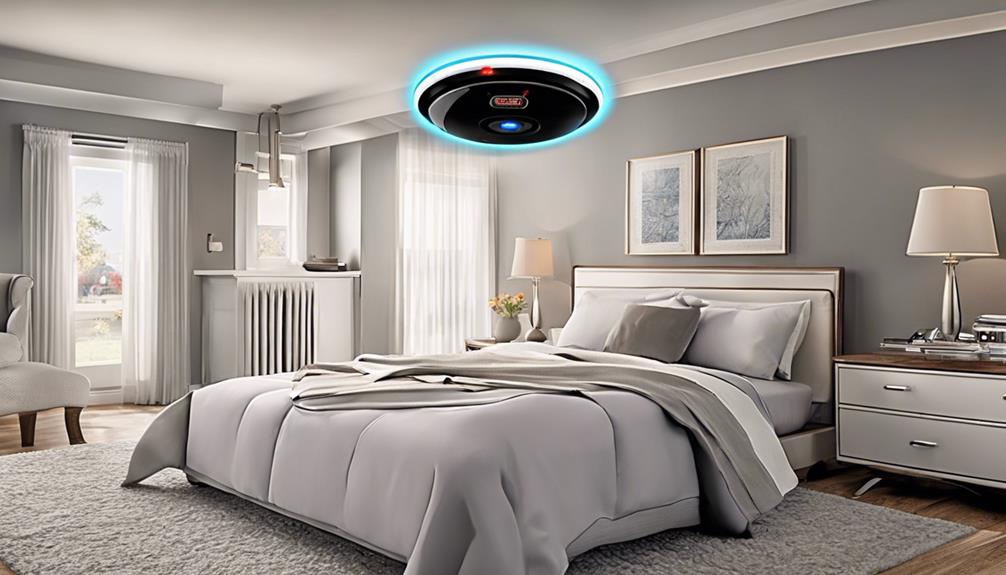

You might not be aware that installing a smoke detector for deaf individuals requires specific adaptations to ensure their safety in case of a fire emergency.
Get ready for Prime Big Deal Days — try Prime free
Exclusive member deals on October 6–7, plus fast free delivery. Cancel anytime.
As an affiliate, we earn on qualifying purchases.
Ensuring that the alarm system effectively alerts individuals with hearing impairments involves strategic positioning, proper maintenance, and utilizing specialized features.
Understanding the unique needs of deaf persons when it comes to fire detection can make a significant difference in their overall safety.
Discover the crucial steps involved in installing a smoke detector tailored for the deaf community to enhance their protection and preparedness in emergencies.
Key Takeaways
- Prioritize smoke detectors with flashing lights or vibrating alerts for effective notification.
- Interconnect alarms for simultaneous alerts in multiple areas, meeting ADA guidelines.
- Use appropriate cables, secure boxes, and follow manufacturer's instructions for safe installation.
- Regularly test and maintain detectors to ensure proper functionality and readiness for emergencies.
smoke detector for deaf persons with flashing lights
As an affiliate, we earn on qualifying purchases.
As an affiliate, we earn on qualifying purchases.
Selecting the Right Smoke Detector
When choosing a smoke detector for deaf individuals, prioritize models equipped with flashing lights, bed shakers, or vibrating alerts to ensure effective notification in case of a fire. These features are essential for individuals who are hard of hearing as they rely on visual or tactile alerts.
It's crucial to select smoke detectors that meet ADA guidelines and can be integrated with alert devices tailored for those with hearing impairments. Opt for interconnected detectors that can trigger alerts simultaneously throughout the home, enhancing safety by notifying individuals in different areas.
Additionally, choose smoke detectors with long-lasting batteries or reliable power sources to minimize maintenance requirements, providing peace of mind for deaf or hard of hearing individuals.
Installing Hardwired Smoke Alarms
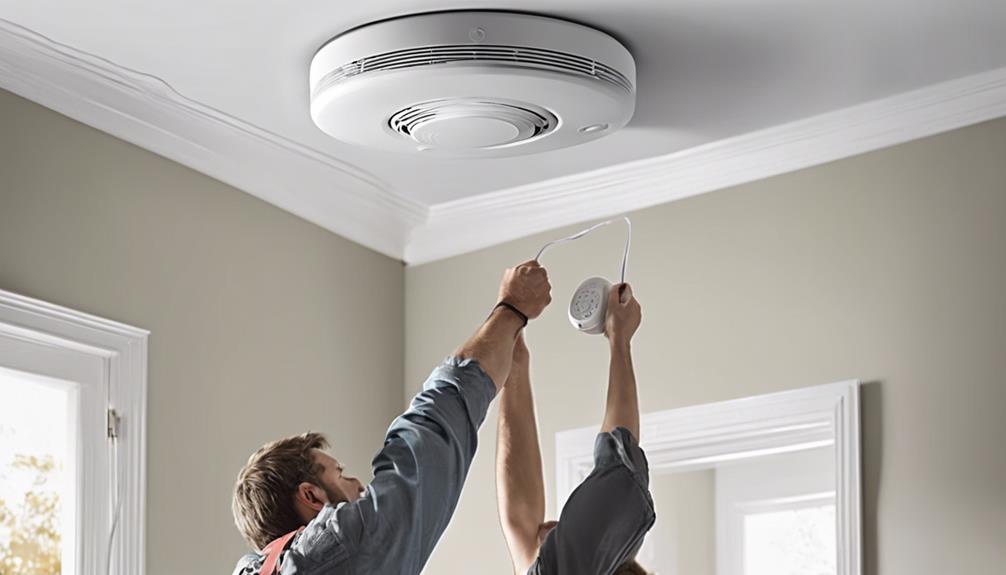
To ensure optimal safety for deaf individuals, the proper installation of hardwired smoke alarms is crucial for maximum protection against fire hazards. When installing hardwired smoke alarms in your home, follow these steps:
- Interconnected System: Ensure all smoke alarms are interconnected so that when one alarm detects smoke, all alarms will sound simultaneously.
- Electrical System Power: Utilize your home's electrical system to power the alarms, eliminating the need to frequently change batteries.
- Battery Backup: Opt for hardwired smoke detectors that come with battery backups to ensure they continue operating during power outages.
- Intricate Installation: Be prepared for a more detailed installation process compared to battery-powered alarms due to the wiring requirements.
- Enhanced Protection: Properly installed hardwired smoke detectors offer advanced protection for deaf individuals by providing early detection of fire hazards and alerting them promptly.
Running Cables and Securing Boxes
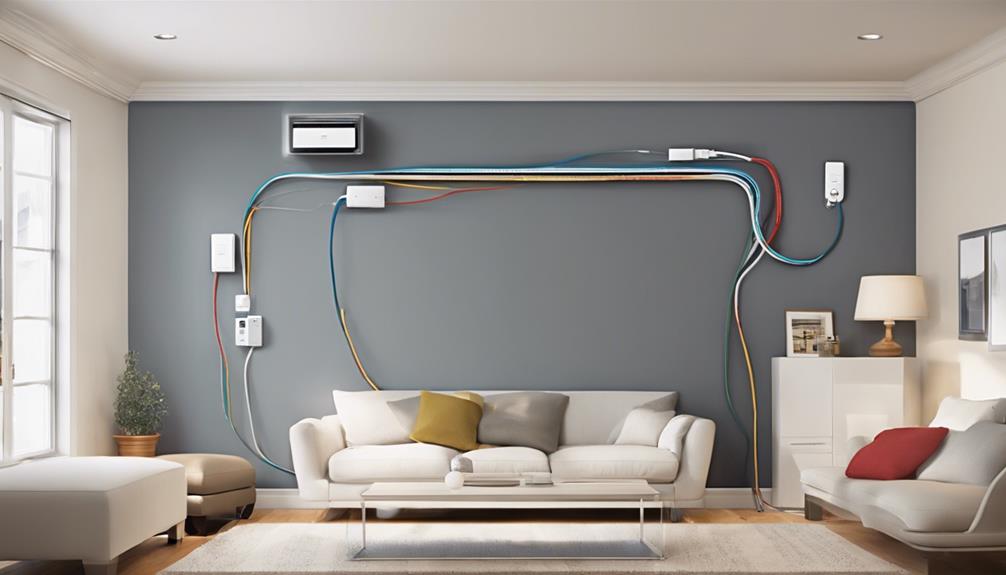
For a secure installation of hardwired smoke alarms in your home, the next crucial step involves running cables and securely securing boxes to ensure the system functions optimally. When installing smoke detectors, it is essential to use appropriate cables that provide a secure connection to the power source. Remember to hide the cables within walls or ceilings to avoid creating tripping hazards. Secure the remodeling boxes tightly to establish a stable base for the smoke detectors, ensuring they stay in place. Double-check all wiring connections to guarantee proper conductivity and functionality. Follow the manufacturer's guidelines meticulously for cable routing and box installation to maintain compliance with safety standards. By adhering to these steps, you can create a reliable and effective system for your home.
| Aspect | Description |
|---|---|
| Cable Selection | Choose suitable cables for connecting smoke detectors securely to power. |
| Cable Routing | Safely hide cables within walls or ceilings to prevent tripping hazards. |
| Box Installation | Secure remodeling boxes tightly to provide a stable base for detectors. |
| Wiring Connections | Double-check connections to ensure proper conductivity and functionality. |
| Compliance | Follow manufacturer's guidelines for cable routing and box installation. |
Connecting Wires and Backup Battery

Connecting wires and installing a backup battery are crucial steps in ensuring the reliable operation of your smoke detector system. To achieve this successfully, follow these important guidelines:
- Follow Manufacturer's Instructions: Always adhere to the specific instructions provided by the smoke alarm manufacturer to ensure proper installation.
- Secure Electrical Connection: Use wire nuts or connectors to securely join the wires together, preventing any loose connections that could lead to malfunctions.
- Backup Battery Attachment: Attach the backup battery to the smoke detector according to the manufacturer's guidelines for uninterrupted power supply during outages.
- Regular Battery Checks: Regularly check the backup battery to ensure it's functioning correctly and replace it promptly when needed to maintain the system's effectiveness.
- Proper Setup Verification: Confirm that both the wiring setup and backup battery are correctly installed to guarantee the smoke detector's efficiency in detecting smoke and providing necessary alerts.
Testing and Maintenance

Regular testing of specialized smoke alarms designed for deaf individuals is crucial to ensure their proper functionality and effectiveness in alerting during emergencies. Monthly tests should be conducted to guarantee that the alarm sound is distinct and recognizable, specifically tailored to alert deaf persons effectively. It is vital to verify that the visual alert features, such as flashing lights, are in proper working order during testing. By consistently testing these specialized alarms, you can maintain the reliability of the alarm system for the deaf or hard of hearing. This regular maintenance ensures that the alarms are always ready to alert deaf individuals in case of a fire. Below is a table summarizing key points for testing and maintaining smoke alarms for the deaf:
| Key Points | Details | Importance |
|---|---|---|
| Monthly Testing | Test alarm sound and visual alerts to ensure functionality. | Ensures proper operation |
| Distinct Alarm Sound | Verify that the sound is unique and recognizable for deaf individuals. | Effective alerting |
| Visual Alert Inspection | Check flashing lights and other visual alerts for proper functioning. | Visual accessibility |
| Reliability Maintenance | Regular testing helps maintain the reliability of the specialized alarm system. | Ensures readiness |
Frequently Asked Questions
How Can I Ensure That the Smoke Detector for Deaf Persons Is Easily Visible in My Home?
To ensure the smoke detector for deaf persons is easily visible, place it in a strategic location at eye level and well-lit areas. Avoid installing it behind obstacles or in corners. Regularly check its visibility to maintain safety.
Are There Any Specific Regulations or Requirements for Installing a Smoke Detector for Deaf Persons?
To comply with regulations, install a smoke detector for the deaf with both visual and tactile features. Mount it on the ceiling or wall, following manufacturer instructions. Test regularly, maintain proper battery levels, and ensure it's visible.
Can a Smoke Detector for Deaf Persons Be Integrated With a Home Security System?
Yes, a smoke detector for deaf persons can be integrated with a home security system. This integration allows for enhanced safety measures by ensuring that both the smoke detector and security system work together seamlessly to protect your home.
Are There Any Additional Features or Technology Options Available for Smoke Detectors for Deaf Persons?
Yes, there are additional features for smoke detectors for deaf persons. Vibrating pads and strobe lights are common options. Some also include connectivity for smart home systems, allowing alerts to be sent to phones or smart devices.
How Often Should the Backup Battery in a Smoke Detector for Deaf Persons Be Replaced?
You should replace the backup battery in a smoke detector for deaf persons at least once a year. Regularly checking and changing the battery ensures uninterrupted functionality, providing ongoing safety and peace of mind.
Conclusion
Now that you have successfully installed the smoke detector for deaf persons, remember that safety is an ongoing responsibility. Regular testing and maintenance are crucial to ensure optimal functionality and early detection of potential fire hazards.
Stay vigilant and proactive in safeguarding your home and loved ones. Your commitment to fire safety could make all the difference in a critical moment.
Stay safe and prepared.
Fall yard work Picks
leaf blowers
As an affiliate, we earn on qualifying purchases.