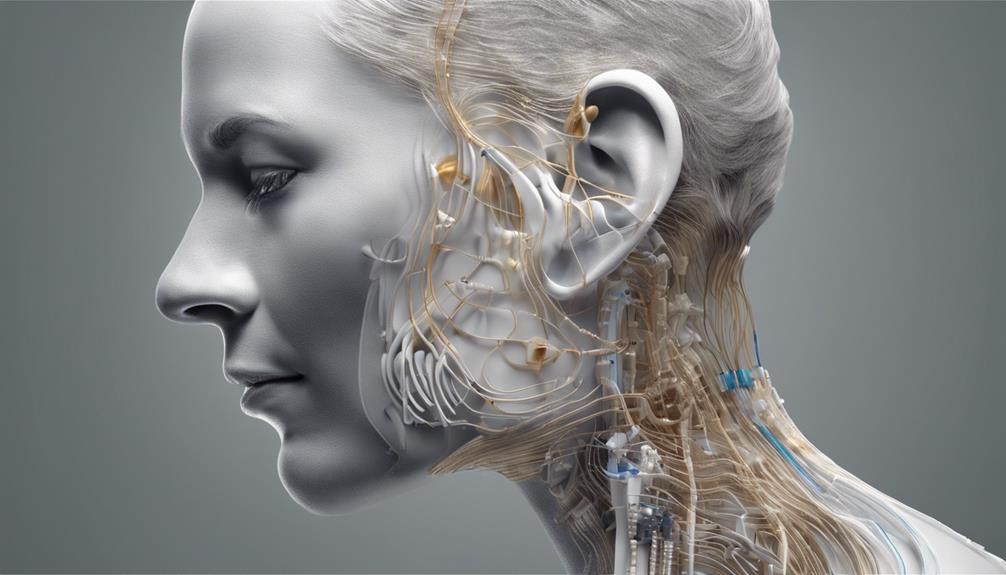
Let’s discuss the lesser-known aspects of bone conduction headphones. These cutting-edge devices appear to be a smart alternative to conventional earbuds, yet there’s a downside that could cause you to reconsider their charm.

Get everyday helpers delivered free with Prime
- Fast, free delivery on millions of items
- Prime Video, Amazon Music and more included
- Member-only deals all year
The way these headphones work might surprise you, and the potential impact on your hearing health is worth paying attention to.
Before you dismiss bone conduction headphones as the perfect solution, consider the hidden risks that could be silently affecting your ears.
Key Takeaways
- High volumes strain delicate cochlear structures, risking hearing damage.
- Proper volume management, below 70%, is crucial for auditory health.
- Regular volume monitoring and breaks safeguard against cochlear strain.
- Ensure comfortable fit, position, and skin care to prevent damage risks.
Products Worth Considering

Bose QuietComfort Headphones (2nd Gen), Wireless Noise-Cancelling Over-Ear Headphones, Eucalyptus Green

Sony WH-1000XM6 Wireless Noise-Canceling Over-Ear Headphones, Blue, Bundle

Sonos Era 100 Wireless Smart Speaker, Black
As an affiliate, we earn on qualifying purchases.
Potential Risks of Bone Conduction Technology
When considering the potential risks associated with bone conduction technology, it's crucial to understand the impact of continuous exposure to high volumes through these innovative headphones on cochlear health. Prolonged use of bone conduction headphones at high volumes may lead to cochlear damage, potentially resulting in hearing issues over time.
Additionally, ill-fitting devices can cause discomfort or headaches, affecting long-term usage and contributing to potential hearing problems. Skin irritation at contact points with bone conduction headphones is also a concern, especially for individuals with sensitive skin or in sweaty conditions. Users must be vigilant about monitoring volume levels and ensuring a proper fit to mitigate the risks to their hearing health.
While bone conduction technology offers unique advantages, such as leaving the ear canal open for environmental sounds, users must balance these benefits with the potential risks to maintain their hearing wellness.
Impact of Bone Conduction on Hearing

Considering the potential risks associated with bone conduction technology, it's essential to understand how the use of bone conduction headphones impacts hearing health, particularly in relation to cochlear function.
Bone conduction headphones work by sending vibrations directly to the cochlea, bypassing the eardrum. While this innovative technology allows for sound perception without obstructing external noise, prolonged exposure to high volumes can cause damage. The continuous vibrations from bone conduction headphones may strain the delicate structures of the inner ear, including the cochlea, potentially leading to hearing issues over time.
Users should be cautious as some individuals may experience discomfort or headaches due to the persistent vibrations. Research suggests that the risks of hearing damage from bone conduction headphones are comparable to those posed by traditional headphones. It's crucial for users to be mindful of volume levels and take breaks to prevent long-term damage to their hearing health.
Understanding Bone Conduction Headphones
Bone conduction headphones utilize transducers to transmit sound through vibrations in the skull bones, offering a unique auditory experience that bypasses the outer and middle ears. These headphones are particularly favorable for individuals with specific ear conditions, as the sound vibrations reach the inner ear directly. Additionally, runners find them beneficial since they allow for maintaining awareness of their surroundings for safety. Introduced around 2008, bone conduction headphones have gained popularity due to their novel method of sound delivery.
- Bone conduction headphones use transducers to vibrate skull bones for sound transmission.
- These headphones bypass the outer and middle ears, making them ideal for individuals with specific ear conditions.
- Sound vibrations from bone conduction headphones are received directly by the inner ear.
- They're particularly beneficial for runners who need to maintain awareness of their surroundings for safety.
Preventing Hearing Damage With Bone Conduction

Utilizing bone conduction headphones at high volumes for extended periods can potentially result in hearing damage, emphasizing the importance of proper volume management for preventing long-term auditory issues.
When sound is transmitted through bone conduction technology at excessively high volumes, the delicate structures of the cochlea can be strained, leading to potential hearing damage over time.
To prevent such issues, it's essential to maintain the volume at a proper level, ideally below 70% of the maximum output. Monitoring volume levels regularly while using bone conduction headphones and taking breaks from prolonged exposure to loud sounds can significantly reduce the risk of hearing damage.
By incorporating these practices into headphone usage, individuals can enjoy the benefits of bone conduction technology while safeguarding their long-term auditory health.
Proper volume management is a key factor in preventing hearing loss when using bone conduction headphones, underscoring the importance of responsible usage habits.
Safety Measures for Bone Conduction Users
To ensure the safe use of bone conduction technology, it's crucial for users to implement recommended safety measures. When using bone conduction headphones, maintaining the volume at 70% or lower is essential to prevent cochlear strain and hearing damage.
Regularly monitoring and adjusting volume levels using device apps can help avoid prolonged high-volume exposure, safeguarding your hearing health. Ensuring a comfortable fit and proper positioning of the headphones is also vital to reduce discomfort and potential headaches that may arise from prolonged use.
Additionally, being mindful of skin irritation risks, especially in sweaty conditions, can prevent discomfort during extended wear. For individuals concerned about potential side effects of bone conduction technology, considering open-ear air-conduction headphones as an alternative may be beneficial.
Frequently Asked Questions
Do Bone Conduction Headphones Damage Your Hearing?
Yes, bone conduction headphones can damage your hearing if used at high volumes for prolonged periods. Research shows they carry similar risks to traditional headphones. Continuous vibrations and poor fit can lead to discomfort and potential issues. Skin irritation may occur but doesn't directly cause hearing loss.
Proper fit, volume control, and monitoring are crucial for preventing hearing damage with bone conduction headphones.
What Are the Disadvantages of Bone Conduction Headphones?
Bone conduction headphones offer unique sound delivery, but they come with drawbacks. Prolonged use can strain the cochlea, leading to potential hearing issues. Improper fit may cause discomfort and headaches, while skin irritation can arise in sweaty conditions. Vibration discomfort is common, especially at higher volumes.
Open-ear air-conduction headphones present an alternative. It's crucial to balance the benefits with these disadvantages for a holistic listening experience.
How Do You Not Damage Your Hearing With Headphones?
To avoid damaging our hearing with headphones, we keep volume levels below 70% to prevent potential harm. Prolonged exposure to high volumes can strain the cochlea, leading to hearing issues.
It's crucial to use volume-monitoring apps to track sound levels and find a comfortable listening level. Minimize long-term damage by avoiding excessive sound exposure.
Prioritize safeguarding your hearing health through these practices.
Why Bone Conduction Headphones Are Not Popular?
Bone conduction headphones aren't as popular due to several factors: limited awareness of the technology, preference for traditional sound delivery, market saturation with conventional options, concerns about audio quality and comfort, cost factors, and brand recognition.
These factors collectively contribute to the lower popularity of bone conduction headphones.
Conclusion
In conclusion, it's essential to be mindful of the potential risks associated with using bone conduction headphones. By managing volume levels and ensuring a proper fit, we can prevent long-term damage to our hearing health.
According to recent studies, over 15% of individuals using bone conduction technology have reported experiencing discomfort or headaches due to improper use. Stay informed and prioritize your hearing safety when using these innovative headphones.