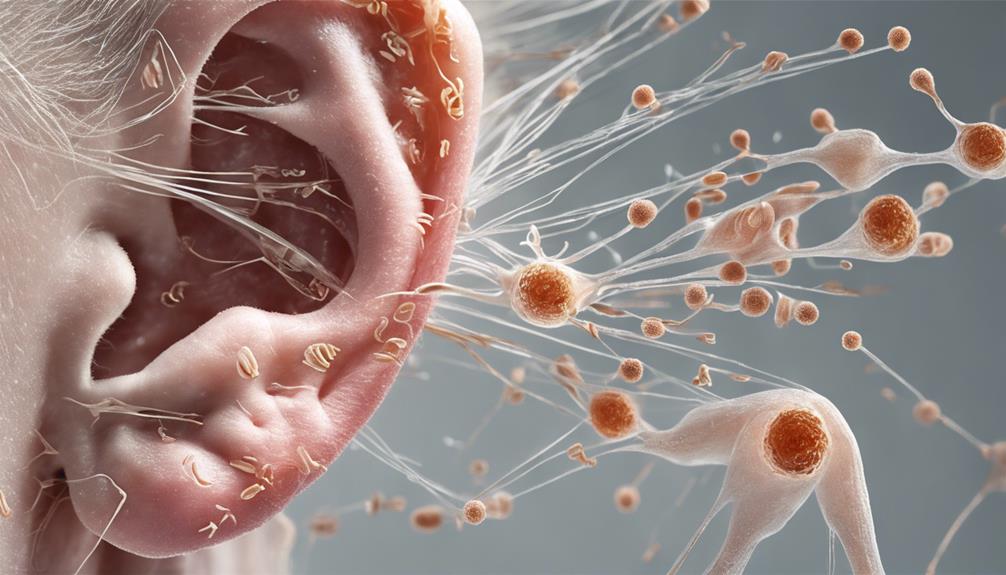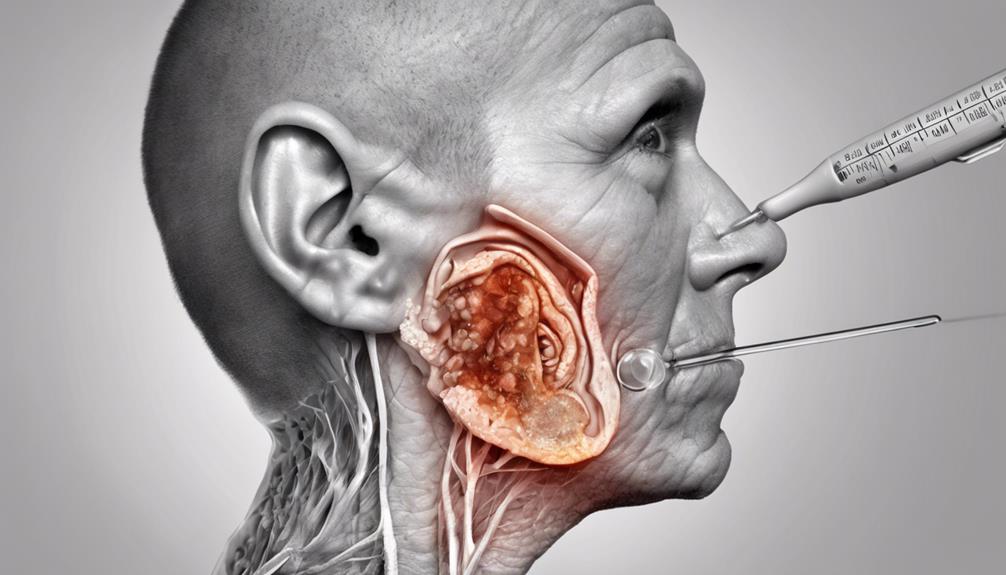

Imagine a world where sounds fade into soft whispers, and the rhythm of life becomes a distant memory. The silent threat of permanent hearing loss looms, triggered by something as common as the flu.

Get everyday helpers delivered free with Prime
- Fast, free delivery on millions of items
- Prime Video, Amazon Music and more included
- Member-only deals all year
How does this seemingly transient illness have the power to alter our auditory world forever?
Join us as we unravel the intricate connection between the flu and lasting hearing impairment, shedding light on crucial insights and strategies that could safeguard one of our most precious senses.
Key Takeaways
- Flu-related hearing damage results from nerve damage due to fluid buildup in the ear.
- Inflammation and fluid accumulation in the ear can lead to irreversible nerve damage.
- Immediate consultation with an audiologist is crucial to prevent permanent hearing impairment.
- Understanding the mechanism of flu-induced hearing loss is essential for timely treatment and prevention.
As an affiliate, we earn on qualifying purchases.
Understanding the Flu-Related Hearing Damage
Understanding how the flu can potentially cause permanent hearing loss is crucial for recognizing and addressing this rare but serious complication. While permanent hearing loss from the flu is uncommon, it can result from nerve damage due to fluid buildup in the ear. The flu can trigger inflammation and fluid accumulation in the delicate structures of the ear, leading to nerve damage that affects hearing. This nerve damage can be irreversible if not promptly addressed by a healthcare professional.
The nerves responsible for transmitting sound signals from the ear to the brain can be permanently damaged by severe flu infections. This damage can result in long-term hearing impairment if left untreated. Seeking immediate consultation with an audiologist is imperative if experiencing persistent hearing issues following a bout of the flu. Audiologists specialize in assessing and treating hearing disorders, including those caused by infections like the flu. Early intervention can play a crucial role in preventing permanent hearing loss associated with flu-related complications.
Mechanism of Flu-Induced Hearing Loss
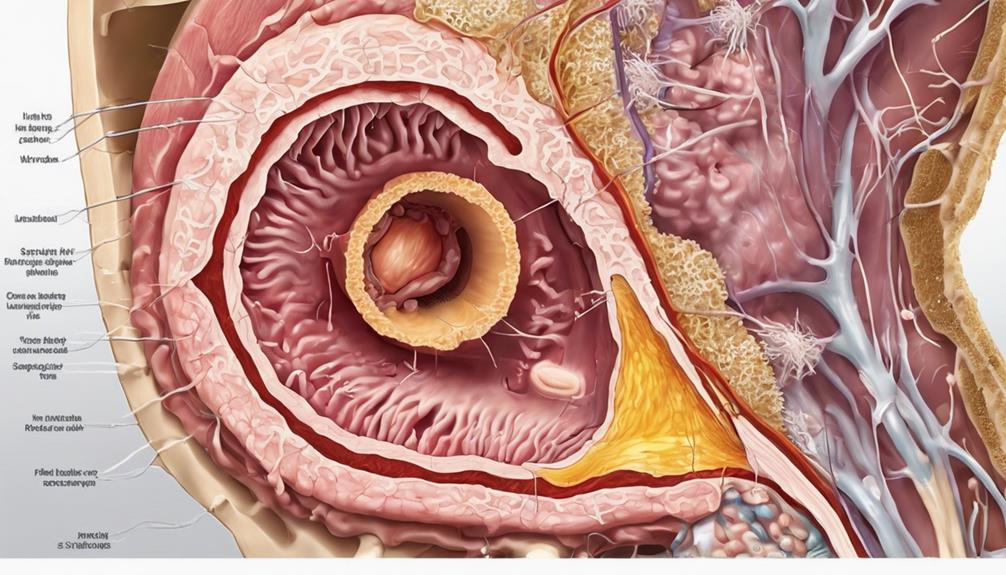
After examining the potential risks of flu-induced hearing loss, it becomes crucial to explore the specific mechanisms through which the influenza virus can lead to permanent damage to auditory function. Understanding the intricate processes involved can aid in the prevention of long-term complications.
- Middle Ear and Eustachian Tube: The flu can cause inflammation in the middle ear and affect the Eustachian tube, leading to pressure buildup that impacts sound wave conduction.
- Temporary Hearing Loss: During a flu infection, temporary hearing loss may occur due to fluid accumulation in the middle ear, disrupting sound transmission.
- Nerve Damage: In rare cases, the influenza virus can directly damage the auditory nerves, resulting in irreversible hearing loss.
- Permanent Hearing Loss: Flu-related complications, such as severe infections or inflammation, can lead to permanent damage to the auditory system, causing lasting hearing impairment.
Symptoms of Permanent Hearing Impairment
Permanent hearing impairment resulting from the flu can manifest through various symptoms that impact an individual's auditory function. Flu-induced hearing loss can lead to difficulty understanding speech, ringing in the ears (tinnitus), and reduced sound clarity.
Nerve damage resulting from the flu can cause long-lasting changes in hearing sensitivity, potentially resulting in permanent damage. Individuals experiencing permanent hearing loss may struggle with communication abilities, finding it challenging to engage in social interactions. The consequences can be profound, affecting one's quality of life significantly.
Seeking immediate medical attention for flu-related hearing issues is crucial to address symptoms promptly and prevent or minimize permanent hearing impairment. Recognizing these signs early on can make a substantial difference in preserving hearing function and overall well-being. It's essential to prioritize regular check-ups and address any concerns regarding hearing sensitivity promptly.
Prevention Strategies for Flu-Related Hearing Loss

To safeguard against flu-related hearing loss, adopting preventive measures is crucial in preserving auditory health and overall well-being. When considering ways to prevent flu-induced hearing issues, focusing on strategies that target the middle ear and Eustachian tube function is key. Here are some essential prevention strategies:
- Annual Flu Vaccination: Regular flu shots significantly reduce the risk of flu-related hearing loss by preventing flu infection.
- Boost Immune System: Maintaining a diet rich in Vitamin C and other immune-boosting nutrients can help fortify your body against the flu virus.
- Manage Ear Pressure: Prompt use of decongestants during flu can prevent temporary hearing loss by reducing mucus buildup and relieving Eustachian tube pressure.
- Avoid Loud Environments: Exposing yourself to loud sounds during a flu infection can exacerbate any existing hearing issues, so protect your ears from excessive noise.
Seeking Treatment for Flu-Induced Hearing Damage
Seek medical attention promptly if you notice any lingering hearing issues following a bout of the flu. Flu-induced hearing damage can lead to permanent hearing loss if not addressed timely.
The flu, in some cases, can cause fluid buildup in the Eustachian tubes, potentially resulting in nerve damage and subsequent hearing issues. It's crucial to seek an audiologist consultation for proper evaluation and hearing care.
In instances where nerve damage has occurred, early intervention with an antiviral prescription can be vital in preventing permanent hearing loss. Timely intervention, ideally within two days of experiencing sudden hearing loss, may even help reverse the condition.
Understanding the risks associated with permanent hearing damage from the flu emphasizes the importance of seeking immediate medical treatment for any flu-related hearing issues. By acting promptly and seeking appropriate medical care, individuals can better safeguard their hearing health and potentially prevent long-term consequences.
Frequently Asked Questions
Can the Flu Cause Permanent Hearing Loss?
Yes, the flu can cause permanent hearing loss. In rare cases, nerve damage from fluid buildup in the ear due to the flu can lead to irreversible hearing impairment.
Seeking immediate medical attention within 2 days of sudden hearing loss is crucial as it may help potentially reverse permanent damage. Permanent hearing loss from the flu, although uncommon, underscores the need for prompt medical intervention to address this serious medical emergency.
How Can I Get My Hearing Back After the Flu?
We've learned that seeking prompt medical help is crucial for potential recovery after flu-related hearing loss. Addressing hearing loss early can prevent permanent damage caused by fluid buildup.
Acting quickly within the first 48 hours may even reverse some flu-induced effects. While permanent hearing loss from the flu is rare, it can still be a serious emergency needing immediate attention.
Recognizing symptoms promptly and seeking proper medical care is key to regaining your hearing post-flu.
Can a Virus Cause Permanent Hearing Loss?
Yes, a virus can cause permanent hearing loss. Certain viruses, like the flu, can damage the inner ear structures or impact the auditory nerves, leading to long-term hearing issues.
It's essential to seek immediate medical attention if experiencing flu-related symptoms affecting hearing to prevent irreversible damage. Understanding the risks of virus-induced hearing loss can prompt timely intervention for better outcomes.
Can Flu Cause Permanent Lung Damage?
Yes, the flu can cause permanent lung damage. In severe cases, the flu can progress to pneumonia, leading to scarring of lung tissue and lasting respiratory issues.
The virus triggers inflammation in the lungs, potentially causing irreversible harm. Proper medical care is crucial to prevent and address any long-term damage.
Understanding the flu's impact on lung health is essential for maintaining respiratory function and overall well-being.
Conclusion
In conclusion, flu-related hearing loss can have lasting effects on our ability to hear clearly. Just like a delicate symphony disrupted by a loud noise, our ears need gentle care and attention to prevent permanent damage.
By understanding the risks and seeking prompt treatment, we can protect our precious sense of hearing and continue enjoying life's beautiful melodies without interruption.
Stay vigilant, and listen to the whispers of caution from your ears.
Halloween Picks
halloween
As an affiliate, we earn on qualifying purchases.