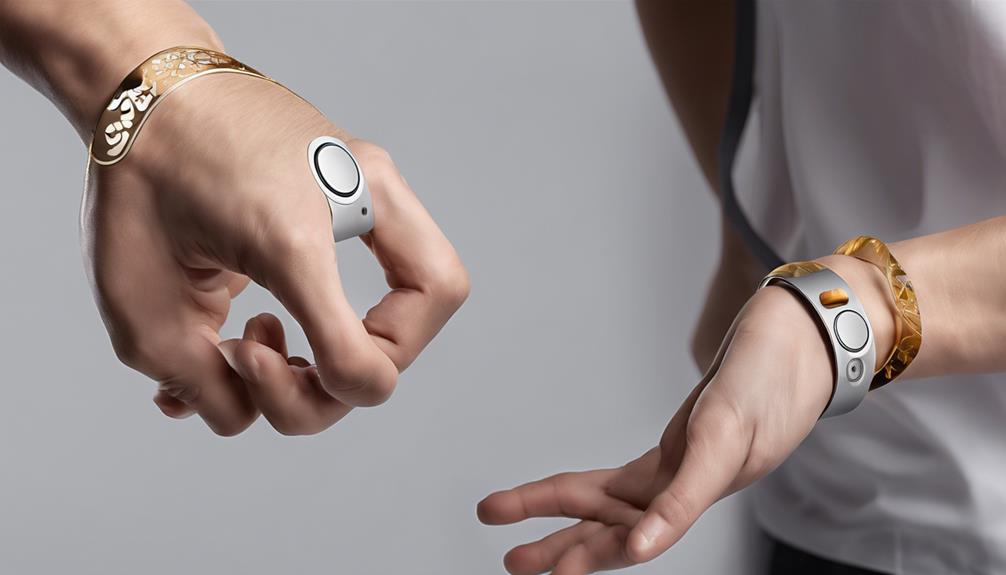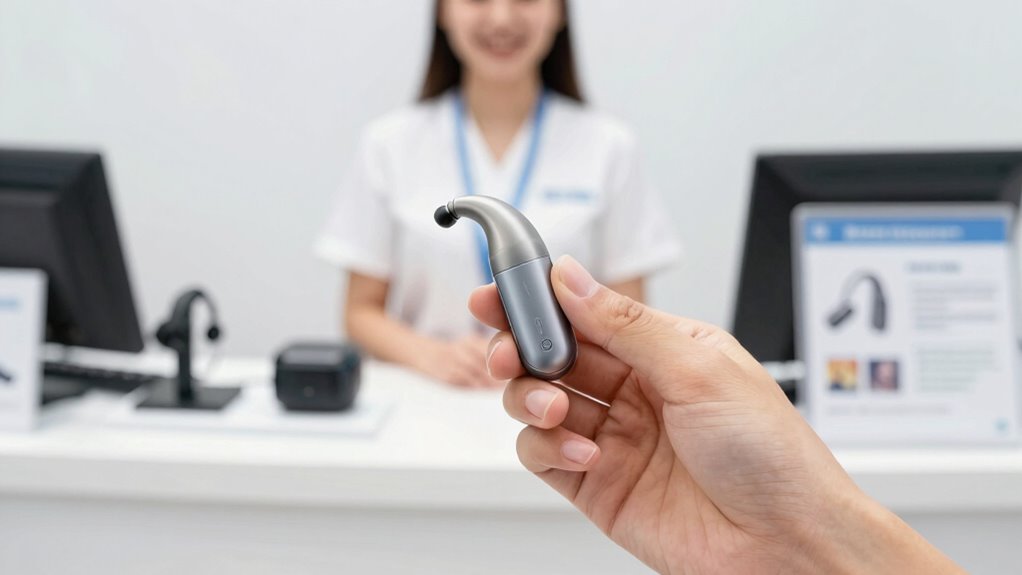
Before using a public assistive listening system, ask whether it connects via Bluetooth, FM, or infrared signals, and if it works with hearing aids supporting telecoils or T-coil coupling. Check for adjustable controls, visual indicators, and accessibility features for visual or motor impairments. Confirm how the system is set up, if staff is available for support, and any policies about bringing personal devices. Knowing these details helps guarantee a smooth experience—keep exploring to learn more.

Get everyday helpers delivered free with Prime
- Fast, free delivery on millions of items
- Prime Video, Amazon Music and more included
- Member-only deals all year
Key Takeaways
- Confirm device compatibility, including connection methods and hearing aid features like telecoils or Bluetooth support.
- Ask about accessibility features such as adjustable volume, visual indicators, and ease of operation for impairments.
- Inquire about the system’s coverage area, microphone placement, and available staff assistance.
- Check if training, signage, and technical support are provided for independent and effective use.
- Clarify venue policies on personal device use, user limits, and any restrictions affecting system access.
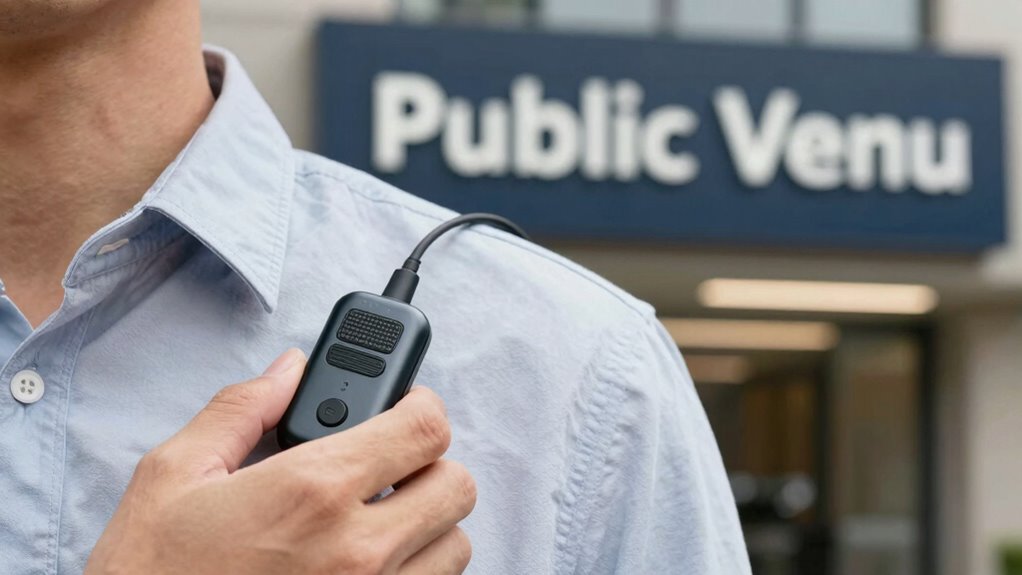
Are you considering using a public assistive listening system but unsure what questions to ask first? It’s wise to be prepared so you can verify the system meets your needs and functions smoothly in the environment. One of the first things to inquire about is device compatibility. Different assistive listening devices connect in various ways, such as via Bluetooth, FM, or infrared signals. Knowing whether the system is compatible with your hearing aids or personal devices is crucial. If you wear hearing aids, check if they’re equipped with telecoils, and ask if the system supports T-coil coupling. If you prefer using your smartphone or personal listening devices, confirm whether the system supports Bluetooth connections or has an auxiliary input. This way, you won’t face surprises when trying to connect or experience delayed or poor audio quality.
Next, focus on accessibility features. Not all public assistive listening systems are created equal in regard to ease of use or additional features. Ask if the system includes features like adjustable volume controls, tone or pitch adjustments, or visual indicators to help you identify when it’s active. Accessibility features should be tailored to different needs, so find out if there are options for users with visual or motor impairments. For example, some systems have visual signals to indicate when they’re turned on or off, which can be a real help. Also, inquire about the ease of operation—can you activate and adjust the system quickly without complex steps? The goal is to ensure the system is user-friendly and accessible, avoiding frustration or missed communication. Additionally, understanding the system’s compatibility with various hearing devices can help you determine how seamlessly it will integrate with your existing equipment. It’s also helpful to ask about training or instructions available to users, ensuring you can operate the system confidently from the start. Furthermore, knowing if the venue provides clear signage or guidance about using the system can enhance your overall experience. Moreover, asking about the availability of technical support**** can provide peace of mind should any issues arise during use.
Another important consideration is the location and setup of the system. Ask whether the assistive listening system is installed in a way that covers the entire venue or just specific areas. You want to know if the system’s microphones and speakers are positioned for maximum sound clarity and reach. Additionally, find out if staff or venue personnel are available to assist if you encounter technical issues or need help connecting your device. This support can make a big difference in your experience, especially if you’re unfamiliar with the technology.
Finally, clarify any policies or restrictions related to the system’s use. Some venues might have rules about bringing your own devices or might limit the number of users simultaneously. Knowing these details upfront helps you plan accordingly. By asking about device compatibility, accessibility features, setup, and policies, you can confidently navigate using a public assistive listening system and enjoy clearer communication in any public setting.
Bluetooth assistive listening device
As an affiliate, we earn on qualifying purchases.
As an affiliate, we earn on qualifying purchases.
Frequently Asked Questions
Are Public Assistive Listening Systems Covered by Insurance?
Public assistive listening systems are typically not covered by insurance, but coverage varies depending on your plan. You should check your insurance policy for details on coverage for hearing devices or related equipment. Keep in mind that device compatibility is important, so verify whether your hearing aids or personal devices work with the system. Contact your provider to understand your options and explore possible discounts or assistance programs.
How Often Should I Have My Assistive Device Maintained?
Your assistive device is like your trusty sidekick, so it deserves regular TLC! Usually, you should have it maintained at least once a year, but if you notice issues or device compatibility problems, don’t wait—schedule maintenance sooner. Following a consistent maintenance schedule keeps your system working flawlessly, ensuring clear sound and comfort. Regular check-ups prevent surprises and extend your device’s lifespan, making every conversation crystal clear.
Can I Use a Personal Hearing Aid With the System?
Yes, you can usually use a personal hearing aid with a public assistive listening system, but check for personal compatibility first. Many systems support device integration with hearing aids that have telecoil or Bluetooth features. Make sure your hearing aid is compatible and that the system’s connections match your device’s specifications. Testing the setup beforehand helps confirm seamless communication, so ask about compatibility options when you inquire about the system.
What Should I Do if the System Isn’t Working Properly?
If the system isn’t working properly, don’t panic—you’re not alone. Start troubleshooting by checking the batteries and ensuring your hearing aid is compatible with the system. Try adjusting the volume or reconnecting the device. If that fails, consult the troubleshooting tips provided or ask staff for assistance. Sometimes, a simple reset or verifying system compatibility can make all the difference, restoring clear sound and peace of mind.
Are There Any Costs Associated With Using the System?
Most public assistive listening systems are free or included as part of the venue’s accessibility features, so you usually won’t pay extra. However, it’s good to ask if there are any costs upfront, especially if you need specialized equipment. Ensuring the system enhances user comfort and accessibility features helps you enjoy the experience without worry. Always confirm these details beforehand to avoid surprises and make the most of the system.
Conclusion
Before jumping into using a public assistive listening system, ask yourself if it’s truly suited for your needs. Think of it as a key to gain access to clearer conversations — but only if it fits perfectly. By inquiring about compatibility, maintenance, and accessibility, you’re not just asking questions; you’re opening the door to a world where every word is heard and understood. Don’t let uncertainty whisper away your chance for better communication — ask, and listen carefully.
Fall Picks
fall essentials
As an affiliate, we earn on qualifying purchases.