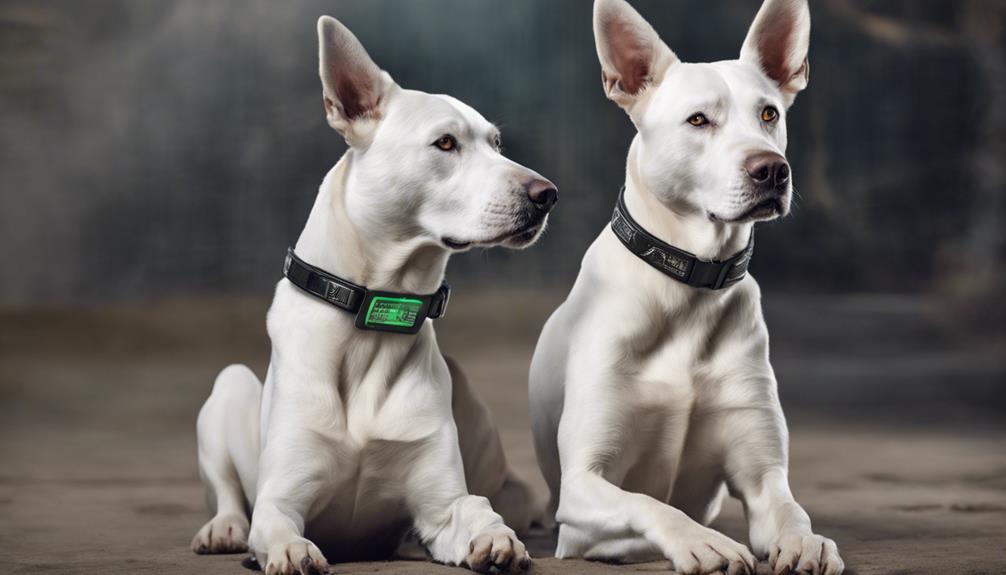

When training your deaf dog with a vibrating collar, consider it a tool for opening a door to better communication and bonding with your four-legged friend.
As we navigate through the intricacies of this training process, we'll uncover the nuances of communication that go beyond mere words or sounds.
This guide offers a roadmap to create a harmonious relationship with your deaf dog, but it also holds secrets to enhancing your bond in ways you might not expect.
Let's explore the silent yet powerful language of vibrations and gestures that can bridge the gap between you and your beloved pet.
Key Takeaways
- Use vibrating collars to communicate effectively with your deaf dog through tactile feedback.
- Select the right collar size and adjust vibration intensity for positive reinforcement and safety.
- Implement consistent hand signals alongside vibrating collars for clear commands and reinforcement.
- Strengthen the bond with your deaf dog by incorporating vibrating collars in training for trust and connection.

2-Wired video intercom system,Video Doorbell Camera with Monitor, 1080P 7-inch Touch Screen, video door phone,Night Vision, 130° Wide Angle, Tuya App Remote Unlock, Waterproof, No Monthly Fees
Smart Wired Security & Entry System: This complete home security solution is a smart, wired video doorbell and...
As an affiliate, we earn on qualifying purchases.
Understanding Deaf Dog Behavior
Deaf dogs communicate primarily through visual cues and body language, relying on these signals for effective interaction and understanding. Unlike hearing dogs, they're unable to rely on auditory cues, making vibrations and tactile stimuli essential for their awareness. Deaf dogs may startle easily due to their inability to hear approaching people or sounds, leading them to be more attentive to their surroundings.
Understanding their behavior is crucial for successful training. Deaf dogs may exhibit more vocal behaviors, such as barking, to compensate for their lack of hearing. Positive reinforcement is key when training deaf dogs, as it helps establish a strong bond and clear communication between the owner and the dog. By using visual cues and vibrations in training sessions, deaf dogs can learn commands and behaviors effectively.
Patience, consistency, and a deep understanding of a deaf dog's needs are vital for their well-being and successful training.

Ring Battery Doorbell (newest model), Home or business security with Head-to-Toe video, Live View with Two-Way Talk, and Motion Detection & Alerts, Venetian Bronze
See more at your home or business — Get 66% more vertical coverage with the latest version of...
As an affiliate, we earn on qualifying purchases.
Benefits of Vibrating Collars

Utilizing vibrating collars in training provides valuable tactile feedback for enhancing communication and teaching essential commands to deaf dogs. These collars play a crucial role in bridging the gap caused by the lack of auditory cues in traditional training methods.
By delivering gentle vibrations, vibrating collars offer deaf dogs a way to receive commands and signals effectively. They aid in reinforcing positive behaviors through immediate feedback, making the learning process more efficient and rewarding.
Furthermore, vibrating collars help alert deaf dogs to potential dangers and provide a means of communication in various situations. By incorporating visual cues with the tactile feedback from the collar, owners can strengthen their bond with their deaf dogs and create a deeper level of understanding.
Experts in dog training endorse vibrating collars as valuable tools for positively reinforcing desired behaviors and improving communication between owners and their deaf canine companions.

WarmBot 1080p Smart Video Doorbell Camera with AI Motion Detection, Night Vision, Cloud Storage, 2 Way Audio, Battery Powered, 2.4GHz Wi-Fi Only
Private and Secure Cloud Recording – Video footage is stored securely with bank-level AES 128-bit encryption, accessible through...
As an affiliate, we earn on qualifying purchases.
Setting Up the Vibrating Collar
When setting up the vibrating collar for your deaf dog, it's crucial to select the right collar size to ensure a snug yet comfortable fit.
Adjusting the vibration intensity is also vital to find the appropriate level for your dog's training needs.
Collar Size Selection
Selecting the appropriate collar size is crucial for ensuring both comfort and effectiveness when setting up the vibrating collar for your deaf dog. To achieve this, accurately measure your dog's neck circumference to determine the proper fit.
Avoid collars that are too tight, which can cause discomfort, or too loose, which may lead to inefficiency during training. Refer to the manufacturer's sizing recommendations based on your dog's breed and weight to make an informed decision.
A well-fitted collar isn't only essential for safe training but also plays a significant role in the success of your training sessions with your deaf dog. Prioritizing comfort and fit will help create a positive experience for both you and your furry companion.
Adjusting Vibration Intensity
To ensure effective communication and optimal training outcomes, adjusting the vibration intensity of the collar tailored to your deaf dog's sensitivity and response is key. When setting up the vibrating collar, follow these steps for the best results:
- Adjust the vibration intensity based on your dog's sensitivity and response to the collar.
- Gradually increase the vibration level to find the optimal setting for effective communication.
- Start with the lowest vibration setting and observe your dog's reaction before making adjustments.
- Modern vibrating collars offer adjustable settings to cater to different dogs' needs.
- Ensure the vibration intensity is strong enough to get your deaf dog's attention but not overwhelming.

BOTSLAB 5MP Wireless Video Doorbell Camera,180° Head-to-Toe View, AI Motion Detection, VR Mode, Battery or Wired Powered, Easy Installation, Weatherproof, No Monthly Fee, 2.4GHz WiFi
50% Increase in Field of View Breadth: Upgraded panoramic lens, 180° golden wide-angle panoramic view, from head to...
As an affiliate, we earn on qualifying purchases.
Getting Your Dog Acquainted
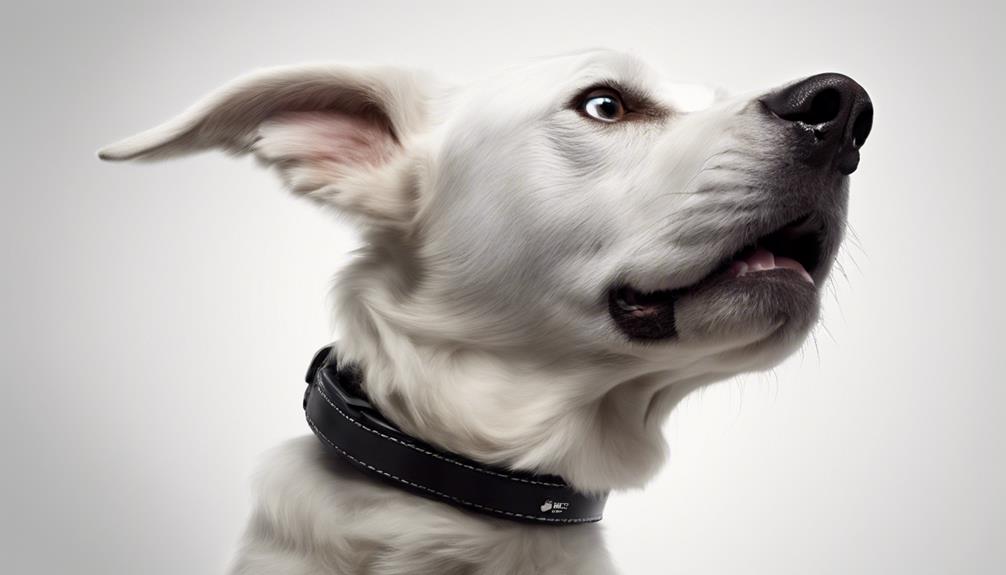
In preparing your deaf dog to become familiar with the vibrating collar, create a calm and positive environment for the introduction. Allow your dog to sniff and investigate the collar to help them get comfortable with it.
Use treats and positive reinforcement to establish a positive association with the collar. It's important to start with short sessions of wearing the collar, gradually increasing the time to acclimate your dog to it.
Make sure the collar is properly fitted and comfortable for your dog's neck size to prevent any discomfort or irritation. By introducing the collar in a gentle and encouraging manner, you can help your dog feel at ease and receptive to the training process.
Introduction to Vibration Training

When it comes to introducing vibration training to your deaf dog, understanding the benefits and training techniques is essential.
Vibration collars offer a gentle way to communicate with your dog without relying on sound cues.
Learning about these benefits and techniques will set the groundwork for effective communication and positive training experiences with your deaf companion.
Vibration Collar Benefits
Using vibration collars for training deaf dogs is a highly effective method that enhances communication and strengthens the bond between you and your furry companion. Vibration collars provide tactile cues that help deaf dogs understand commands and potential dangers. They play a crucial role in alerting dogs to various situations, promoting safety and responsiveness.
The customized intensity levels offered by these collars allow for personalized training based on individual needs, ensuring a positive and tailored approach. By utilizing vibration collars, owners can establish clear communication pathways with their deaf dogs, fostering trust and understanding in their relationship.
Experts widely endorse these collars as valuable training aids for deaf dogs due to their effectiveness in enhancing training outcomes.
Training Techniques Overview
To further enhance communication and strengthen the bond with your deaf dog, understanding the introduction to vibration training is essential.
When utilizing vibrating collars for training techniques, it's crucial to focus on positive reinforcement and clear communication.
By associating the vibration with a visual cue, deaf dogs can effectively learn basic commands and behaviors.
These collars serve as valuable tools to capture your deaf dog's attention during training sessions, making the learning process more efficient.
The adaptability of vibrating collars makes them ideal for various scenarios with deaf or older dogs, providing a reliable method for enhancing training outcomes and deepening the connection between you and your furry companion.
Teaching Basic Commands
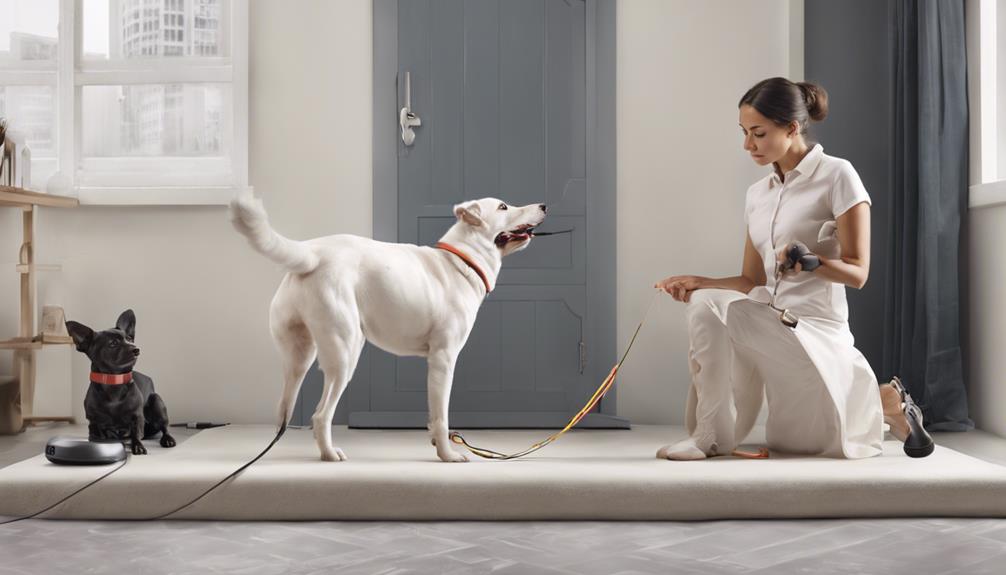
Implement consistent hand signals alongside the vibrating collar to effectively teach basic commands to your deaf dog. Visual cues are essential for clear communication, especially when working with a deaf pet. Here are five key steps to successfully teach basic commands to your deaf dog:
- Start with Simple Commands: Begin with fundamental commands like sit, stay, and come. These are easy to understand and help establish a strong training foundation.
- Use Clear Hand Signals: Pair each command with a distinct hand signal. This visual cue helps your dog understand what you're asking for.
- Reinforce with Positive Feedback: Utilize positive reinforcement techniques such as treats and praise. This encourages your deaf dog to follow commands willingly.
- Practice Patience and Consistency: Training a deaf dog may take more time, so be patient and consistent in your approach. Repetition is key to learning.
- Celebrate Small Wins: Acknowledge and reward even the smallest successes. This boosts your dog's confidence and motivates them to continue learning.
Reinforcing Positive Behavior
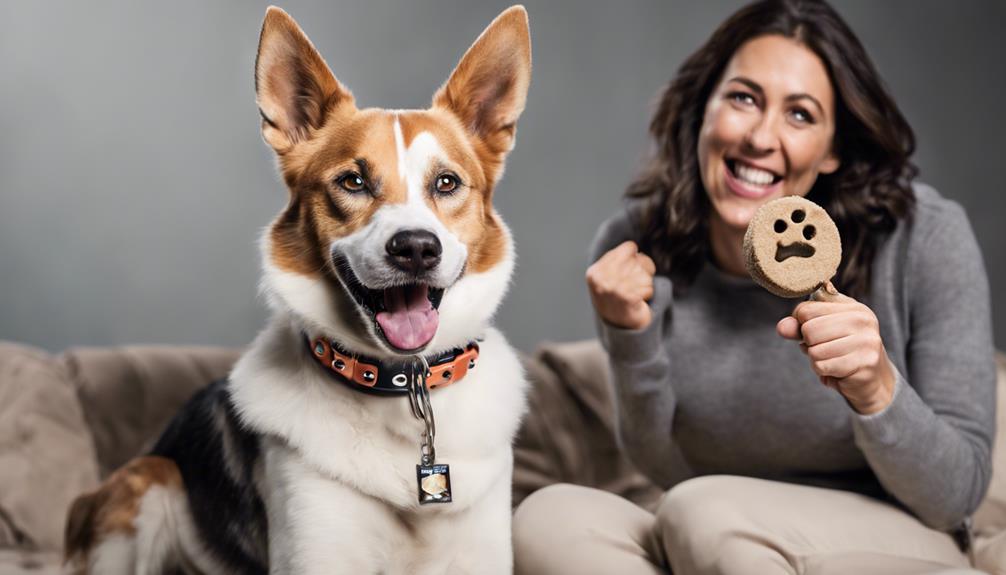
To effectively reinforce positive behavior in deaf dogs, consistency in rewarding desired actions is crucial for building a strong connection and encouraging continued learning. Positive reinforcement, such as using treats or toys, plays a significant role in shaping the behavior of deaf dogs. By rewarding good behavior consistently, we create positive associations and motivate our dogs to repeat those actions. This method helps in establishing trust and strengthening the bond between owner and dog.
| Rewarding Good Behavior | Description |
|---|---|
| Use treats or toys | Reward desired actions |
| Be consistent | Reinforce positive behavior |
| Encourage learning | Motivate deaf dogs to train |
| Build trust | Strengthen the bond |
| Shape behavior | Form positive associations |
Training a deaf dog using a vibrating collar alongside positive reinforcement techniques can be highly effective in teaching new behaviors and fostering a harmonious relationship based on trust and communication. By consistently rewarding positive behavior, we guide our deaf dogs towards desired actions and create a rewarding learning experience for both the pet and the owner.
Troubleshooting Common Issues

If your collar isn't vibrating as expected, your dog is fearful of the vibrations, or there's an inconsistent response to the vibrations, don't worry, we've got you covered.
These common issues can be frustrating, but with patience and the right approach, they can be addressed effectively.
Let's explore some practical solutions to help you and your deaf dog succeed in training with the vibrating collar.
Collar Not Vibrating
Let's troubleshoot common issues if your vibrating collar isn't functioning properly. Here are some steps to consider:
- Check if the collar has sufficient battery power and is turned on.
- Ensure the collar is correctly paired with the remote control.
- Confirm that the vibration settings are adjusted properly on the collar.
- Verify that the contact points on the collar are clean and in contact with the dog's skin.
- If the issue persists, contact customer support or refer to the user manual for troubleshooting guidance.
Dog Fearful of Vibration
When addressing a dog's fear of vibrations, it's crucial to approach the situation with patience and understanding. Gradual desensitization is key; start with low intensity vibrations and increase slowly as your deaf dog becomes more comfortable.
Use positive reinforcement by pairing the vibration with enjoyable experiences like treats or play to create a positive association. Keep training sessions short and positive to prevent overwhelming your pet.
If your dog remains fearful of the vibration, don't hesitate to consult a professional trainer for guidance. They can provide tailored strategies to help your dog overcome its fear and make progress with the training collar.
Inconsistent Response to Vibration
Addressing an inconsistent response to vibration in your deaf dog's training involves carefully assessing factors such as collar fit, vibration intensity, associations with the stimulus, environmental distractions, and seeking guidance from a professional trainer for tailored solutions.
- Check collar fit: Ensure proper contact and vibration delivery.
- Assess vibration intensity: Make sure it's noticeable but not overwhelming.
- Evaluate stimulus associations: Confirm the dog doesn't link vibration with negative experiences.
- Consider environmental distractions: Evaluate factors that may impact the dog's response.
- Consult professional trainer: Seek personalized guidance for training methods with deaf dogs.
Consistency is key in fostering positive experiences when working with deaf dogs. By assessing vibration intensity and consulting a professional trainer, you can refine your training approach for optimal results.
Advanced Training Techniques

Advanced training techniques for deaf dogs encompass refining behaviors such as stay, heel, and directional cues to enhance communication and strengthen the bond between you and your furry companion. These techniques go beyond basic obedience training and can include off-leash recall using a vibrating collar, teaching more complex commands like agility skills, and working on distance commands to improve responsiveness from a distance.
Fine-tuning behaviors is crucial in advanced training as it helps your deaf dog better understand your expectations and become more reliable in various situations. By implementing these advanced training techniques, not only do you enhance your dog's skills, but you also deepen the connection and communication between you and your pet. This level of training requires patience, consistency, and a deep understanding of your deaf dog's unique needs and abilities.
With dedication and the right approach, you can take your training to the next level and enjoy a harmonious relationship with your deaf dog.
Incorporating Hand Signals
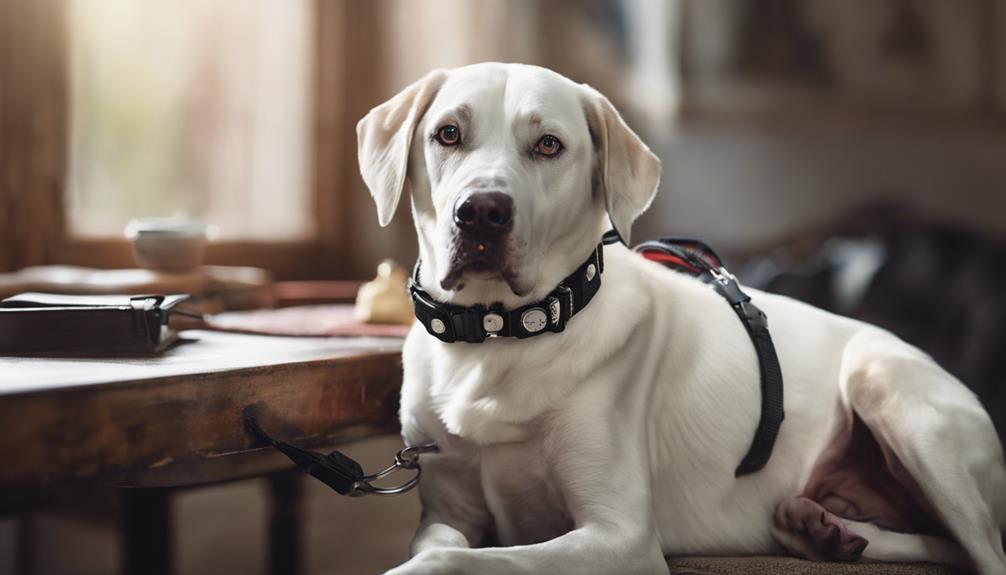
Incorporating hand signals is a fundamental aspect of training a deaf dog, enhancing communication and strengthening the bond between you and your furry companion. Using visual cues in the form of hand signals allows for clear and effective communication with your deaf dog. Here are some key points to consider when incorporating hand signals into your training routine:
- Utilize Specific Signals: Assign distinct hand signals to different commands such as 'sit' and 'down' to avoid confusion.
- Consistency is Key: Ensure that you use the same hand signals consistently to reinforce learning and understanding.
- Customize Signals: Tailor hand signals to suit your deaf dog's unique needs and abilities for optimal training results.
- Promote Engagement: Hand signals like an open-armed gesture for 'come' can encourage your deaf dog to actively participate in training sessions.
- Build a Strong Connection: By establishing a universal language through hand signals, you can deepen the bond with your deaf dog and create a harmonious training environment.
Building Trust and Connection

To strengthen the bond with your deaf dog and facilitate effective communication, building trust and connection is paramount in your training journey. Establishing trust with your deaf dog is the foundation for successful training. Positive reinforcement techniques, such as using treats or praise, can help build this trust.
Clear communication is essential in creating a strong connection with your dog. By using hand signals, body language, and consistent positive interactions, you can establish a reliable means of communication with your deaf dog. This connection based on trust will enable you to understand your dog's needs and behaviors better, leading to a harmonious and cooperative relationship.
Trust allows for successful training sessions, including the use of a vibrating collar if needed. Remember, patience, consistency, and empathy are key when building trust and connection with your deaf dog.
Consistency in Training Approach

Maintaining consistency in your training approach is essential for effectively communicating with and training your deaf dog. Consistency involves using the same hand signals and cues repeatedly to reinforce learning. Repetition of commands and signals is crucial for deaf dogs to grasp and remember the training effectively.
Establishing a regular training schedule is paramount for maintaining consistency and seeing progress in your dog's behavior. Positive reinforcement after correct responses is a powerful tool in encouraging desired behavior and building a strong connection with your deaf dog.
Clear communication through visual cues is key to successful training, especially when utilizing a vibrating collar. By staying consistent in your training methods and providing clear, positive feedback, you can create a supportive and effective learning environment for your deaf dog.
- Use the same hand signals consistently
- Repeat commands and signals for reinforcement
- Establish a regular training schedule
- Employ positive reinforcement for desired behavior
- Communicate clearly through visual cues
Celebrating Training Milestones

Let's celebrate the achievements and progress made with your deaf dog using the vibrating collar by acknowledging and rewarding each training milestone.
It's essential to recognize the positive behavior displayed by your furry companion in response to vibrations and commands.
When your deaf dog successfully follows a command or exhibits desired behavior, mark these milestones with rewards such as treats, praise, or affection.
Celebrating these small victories not only reinforces the progress made but also strengthens the bond between you and your pet.
Frequently Asked Questions
How Do You Train a Deaf Dog With a Vibrating Collar?
We introduce the vibrating collar gradually and positively to our deaf dog. Associating vibration with specific cues through treats and positive reinforcement is key.
Eye contact is crucial for clear communication. Progressing to outdoor settings with a leash helps maintain control.
The vibrating collar's attention-grabbing functionality makes it ideal for training deaf or older dogs.
How Do You Train a Dog With a Vibration Collar?
We introduce the vibrating collar gradually, associating it with positive responses using treats and reinforcement.
Consistency is key in training basic commands, ensuring clear communication and a strong bond.
Transition from indoor to outdoor training gradually, maintaining patience and consistency throughout the process.
It's essential to focus on building trust and understanding with our furry companions while using the vibrating collar for effective training sessions.
What Is the Best Training Tool for a Deaf Dog?
When training a deaf dog, the best tool is a vibrating collar. It provides effective communication and keeps your furry companion safe.
Our experience with Max, a deaf rescue pup, showed us how the vibrating collar helped him learn commands and stay aware of his surroundings.
The collar's adjustable settings and ease of use made training sessions enjoyable for both Max and us.
Do Vibration Collars Work for Dog Training?
Yes, vibration collars are effective for dog training. They provide a tactile cue that can be easily felt by the dog, making them ideal for deaf dogs or those who need a non-verbal signal.
Vibration collars work by associating the sensation with a specific behavior, helping to reinforce training commands such as sit, stay, or come. Their adjustable settings allow for tailored intensity levels, ensuring a personalized training experience for each dog.
Can I Use a Vibrating Collar to Train My Deaf Dog?
Yes, you can use a vibrating collar training for deaf dogs. Vibrating collars are a useful tool to get your dog’s attention and communicate with them during training sessions. The vibration serves as a gentle, effective way to give commands and signals to your deaf dog.
Conclusion
In conclusion, training your deaf dog with a vibrating collar can be a rewarding experience that strengthens the bond between you and your furry companion.
One example of success is Max, a deaf rescue dog who was able to learn basic commands using the vibrating collar within a few weeks.
With patience, consistency, and love, you can help your deaf dog thrive and navigate the world with confidence.