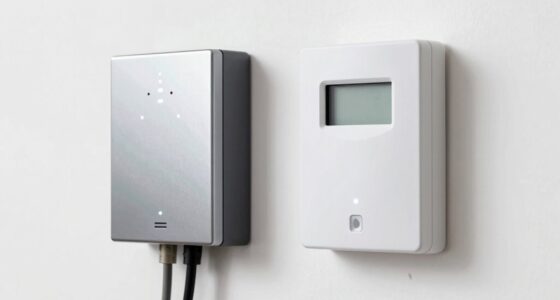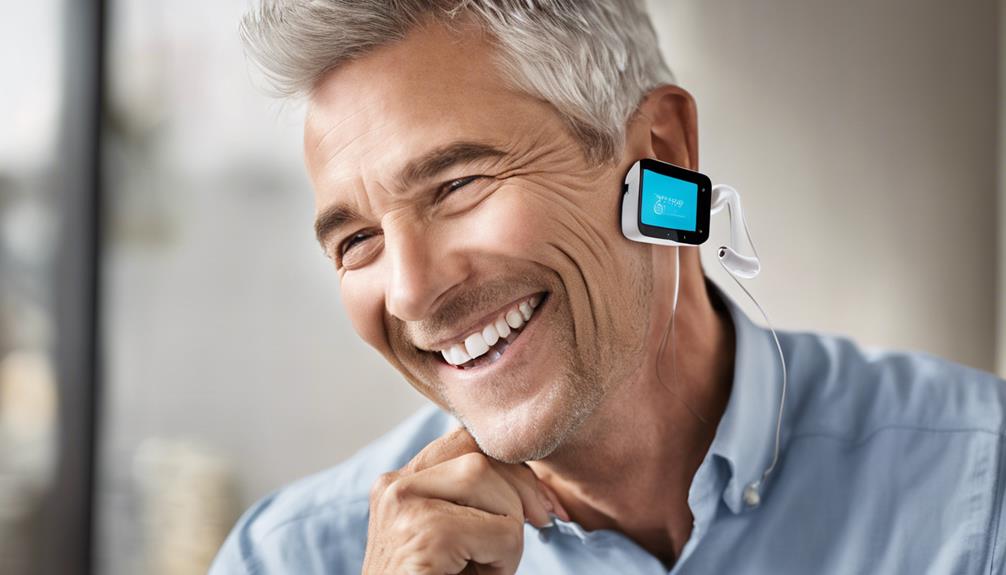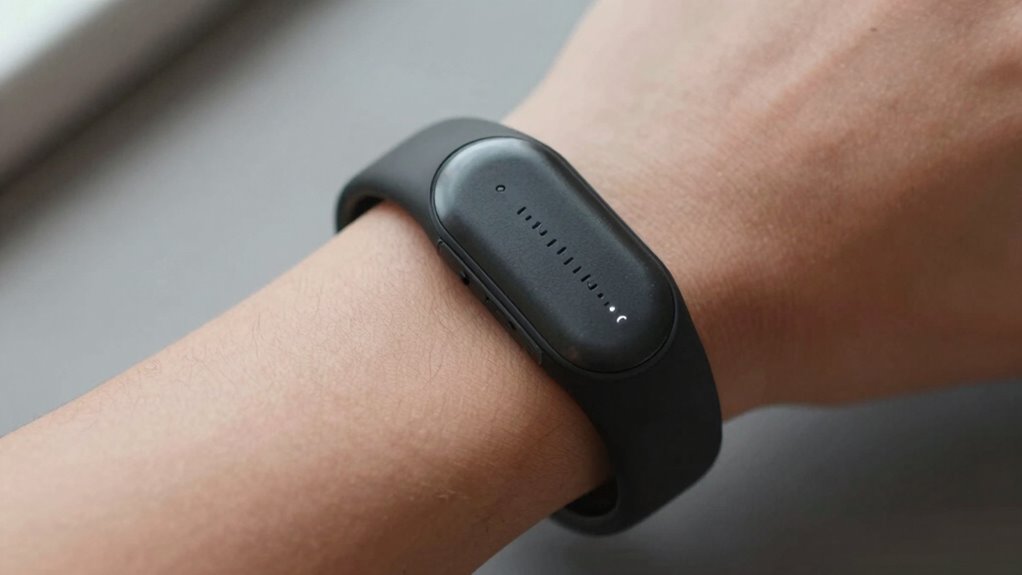

Vibration wearables support your daily accessibility by giving you real-time tactile feedback, helping you navigate environments safely and independently. They use vibrations to alert you to obstacles, traffic lights, or changes around you, reducing your reliance on visual or auditory cues. You can customize vibration patterns to suit your needs, making communication discreet and effective. If you want to discover how these devices can truly enhance your independence, keep exploring what they have to offer.

Get everyday helpers delivered free — and shop member deals
- Fast, free delivery on millions of items
- Access to Prime Big Deal Days deals on October 6–7
- Prime Video, Amazon Music and more included
Key Takeaways
- They provide real-time tactile alerts for obstacles, traffic signals, and environmental changes, enhancing safety and awareness.
- Customizable vibration patterns enable discreet, personalized notifications tailored to individual needs.
- Support independent navigation and daily routines by reducing reliance on external assistance.
- Bridge sensory gaps for users with impairments, improving perception and reaction in diverse settings.
- Incorporate advanced sensors for adaptive feedback, increasing device responsiveness and overall accessibility.
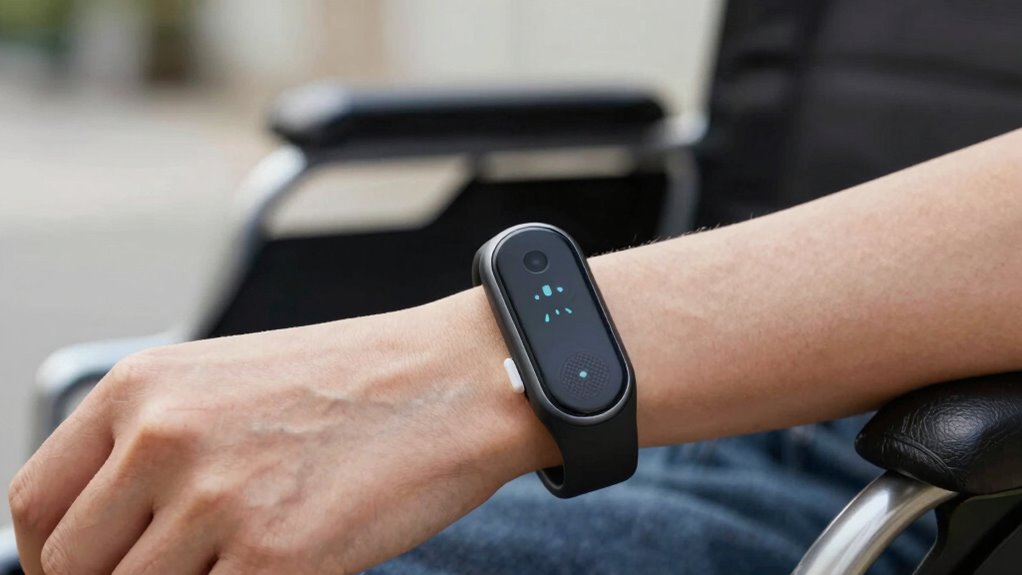
Vibration wearables are transforming accessibility by providing real-time, tactile feedback that helps individuals with sensory or mobility impairments steer the world more independently. These devices use haptic feedback to send subtle vibrations through your skin, delivering essential information about your surroundings or device status without requiring visual cues. This form of sensory substitution allows you to interpret environmental data through touch, making it easier to perform daily tasks and move confidently in various settings.
When you wear a vibration device, it acts as an extension of your senses, translating visual or auditory information into tactile signals. For example, a wearable might vibrate when you’re approaching an obstacle or when a traffic light changes, giving you immediate, discreet cues. This constant flow of information can markedly reduce your reliance on sight or hearing, empowering you to steer both familiar and unfamiliar environments with greater ease. The immediacy of haptic feedback ensures you’re alerted to changes around you in real time, which is especially valuable in complex or dynamic situations.
Many vibration wearables are designed specifically to support those with sensory impairments, offering customizable settings to fit your unique needs. You can adjust the intensity, pattern, and frequency of vibrations, enabling you to distinguish between different alerts or signals. This personalization makes it easier to interpret multiple types of information simultaneously, like recognizing a gentle buzz for a doorbell and a stronger pulse for an obstacle ahead. The tactile nature of these devices also allows for discreet communication, meaning you can stay connected and aware without drawing unwanted attention or relying on visual or auditory alerts that might be missed. Designing inclusive technologies can further enhance their effectiveness and accessibility for diverse users.
Using vibration wearables also encourages independence by reducing your dependence on caregivers or assistance devices. With real-time haptic feedback, you can confidently explore new environments, cross streets safely, and perform daily routines without constantly needing external guidance. This technology bridges sensory gaps, transforming how you perceive and react to your surroundings. Whether you’re steering city streets, traveling in unfamiliar areas, or simply managing everyday tasks at home, vibration wearables serve as valuable tools that enhance your autonomy. Incorporating adaptive technology into daily life can further improve their usability and impact. Additionally, ongoing advancements in sensor integration are expanding the capabilities of these devices, making them more responsive and versatile.
In essence, vibration wearables harness haptic feedback as a form of sensory substitution, translating environmental cues into tactile signals that you can interpret intuitively. This innovative approach supports daily accessibility by providing reliable, discreet, and customizable assistance, ultimately helping you live more independently and confidently in a world that often relies heavily on sight and sound.
vibration wearable for accessibility
As an affiliate, we earn on qualifying purchases.
As an affiliate, we earn on qualifying purchases.
Frequently Asked Questions
How Do Vibration Wearables Differentiate Between Types of Alerts?
Vibration wearables differentiate between alert types through tactile feedback, using distinct vibration patterns or intensities for each alert. You can feel different rhythms, durations, or strengths, which helps you identify whether it’s a call, message, or reminder. This alert differentiation makes it easier to prioritize notifications without needing to check your device constantly, enhancing your daily accessibility and ensuring you stay informed with subtle yet effective cues.
Are Vibration Wearables Compatible With All Smartphones?
Vibration wearables are compatible with most smartphones, especially when they support accessibility features. While some models may have limitations, many devices seamlessly connect via Bluetooth, ensuring user comfort and reliable alerts. Don’t worry—compatibility isn’t a barrier; manufacturers aim for wide device support. Before purchasing, check the specific wearable’s compatibility list to guarantee it works with your smartphone, making daily accessibility easier and more convenient.
What Is the Battery Life of Typical Vibration Wearables?
Typically, vibration wearables offer a battery longevity of about 1 to 7 days, depending on usage and model. You can extend their battery life through effective power management, like turning off notifications when not needed or reducing vibration intensity. Regular charging is essential to guarantee they stay functional, especially if you rely on them daily. Knowing these factors helps you get the most out of your device without frequent interruptions.
Can Vibration Wearables Be Customized for Individual Needs?
Yes, vibration wearables can be customized for your needs. You can select personalization options that tailor sensory feedback to suit your preferences and requirements. Adjust the vibration patterns, intensity, and alerts to better support your daily activities. This customization enhances your experience, making it easier to stay aware, alert, and connected throughout the day. With these adaptable features, vibration wearables become a truly personalized tool for accessibility.
How Secure Is the Data Collected by Vibration Wearables?
The data collected by vibration wearables is generally secure, thanks to data encryption that protects your information from unauthorized access. However, privacy concerns remain, so it’s crucial to choose devices with strong security measures. You should also review privacy policies and ensure the manufacturer follows best practices. Staying informed helps you understand how your data is used and safeguards your personal information effectively.
Conclusion
In the quiet rhythm of vibration wearables, you find a gentle reassurance that everyday obstacles don’t have to stand in your way. These devices quietly bridge gaps, offering subtle support that often goes unnoticed but makes all the difference. With each subtle buzz, you’re reminded that accessibility isn’t just about meeting needs—it’s about empowering you to move confidently through your day, whispering, “You’re supported,” in the most unobtrusive way.
Fall Picks
fall essentials
As an affiliate, we earn on qualifying purchases.