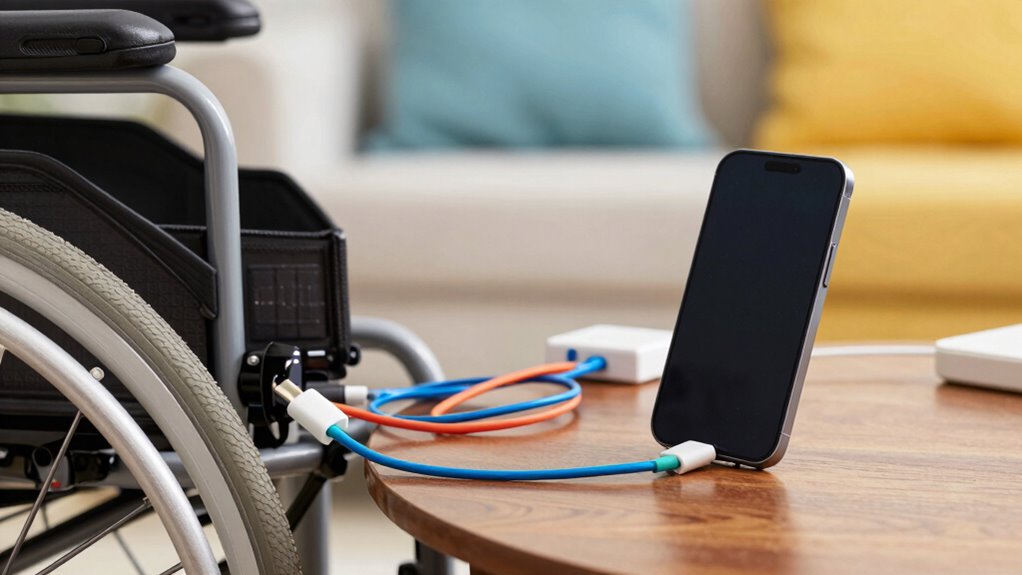

Your charging habits directly impact the reliability of accessibility tech. Frequent overcharging or draining the battery can damage internal components, reducing device lifespan. Using certified chargers and protecting your device from power surges help prevent unnecessary wear. Proper routines, like keeping batteries between 20% and 80%, shield your device from deterioration. Understanding battery chemistry and power management is essential for long-term performance. Keep these tips in mind to maximize device dependability—more useful advice is ahead.

Get everyday helpers delivered free with Prime
- Fast, free delivery on millions of items
- Prime Video, Amazon Music and more included
- Member-only deals all year
Key Takeaways
- Proper charging routines prevent battery degradation, ensuring consistent accessibility device performance.
- Using certified chargers reduces internal damage, maintaining device reliability for users with accessibility needs.
- Protecting devices from power surges prevents internal component damage that could impair accessibility features.
- Maintaining optimal battery health extends device lifespan, ensuring ongoing accessibility support.
- Understanding battery chemistry and proper charging practices minimizes unexpected failures affecting accessibility tools.
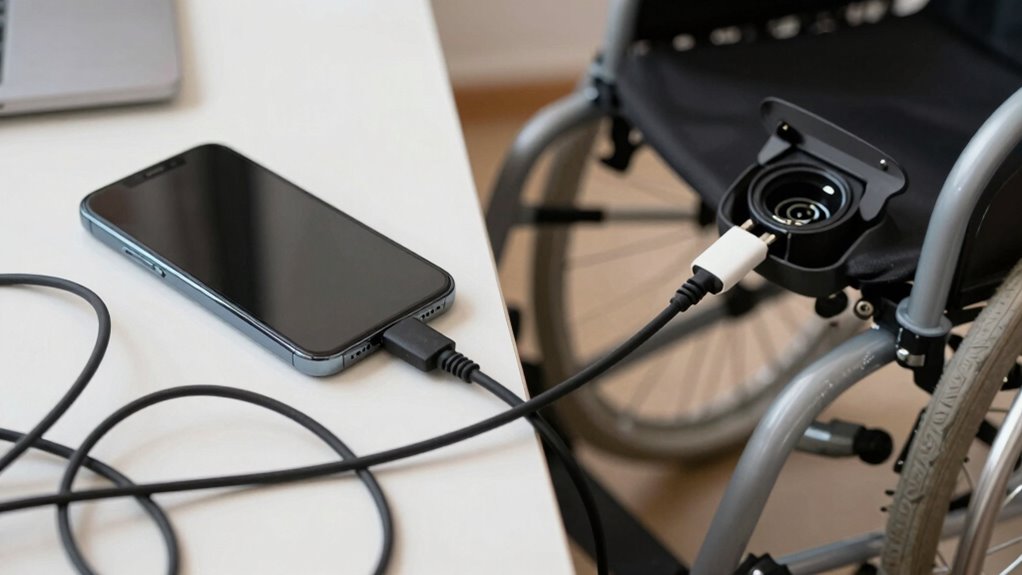
Your charging habits can notably impact the reliability and lifespan of your tech devices. How you handle charging directly affects battery longevity, which in turn influences the overall performance of your accessibility tech. If you frequently overcharge or let your device drain completely before recharging, you risk damaging the battery’s chemistry over time. Modern batteries are designed to handle regular charging, but they still have limits. Keeping your device’s battery between 20% and 80% charge can help preserve its capacity longer. Avoid letting it sit at 0% for extended periods, as deep discharges can weaken the battery’s structure. Additionally, using the right charger is key. Low-quality or incompatible chargers may not supply consistent power, which can accelerate wear and reduce battery longevity. When your device’s battery degrades, it leads to shorter usage times and can compromise the reliability of accessibility features that depend on consistent power. Proper charging techniques and avoiding extreme battery states can significantly enhance device performance over time. Power surges are another critical factor affecting your tech’s performance. Sudden voltage spikes—caused by thunderstorms, power outages, or faulty wiring—can damage your device’s internal components. These surges can fry delicate circuits or diminish battery health, causing unpredictable shutdowns or reduced functionality. To prevent this, always plug your devices into surge protectors, especially during storms or when using older outlets. Surge protectors act as a buffer, absorbing excess voltage and shielding your device from damage. If you notice frequent power fluctuations in your home or office, consider investing in a high-quality surge suppression system. Protecting your devices from power surges isn’t just about avoiding immediate damage; it’s also about maintaining consistent performance and extending the lifespan of your tech. Your charging habits, combined with safeguards against power surges, profoundly influence how dependable your accessibility tech remains over time. Properly managing your charging routines extends battery longevity, ensuring your device remains functional when you need it most. Avoiding overcharging and using certified chargers minimizes the risk of internal damage. Similarly, understanding battery chemistry can help you make more informed decisions about device care. Safeguarding from power surges helps preserve internal components, reducing the likelihood of sudden failures. Understanding battery chemistry is crucial, as it can inform your choice of charging practices and accessories to optimize battery health. By paying attention to these details, you can ensure your devices stay reliable, supporting your daily activities and accessibility needs without unexpected interruptions. Ultimately, consistent, mindful charging practices aren’t just about maintaining your device—they’re about ensuring that your tech remains a dependable part of your life, ready whenever you need it.
accessibility device surge protector
As an affiliate, we earn on qualifying purchases.
As an affiliate, we earn on qualifying purchases.
Frequently Asked Questions
How Do Charging Habits Impact the Lifespan of Accessibility Devices?
Your charging habits directly impact the lifespan of accessibility devices. Frequently overcharging or using improper charging etiquette can accelerate battery degradation, reducing device reliability over time. To extend your device’s life, avoid letting the battery drain completely and unplug once it’s fully charged. Using the correct charger and maintaining consistent charging routines helps preserve battery health, ensuring your accessibility device remains functional and dependable when you need it most.
Can Improper Charging Damage Accessibility Tech Components?
Yes, improper charging can damage accessibility tech components. Overcharging or using incompatible chargers may cause battery calibration issues, leading to reduced battery life and device malfunction. Additionally, power surge risks from unstable power sources can harm internal circuits. To safeguard your device, always use the recommended chargers, avoid overcharging, and consider using surge protectors. Proper charging habits ensure your accessibility tech stays reliable and functions effectively.
Are There Specific Charging Routines Recommended for Accessibility Gadgets?
Yes, there are specific charging routines you should follow for accessibility gadgets. Stick to regular charging schedules and avoid overcharging to prevent battery degradation. It’s best to unplug devices once fully charged and keep batteries between 20-80% for ideal battery maintenance. Using the original charger and charging in a cool, dry place also helps maintain reliability, ensuring your accessibility tech stays functional and dependable when you need it most.
How Does Charging Frequency Influence Accessibility Device Performance?
Charging frequency impacts accessibility device performance like a gardener watering plants—too little, and they wither; too much, and they drown. Regular charging helps keep the battery calibrated, guaranteeing accurate power readings and smoother operation. Frequent, balanced charging also supports effective power management, preventing unexpected shutdowns. By maintaining consistent charging habits, you enhance device reliability, prolong battery life, and ensure your accessibility tools remain ready when you need them most.
What Are Common Misconceptions About Charging Accessibility Technology?
Many believe battery myths, like fully discharging devices before charging or charging constantly without harm. You might think charging etiquette requires waiting until the battery’s completely drained, but modern tech doesn’t need that. In reality, frequent partial charges are better for battery health. Don’t fall for myths; instead, follow best practices to guarantee your accessibility tech remains reliable and ready whenever you need it.
Conclusion
Just as Icarus learned, neglecting the foundation of good habits can lead to downfall, and your charging habits are no different. By prioritizing consistent, proper charging routines, you guarantee your accessibility tech remains dependable, ready when you need it most. Remember, the reliability of your tools depends on your daily choices—so don’t let complacency be your wings, or you might find yourself grounded when it matters most. Stay mindful, stay prepared.
Fall Picks
fall essentials
As an affiliate, we earn on qualifying purchases.