To select the right haptics in vibration wearables, consider the motor type—LRAs or piezo actuators offer quick, precise feedback, while ERMs provide stronger sensations. Look for ergonomic designs and adjustable vibration settings for comfort. Think about battery life, as longer-lasting devices often have optimized vibration features. Reliable brands like Apple, Fitbit, and Garmin typically guarantee consistent performance. Keep exploring to discover how these factors combine to enhance your wearable experience.
Key Takeaways
- Select vibration motors (ERM, LRAs, piezoelectric) based on device size, feedback quality, and power efficiency requirements.
- Customize vibration patterns and intensity to match notification importance and user comfort preferences.
- Ensure ergonomic design and flexible materials for long-term comfort and optimal vibration transmission.
- Prioritize power-efficient components and firmware to maintain vibration performance without compromising battery life.
- Choose reputable brands with reliable haptic feedback, customizable options, and positive user reviews for consistent performance.

3PCs DC 5V Vibration Motor 9000RPM PWM Control for Mega 2560, Convert Electrical into Mechanical Vibration DIY Haptic Feedback Module for Wearables & Robotics Projects
[ Vibration Effect] Using top-notch 1027 mobile phone vibration motor for a noticeable vibration effect.
As an affiliate, we earn on qualifying purchases.
As an affiliate, we earn on qualifying purchases.
How Do Vibration Haptics Work in Wearables?
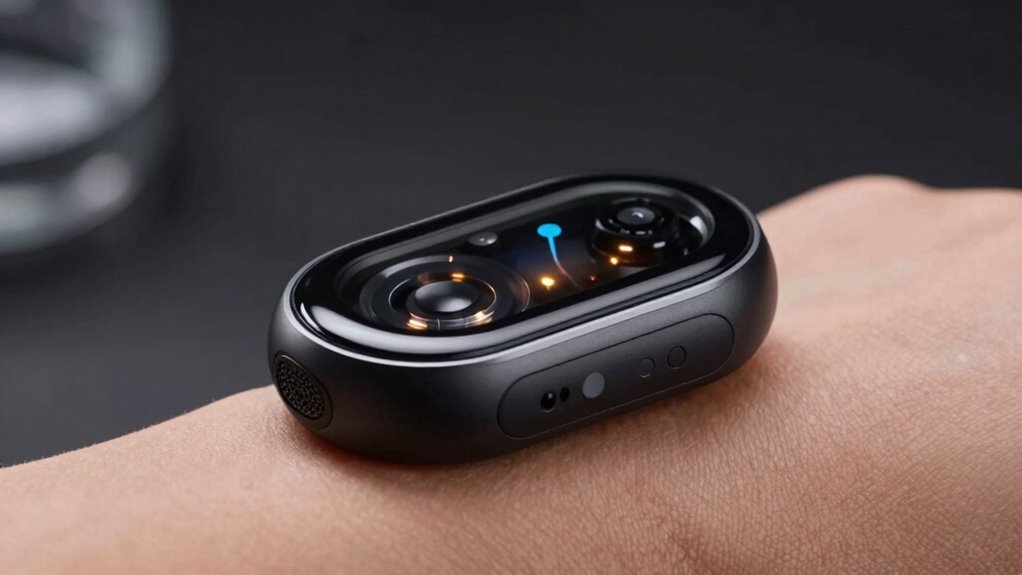
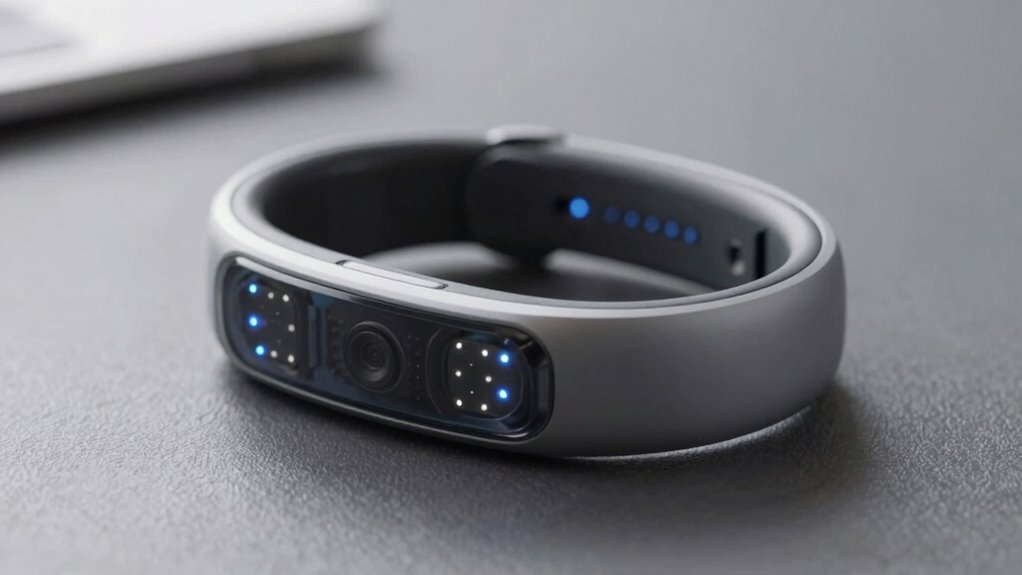
Vibration haptics in wearables work by converting electrical signals into mechanical movements that produce tactile feedback. This process relies on vibration technology, where tiny motors or actuators generate controlled vibrations. When your device detects an event—like a notification or a fitness goal—these signals trigger the motor to produce specific vibration patterns. This creates haptic feedback, allowing you to feel alerts without looking at your device. The vibration intensity, duration, and pattern can be precisely controlled to convey different types of information. This level of control enables more personalized experiences in wearable technology, enhancing user engagement. Thanks to advancements in vibration technology, wearables can deliver nuanced tactile sensations that enhance user experience. Additionally, precise control over vibration parameters allows for customizable feedback that can improve comfort and usability. Energy-efficient vibration motors contribute to longer battery life, making devices more practical for everyday use. Improved motor design has also increased the reliability and consistency of tactile feedback across various devices. Furthermore, innovations in miniaturization have enabled these components to be integrated seamlessly into compact wearable designs.
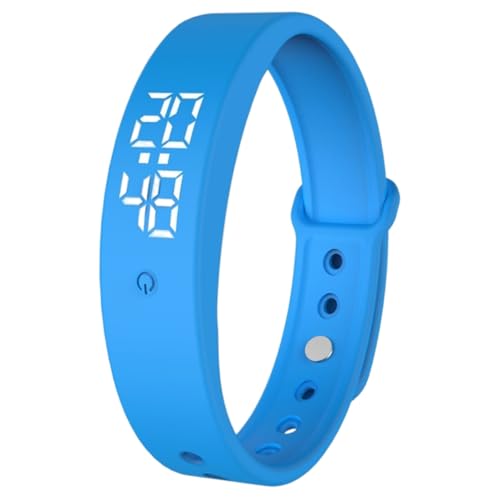
Vibrating Alarm Wristband with Fitness Tracking, Silent Vibration Alarm & Waterproof Design for Heavy Sleepers, Students, Men & Women (Blue)
Gentle Silent Vibrating Alarms: Wakes up peacefully with our silent wrist clock's vibration alerts, ensuring your sleep isn't…
As an affiliate, we earn on qualifying purchases.
As an affiliate, we earn on qualifying purchases.
What Factors Affect Vibration Strength and Wearer Comfort?
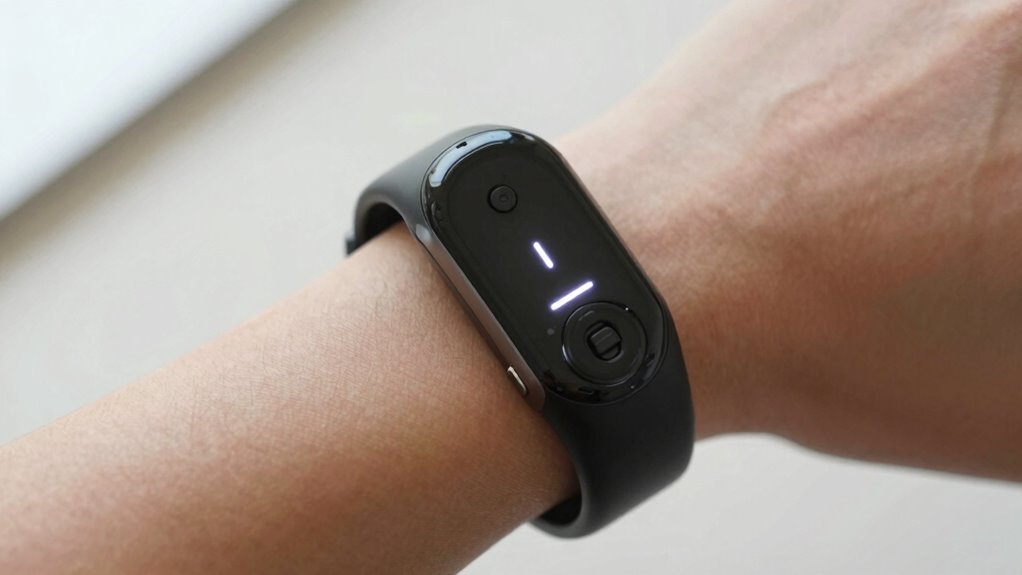
Several factors influence how strong vibrations feel and how comfortable they are to wear. Your device’s ergonomic design plays a key role, ensuring it fits well without causing discomfort during extended use. A well-designed form minimizes pressure points and supports natural movement. Material flexibility is also essential; softer, more adaptable materials contour better to your body, reducing irritation and improving comfort. The placement of the vibration motor affects perceived strength—closer to the skin often feels more intense. Additionally, controlling vibration intensity and duration helps prevent discomfort or fatigue. When choosing a wearable, prioritize devices with ergonomic design features and flexible materials, as these aspects greatly enhance both vibration sensation and overall wearability. Design considerations also impact how effectively the device transmits vibrations while maintaining comfort over time.

Ergonomic Aluminum Alloy Stand for Smartwatch Charging Universal Size Support
Premium Aluminum Alloy Charging Stand with Anti Slip Silicone Base.
As an affiliate, we earn on qualifying purchases.
As an affiliate, we earn on qualifying purchases.
Which Vibration Motor Types Are Best for Wearable Devices?

Choosing the right vibration motor for your wearable device depends on balancing size, power efficiency, and the type of feedback you want to deliver. Among vibration motor types, eccentric rotating mass (ERM) motors are common, providing strong, simple feedback suitable for general alerts. Coin or pancake motors are compact and lightweight, ideal for slim wearables. Linear resonant actuators (LRAs) offer fast, precise haptic responses, making them popular in wearable feedback technology. Piezoelectric actuators deliver highly accurate vibrations with low power consumption but are more complex to implement. Your choice should consider the device’s size constraints, desired feedback quality, and battery life. Selecting the appropriate vibration motor type ensures effective, comfortable haptic feedback, enhancing user experience in wearable technology.

tatoko 20PCS 10mmx3mm Mini Vibration Motors DC 3V 12000rpm Flat Coin Button-Type Micro DC Vibrating Motor for Mobile Cell Phone Pager Tablet Household Appliances
Micro Vibration Motor Rated Voltage: DC 3V;Rated Current: 85mA, Rated Speed: 12000 RPM,Voltage range: DC1.5-3.7V
As an affiliate, we earn on qualifying purchases.
As an affiliate, we earn on qualifying purchases.
How Can You Choose the Right Haptic Feedback for Your Needs?
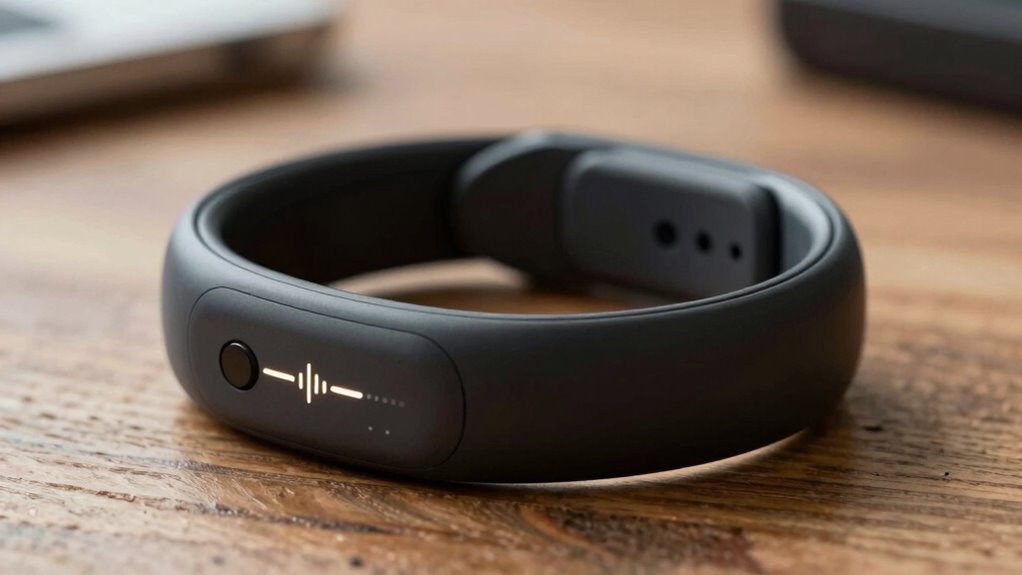
Selecting the right haptic feedback for your wearable device involves understanding how different vibration patterns and intensities influence user experience. Haptic feedback customization allows you to tailor sensations to suit your needs, whether for alerts, notifications, or immersive interactions. Consider the strength and duration of vibrations to optimize clarity without sacrificing comfort. Light, subtle signals work well for discreet alerts, while more intense feedback can emphasize important notifications. Pay attention to how different patterns—pulses, continuous vibrations, or tap-like sensations—affect usability. Achieving wearable comfort optimization is essential; overly strong or erratic vibrations can cause fatigue or discomfort. Additionally, exploring ergonomic design and tech integrations can enhance the aesthetic appeal of your device. Understanding haptic feedback as a specialized technology enables you to select the most effective sensations. By experimenting with various settings and understanding your preferences, you can select haptic feedback that enhances functionality while maintaining comfort throughout extended wear. Incorporating user-centered design principles can further improve the overall feel and effectiveness of your wearable, especially by considering how ergonomic factors influence long-term comfort and usability.
What Features Should You Look for in Vibration Wearables?

When evaluating vibration wearables, focus on key features that enhance both functionality and comfort. Look for adjustable vibration intensity to customize your experience, and check if the device offers multiple feedback patterns for versatility. Aesthetic design and fashion trends matter too—choose a wearable that complements your style with sleek lines and modern aesthetics. Comfort features like lightweight construction and breathable materials improve daily wear. Connectivity options, such as Bluetooth stability, ensure reliable performance. Additionally, consider material and fuel primers that influence device durability and safety under various conditions. Incorporating user-friendly controls can also simplify operation and improve the overall user experience. Furthermore, understanding performance ratings can help gauge the device’s effectiveness and longevity over time. Paying attention to wearable ergonomics can significantly impact prolonged comfort and usability. For optimal results, it’s also important to evaluate battery life to ensure the device can last through extended periods of use without frequent recharging.
How Does Battery Life Impact Vibration Performance?
Your wearable’s battery life directly affects how long it can deliver strong vibrations. Higher battery consumption means shorter vibration durations and more frequent charging. Efficient power management strategies help maximize performance without sacrificing vibration strength. Incorporating energy-efficient components can further extend battery life and improve overall user experience. Additionally, optimizing power consumption through firmware updates and hardware design can lead to more consistent vibration performance over time. Being aware of your device’s battery capacity can help you better understand its vibration capabilities and plan usage accordingly. Properly managing battery health can also contribute to maintaining optimal vibration performance throughout the device’s lifespan. Utilizing advanced power management techniques can help balance performance and longevity for sustained vibration quality.
Battery Consumption Rates
Battery life plays a crucial role in maintaining consistent vibration performance in wearable devices. If your device consumes power too quickly, it reduces battery longevity and may result in missed vibrations when you need them most. To optimize performance, look for models with high power efficiency that balance vibration strength and battery use.
| Vibration Pattern | Power Consumption |
|---|---|
| Short, frequent | Low |
| Long, intense | High |
| Mixed patterns | Moderate |
Choosing a wearable with efficient power management ensures your device can deliver reliable vibrations without draining the battery prematurely. Prioritizing power efficiency helps you enjoy longer usage times and consistent haptic feedback, enhancing your overall experience.
Vibration Duration Limitations
Limited battery life can substantially restrict how long a wearable device delivers continuous vibrations. When vibration duration exceeds what the battery can support, performance drops, leading to shorter feedback periods or weaker signals. This limitation affects wearability comfort because prolonged vibrations may cause discomfort or fatigue, prompting users to turn off features prematurely. To optimize both vibration duration and battery efficiency, manufacturers often design shorter, more impactful haptic signals. Balancing vibration intensity and duration is essential; excessive vibration can drain the battery quickly and reduce overall device usability. Additionally, understanding battery management strategies can help users extend device usage without sacrificing vibration performance. Properly managing power consumption is crucial to maintaining consistent vibration feedback during extended use. Incorporating energy-efficient technologies into device design can further enhance both battery life and vibration performance, allowing for longer and more satisfying user experiences. Employing smart power-saving modes can also help optimize vibration feedback without significantly impacting the device’s overall operation. Exploring advanced battery chemistry can lead to even better performance in future wearable devices.
Power Management Strategies
Effective power management is essential for maintaining consistent vibration performance in wearable devices. You can extend battery life by utilizing power saving modes that reduce energy consumption during low activity periods. Incorporating energy-efficient components, such as low-power microcontrollers and optimized actuators, ensures vibrations remain strong without draining the battery quickly. Adjusting vibration intensity and frequency based on real-time needs also helps conserve power. Regular firmware updates can improve power efficiency by refining control algorithms. When designing your wearable, prioritize hardware and software strategies that optimize energy use without compromising haptic feedback quality. By balancing these power management techniques, you ensure your device delivers reliable vibrations throughout its lifespan, providing a seamless user experience without frequent recharging.
How Can You Customize and Troubleshoot Vibration Settings?
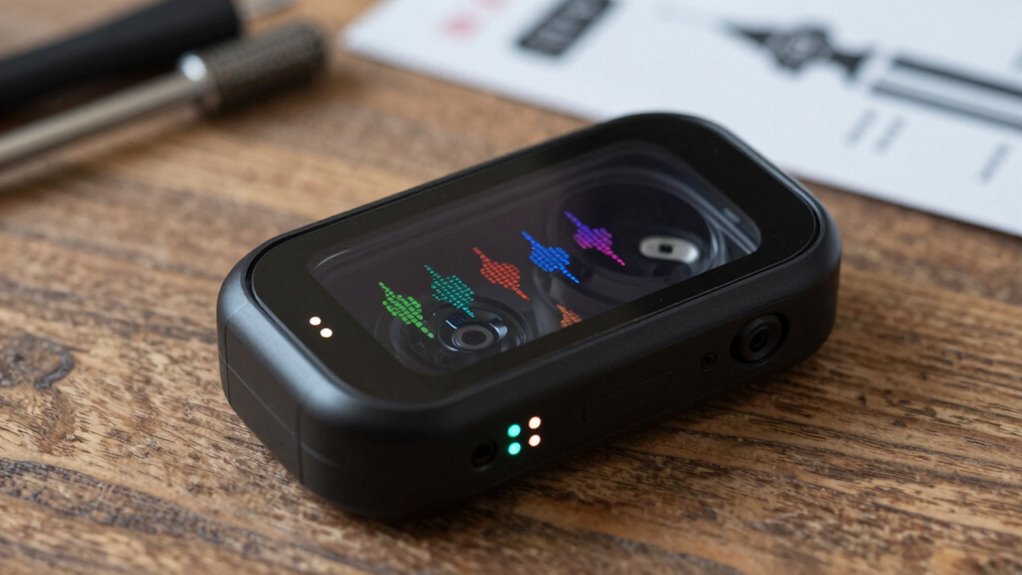
You can personalize your vibration experience by adjusting the intensity settings to suit your preferences. If your device isn’t responding properly, troubleshooting connectivity issues can often rectify the problem quickly. mastering these adjustments ensures your wearable performs reliably and comfortably.
Adjust Vibration Intensity
Adjusting the vibration intensity on your wearable device allows you to personalize notifications and alerts for maximum comfort and effectiveness. Haptic customization is key to guaranteeing your device communicates without being intrusive. To do this, explore the vibration calibration settings in your device’s menu—most allow you to fine-tune the strength of each alert. If your device offers adjustable intensity levels, start with a medium setting and test it out; then, increase or decrease based on your preference. Troubleshooting often involves resetting these settings or updating the firmware to ensure calibration remains accurate. Remember, a well-calibrated vibration intensity not only improves comfort but also ensures you don’t miss important alerts, making your wearable more reliable and tailored to your needs.
Resolve Connectivity Issues
When vibration notifications stop working properly, troubleshooting connectivity issues can restore reliable alerts. Start by checking your device’s wireless pairing; ensure your wearable is properly connected via Bluetooth or Wi-Fi. Sometimes, disconnecting and reconnecting the device can resolve temporary glitches. Next, look for firmware updates in the app or device settings—updating firmware often fixes bugs that affect connectivity and vibration performance. If problems persist, reset your wearable and re-pair it with your device. Keep your phone or tablet close during pairing to improve connection stability. Regularly updating firmware and confirming a secure wireless connection will help prevent future issues, guaranteeing your vibration alerts remain consistent and dependable.
Which Wearable Brands Are Known for Reliable Haptic Feedback?

Several wearable brands stand out for their reliable haptic feedback, ensuring you receive precise and consistent tactile signals. Brands like Apple, Fitbit, and Garmin have built strong reputations for their haptic technology, backed by positive customer reviews. Apple’s Apple Watch is praised for its subtle, responsive vibrations that enhance notifications and alerts. Fitbit’s wearables offer customizable haptic patterns, making them reliable for fitness and health tracking. Garmin devices are known for their durable, effective feedback suited for outdoor activities. When choosing a brand, consider their overall reputation and user feedback, which highlight their commitment to dependable haptic performance. Trustworthy brands typically maintain high standards, ensuring you get the accurate, consistent feedback necessary for a seamless wearable experience.
Frequently Asked Questions
How Do Different Vibration Patterns Influence User Experience?
Different vibration patterns greatly influence your user experience by providing clear sensory feedback. Customizing patterns helps you distinguish alerts, enhancing responsiveness and engagement. Fast, pulsing patterns grab your attention quickly, while steady vibrations convey a calm notification. By tailoring these patterns, you create a more intuitive interaction, making your wearable feel more personal and effective. Pattern customization guarantees that each vibration communicates precisely what you need, improving overall satisfaction and usability.
Can Vibration Intensity Be Adjusted for Sensitivity?
You can definitely adjust vibration intensity for sensitivity, especially through vibration calibration and sensitivity customization features. When you tweak these settings, you guarantee the device responds just right—whether you prefer a gentle tap or a strong buzz. Coincidentally, this personalization enhances your overall experience, making the wearable more intuitive and comfortable. So, explore the calibration options; they let you control how sensitive your device feels, aligning it perfectly with your preferences.
Are There Safety Concerns With Prolonged Vibration Use?
Prolonged vibration use can raise safety concerns, especially with long-term exposure. You might experience skin irritation or discomfort if you wear vibration wearables for extended periods. To minimize risks, take regular breaks and monitor your skin’s response. Make sure your device has adjustable vibration settings, so you can reduce intensity if needed. Always follow manufacturer guidelines to prevent potential adverse effects from continuous use.
How Does Vibration Affect Device Durability Over Time?
Vibration can impact device durability over time by causing material fatigue, which weakens components and may lead to failure. To prevent this, you should consider design considerations like robust materials and effective damping mechanisms. Regularly inspecting the device helps catch early signs of wear. Properly designed wearables ensure vibrations don’t compromise longevity, allowing you to enjoy consistent performance without risking damage from prolonged use.
What Are Emerging Trends in Wearable Haptic Technology?
Imagine your wearable senses your movements with advanced sensor integration, delivering precise haptic feedback. Emerging trends focus on miniaturizing components and enhancing battery optimization, enabling longer use without sacrificing performance. For instance, cutting-edge devices now combine tactile feedback with contextual data, making interactions more intuitive. These innovations promise more immersive experiences, improved comfort, and smarter wearables that adapt seamlessly to your needs, transforming how you engage with technology daily.
Conclusion
Choosing the right vibration haptic isn’t just about technology—it’s about creating an experience that feels seamless and intuitive. Think of it as finding the perfect rhythm in a song; when everything syncs, it elevates your wearable’s performance. So, explore your options, consider your needs, and tune your device until it resonates just right. After all, a well-chosen haptic is the heartbeat of a truly satisfying wearable experience.