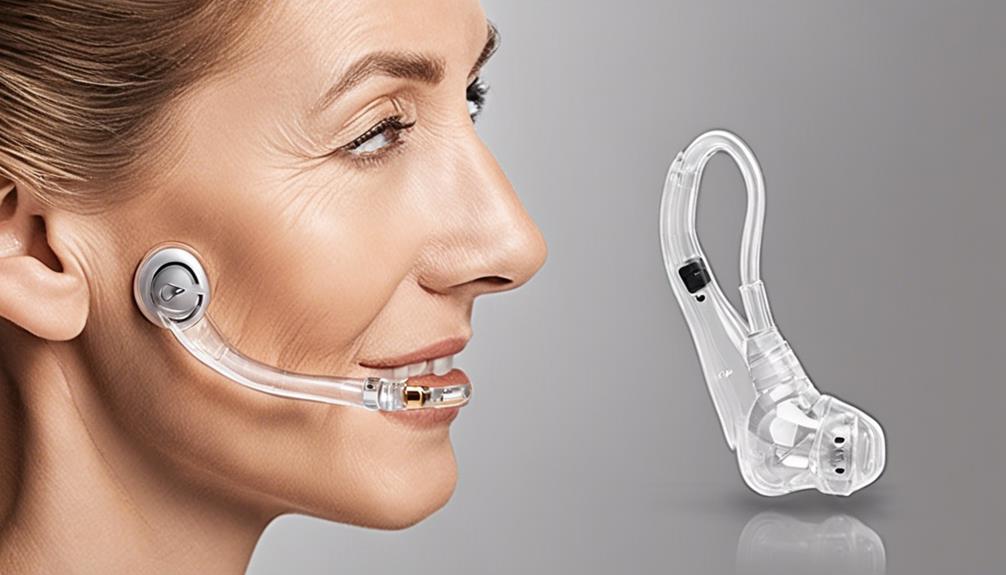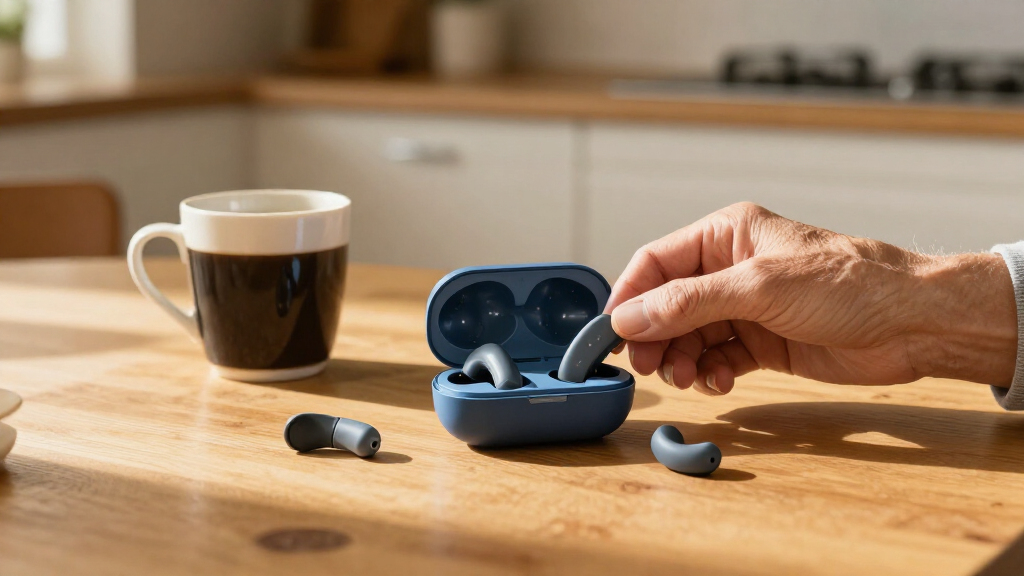
Choosing the right hearing aid charging case often comes down to brand compatibility and portability. The GN ReSound ONE and Omnia Premium Charger Case stands out as the best overall pick for its blend of sleek design and robust battery life, making it ideal for active users. For those needing a compact solution, the Phonak Infinio Sphere Charger Go offers unmatched portability without sacrificing charging speed. Meanwhile, the Connexx Pure Desktop Charger remains a solid choice for home use due to its stable, weighted base. Most buyers face a tradeoff between bulkier desktop units that charge faster and smaller travel cases that are easier to carry but may lack extra storage. Continue reading to see how these options compare in build quality, charging efficiency, and specific model compatibility.

Get everyday helpers delivered free with Prime
- Fast, free delivery on millions of items
- Prime Video, Amazon Music and more included
- Member-only deals all year
Complete the kit

Key Takeaways
- Brand-specific compatibility is the primary filter; universal chargers rarely support the latest proprietary battery protocols from major manufacturers like Phonak and GN ReSound.
- Premium cases often include moisture-drying features, which extend hearing aid lifespan more than they improve charging speed alone.
- Travel-oriented cases sacrifice battery capacity for size, meaning they may not fully recharge high-capacity RIC aids in a single overnight cycle.
- Desktop chargers with weighted bases offer better stability for users with limited dexterity, reducing the risk of dropping aids into the cradle.
- Third-party replacement cases provide significant cost savings but often lack the warranty support and moisture-wicking technology found in OEM units.
| GN ReSound Standard Charger for ONE and Omnia Hearing Aids |  | Best Simple Desktop Charger | Compatible devices: GN ReSound ONE and Omnia rechargeable RIE hearing aids | Compatible models: RT961-DRWC, RT761-DRWC, RT561-DRWC, RU961-DRWC, RU761-DRWC, RU561-DRWC | Charge time: About 3 hours | VIEW LATEST PRICE | See Our Full Breakdown |
| Phonak Charger Ease for Lumity Hearing Aids |  | Best for Easy Daily Handling | Compatibility: Phonak Lumity Audeo L-R, L-RT, and CROS L-R | Full charge time: About 3 hours | Quick charge: 30 minutes provides up to 4 hours of use | VIEW LATEST PRICE | See Our Full Breakdown |
| Phonak Combi 2 Hearing Aid Charger |  | Best for Charging and Drying-Aid Storage | Model: Combi-2 | Compatible devices: Phonak Lumity, Paradise, Marvel, and listed Audeo and CROS models | Incompatible device: Lumity Life Audeo L-RL | VIEW LATEST PRICE | See Our Full Breakdown |
| Starkey Premium Standard Charger for Compatible RIC and BTE Hearing Aids |  | Best for Starkey Owners Who Need Portable Charging | Compatible devices: Starkey Evolv AI, Livio Edge AI, Livio AI, Livio RIC, Muse iQ RIC, and compatible BTE hearing aids | Hearing aid styles: RIC and BTE | Input and output voltage: 5 V | VIEW LATEST PRICE | See Our Full Breakdown |
| GN ReSound LiNX Quattro Hearing Aid Charging Case |  | Best for LiNX Quattro Backup Power | Compatible devices: GN ReSound LiNX Quattro hearing aids | Battery charge time: 3 hours | Charging capacity: Up to three full charge cycles | VIEW LATEST PRICE | See Our Full Breakdown |
| Connexx Pure Desktop Charger for Signia Pure Charge & Go iX, iX BCT, and AX RIC Hearing Aids |  | Best for a Simple Nightstand Setup | Compatible devices: Signia Pure Charge & Go iX, iX BCT, and AX RIC; TruHearing 7 BCT, 7, and 6 RIC | Form factor: Desktop charger | Charging method: Docking charger | VIEW LATEST PRICE | See Our Full Breakdown |
| Portable Premium Charging Case for ReSound Vivia, Nexia, and Savi Hearing Aids |  | Best for Travel Status Checks | Compatible brands and models: ReSound Vivia, Nexia, and Savi; Jabra Pro 20 and 30; Jabra Select 500 and 700 | Included item: Charging case only | Charging indicators: LED status lights for left and right hearing aids | VIEW LATEST PRICE | See Our Full Breakdown |
| Phonak Universal Charger for RIC and BTE Hearing Aids |  | Best for Compatible RIC and BTE Models | Brand: Phonak | Compatible hearing aids: CROS P-R, Audéo Fit, Bolero M-PR, and Naída P-PR | Fit type: RIC and BTE | VIEW LATEST PRICE | See Our Full Breakdown |
| Phonak Infinio Sphere Charger Go for Infinio Sphere RIC Hearing Aids |  | Best Compact Pick for Infinio Sphere | Compatibility: Phonak Infinio Sphere RIC hearing aids only | Power source: Type-C charging cable | Dimensions: 3.1 x 1.2 inches | VIEW LATEST PRICE | See Our Full Breakdown |
| OYSTERBOY Replacement Charger Case for ReSound ONE and Omnia, Beltone RIE, and Jabra Enhance Pro Hearing Aids |  | Best Replacement Case with Cable Included | Compatible devices: GN ReSound ONE, GN ReSound Omnia, Beltone RIE, and Jabra Enhance Pro | Special features: LED charging indicator, portable charging case, protective case | Battery cell composition: Lithium-ion | VIEW LATEST PRICE | See Our Full Breakdown |
| GN ReSound ONE and Omnia Premium Charger Case |  | Best Premium Case for ReSound ONE Users | Compatible Devices: GN ReSound ONE and Omnia hearing aids | Charge Storage Capacity: Up to 3 full hearing aid charges | Battery Charge Time: 3 hours | VIEW LATEST PRICE | See Our Full Breakdown |
| hearing aid charging case | Compatible devices |
|---|---|
| GN ReSound Standard Charger fo | GN ReSound ONE and Omnia rechargeable RIE hearing aids |
| Phonak Charger Ease for Lumity | — |
| Phonak Combi 2 Hearing Aid Cha | Phonak Lumity, Paradise, Marvel, and listed Audeo and CROS models |
| Starkey Premium Standard Charg | Starkey Evolv AI, Livio Edge AI, Livio AI, Livio RIC, Muse iQ RIC, and compatible BTE hearing aids |
| GN ReSound LiNX Quattro Hearin | GN ReSound LiNX Quattro hearing aids |
| Connexx Pure Desktop Charger f | Signia Pure Charge & Go iX, iX BCT, and AX RIC; TruHearing 7 BCT, 7, and 6 RIC |
| Portable Premium Charging Case | — |
| Phonak Universal Charger for R | — |
| Phonak Infinio Sphere Charger | — |
| OYSTERBOY Replacement Charger | GN ReSound ONE, GN ReSound Omnia, Beltone RIE, and Jabra Enhance Pro |
| GN ReSound ONE and Omnia Premi | GN ReSound ONE and Omnia hearing aids |
More Details on Our Top Picks
GN ReSound Standard Charger for ONE and Omnia Hearing Aids
For owners of compatible GN ReSound ONE or Omnia RIE aids, this is a straightforward home charging dock: place the hearing aids in the secure drop-in bays and allow about three hours for a full charge. USB power or a mains plug gives it more placement flexibility than a charger tied to one power setup, while its compact footprint suits a bedside table or desk. Compared with the GN ReSound LiNX Quattro Charging Case, this model is aimed at ONE and Omnia users and is best treated as a simple charging station, not a case with multiple reserve charge cycles. Its main limitation is narrow compatibility: it will not serve other ReSound families or hearing aid brands. Choose it for dependable routine charging, not travel power backup.
Pros:- Secure drop-in bays hold compatible aids in place while charging.
- About three hours for a full charge.
- Can be powered through USB or a mains plug.
- Compact design takes little space on a desk or bedside table.
Cons:- Works only with specified GN ReSound ONE and Omnia rechargeable RIE models.
- No onboard battery or extra charge cycles are listed for use away from a power source.
Best for: GN ReSound ONE or Omnia rechargeable RIE owners who want a compact, uncomplicated charger for a regular charging spot at home.
Not ideal for: People who need a portable battery reserve or own LiNX Quattro, another ReSound family, or a different hearing aid brand.
- Compatible devices:GN ReSound ONE and Omnia rechargeable RIE hearing aids
- Compatible models:RT961-DRWC, RT761-DRWC, RT561-DRWC, RU961-DRWC, RU761-DRWC, RU561-DRWC
- Charge time:About 3 hours
- Input voltage:5 V
- Output voltage:5 V DC
- Connector:USB
- Weight:0.29 kg
- Compliance:RoHS
Our verdict“Choose this compact dock if you own a listed ONE or Omnia model and want simple everyday charging rather than travel backup.”
Phonak Charger Ease for Lumity Hearing Aids
The magnetic charging openings make this Phonak option a good fit for users who value easy placement and removal over extra travel capacity. It fully charges compatible Lumity Audeo and CROS aids in about three hours, and a 30-minute quick charge provides up to four hours of use—useful when a full charging window is not available. Its lid also turns the charger into a storage case, while the automatic power behavior switches compatible aids off when docked and on when removed. Compared with the Phonak Combi 2, Charger Ease is the simpler, USB-C-powered choice; the Combi 2 adds a drying-capsule compartment and is described as battery powered. The tradeoff is strict model fit: it does not work with Lumity Life, and it has no stated onboard charging reserve.
Pros:- Magnetic openings make placing and removing compatible aids easier.
- A 30-minute charge provides up to four hours of use.
- Protective lid lets it double as a storage case.
- USB-C cable and charging block are included.
Cons:- Not compatible with Lumity Life Audeo L-RL devices.
- Requires a USB-C power connection; no onboard battery capacity is specified.
- Hearing aids are not included.
Best for: Phonak Lumity Audeo L-R, L-RT, or CROS L-R owners who want easy magnetic placement, a protective lid, and a short-charge fallback.
Not ideal for: Lumity Life owners or travelers who need a charger with an onboard battery for charging away from a power connection.
- Compatibility:Phonak Lumity Audeo L-R, L-RT, and CROS L-R
- Full charge time:About 3 hours
- Quick charge:30 minutes provides up to 4 hours of use
- Power connection:USB-C
- Dimensions:94 × 51 × 62 mm
- Weight:145 g
- Warranty:3 months
- Package contents:Charger, USB-C power cable, charging block, and user manual
Our verdict“Pick Charger Ease if you own a supported Lumity model and prioritize fuss-free docking and a useful quick charge over battery-powered travel charging.”
Phonak Combi 2 Hearing Aid Charger
The Phonak Combi 2 suits users who want a charging case that also accommodates a drying capsule. Its hard protective shell supports travel and storage, and indicator lights show charging status so you can check progress without guessing. A three-hour charge is listed as providing a full day of battery runtime. Compared with the Phonak Charger Ease, Combi 2 offers the drying-capsule compartment and a battery-powered design, while Charger Ease has magnetic openings and a specified quick-charge option. The Combi 2 covers a broader set of listed Phonak families, including Lumity, Paradise, and Marvel, but that does not mean universal Phonak compatibility: it specifically excludes Lumity Life Audeo L-RL. Its plastic construction and model-specific fit are worth weighing if you need a more flexible charger.
Pros:- Three hours of charging is listed as providing a full day of battery runtime.
- Protective hard case combines charging, storage, and travel protection.
- Compartment accommodates a drying capsule.
- Indicator lights show charging status.
Cons:- Not compatible with Lumity Life Audeo L-RL devices.
- Compatibility remains limited to specified Phonak models.
- Plastic construction may feel less substantial than a more premium case.
Best for: Phonak Lumity, Paradise, Marvel, or listed Audeo and CROS model owners who want a protective travel case with space for a drying capsule.
Not ideal for: Lumity Life Audeo L-RL owners or buyers seeking a charger with a stated quick-charge time or broad brand compatibility.
- Model:Combi-2
- Compatible devices:Phonak Lumity, Paradise, Marvel, and listed Audeo and CROS models
- Incompatible device:Lumity Life Audeo L-RL
- Charging time:3 hours for a full day of battery runtime
- Power source:Battery powered
- Battery type:Rechargeable
- Material and color:Plastic; champagne
- Warranty:3 months
Our verdict“Choose Combi 2 if your Phonak model is on the compatibility list and you want charging plus a drying-capsule compartment in one travel case.”
Starkey Premium Standard Charger for Compatible RIC and BTE Hearing Aids
This Starkey charger stands apart from the GN ReSound Standard Charger by adding an onboard battery for charging on the go. It also works as a storage case and dry-aid kit, with a dehumidifier disk included, giving compatible RIC and BTE owners more than a place to dock their aids. Support for several Starkey families—including Evolv AI and Livio models—makes it useful across a defined range of the brand’s rechargeable devices. The tradeoff is that the compatibility boundary is firm: custom-mold, ITE, ITC, and CIC aids are excluded, and other brands will not work. Its Micro USB connection is also an older connector choice compared with the USB-C setup on the Phonak Charger Ease. This makes most sense for existing Starkey users who value the combined case and drying function.
Pros:- Onboard battery supports charging away from a wall outlet.
- Combines charger and storage case with a dry-aid function.
- Includes a dehumidifier disk, wall plug, and Micro USB cord.
- Supports several listed Starkey RIC and BTE families.
Cons:- Does not support ITE, ITC, CIC, or custom-mold hearing aids.
- Requires a compatible Starkey rechargeable model.
- Uses Micro USB rather than the USB-C connection found on Phonak Charger Ease.
Best for: Starkey rechargeable RIC or BTE owners who travel or want charging, storage, and a dehumidifier disk in one unit.
Not ideal for: People with custom-mold, ITE, ITC, or CIC Starkey aids, users of other brands, or buyers who prefer USB-C.
- Compatible devices:Starkey Evolv AI, Livio Edge AI, Livio AI, Livio RIC, Muse iQ RIC, and compatible BTE hearing aids
- Hearing aid styles:RIC and BTE
- Input and output voltage:5 V
- Amperage:2.4 A
- Cable connector:Micro USB
- Color:Black
- Included items:Standard charger, wall plug, Micro USB cord, and dehumidifier disk
- Manufacturer and model:Starkey; Starkey-Charger
Our verdict“Choose this if you own a compatible Starkey RIC or BTE model and want portable charging with built-in storage and drying support.”
GN ReSound LiNX Quattro Hearing Aid Charging Case
For compatible GN ReSound LiNX Quattro users, this case is the clearest choice here when reserve charging matters: it provides up to three full charge cycles, letting you recharge without immediately relying on a wall outlet. LED indicators display the charge levels of both the hearing aids and the case, while a hard shell and magnetic lid help protect the devices during charging. Compared with the GN ReSound Standard Charger for ONE and Omnia, this model is built around portable reserve power rather than a compact everyday dock, but it only fits LiNX Quattro aids. The listed full charge time is three hours, so it is not a quick top-up option. Buyers should also check the supplied power connection against their setup, as the product data lists a US power plug and 240 V input and output.
Pros:- Provides up to three full charge cycles.
- LED indicators show hearing aid and case charge levels.
- Hard case and magnetic lid help protect the aids during charging.
- Portable format fits in a pocket or handbag.
Cons:- Compatible only with GN ReSound LiNX Quattro hearing aids.
- A full charge takes about three hours.
- Listed power specifications and US plug may not suit every setup.
Best for: GN ReSound LiNX Quattro owners who want a protective case with multiple reserve charge cycles for days away from a regular charging point.
Not ideal for: Owners of GN ReSound ONE or Omnia aids, users of other brands, or anyone looking for a quick charge instead of a three-hour full charge.
- Compatible devices:GN ReSound LiNX Quattro hearing aids
- Battery charge time:3 hours
- Charging capacity:Up to three full charge cycles
- Input voltage:240 V
- Output voltage:240 V
- Cable connector:US power plug
- Color:Gray
- Included:Charging case and power plug with cable
Our verdict“Choose this case if you use LiNX Quattro aids and want several portable recharge cycles in a protective package.”
Connexx Pure Desktop Charger for Signia Pure Charge & Go iX, iX BCT, and AX RIC Hearing Aids
This is a straightforward choice for owners of the listed Signia Pure or TruHearing RIC models who mainly charge at home. Its desktop dock keeps insertion and removal simple, while the status indicator helps show when the aids are ready without adding extra steps. Compared with the Phonak Universal Charger, which supports certain RIC and BTE models and can pair with a separately sold power pack, this Connexx charger is more narrowly tied to specific models and is clearly aimed at bedside use. That focused design is useful if compatibility matches, but it is not a flexible pick for mixed-device households. The main tradeoff is portability: unlike the Portable Premium Charging Case for ReSound, it is described as a desktop charger rather than a travel case.
Pros:- Compact footprint fits a nightstand, desk, or countertop
- Simple docking makes placing and removing hearing aids straightforward
- Status indicator shows charging progress or readiness
- Supports specified Signia and TruHearing RIC models
Cons:- Compatibility is limited to the listed hearing aid models
- Desktop design is less convenient for travel
- No portable battery or travel-charging function is specified
Best for: Owners of compatible Signia Pure or TruHearing RIC hearing aids who want a compact, easy-to-read charger for a nightstand or desk.
Not ideal for: Frequent travelers and people with hearing aids outside the listed Signia and TruHearing models; its desktop form and narrow compatibility limit flexibility.
- Compatible devices:Signia Pure Charge & Go iX, iX BCT, and AX RIC; TruHearing 7 BCT, 7, and 6 RIC
- Form factor:Desktop charger
- Charging method:Docking charger
- Status indicator:Charging status indicator
- Intended placement:Nightstand, desk, or countertop
- Charging routine:Place hearing aids in the dock for overnight charging
Our verdict“Choose this for a tidy, uncomplicated home charging spot if your Signia or TruHearing model is on the compatibility list.”
Portable Premium Charging Case for ReSound Vivia, Nexia, and Savi Hearing Aids
For compatible ReSound and Jabra owners, this case puts portability and clear charging feedback ahead of broad compatibility. Separate LED indicators for the left and right aids let you check each device’s progress, and the case keeps both organized while they charge. Compared with the home-focused Connexx Pure Desktop Charger, this is the more travel-minded format; compared with the OYSTERBOY Replacement Charger Case, its standout detail is that it explicitly identifies left- and right-side charging lights. The important limitation is in the name and package: it is a charging case only, so it does not include hearing aids. Its model list is also specific, making it a poor choice if your ReSound or Jabra devices are not listed. Check your exact model before buying.
Pros:- Portable design suits charging and storage while traveling
- Separate LED indicators show progress for left and right hearing aids
- Keeps both hearing aids secured and organized
- Supports several listed ReSound and Jabra models
Cons:- Package includes the charging case only, not hearing aids
- Compatibility is limited to the models named by the manufacturer
- No charging time or battery capacity is specified
Best for: ReSound Vivia, Nexia, or Savi owners—and users of listed Jabra models—who want a portable case with separate left- and right-aid charging indicators.
Not ideal for: People whose hearing aids are outside the specified ReSound or Jabra models, or buyers expecting hearing aids to be included with the case.
- Compatible brands and models:ReSound Vivia, Nexia, and Savi; Jabra Pro 20 and 30; Jabra Select 500 and 700
- Included item:Charging case only
- Charging indicators:LED status lights for left and right hearing aids
- Design:Portable, travel-friendly case
- Storage:Secures and organizes both hearing aids during charging
- Charging time:Not specified
Our verdict“Pick this if you own a listed ReSound or Jabra model and want portable storage with side-specific charging feedback.”
Phonak Universal Charger for RIC and BTE Hearing Aids
This Phonak charger earns its place for buyers who need support for a mix of listed RIC and BTE models rather than a case tied to one narrow product family. It is specified to provide a full day of use after about three hours of charging, a useful routine for overnight or daytime top-ups. Against the Phonak Infinio Sphere Charger Go, it covers a different set of devices and has more explicit charging-time information; the Sphere model is limited to Infinio Sphere RIC aids. The tradeoff is that on-the-go charging depends on a separately sold power pack, so the charger itself should not be treated as a self-contained travel battery. Its compatibility still excludes Phonak models beyond the listed set, and the stated warranty is three months.
Pros:- Supports specified Phonak RIC and BTE models
- About three hours of charging is stated to provide a full day of use
- Lightweight 2.9-ounce design suits home or travel packing
- Hard-shell cover adds protection
Cons:- Power pack for charging away from an outlet is sold separately
- Compatibility is limited to the listed Phonak models
- Three-month warranty is relatively short
Best for: Phonak users with a listed CROS P-R, Audéo Fit, Bolero M-PR, or Naída P-PR model who want a compact charger with a stated charging time.
Not ideal for: Owners of other Phonak models or travelers who need built-in portable battery charging without purchasing a separate power pack.
- Brand:Phonak
- Compatible hearing aids:CROS P-R, Audéo Fit, Bolero M-PR, and Naída P-PR
- Fit type:RIC and BTE
- Charging time:About 3 hours for a full day of use
- Power source:USB micro-B cable
- Weight:2.9 ounces
- Power pack:Compatible; sold separately
- Warranty:3 months
- Material and color:Plastic; champagne
Our verdict“Choose this if your Phonak model is listed and you value a stated charge time more than built-in battery-powered travel charging.”
Phonak Infinio Sphere Charger Go for Infinio Sphere RIC Hearing Aids
This is the most focused option in this group: its automatic drop-in charging is made exclusively for Phonak Infinio Sphere RIC hearing aids. At about 3.1 by 1.2 inches, the case is easy to pack and doubles as protective storage, so it suits owners who want one compact place for charging and carrying their aids. Compared with the Phonak Universal Charger, it is less versatile across Phonak models, but its dedicated fit may make the routine simpler for Sphere owners. That specificity is also the central drawback: it will not serve other Phonak hearing aids, and charging requires a Type-C cable. No battery capacity or independent portable power is specified, so buyers should not assume it can recharge the aids away from a power source.
Pros:- Compact dimensions make it easy to pack
- Automatic drop-in slots simplify charging
- Protective storage doubles as a travel case
- Type-C cable connection is specified
Cons:- Compatible only with Phonak Infinio Sphere RIC hearing aids
- Requires a charging cable
- Battery capacity and standalone portable charging are not specified
Best for: Phonak Infinio Sphere RIC owners who want a small case for automatic drop-in charging and protective storage.
Not ideal for: Phonak users with any model other than Infinio Sphere RIC, or travelers who need a case with documented built-in battery power.
- Compatibility:Phonak Infinio Sphere RIC hearing aids only
- Power source:Type-C charging cable
- Dimensions:3.1 x 1.2 inches
- Color:Black
- Material:Plastic
- Charging control:Automatic
- Charging method:Drop-in charging slots
Our verdict“Choose this compact dedicated case only if you own Infinio Sphere RIC aids and are comfortable charging through a Type-C cable.”
OYSTERBOY Replacement Charger Case for ReSound ONE and Omnia, Beltone RIE, and Jabra Enhance Pro Hearing Aids
This replacement case is a practical pick for owners of the listed ReSound, Beltone, and Jabra models who need both charging and protected storage in a compact package. The included charging cable means one less accessory to source, while the lithium-ion battery and LED indicator support portable use and a quick visual check. Compared with the Portable Premium Charging Case for ReSound Vivia, Nexia, and Savi, this serves different model families and explicitly includes a cable; the other case specifies separate left- and right-side indicators. OYSTERBOY’s main compromise is limited technical detail: charging time and battery capacity are not provided, so it is hard to judge how much backup charging it offers. Confirm your exact device model before choosing it, since the compatibility list is specific.
Pros:- Portable case combines charging with protective storage
- Charging cable is included
- LED indicator provides a visual charging check
- Lithium-ion battery supports portable use
Cons:- Charging time and battery capacity are not specified
- Compatibility is limited to the listed ReSound, Beltone, and Jabra models
- No separate left- and right-side indicator detail is provided
Best for: Owners of ReSound ONE or Omnia, Beltone RIE, or Jabra Enhance Pro hearing aids seeking a replacement case with a cable included.
Not ideal for: Buyers who need a stated battery capacity or charging time, or whose hearing aid model is not on the compatibility list.
- Compatible devices:GN ReSound ONE, GN ReSound Omnia, Beltone RIE, and Jabra Enhance Pro
- Special features:LED charging indicator, portable charging case, protective case
- Battery cell composition:Lithium-ion
- Battery weight:3 g
- Item weight:3.2 ounces
- Included components:Premium charger case and charging cable
- Color and material:Black; plastic
- Charging time and capacity:Not specified
Our verdict“Choose this as a replacement for a listed model when an included cable and portable storage matter more than detailed battery specifications.”
GN ReSound ONE and Omnia Premium Charger Case
This case is designed specifically for GN ReSound ONE and Omnia users who want a sleek, all-in-one solution. Unlike the GN ReSound Standard Charger for ONE and Omnia Hearing Aids, which focuses on basic functionality, this premium option integrates storage for up to three full charges, making it ideal for travel or days when you forget to plug in. The dedicated compartments ensure a secure fit, reducing the risk of losing aids overnight. However, its weight of 0.41 kg makes it bulkier than the Phonak Charger Ease, so it is not the lightest option in the lineup. You also pay for the brand name and included accessories like the cleaning kit, which might be redundant if you already have one. It is a solid choice for those prioritizing brand consistency and included extras over minimalism.
Pros:- Stores up to three full hearing aid charges for travel convenience
- Includes a complete accessory kit with cable, plug, and cleaning tools
- Precision-fit compartments designed specifically for ReSound ONE and Omnia models
Cons:- Heavier and bulkier than standard desktop chargers at 0.41 kg
- Strictly limited to GN ReSound ONE and Omnia compatibility
- Premium pricing compared to basic standard charger models
Best for: Current GN ReSound ONE or Omnia owners who want an official, feature-rich case with built-in power storage and included cleaning tools.
Not ideal for: Users seeking the lightest possible travel case or those who already own third-party cleaning supplies and want a lower-cost alternative.
- Compatible Devices:GN ReSound ONE and Omnia hearing aids
- Charge Storage Capacity:Up to 3 full hearing aid charges
- Battery Charge Time:3 hours
- Connector Type:USB-A
- Item Weight:0.41 kg
- Color:Black
- Included Items:Charging case, USB cable, power plug, cleaning kit, manual
- Spare Part Availability:5 years
Our verdict“This is the best official choice for ReSound ONE users who value integrated power storage and bundled accessories over minimal weight.”
How We Picked
I evaluated these eleven charging cases by prioritizing manufacturer compatibility and build durability. Since hearing aid batteries are highly specific to the device model, I first filtered options to ensure they matched current and recent hearing aid series from major brands like GN ReSound, Phonak, Starkey, and Signia. I then assessed the physical design, looking for cases that secure the aids firmly during transport, as loose fits are a common cause of lost or damaged devices.
Next, I compared charging efficiency and additional features. I distinguished between basic charging functions and premium additions like automated drying cycles or UV cleaning. The ranking logic favors options that balance portability with reliability; a case that is small but fails to secure the aid is ranked lower than a slightly bulkier unit with a secure locking mechanism. I also considered ease of use, noting which cases require complex alignment versus those with magnetic snap-in designs.
Factors to Consider When Choosing Hearing Aid Charging Cases
Selecting a charging case is not just about finding something that fits your hearing aids. It involves understanding how you use your devices daily, where you store them, and what environmental factors they face. This guide breaks down the critical factors that influence long-term satisfaction.
Compatibility and Proprietary Protocols
Hearing aid manufacturers use proprietary charging contacts and battery management systems that rarely cross over between brands. A Phonak charger will not work with ReSound aids, and vice versa, even if the physical shape seems similar. Always verify the exact model series of your hearing aids before purchasing a case, as even within the same brand, newer models may require updated charging voltages. Buying a universal case often leads to frustration because these units typically support older, discontinued models rather than current flagship devices. If you are unsure of your model, check the serial number on the battery door or consult your audiologist’s records. This step prevents the common mistake of purchasing a case that physically fits but fails to establish a charging connection.
Portability vs. Desktop Stability
Decide whether your primary need is travel convenience or home organization. Desktop chargers are typically heavier and wider, providing a stable base that resists tipping if bumped. They are ideal for bedside tables where the aids stay overnight. In contrast, travel cases are compact and lightweight, designed to fit in a pocket or small bag. However, they often lack the weighted base, making them easier to knock over if used on a cluttered nightstand. If you travel frequently, a case with a secure locking lid is preferable to prevent aids from falling out during transit. For home-only users, the extra bulk of a desktop unit is a worthy tradeoff for the added stability and often larger battery capacity.
Moisture Control and Drying Features
Many premium charging cases now include moisture-drying technology, which uses low-level heat or airflow to remove sweat and humidity from the hearing aids. This feature is particularly valuable for users who exercise regularly or live in humid climates, as moisture is a leading cause of hearing aid failure. Standard chargers do not offer this protection, meaning you might need to purchase a separate dehumidifier. When comparing models, check if the drying cycle is automatic or requires manual activation. While drying features increase the cost and power consumption of the case, they can extend the lifespan of your devices by years, offering long-term value that outweighs the initial price difference. If your hearing aids are prone to wax buildup or moisture issues, prioritize this feature over sleek design.
Ease of Insertion and Dexterity
Users with limited fine motor skills should look for cases with magnetic alignment or wide, accessible charging bays. Some compact cases have tight tolerances that require precise insertion, which can be frustrating for older adults or those with arthritis. Larger cases often feature color-coded slots (left and right) and raised edges that guide the hearing aid into the correct position. I recommend testing the insertion motion mentally: does the case require you to pinch the aid and lower it carefully, or can you simply drop it in? The latter is far superior for daily usability. Additionally, check if the case has a clear window or LED indicators that are easy to read from a distance, as small lights can be difficult to see for users with vision impairments.
Power Source and Charging Speed
Consider where you will charge your case. Most cases require a standard USB-C or proprietary cable connected to a wall adapter, which is not always included. Portable cases often have an internal battery, allowing them to charge the hearing aids on the go without being plugged into a wall. However, this internal battery must itself be charged regularly, adding another step to your routine. Desktop units usually charge faster because they draw power directly from the outlet. If you travel internationally, ensure the case supports universal voltage inputs (100-240V) to avoid damaging the battery adapter. For daily users, the convenience of a case that can be charged while plugged in versus one that needs its own battery topped up is a key differentiator in long-term satisfaction.
Frequently Asked Questions
Can I use a charging case from a different brand if the shape fits?
No, you should never use a charging case from a different brand, even if the physical shape appears to fit. Hearing aids communicate with the charger through specific electrical protocols and voltage requirements that are proprietary to each manufacturer. Using an incompatible charger can damage the battery contacts, overheat the device, or fail to charge the aids entirely. Furthermore, doing so will likely void your hearing aid warranty. Always stick to the manufacturer recommended for your specific hearing aid model to ensure safety and functionality.
Do I need a case with drying features if I don’t sweat much?
Even if you do not sweat heavily, ambient humidity and earwax moisture can accumulate inside hearing aids over time. Drying features help maintain the longevity of the internal components, such as the microphone and receiver, by keeping them dry. However, if you live in a very dry climate and store your aids in a standard dehumidifier jar, a basic charger might suffice. For most users, especially those in humid regions, the integrated drying cycle in premium cases offers a convenient, passive way to protect the investment without extra effort.
Why do some charging cases have slower charging times than others?
Charging speed depends on the power output of the case and the battery capacity of the hearing aids. Some compact travel cases are designed to conserve energy or fit smaller batteries, resulting in longer charge cycles. Additionally, newer hearing aids with larger batteries for extended streaming capabilities may take longer to charge fully. If you have a busy morning routine, look for cases that offer a quick-charge feature, often providing several hours of use after just 15-20 minutes in the cradle. Check the specs for ‘time to full charge’ versus ‘quick charge’ capabilities.
Are third-party replacement chargers safe to use?
Third-party replacement chargers can be safe if they are from reputable manufacturers that adhere to the original equipment manufacturer’s (OEM) specifications. However, they often lack the advanced safety features like overcharge protection and precise voltage regulation found in OEM units. Using a poorly made third-party charger can degrade battery health over time or cause intermittent charging issues. If you choose a third-party option, verify that it has positive user feedback regarding reliability and warranty support. For critical daily use, sticking with the OEM charger is generally the safer bet for device longevity.
How do I clean the charging contacts inside the case?
Debris and wax buildup on the charging contacts can prevent the hearing aids from charging properly. To clean them, use a dry, soft-bristled brush or a cotton swab lightly dampened with isopropyl alcohol. Gently wipe the metal contacts inside the case, ensuring no liquid seeps into the device’s electronics. Avoid using sharp objects that could scratch the contacts, as this can worsen connectivity issues. Regular cleaning, perhaps once a week, ensures a consistent electrical connection and prevents false ‘charging error’ notifications on your smartphone app.
Conclusion
Selecting the right hearing aid charging case depends on your lifestyle and specific device model. For most users, the GN ReSound ONE and Omnia Premium Charger Case offers the best balance of style, protection, and charging performance, making it the top overall choice. If you prioritize portability for travel, the Phonak Infinio Sphere Charger Go is the superior compact option, though it may charge slightly slower. For those needing a reliable, no-frills home solution, the Connexx Pure Desktop Charger provides excellent stability and ease of use for Signia users. Beginners should look for cases with magnetic alignment and clear indicators to simplify daily handling. Ultimately, match the case features to your environmental needs—prioritizing drying capabilities if you live in humid areas, or ruggedness if you travel frequently.