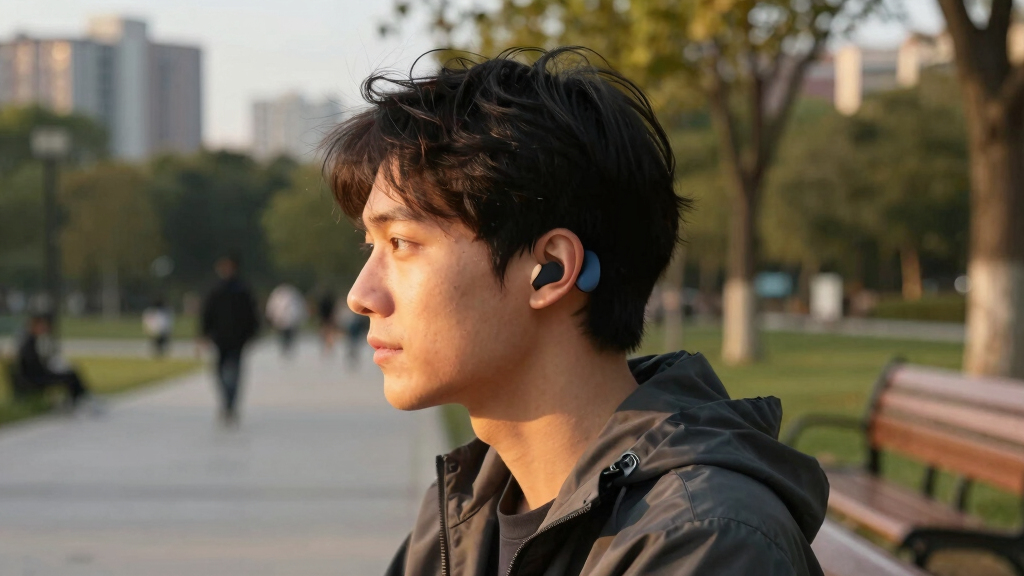

Finding the best open-ear headphones for hearing aid wearers involves balancing comfort, sound clarity, and compatibility with hearing aids. The Wireless Open-Ear Bone Conduction Hearing Headphones stand out as the overall top pick for their comfort and sound quality. The BD-F2H Bone Conduction Hearing Amplifier offers excellent waterproofing and Bluetooth connectivity, making it ideal for active users. Meanwhile, the Viva Hear Rechargeable Bluetooth Hearing Aids provide customizable volume control suited for seniors. Readers should be aware of tradeoffs like potential sound leakage and fit issues, which vary across models. Continue reading for a detailed breakdown of these options and how to choose the best fit for your needs.
Key Takeaways
- Bone conduction technology is central to most top models, offering a comfortable open-ear experience that minimizes interference with hearing aids.
- Waterproof ratings vary, with IPX5 or higher preferred for active or outdoor use, but this often increases the price.
- Bluetooth version impacts connectivity stability; newer versions like 6.0 or 5.3 provide more reliable pairing and lower latency.
- Adjustable volume and customizable fit are key for comfort and hearing aid compatibility, especially for long-term wear.
- Tradeoffs often include sound leakage and reduced bass response in open-ear designs, which may affect listening experience.


More Details on Our Top Picks
Wireless Open-Ear Bone Conduction Hearing Headphones with HD Microphone
This model stands out for its dual functionality, combining hearing assistance with Bluetooth audio, making it an excellent choice for users who want both features in one device. Its open-ear design preserves situational awareness, which is crucial for outdoor or busy environments. Compared with the Viva Hear, it offers a lighter, more straightforward setup, but it doesn’t provide the same level of sound customization or app control. The 27g weight and IPX5 waterproofing enhance all-day comfort and durability, though the lack of separate volume controls for each ear can be limiting for fine-tuning. The mixed user ratings reflect that while some appreciate the simplicity, others find the sound pickup mode limited for severe hearing loss. Overall, this pick suits those needing a lightweight, multi-purpose device that balances hearing aid functions with casual listening, but it’s less ideal for severe auditory nerve damage or audiophile-quality sound.
Pros:- Dual functionality for hearing support and Bluetooth audio
- Open-ear design maintains awareness of surroundings
- Lightweight and comfortable for prolonged wear
Cons:- No separate volume control for each ear
- Limited effectiveness for severe hearing impairments
Best for: Hearing aid wearers seeking a lightweight device for casual listening and situational awareness
Not ideal for: Users with severe hearing loss or needing high-fidelity sound amplification
- Brand:FANSAISI
- Model Number:Z18
- Product Type:Hearing Headphones
- Bluetooth Version:5.3
- Battery Life (Bluetooth):6 hours
- Battery Life (Sound Pickup):10 hours
- Waterproof Rating:IPX5
- Weight:27g
- Warranty:1 year
Bottom line: Best suited for users who want a simple, lightweight device for hearing assistance and occasional audio, but not for severe hearing loss.
BD-F2H Bone Conduction Hearing Amplifier for Seniors with Bluetooth 5.3 and IPX5 Waterproofing
This hearing amplifier excels for seniors or users with mild hearing loss who want the flexibility of independent volume control — a feature not available on the FANSAISI. Its dual modes for amplification and Bluetooth, combined with IPX5 waterproofing, make it a practical choice for active lifestyles. While it offers a more secure fit with behind-the-ear hooks, it’s less suited for those with severe hearing issues, as the amplification maxes out at 35dB. Compared to the Viva Hear, it provides greater customization, but it may slip during vigorous activity. The 6-hour battery life, while decent, requires regular charging, which could be inconvenient for some users. Overall, this device is ideal for mild to moderate hearing loss, especially for those who value personalized volume adjustments and waterproof durability, but it’s not recommended for severe impairments.
Pros:- Independent left/right volume control
- Dual mode (hearing aid + Bluetooth)
- Waterproof and sweat-resistant
Cons:- Limited for severe hearing loss
- Potential slipping during vigorous activity
Best for: Seniors or mild hearing loss users needing customizable volume and waterproof features
Not ideal for: Individuals with severe hearing loss who require higher amplification or more advanced sound processing
- Power Source:Rechargeable Lithium Polymer Battery
- Battery Life:6+ hours
- Bluetooth Version:5.3
- Waterproof Rating:IPX5
- Weight:35g
- Volume Control:Independent Left/Right Adjustment
Bottom line: This device suits users with mild to moderate hearing loss who want a customizable, waterproof amplifier and Bluetooth headset in one.
Viva Hear Rechargeable Bluetooth Hearing Aids for Seniors with Open Ear Design and 7-Level Volume Control
The Viva Hear stands out for its combination of natural sound amplification and Bluetooth functionality, making it well-suited for users who need ongoing hearing support and media listening. Its 7-level volume control, combined with app customization and adaptive sound modes, provides a level of fine-tuning that surpasses many simpler devices like the FANSAISI. The open ear design boosts comfort, especially for those prone to sweating or discomfort from in-ear devices. However, the need to manually remove insulation before first use adds a step some may find inconvenient, and the device might feel bulky for very small ears. Compared with the Neckband hearing aids, Viva Hear offers more comprehensive sound customization and better suited for prolonged wear, but at a slightly higher price point. This product works best for users who prioritize comfort and detailed sound adjustments during extended use.
Pros:- Open ear design prevents discomfort
- 7 adjustable volume levels and app control
- Long-lasting rechargeable battery with portable case
Cons:- Requires manual removal of insulation film
- Can be bulky for small ears
Best for: Users seeking a comfortable, rechargeable device with customizable sound and all-day usability
Not ideal for: Those with very small ears or who dislike manual setup steps
- Battery Type:Rechargeable Lithium-Ion
- Compatible Devices:Android, iPhone, Samsung
- Volume Levels:7 adjustable
- Charging Time:1-2 hours
- Battery Weight:1g
- Noise Control:Active noise cancellation
Bottom line: Ideal for users who want a comfortable, customizable hearing aid that supports all-day use and media listening, with some manual setup required.
Neckband Hearing Aids with Bluetooth for Seniors – Rechargeable Amplifier Device
This neckband option provides a straightforward solution for users with mild to moderate hearing needs, focusing on comfort and ease of use. Its 24-hour battery life and Bluetooth 5.3 facilitate seamless switching between devices, making it suitable for daily conversations, TV, and calls. The 35dB amplification is sufficient for many users, but it falls short for those with more significant hearing loss. Compared with bone conduction models like the B0CHFQ3G4P, it offers a more traditional design, which some may find less discreet or flexible. The bulkiness of the neckband may be uncomfortable for some wearers, especially during vigorous activity. It’s best suited for users who want a simple, rechargeable device for mild to moderate hearing loss, but it’s not designed for severe impairments or waterproof needs.
Pros:- Long 24-hour battery life
- Bluetooth 5.3 for easy device switching
- Adjustable volume and noise reduction modes
Cons:- Neckband may feel bulky
- Limited amplification for severe hearing loss
Best for: Mild to moderate hearing loss users who prefer a comfortable, all-day wearable device with straightforward controls
Not ideal for: Those with severe hearing loss or requiring waterproof features for outdoor activities
- Battery Life:24 hours
- Bluetooth Version:5.3
- Amplification Level:Up to 35dB
- Noise Reduction Modes:2
Bottom line: Best suited for users with mild to moderate hearing loss who prioritize all-day comfort and simple operation.
Bone Conduction Hearing Amplifier with Bluetooth 5.3 Technology – Open Ear Headphones
This bone conduction amplifier incorporates advanced waterproof and dustproof features, with an IP67 rating, making it suitable for outdoor activities and harsh environments. Its 8-hour battery life and inclusion of multiple ear tip sizes ensure a secure fit and reliable sound enhancement. While it preserves situational awareness effectively, it cannot be paired with mobile phones when used solely as hearing aids, limiting its utility for direct communication. Compared with the FANSAISI headphones, it offers superior durability and environmental resistance, but it may require manual operation for volume adjustments, which could be less intuitive. This device is better suited for active users who need resilience against dust and water, rather than as a primary hearing aid substitute for severe impairments.
Pros:- Preserves situational awareness with bone conduction
- IP67 waterproof and dustproof for durability
- Includes multiple ear tip sizes for a secure fit
Cons:- Cannot be paired with phones as hearing aids
- Requires manual button operation for volume control
Best for: Active users needing a durable, waterproof device for outdoor use and situational awareness
Not ideal for: Users seeking a device compatible with mobile phones for direct calls or those with severe hearing loss
- Battery Life:8 hours with charging case
- IP Rating:IP67
- Bluetooth Version:5.3
- Ear Tip Sizes Included:XS, S, M
Bottom line: Ideal for outdoor enthusiasts who need a durable, water-resistant device that maintains environmental awareness but isn’t a substitute for severe hearing aids.
PSIER Bone Conduction Headphones with Bluetooth 6.0 and IPX5 Waterproof Rating
This model stands out for its combination of advanced Bluetooth 6.0 connectivity, long-lasting battery life, and IPX5 waterproofing, making it a strong choice for outdoor and active hearing aid wearers. Compared with the OpenComm2, it offers a longer 10-hour playback and lighter weight at just 23 grams, although it lacks a traditional headphone jack and may still leak sound during high-volume use. Its open-ear design enhances situational awareness, which is critical for safety outdoors or during exercise. The fast Type-C charging ensures quick turnaround between outings, but the absence of wired options could be a limitation for users who prefer wired connectivity or are concerned about charging dependence. This is an ideal pick for those who need durable, wireless headphones that keep their ears free without sacrificing sound quality or battery endurance.
Pros:- Open-ear design enhances situational awareness during activities
- Long 10-hour battery life with fast Type-C charging
- Lightweight and comfortable for extended wear
- IPX5 waterproof rating for durability in various weather conditions
Cons:- No headphone jack limits wired connectivity options
- Sound leakage may still be noticeable at higher volumes
Best for: Hearing aid wearers engaging in outdoor sports or active lifestyles who prioritize durability and long battery life.
Not ideal for: Indoor users or office workers who prefer wired connections or require absolute sound isolation to avoid distractions.
- Bluetooth Version:6.0
- Waterproof Rating:IPX5
- Battery Life:10 hours
- Weight:23g
- Charging Time:2 hours
- Standby Time:200 hours
Bottom line: This pick is best for active users who need a durable, long-lasting, and wireless open-ear headphone for outdoor use.
Mehomeli Kids Open-Ear Headphones with Air Conduction Technology – 3.5mm Wired, Lightweight Pink
This wired option makes a compelling case for parents seeking safe, comfortable open-ear headphones for children, with a focus on awareness and durability. Compared to the OpenComm2, it lacks Bluetooth and microphone features, but its lightweight 20-gram design and ergonomic fit ensure all-day comfort, even with glasses or hoodies. Its 16.2mm driver delivers balanced sound suited for young ears, and the durable titanium neckband with braided cable minimizes tangles and deformation, making it suitable for active kids. The wired connection may seem less convenient, especially for quick device switching, and the absence of inline controls limits volume and call management. This product suits parents prioritizing safety and durability for children, especially in school or outdoor environments.
Pros:- Open-ear design enhances safety by allowing ambient sound awareness
- Lightweight (20g) and ergonomic for all-day comfort with glasses or hoodies
- Durable titanium neckband and braided cable resist tangles and deformation
Cons:- Wired design may be less convenient than wireless options
- No inline microphone or volume controls included
Best for: Parents seeking safe, comfortable, and durable wired headphones for children to enhance outdoor awareness and safety.
Not ideal for: Older users or those preferring wireless convenience and inline controls for ease of use during calls or media playback.
- Weight:20 grams
- Driver Size:16.2mm
- Connection Type:3.5mm wired jack
- Warranty Period:1 year
- Color:Pink
Bottom line: This product is ideal for parents wanting a safe, durable, and comfortable wired headphone for children engaged in outdoor or school activities.
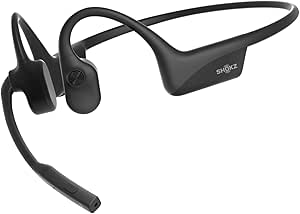
OpenComm2 Open-Ear Bone Conduction Headphones with Noise Canceling Mic & Mute Button for Work Calls – 16h Talk Time
This model is tailored for users who need clear communication and all-day comfort during work hours, thanks to its 16-hour talk time and noise-canceling microphone. Compared with the PSIER Bone Conduction, it offers superior call quality with DSP noise suppression, making it more suitable for professional environments. Its lightweight 35g design and IP55 water resistance support long wear, while multipoint pairing simplifies switching between devices. However, the 8-hour listening time may be a limitation for users who want extended media playback without charging, and the higher price point could deter budget-conscious buyers. This headphones excel for remote workers or professionals who prioritize clear calls and comfort over long listening sessions.
Pros:- Lightweight and comfortable open-ear design suitable for all-day wear
- Crystal-clear calls with noise-canceling microphone and DSP technology
- 16-hour talk time with quick charge feature for short breaks
Cons:- Limited 8-hour listening time for media playback
- Higher price may be a barrier for some users
Best for: Remote workers or professionals requiring high-quality voice calls and all-day comfort during meetings or calls.
Not ideal for: Casual listeners or those who primarily want long-duration music playback without frequent recharging.
- Weight:35g
- IP Rating:IP55
- Talk Time:16h
- Listening Time:8h
- Charging Port:USB-C
- Quick Charge:5-minute = 2h
Bottom line: This pick is best for professionals who need reliable, clear communication during long workdays and value comfort over extended listening.
How We Picked
To determine the best open-ear headphones for hearing aid wearers, I evaluated each product based on sound quality, comfort, ease of use, build quality, and how well they accommodate hearing aids. Compatibility with hearing aids and the ability to wear them comfortably for extended periods were primary considerations. I also looked at waterproofing, Bluetooth stability, battery life, and overall value for the features offered. The products were ranked to reflect which options balance these factors most effectively for users with hearing aids, with an emphasis on real-world usability and reliability.Factors to Consider When Choosing Best Open-ear Headphones For Hearing Aid Wearers
Choosing the right open-ear headphones for hearing aid wearers involves more than just sound quality. It’s important to consider how well the device fits, its level of waterproofing, and its compatibility with hearing aids. These factors influence comfort, durability, and long-term satisfaction. Understanding the tradeoffs between features like waterproof ratings and sound leakage can help you select a model that truly meets your daily needs. Keep in mind that a higher price often correlates with better durability and advanced features, but there are effective budget options as well.Comfort and Fit
For hearing aid wearers, comfort is paramount. Open-ear designs should sit securely without pressing against the ears or hearing aids, which can cause discomfort over time. Adjustable headbands, flexible ear hooks, and lightweight materials contribute to a better fit. Poor fit can lead to sound leakage or even dislodging of the headphones during activity, so paying attention to fit specifications is essential. Remember, what works for one person may not suit another, so look for models with adjustable features or multiple ear tip sizes.
Waterproofing and Durability
Many users will wear these headphones during outdoor activities or workouts, making waterproofing a key consideration. IP ratings like IPX5 or higher indicate resistance to sweat and water splashes. However, waterproofing often adds to the cost and may affect the device’s design or weight. Beyond waterproofing, build quality matters—look for sturdy materials and quality construction to ensure longevity, especially if you plan to use the headphones frequently or in rugged environments.
Sound Performance and Leakage
Open-ear headphones inherently produce some sound leakage, which can be a concern if privacy or avoiding disturbance is important. Bone conduction models tend to have less sound leakage than air conduction options, making them more suitable for quiet environments. While open-ear designs prioritize situational awareness and comfort, they often sacrifice bass depth and noise isolation. Consider how much sound fidelity matters to you and whether leakage might be a problem in your typical environment.
Compatibility with Hearing Aids
Not all open-ear headphones work seamlessly with hearing aids. Devices that sit over or around the ears should be tested for interference with hearing aids, especially behind-the-ear types. Some models offer adjustable volume or noise-canceling features that help tailor the listening experience without disrupting hearing aids. Before purchasing, verify compatibility with your specific hearing aids, and look for models that have received positive feedback from users with similar needs.
Battery Life and Connectivity
Long battery life is vital if you plan to wear these headphones throughout the day. Most models offer 8-16 hours of playback, with some providing quick charging options. Bluetooth stability is equally important to prevent disconnections, particularly during active use. Newer Bluetooth versions like 6.0 and 5.3 tend to offer better range and pairing reliability, reducing frustration. Consider your typical usage pattern to select a device with sufficient battery life and dependable connectivity.
Frequently Asked Questions
Can open-ear headphones interfere with my hearing aids?
Some open-ear headphones may cause interference with certain hearing aids, especially if they sit close to or over the hearing aid components. Bone conduction models tend to have less interference because they transmit sound via vibrations, avoiding direct contact with the ears. However, the best approach is to check user reviews or consult with your audiologist before purchasing. Ensuring compatibility can prevent discomfort and sound quality issues, making your experience more seamless.
Are waterproof open-ear headphones suitable for swimming or heavy sweating?
While many open-ear headphones feature waterproof ratings like IPX5 or higher, they are generally designed to resist splashes and sweat, not submersion. For swimming or extensive water exposure, look for devices with an IPX7 rating or higher, which are tested for immersion. Most open-ear models are not intended for swimming, so using them during heavy sweating or outdoor activities is acceptable, but submersion should be avoided unless explicitly stated. Proper waterproofing extends the lifespan of the headphones and maintains performance.
How do bone conduction headphones compare to traditional over-ear hearing aids?
Bone conduction headphones transmit sound through vibrations, bypassing the ear canal, which can be more compatible with certain hearing aids and eliminate occlusion effects. They are less likely to interfere with behind-the-ear hearing aids and often feel more comfortable during prolonged wear. However, they may not provide the same sound fidelity or noise isolation as traditional over-ear hearing aids. The choice depends on your specific hearing needs, comfort preferences, and whether situational awareness or sound quality is your priority.
What should I consider regarding sound leakage with open-ear designs?
Sound leakage is a natural aspect of open-ear headphones, especially in models using air conduction. Bone conduction devices typically leak less, making them preferable if privacy or avoiding disturbance is a concern. Consider your environment—if you need to be discreet or avoid bothering others, opt for models with better sealing or lower volume settings. Keep in mind that reducing volume can help minimize leakage without sacrificing sound clarity significantly.
Is it better to choose a wired or wireless open-ear headphone for hearing aid use?
Wireless models offer greater freedom of movement and eliminate the clutter of cables, which can be advantageous for active users. Bluetooth connectivity also allows for easy pairing with smartphones and other devices. However, wired models may provide more consistent sound quality and eliminate concerns about battery life or connectivity drops. For daily wear and convenience, wireless options tend to be more popular, but ensure they have reliable Bluetooth versions and sufficient battery life for your needs.
Conclusion
For those seeking the best overall experience, the Wireless Open-Ear Bone Conduction Hearing Headphones provide a balanced mix of comfort, sound quality, and compatibility. Price-conscious buyers will appreciate models like the BD-F2H with waterproofing and Bluetooth 5.3, offering solid features at a more accessible cost. If you prioritize premium build quality and advanced features, the PSIER Bone Conduction Headphones stand out with Bluetooth 6.0 and waterproofing. Beginners or casual users might find the Mehomeli Kids Headphones a comfortable and straightforward choice, especially for lighter use. Finally, users needing a device for work calls or extended conversations should consider the OpenComm2 with noise-canceling mic and long talk time. Your choice should depend on your specific needs, activity level, and budget, but each of these models offers a dedicated solution for hearing aid wearers.”