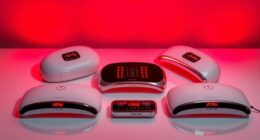

The best assistive listening FM system for most group settings is the Williams AV FM 558 PRO, which stands apart for large-area coverage and combined FM and Wi-Fi support. For a ready-to-use church or school setup, the 10-Person Assistive Listening System pairs a larger receiver group with a carrying case and support; the Retekess TR503 is a more compact choice for translation-style listening. The main tradeoffs are how many listeners you need to serve, how much coverage the venue requires, and whether you need multiple channels or a simpler one-transmitter setup. Compatibility, receiver charging, and ongoing support can matter as much as the headline range. Read on for the full comparison and guidance on choosing a system for your venue.

Get everyday helpers delivered free with Prime
- Fast, free delivery on millions of items
- Prime Video, Amazon Music and more included
- Member-only deals all year
Key Takeaways
- Venue scale changes the shortlist: the Williams AV FM 558 PRO is the standout for large areas, while packaged systems such as the 10-Person option better suit smaller, organized groups.
- Receiver count is a practical dividing line: the 4-Person system favors a small audience, while the 10-receiver Retekess TR503, TT119, and Avantree Audiplex MX are aimed at group distribution.
- Multi-channel support matters most for simultaneous sessions: the T-500-4 and Williams Sound PFM PRO offer channel flexibility, but that capability is unnecessary for a single-speaker event.
- FM listening and tour-guide audio serve different routines: the Retekess TT106S pairs a tour-guide microphone and speaker with stated long battery life, making it a distinct fit from fixed venue listening systems.
- Support and kit completeness affect day-to-day usability: the 10-Person package lists a carrying case, ADA plaque, US-based warranty, and phone support, while the 4-Person system distinguishes itself with a lifetime warranty and support.
| 4-Person Assistive Listening System with Lifetime Warranty and Support |  | Best for Long-Term Venue Support | Supported listeners: Up to 4 | Included accessories: Neckloops, ADA plaque | Expandability: Additional receivers can be added | VIEW ON AMAZON | See Our Full Breakdown |
| T-500-4 FM Multi-Channel Assistive Listening & Interpretation Transmitter 72-76 MHz | 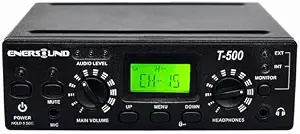 | Best for Multi-Channel Interpretation | Frequency range: 72–76 MHz | Channels: 4 | Operating range: 500 ft (152 m) | VIEW ON AMAZON | See Our Full Breakdown |
| Retekess TR503 Church Translation System – FM Listening Device (1 Transmitter, 10 Receivers) |  | Best Ready-to-Use Group Bundle | Model: TR503 | Included system: 1 transmitter, 10 receivers | Transmission distance: 30 meters (open air) | VIEW ON AMAZON | See Our Full Breakdown |
| Retekess TT106S Assistive Listening System, Tour Guide Microphone and Speaker, 200m Range, 50H Battery Life |  | Best for Long Tours and Mobile Groups | Battery life: Up to 50 hours | Range: 200 meters / 656 feet | Battery capacity: 450 mAh | VIEW ON AMAZON | See Our Full Breakdown |
| 10-Person Assistive Listening System with Carrying Case, ADA Plaque, US-Based 3-Year Warranty and Phone Support – Ideal for Churches and Schools |  | Best for Larger Fixed Venues | Capacity: Up to 10 listeners | Included accessories: CAS-10 carrying case, ADA plaque | Warranty: 3 years, U.S.-based | VIEW ON AMAZON | See Our Full Breakdown |
| Williams AV FM 558 PRO Large-Area Dual FM Plus and Wi-Fi Assistive Listening System |  | Best for Professional Venues Needing FM and Wi-Fi | Connectivity: Wi-Fi and dual FM | Channels: 4 | Output power: 400 milliwatts | VIEW ON AMAZON | See Our Full Breakdown |
| Avantree Audiplex MX Multi-Channel Assistive Listening System with 1 Transmitter and 10 Receivers |  | Best for Multi-Channel Group Listening | Channels supported: 4 | Latency: 30 ms | Wireless range: Up to 100 m | VIEW ON AMAZON | See Our Full Breakdown |
| Williams Sound PFM PRO Personal FM Listening System – 17 Channels, 72‑76 MHz |  | Best Portable Personal FM Kit | Channels: 17 selectable | Operating frequencies: 72–76 MHz | Range: Up to 150 ft (46 m) | VIEW ON AMAZON | See Our Full Breakdown |
| Retekess TT119 Assistive Listening System, Church Translation (1 TX + 10 RX) |  | Best for Large Venues and Extended Range | Channels: 17 | Stated range: Up to 300 m (984 ft) | Included system: 1 transmitter and 10 receivers | VIEW ON AMAZON | See Our Full Breakdown |
| assistive listening devices fm system | Channels |
|---|---|
| 4-Person Assistive Listening S | — |
| T-500-4 FM Multi-Channel Assis | 4 |
| Retekess TR503 Church Translat | 17 |
| Retekess TT106S Assistive List | 9,999 |
| 10-Person Assistive Listening | — |
| Williams AV FM 558 PRO Large-A | 4 |
| Avantree Audiplex MX Multi-Cha | — |
| Williams Sound PFM PRO Persona | 17 selectable |
| Retekess TT119 Assistive Liste | 17 |
More Details on Our Top Picks
4-Person Assistive Listening System with Lifetime Warranty and Support
For a church, school, or theater that expects steady but modest demand, this four-person FM system is a practical starting point. Its included neckloops and ADA plaque help venues serve listeners who use compatible hearing aids while making the listening service more visible. Compared with the Enersound 10-person system, it is aimed at smaller groups and is lighter at four pounds, but its built-in capacity is lower. The system can be expanded with additional receivers, though those require a separate purchase, so growth adds cost and planning. Its standout advantage is the lifetime warranty and phone support, a reassuring provision for organizations that want ongoing help. Choose it for support and a compact starting capacity, not for a large audience out of the box.
Pros:- Supports up to four listeners and can be expanded with additional receivers.
- Includes neckloops for compatible hearing-aid users.
- ADA plaque helps venues identify the assistive-listening service.
- Lifetime warranty and phone support offer ongoing product assistance.
Cons:- Capacity is limited to four users unless extra receivers are purchased.
- The supplied details do not specify operating range, frequency band, or receiver battery arrangements.
Best for: Churches, small theaters, and school venues that usually serve up to four assistive-listening users and value long-term phone support.
Not ideal for: Venues that routinely need more than four receivers ready to use, or buyers who want a larger complete group package from the outset.
- Supported listeners:Up to 4
- Included accessories:Neckloops, ADA plaque
- Expandability:Additional receivers can be added
- Warranty:Lifetime
- Support:Phone support
- Item weight:4 pounds
Our verdict“Choose this system for a small venue that prioritizes included accessibility accessories and long-term support over high initial capacity.”
T-500-4 FM Multi-Channel Assistive Listening & Interpretation Transmitter 72-76 MHz
The T-500-4 suits venues that need to send different audio feeds, such as a main program and interpretation, rather than simply provide one listening channel to a small group. Its four-channel transmitter, several input types, and interpreter monitoring function give organizers more routing flexibility than the Retekess TR503, which is packaged around one transmitter and up to ten receivers. The stated 500-foot range also targets larger spaces, though actual coverage can depend on the venue. Setup is aided by an LCD programming display, but listeners need compatible Enersound FM receivers; it will not work with ordinary car radios. That receiver dependency and its fixed 72–76 MHz band narrow the choice of listening equipment. I’d favor it when channel flexibility and interpretation matter more than an all-in-one receiver bundle.
Pros:- Four channels support separate listening or interpretation feeds.
- 3.5 mm, XLR/¼-inch combo, and RCA inputs accommodate varied audio sources.
- Interpreter monitoring function supports interpretation workflows.
- LCD programming display and stated 500-foot range suit organized venue use.
Cons:- Receivers are not listed among the included items and must be compatible Enersound models.
- The 72–76 MHz band limits receiver choices.
- Not compatible with regular car radios.
Best for: Houses of worship, conference organizers, and interpretation teams that need multiple audio feeds and can provide compatible Enersound receivers.
Not ideal for: Buyers seeking a ready-to-use bundle with receivers included, or anyone expecting compatibility with regular radios.
- Frequency range:72–76 MHz
- Channels:4
- Operating range:500 ft (152 m)
- Audio inputs:3.5 mm jack, XLR/¼-inch combo, RCA
- Included:Transmitter, antenna, power supply
- Receiver compatibility:Enersound FM receivers, such as R-120
- Warranty:Lifetime
Our verdict“Pick the T-500-4 when a venue needs multi-channel interpretation and already has, or plans to buy, compatible receivers.”
Retekess TR503 Church Translation System – FM Listening Device (1 Transmitter, 10 Receivers)
The TR503’s clearest advantage is that it arrives as a one-transmitter, ten-receiver group system, making it a more immediate fit for church translation than the T-500-4, which requires compatible receivers to be sourced separately. Its 17 channels and five station presets offer some coordination flexibility, while 15 volume levels let listeners adjust output to personal comfort. The tradeoff is reach: the stated open-air distance is 30 meters, far shorter than the 200-meter range listed for the Retekess TT106S. That makes the TR503 better suited to a contained room than a sprawling site or outdoor tour. The transmitter runs for about eight hours per charge, but its receivers use two AAA batteries each, which are not included. I’d choose it for a modest, self-contained group, not for long-distance coverage.
Pros:- Bundle includes one transmitter and ten receivers for group listening.
- 17 channels and five presets allow channel selection and saved stations.
- 15 volume levels give listeners a range of adjustment.
- Transmitter offers about eight hours of runtime after a two-to-three-hour charge.
Cons:- Stated range is limited to 30 meters in open air.
- Receivers require two AAA batteries each, which are not included.
- At 1.9 pounds and the listed dimensions, the unit is less discreet and compact than a small personal receiver.
Best for: Churches and small interpretation groups that want a transmitter with ten receivers included for use within a contained venue.
Not ideal for: Large venues or outdoor groups that need more than about 30 meters of stated open-air range, or buyers who prefer rechargeable receiver power.
- Model:TR503
- Included system:1 transmitter, 10 receivers
- Transmission distance:30 meters (open air)
- Channels:17
- Station presets:5
- Transmitter battery:450 mAh lithium; about 8 hours runtime
- Transmitter charging time:2–3 hours
- Receiver power:2 × AAA batteries per receiver; not included
- Adjustable volume levels:15
Our verdict“Choose the TR503 for a contained church or group setting that needs ten receivers in the box more than extended range.”
Retekess TT106S Assistive Listening System, Tour Guide Microphone and Speaker, 200m Range, 50H Battery Life
For guides who move with their listeners, the TT106S is a stronger match than the room-focused Retekess TR503. Its stated 200-meter range and 50-hour battery life reduce the need to stay close to a fixed transmitter or recharge between short events. One-touch controls make day-to-day operation approachable, while the AUX input allows an external audio source. The system also lists 9,999 channels for separating simultaneous teams, a large selection that may help in busy settings but could take extra coordination to manage. Unlike the TR503, the supplied information does not specify a receiver count or detail sound quality, so group capacity and listening performance are harder to judge from these specs alone. Its strongest case is mobile use and long runtime, not a clearly documented large fixed installation.
Pros:- Stated 200-meter range supports groups spread across a tour or training space.
- Up to 50 hours of battery life reduces charging frequency.
- One-touch controls and automatic shutdown after 20 minutes without signal simplify operation and conserve power.
- Multiple channels and AUX input support team separation and external audio.
Cons:- The supplied product details do not specify how many receivers are included.
- Sound-quality details are limited, making audio performance harder to compare.
- A channel count of 9,999 may require extra coordination for users who only need a simple setup.
Best for: Tour guides, trainers, and mobile interpreters who need long operating time and substantial separation between teams.
Not ideal for: Venue buyers who need a clearly specified receiver bundle, detailed audio-performance information, or a simple fixed-channel setup.
- Battery life:Up to 50 hours
- Range:200 meters / 656 feet
- Battery capacity:450 mAh
- Charging time:3 hours
- Channels:9,999
- Receiver volume levels:0–9
- Auto-shutdown:After 20 minutes without signal
- Compatibility:AUX audio input
Our verdict“Choose the TT106S for mobile groups that value long runtime and wide stated range, but confirm receiver quantities before buying.”
10-Person Assistive Listening System with Carrying Case, ADA Plaque, US-Based 3-Year Warranty and Phone Support – Ideal for Churches and Schools
When a church or school regularly needs listening support for a larger group, this ten-listener Enersound package starts with more capacity than the four-person system in this lineup. The included CAS-10 carrying case and ADA plaque make it easier to organize and identify the service, while phone support and a three-year U.S.-based warranty offer a clear support path. It can also grow with additional Enersound R-120 or R-100 receivers. Compared with the Retekess TR503, which lists ten receivers in its bundle, the Enersound is described as a ten-listener system but does not specify the same transmitter-and-receiver breakdown in the supplied details. At 20 pounds, it is also less attractive for frequent transport. This pick makes the most sense when capacity and venue support matter more than portability.
Pros:- Supports up to ten listeners before expansion.
- Includes a carrying case and ADA plaque for storage and service identification.
- Three-year U.S.-based warranty includes phone support.
- Can be expanded with Enersound R-120 or R-100 receivers.
Cons:- The 20-pound weight makes frequent transport less convenient.
- More than ten listeners require additional receivers.
- The supplied details do not specify operating range, frequency, or the exact included transmitter and receiver quantities.
Best for: Churches, schools, and community venues that regularly serve up to ten assistive-listening users and want U.S.-based phone support.
Not ideal for: Touring groups or small venues where a 20-pound system is inconvenient, or buyers who need a clearly itemized receiver bundle before purchase.
- Capacity:Up to 10 listeners
- Included accessories:CAS-10 carrying case, ADA plaque
- Warranty:3 years, U.S.-based
- Support:Phone support
- Item weight:20 pounds
- Expandable receivers:Enersound R-120 or R-100 FM receivers
Our verdict“Choose this system for a venue serving larger groups that values support and organized storage more than low weight or portability.”
Williams AV FM 558 PRO Large-Area Dual FM Plus and Wi-Fi Assistive Listening System
The FM 558 PRO suits venues that want listeners to have more than one way to access program audio: it combines dual FM and Wi-Fi and comes with multiple receivers and listening accessories. That makes it a more installation-oriented choice than the personal Williams Sound PFM PRO, which is built around a portable transmitter-and-receiver kit rather than a large-area system. Its four channels add options for separating audio feeds, while compatibility with smartphones and speakers supports varied source setups. The tradeoff is that the product data calls for professional installation for an effective setup, so it is less appealing for a small group seeking a system they can deploy quickly. Choose it for an established venue that can manage installation, not for casual or individual listening.
Pros:- Combines FM and Wi-Fi listening options
- Includes multiple receivers, earphones, and neckloops
- Four channels allow multiple audio feeds
- Supports smartphone and speaker compatibility
Cons:- Professional installation is recommended for optimal setup
- The supplied details do not specify receiver count or wireless range
Best for: Venues with staff or installers who need both FM and Wi-Fi listening options and multiple receivers for shared events
Not ideal for: Individuals or small groups seeking a portable, quick-start FM kit; installation needs and large-area orientation add unnecessary complexity
- Connectivity:Wi-Fi and dual FM
- Channels:4
- Output power:400 milliwatts
- Compatible devices:Smartphone, speaker
- Connectors:RCA, USB
- Audio output modes:Stereo, surround
- Included accessories:Multiple receivers, earphones, and neckloops
Our verdict“Choose the FM 558 PRO when a professionally installed venue system needs both FM and Wi-Fi, rather than a compact personal kit like the Williams Sound PFM PRO.”
Avantree Audiplex MX Multi-Channel Assistive Listening System with 1 Transmitter and 10 Receivers
The Audiplex MX is a practical fit for schools, churches, and event organizers who need to distribute audio to a defined group. Its four channels help separate audio feeds, while the stated 30 ms latency is designed to keep received sound closely synchronized with the source. The included ten clip-on receivers make the starting setup clearer than the Williams AV FM 558 PRO, whose supplied description does not give a receiver count. The Audiplex MX also lists a range of up to 100 meters and expandable receiver capacity, useful when a group grows. Its limits are straightforward: pairing multiple devices takes setup, and groups larger than ten need additional receivers. This is a group system, not the more portable one-listener format of the Williams Sound PFM PRO.
Pros:- Four channels support separate audio feeds
- 30 ms latency supports synchronized listening
- Includes ten clip-on receivers
- Expandable receiver system with stated 100-meter range
Cons:- Pairing and setting up multiple receivers takes time
- Groups exceeding ten listeners need additional receivers
Best for: Schools, churches, and event teams serving groups of up to ten listeners who need multiple audio channels and room to expand
Not ideal for: Solo listeners or organizers who need the longest stated range; its 100-meter reach is shorter than the Retekess TT119’s listed 300 meters
- Channels supported:4
- Latency:30 ms
- Wireless range:Up to 100 m
- Included receivers:10 clip-on receivers
- Expandable:Yes
- Included earbuds:3 wired earbuds
- Included system components:1 transmitter and 10 receivers
Our verdict“Pick the Audiplex MX for a manageable, expandable group system with four channels, but choose the Retekess TT119 if maximum stated range matters more.”
Williams Sound PFM PRO Personal FM Listening System – 17 Channels, 72‑76 MHz
For a listener or presenter who needs a self-contained FM setup, the Williams Sound PFM PRO is the most portable, individual-focused option in this group. The kit pairs a body-pack transmitter and receiver with a lavalier microphone, earphone, folding headphones, input cable, batteries, and a carry case, so buyers have several ways to send and hear audio without assembling accessories separately. Its 17 selectable channels offer more channel choices than the four-channel Avantree Audiplex MX, while its stated range of up to 150 feet is much shorter than the Retekess TT119‘s 300 meters. That makes it better for personal or nearby listening than large-venue coverage. The key tradeoff is power: the included AA alkaline batteries need replacing, so it is less suited to continuous, long-running events.
Pros:- 17 selectable channels help users find a suitable channel
- Includes transmitter, receiver, microphone, earphone, and folding headphones
- Carry case supports portable use
- Stated range reaches up to 150 feet
Cons:- AA alkaline batteries limit uninterrupted operating time
- Shorter stated range than the Retekess TT119
- Personal kit format is less suited to distributing audio to a large receiver group
Best for: Individuals, presenters, or small settings needing a portable FM transmitter-and-receiver kit with multiple listening accessories
Not ideal for: Large venues or events requiring very long coverage and many receivers; its stated range is 150 feet and the kit is personal in format
- Channels:17 selectable
- Operating frequencies:72–76 MHz
- Range:Up to 150 ft (46 m)
- Transmitter:PPA T46 FM body-pack transmitter
- Receiver:PPA R37 FM body-pack receiver
- Listening accessories:EAR 041 mini earphone and HED 021 folding headphone
- Power and storage:2 AA alkaline batteries and CCS 043 carry case
Our verdict“Choose the PFM PRO for a portable, fully accessorized personal FM setup, and favor the Audiplex MX or TT119 for larger groups.”
Retekess TT119 Assistive Listening System, Church Translation (1 TX + 10 RX)
The Retekess TT119 stands out when coverage across a large venue matters more than a compact transmitter. Its stated range of up to 300 meters exceeds the 100-meter figure for the Avantree Audiplex MX and the 150-foot reach of the personal Williams Sound PFM PRO. Automatic pairing and a broad selection of inputs—including XLR, AUX, RCA, and USB—can simplify connection to a venue mixer or other audio source. Seventeen channels and one-click controls also suit recurring church or conference use. There are tradeoffs: the transmitter weighs 3.86 kg, and it starts in mono, so stereo listening requires a manual change. The lightweight 90-gram receiver is easier for attendees to carry, but the heavier base unit is better placed and operated as fixed venue equipment.
Pros:- Stated range reaches up to 300 meters
- 17 channels and XLR, AUX, RCA, and USB inputs
- Automatic pairing and one-click controls simplify operation
- 90-gram receiver offers up to 10 hours of continuous use
Cons:- Transmitter weighs 3.86 kg, limiting portability
- Default mono mode requires manual switching for stereo
- Receiver operation requires an AA battery
Best for: Churches, conference rooms, and auditoriums needing a long-range system, multiple input options, and ten included receivers
Not ideal for: Mobile presenters or small groups that need a lightweight, personal setup; the 3.86 kg transmitter and venue-oriented range are excessive
- Channels:17
- Stated range:Up to 300 m (984 ft)
- Included system:1 transmitter and 10 receivers
- Input types:XLR, AUX, RCA, USB
- Receiver weight:90 g
- Receiver battery life:Up to 10 hours continuous use
- Audio modes:Stereo and mono; default mode is mono
- Transmitter weight:3.86 kg
Our verdict“Choose the TT119 for a fixed venue that needs long-range coverage and flexible audio inputs; opt for the Audiplex MX for a lighter, shorter-range group setup.”

How We Picked
I compared these systems as tools for getting speech to listeners in shared spaces, not as interchangeable radio kits. The ranking favors usable receiver capacity, stated coverage or channel flexibility, clarity of purpose, and how readily a buyer can deploy and maintain the system. I also weighed support, warranty information, included accessories, and whether the design fits a fixed venue, interpretation setup, or mobile tour.
The Williams AV FM 558 PRO leads for its large-area FM-plus-Wi-Fi approach, while the 10-Person system earns a strong position through its venue-ready package and support details. Multi-channel models rank higher for settings that need separate audio feeds; simpler receiver bundles make more sense for one source and a defined group. Where the listed details do not establish a feature, I do not treat it as a proven advantage. Before buying, confirm receiver compatibility, the exact contents of the kit, local frequency rules, and whether the system meets your accessibility needs.
Factors to Consider When Choosing Assistive Listening Devices Fm System
Choosing among assistive listening FM systems starts with the listening situation, not the longest feature list. I would map the audience, venue, and audio sources first, then check the practical details that determine whether the system will work reliably week after week.
Match Coverage to the Room and Audience
Coverage claims are not a guarantee of clear audio in every seat: walls, building materials, interference, and transmitter placement can change performance. A system intended for a large area may be a better starting point for a hall than a small packaged kit, but the actual venue still needs a coverage check. For irregular buildings, test in the farthest listening locations and behind likely obstructions before committing to a rollout. Avoid choosing only by a stated maximum range, since open-space figures may not reflect a crowded indoor room. If the venue hosts events in several rooms, ask whether the transmitter can be moved easily or whether separate systems are needed.
Plan Receiver Counts Around Real Attendance
Count the people likely to need receivers at the same event, then add a modest reserve for growth, repairs, or a device that is unavailable. A four-receiver package can suit a small, predictable group but may leave a venue short when attendance changes. A ten-receiver bundle covers a larger initial group, though it still may not meet peak demand. Ask whether additional compatible receivers can be purchased separately and what they cost to maintain, rather than assuming every receiver will work across brands. Also plan how guests will request, collect, return, and sanitize units without drawing attention to the process.
Choose Channels for Your Audio Setup
Extra channels are useful when a venue runs simultaneous services, interpretation feeds, or multiple sessions that listeners need to select between. For a single speaker and one listening feed, multi-channel equipment may add setup steps without improving the audience experience. Check how listeners select a channel and whether the channel plan is clear enough for staff and visitors to manage. When events share a building with other wireless equipment, ask the seller or an accessibility specialist about frequency coordination and local regulations. Never assume that a product’s channel count alone guarantees compatibility with equipment you already own.
Check Compatibility With Hearing Devices
Listeners may use hearing aids, cochlear implants, headphones, or a mix of devices, so the receiver connection matters. Ask whether the package supports a neckloop or other coupling accessory for hearing aids with telecoils, and whether that accessory is included or sold separately. Some guests may prefer headphones, while others need a direct connection to their own device. Do not assume that an FM receiver will pair directly with every hearing aid or implant processor. A short compatibility check with the venue’s regular users can prevent a system from being technically functional but inaccessible in practice.
Budget for Charging, Cleaning, and Storage
Receiver upkeep shapes the real workload: staff may need to charge units, replace batteries, clean shared earpieces, and track devices between events. Before purchase, verify battery type, charging method, expected operating time, and whether spare batteries or charging accessories are available. A carrying case can reduce loss and simplify transport, but it does not replace an inventory and charging routine. For frequent events, assign responsibility for checking each unit before and after use. Consider hygiene needs as well, including replaceable ear tips or a process for issuing personal accessories.
Weigh Support and Future Expansion
Warranty length is only one part of support; response channels, repair options, replacement availability, and staff training also affect downtime. A package with phone support may help organizations without an in-house AV team, while a longer warranty can matter when the system is used regularly. Ask whether the manufacturer can supply more receivers, microphones, and accessories later, and whether those additions will remain compatible. Schools, houses of worship, and public venues should also confirm their accessibility obligations with qualified local guidance rather than treating a device purchase as proof of compliance. Paying more makes sense when it buys the coverage, compatibility, or service support your actual operating plan requires.
Frequently Asked Questions
Can I use one FM system for both church services and interpreted events?
Possibly, but the deciding factor is whether you need one audio feed or several selectable feeds. A single-service setup may work with a straightforward transmitter and receiver group, while simultaneous interpretation usually calls for channel options and a clear channel plan. Check that receivers can select the needed channels and that interpreters can connect their audio sources properly. Ask the supplier to confirm the complete signal path, not just the transmitter’s channel count. Test the setup with the actual microphones and venue equipment before relying on it for an event.
Will an FM receiver work with my hearing aid or cochlear implant?
It depends on the listener’s device and the receiver’s connection options. Some people listen through supplied headphones; others may need a neckloop or a compatible audio connection to use their hearing device. Ask the manufacturer or audiologist to confirm the exact connection and any accessory needed, since compatibility should not be assumed from the term “assistive listening.” If several guests will use the system, offer more than one listening method where possible. A trial with the intended users is the best way to catch comfort or connection problems before a public event.
How many receivers should a venue buy?
Base the number on the highest realistic number of listeners who may need the system at one event, not on average attendance alone. Add a reserve if devices may be charging, undergoing cleaning, or awaiting repair when the next event begins. A small group kit can be sufficient for a predictable audience, while a larger receiver bundle reduces the risk of running short at busy services. Confirm whether compatible receivers can be added later and whether they are sold individually. A simple checkout log can also reveal whether demand is rising before you expand the system.
Does a system advertised for a long range cover a whole building?
Not necessarily: advertised range can depend on open space and may shrink indoors because of walls, layout, and interference. A large-area model is a sensible candidate for a broad venue, but the phrase “long range” alone cannot confirm coverage in your building. Ask for guidance based on the venue layout, transmitter placement, and the locations where listeners sit. If possible, arrange an on-site trial or test the system during a normal event. Check reception at the edges of the room and in any areas where audience members may need access.
Should I choose a multi-channel system if we only play one audio feed?
Usually, not unless you expect your needs to change or need to avoid interference through channel selection. Extra channels can support interpretation or concurrent sessions, but they also add choices that staff and listeners may need to understand. For a single speaker and one group feed, prioritize reliable coverage, compatible receivers, and straightforward setup. If your venue sometimes hosts separate programs, ask whether different channels can be used without adding another transmitter. The right choice depends on your event schedule, not on the highest channel count in a product listing.
Conclusion
For the best overall fit, I would start with the Williams AV FM 558 PRO when broad coverage and FM-plus-Wi-Fi support match the venue. For best value in a ready-to-distribute venue package, the 10-Person Assistive Listening System stands out for its receiver count, case, ADA plaque, and listed support; the Retekess TR503 is another straightforward group option. For beginners, choose a system whose receiver count and setup match one clear audio feed, rather than paying for channels you will not use. For premium or specialized needs, compare the Williams AV model for large areas and the T-500-4 or Williams Sound PFM PRO when multiple channels matter. For mobile tour-guide use, the Retekess TT106S has a more fitting microphone-and-speaker format. Before placing an order, confirm compatibility, accessories, frequency requirements, and coverage for your actual space.
Columbus Day / Indigenous Peoples' Day Picks
long weekend sales
As an affiliate, we earn on qualifying purchases.