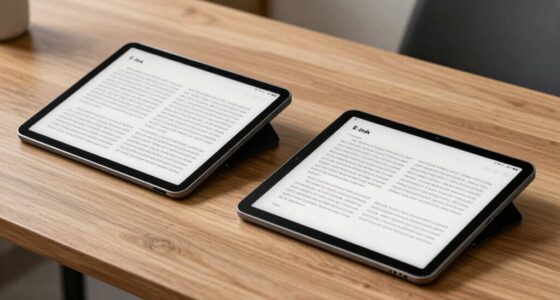
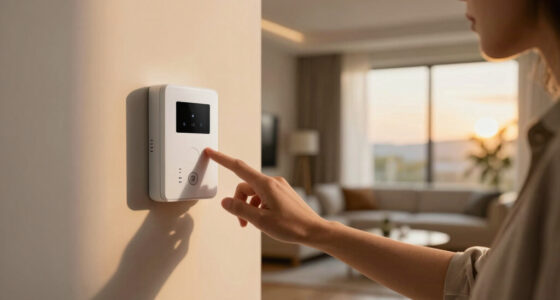
For most students who use compatible Oticon hearing aids, I’d start with the Edumic wireless remote microphone, while the Retekess TT106S stands out for classrooms that need multiple microphones and the Avantree Audiplex M3 for compact, multi-channel group listening. These options serve different needs: some send a teacher’s voice to one hearing-aid wearer, while others distribute audio to several receivers. The right choice depends on hearing-aid compatibility, how many students need access, and whether the classroom needs a portable kit or a shared system. Receiver count and ease of daily setup can matter as much as wireless range. Read on for how all seven options compare and which type of classroom each best suits.

Get everyday helpers delivered free with Prime
- Fast, free delivery on millions of items
- Prime Video, Amazon Music and more included
- Member-only deals all year
Complete the kit



Key Takeaways
- Edumic is the most targeted pick in this group: it is designed for Oticon hearing aids, so compatibility should lead the decision rather than a general feature comparison.
- Retekess TT106S and TT119 address different group needs: the TT106S offers two wireless microphones, while the TT119 is packaged around one transmitter and ten receivers.
- Receiver quantity changes the classroom plan. The four-person system, Avantree’s three clip-on receivers, and VocoPro’s ten-receiver bundle suit different group sizes and should not be treated as interchangeable.
- Listen Technologies LR-4200-072 is a receiver-led option with a neck loop and 72 MHz RF design, making it a different fit from the newer-feeling 2.4 GHz systems in this roundup.
- No single kit suits every student. Hearing-aid compatibility, the need for personal receivers, and staff capacity to charge, distribute, and maintain equipment separate these choices more than a feature checklist does.
| Edumic for Oticon Hearing Aids – Wireless Remote Microphone |  | Best for Oticon Hearing Aid Users | Connectivity Technology: Bluetooth | Compatible Devices: Oticon Bluetooth Hearing Aids | Microphone Form Factor: Wireless | VIEW ON AMAZON | See Our Full Breakdown |
| Listen Technologies LR-4200-072 Intelligent DSP RF Receiver (72 MHz) with Neck Loop |  | Best for Venue Flexibility | Frequency: 72 MHz | Channels: 57 total (17 Wide Band, 40 Narrow Band) | Battery Life: 8 hours continuous use | VIEW ON AMAZON | See Our Full Breakdown |
| Retekess TT106S Assistive Listening System with 2.4G Wireless Microphones |  | Best for Multi-Group Events | Battery Life: 50 hours | Range: 200 meters | Channels: 9999 | VIEW ON AMAZON | See Our Full Breakdown |
| Retekess TT119 Assistive Listening System, Church Translation (1 TX, 10 RX) |  | Best for Large Venues | Connectivity Technology: Auxiliary, FM, Wireless | Connector Type: 3.5 mm Jack | Special Feature: Desktop FM transmitter, Listenable, Long Range, Recordable, Stereo | VIEW ON AMAZON | See Our Full Breakdown |
| Enersound 4-Person Assistive Listening System with 3-Year Warranty, Phone Support, and ADA Plaque |  | Best for Small Groups with Support | Item Weight: 4 pounds | Warranty: 3-Year US-Based Warranty | ADA Plaque: Included | VIEW ON AMAZON | See Our Full Breakdown |
| VocoPro IEM-900-10PACK Wireless Assistive Listening System with 10 Receivers and 1 Transmitter |  | Best for Large Classrooms & Auditoriums | Brand: VocoPro | Model Number: IEM-900-10PACK | Transmitter/Receivers: 1 transmitter and 10 bodypack receivers | VIEW ON AMAZON | See Our Full Breakdown |
| Avantree Audiplex M3 Multi-Channel Assistive Listening System – 1 Transmitter & 3 Clip-On Receivers |  | Best for Multi-Channel Group Listening | Channels: Up to 4 selectable | Latency: 30 ms | Range: 100 m / 328 ft | VIEW ON AMAZON | See Our Full Breakdown |
| assistive listening devices for student | Frequency |
|---|---|
| Edumic for Oticon Hearing Aids | — |
| Listen Technologies LR-4200-07 | 72 MHz |
| Retekess TT106S Assistive List | 2.4 GHz |
| Retekess TT119 Assistive Liste | — |
| Enersound 4-Person Assistive L | — |
| VocoPro IEM-900-10PACK Wireles | 900 MHz UHF |
| Avantree Audiplex M3 Multi-Cha | 2.4 GHz RF |
More Details on Our Top Picks
Edumic for Oticon Hearing Aids – Wireless Remote Microphone
For students who already wear Oticon Bluetooth hearing aids, the Edumic is the most direct solution I’ve seen. Unlike the Listen Technologies LR-4200, which requires a neck loop to couple with T-coil hearing aids, the Edumic streams speech straight to the hearing aid via Bluetooth, eliminating extra hardware between the teacher and the student’s ear. The clip-on design and rechargeable battery make it practical for a full school day. However, this pick is strictly for Oticon users — if your child wears a different brand, you’ll need to look at a universal system like the Retekess TT106S. The nonstandard battery is also a minor annoyance, though the rechargeable nature mitigates that.
Pros:- Direct Bluetooth streaming to Oticon hearing aids for clear speech
- Lightweight clip-on design with rechargeable battery for all-day use
- Hearing loop support expands compatibility in public venues
Cons:- Only works with Oticon hearing aids — no cross-brand compatibility
- Nonstandard battery type may be harder to replace than common AA or AAA
Best for: Students with Oticon Bluetooth hearing aids who need direct, low-latency audio streaming in classrooms.
Not ideal for: Families with non-Oticon hearing aids — this device won’t pair at all, so a universal FM or 2.4GHz system is a better fit.
- Connectivity Technology:Bluetooth
- Compatible Devices:Oticon Bluetooth Hearing Aids
- Microphone Form Factor:Wireless
- Battery:Rechargeable (nonstandard)
- Number of Channels:1
- Enclosure Material:Plastic
- Color:Black
Our verdict“If your student wears Oticon Bluetooth hearing aids, this is the most seamless wireless microphone option available.”
Listen Technologies LR-4200-072 Intelligent DSP RF Receiver (72 MHz) with Neck Loop
The Listen Technologies LR-4200 is the pick for students whose hearing aids have a T-coil but no Bluetooth. Its integrated neck loop turns the receiver into a direct audio source for any T-coil equipped device, which is far more universal than the Edumic’s Oticon-only Bluetooth. The DSP SQ noise reduction is a standout — it cuts background chatter by 20dB compared to standard RF systems, making it easier for a student to focus on the teacher’s voice in a noisy classroom. The OLED display is a nice touch for checking battery and channel. The tradeoff is that this receiver is only half the system; you’ll need a venue transmitter, and it’s single-channel, so it’s best for one classroom or lecture hall. Compared to the Retekess TT106S, which comes with its own mics and six receivers, the LR-4200 requires more upfront coordination with the venue’s AV setup.
Pros:- Integrated neck loop enhances T-coil hearing aid compatibility
- DSP SQ noise reduction provides 20dB less noise than competitors
- Rechargeable, field-replaceable lithium-ion battery eliminates frequent battery replacement costs
- OLED display clearly shows channel, battery status, and unit number
Cons:- Limited to single-channel applications
- Requires specific venue configuration for optimal performance
Best for: Students with T-coil hearing aids who need a flexible receiver that works across multiple venues with existing RF transmitters.
Not ideal for: Families looking for a complete out-of-the-box system — this is a receiver only, so you’ll need compatible venue infrastructure.
- Frequency:72 MHz
- Channels:57 total (17 Wide Band, 40 Narrow Band)
- Battery Life:8 hours continuous use
- Charge Time:2.5 hours
- Audio Outputs:Dual 3.5mm connectors
- Display:OLED
- Weight:2.40 oz (0.15 lb)
- Noise Reduction:DSP SQ Noise Reduction
Our verdict“If your venue already has an RF transmitter, this receiver with neck loop is the most adaptable choice for T-coil hearing aid users.”
Retekess TT106S Assistive Listening System with 2.4G Wireless Microphones
The Retekess TT106S is my go-to recommendation for schools that need to support multiple simultaneous listening groups — say, a field trip with different language interpreters or a classroom with several students using separate channels. With six receivers, 9999 selectable channels, and a 200-meter range, it outshines the Enersound system, which tops out at four listeners. The 50-hour battery life on the receivers is remarkable; I don’t see students running out of juice mid-day. The tradeoff is the setup: the sheer number of channels can confuse a teacher who just wants to plug and play. Compared to the TT119, which offers a longer 300-meter range and 17 channels for larger venues, the TT106S is more portable and easier to manage for smaller groups. The earhook receivers are comfortable but bulkier than the clip-on style of the Listen Technologies LR-4200.
Pros:- Long battery life of up to 50 hours
- Extensive channel options for multiple groups
- Easy to operate with one-touch controls
- Comfortable earhook design for extended wear
Cons:- Complex setup with many channels might be confusing for some users
- Bulkier design compared to traditional earphones
- Limited information on sound quality in reviews
Best for: Schools and event coordinators who need a portable, multi-channel system for several simultaneous listening groups.
Not ideal for: Users who want a simple single-channel setup — the channel options can overwhelm, and the bulkier earhooks aren’t ideal for all-day wear.
- Battery Life:50 hours
- Range:200 meters
- Channels:9999
- Battery Capacity:450mAh
- Charging Time:3 hours
- Receiver Volume Levels:0-9
- Auto-Shutdown:Yes after 20 minutes of no signal
- Number of Receivers:6
- Frequency:2.4 GHz
Our verdict“If you need to run several independent listening groups at once, this is the most flexible portable system in this roundup.”
Retekess TT119 Assistive Listening System, Church Translation (1 TX, 10 RX)
For a school auditorium or large lecture hall, the Retekess TT119 is the system I’d pick for sheer coverage. Its 300-meter range beats the TT106S by 100 meters, and the 10 receivers accommodate more students without needing expansion. The 17 channels are ideal for multilingual events or multiple simultaneous classes. The receiver is light at 90 grams and runs 10 hours on a single AA battery, which is convenient for swapping in a pinch. But the transmitter is a heavy 3.86 kg — it’s not something you’ll want to move around daily. Compared to the Enersound system, which includes an ADA plaque and US-based support, the TT119 offers more raw range and capacity but lacks that compliance touch. If your venue is fixed and you need maximum reach, this is the better buy; if you need portability and support, the Enersound is more practical.
Pros:- Ultra-long working distance up to 300 m, suitable for large venues
- One-click mute, pause and language switching for easy operation
- Supports up to 17 channels, enabling multiple simultaneous languages
- Lightweight receiver (90 g) with up to 10 hours of battery life
Cons:- Transmitter unit is relatively heavy at 3.86 kg
- Receiver relies on AA batteries, requiring periodic replacement
Best for: Large venues like auditoriums or multi-purpose rooms that need long-range coverage for up to 10 listeners.
Not ideal for: Teachers who need a portable system to carry between classrooms — the heavy transmitter makes that a chore.
- Connectivity Technology:Auxiliary, FM, Wireless
- Connector Type:3.5 mm Jack
- Special Feature:Desktop FM transmitter, Listenable, Long Range, Recordable, Stereo
- Compatible Devices:Audio Mixer, Microphone
- Power Source:Corded Electric (receiver uses AA batteries)
- Number of Channels:17
- Item Weight:3.86 kg
- Item Dimensions:17.91 x 12.2 x 10.63 inches
Our verdict“If you need to cover a large, fixed venue with up to 10 listeners and multiple language channels, this is the strongest choice here.”
Enersound 4-Person Assistive Listening System with 3-Year Warranty, Phone Support, and ADA Plaque
The Enersound system is the safest choice for a small classroom or a church nursery that needs to meet ADA compliance without overcomplicating things. What sets it apart from the Retekess options is the US-based three-year warranty and phone support — if something fails, you get a real person, not a chat bot. The included ADA plaque is a practical bonus for public venues that need to demonstrate accessibility. The downside is the base system only supports four listeners; you’ll need to buy additional receivers to go beyond that, which can get expensive. Compared to the TT106S, which comes with six receivers out of the box, the Enersound is less generous on capacity but far easier to set up and maintain. For a small group that values reliability and human support over raw channel counts, this is my pick.
Pros:- US-based phone support and a three-year warranty provide peace of mind
- Includes an ADA compliance plaque for accessibility requirements
- System can be expanded with additional receivers for larger audiences
Cons:- Base system limited to four listeners
- Extra receivers must be purchased separately
Best for: Small classrooms or meeting rooms with up to four students who need reliable, supported assistive listening and ADA compliance.
Not ideal for: Larger groups — the four-listener limit and need to purchase extra receivers makes it costly beyond that.
- Item Weight:4 pounds
- Warranty:3-Year US-Based Warranty
- ADA Plaque:Included
- Supported Listeners:4 (expandable)
- Expandable Receivers:Enersound FM R-120 or R-100
Our verdict“If you have a small group and want dependable support plus ADA compliance without setup headaches, this is the system to get.”
VocoPro IEM-900-10PACK Wireless Assistive Listening System with 10 Receivers and 1 Transmitter
When you need to serve a full classroom or lecture hall, the VocoPro IEM-900-10PACK is the clear choice. It comes with one transmitter and ten bodypack receivers, which is double the capacity of the Avantree Audiplex M3 out of the box. Unlike the Avantree’s single-channel focus, each VocoPro receiver delivers true stereo sound with independent volume and left-right balance controls, so students with asymmetric hearing loss can fine-tune each ear. The 900 MHz UHF band provides long-range, interference-free transmission that cuts through crowded RF environments better than the 2.4 GHz used by many competitors. The tradeoff is size and flexibility: the system is bulkier than the Avantree’s clip-on receivers, and if you need more than ten listeners, you must purchase additional receivers separately. For a fixed classroom setup where reliability and fidelity matter more than portability, this system is hard to beat.
Pros:- Stereo sound with independent volume and balance on each receiver
- Supports up to ten listeners right out of the box
- Long-range 900 MHz UHF transmission resists interference
- Professional-grade build suited for permanent installations
Cons:- Limited to ten users unless you buy extra receivers separately
- Bodypack receivers are bulkier and less convenient for younger students
- No multi-channel support for simultaneous language translation
Best for: Schools and universities with large lecture halls or auditoriums that need to serve up to ten hearing-impaired students simultaneously with high-fidelity stereo audio.
Not ideal for: Smaller classrooms or traveling teachers who need a compact, battery-friendly kit — the VocoPro’s bodypack receivers and UHF transmitter are less portable than the Avantree M3’s clip-on design.
- Brand:VocoPro
- Model Number:IEM-900-10PACK
- Transmitter/Receivers:1 transmitter and 10 bodypack receivers
- Frequency:900 MHz UHF
- Warranty:1 year limited parts and labor
- UPC:692868436109
- Manufacturer:VocoPro
Our verdict“If you need to equip a large classroom or auditorium with reliable, high-fidelity stereo assistive listening for up to ten students, this is the system to buy.”
Avantree Audiplex M3 Multi-Channel Assistive Listening System – 1 Transmitter & 3 Clip-On Receivers
The Avantree Audiplex M3 stands out for its four selectable channels, which lets you run separate audio streams for different language groups or classroom sections simultaneously. That’s a flexibility the VocoPro IEM-900-10PACK simply doesn’t offer — the VocoPro is single-channel, so it can’t handle multilingual events without additional systems. The M3 also delivers 30 ms low-latency audio, which keeps speech and video perfectly synced, a critical feature for students following along with presentations or captioned media. The clip-on receivers are lightweight and easy to wear, making them far more student-friendly than the VocoPro’s bulkier bodypacks. However, the M3 ships with only three receivers, so you’ll need to buy extras for a typical classroom, and the four-channel limit may not suffice for very large multi-language conferences. Battery-powered operation means you’ll need to keep charging routines in place, but the 100-meter range covers most medium-sized venues comfortably.
Pros:- Four independent channels for multilingual or multi-group use
- Very low 30 ms latency keeps audio synced with video and speech
- Lightweight clip-on receivers are comfortable for students
- Long 100 m wireless range works across medium-sized venues
Cons:- Only three receivers included — buying more adds cost
- Battery-powered receivers require regular charging and monitoring
- Four-channel limit may be restrictive for larger language interpretation setups
Best for: Schools and churches that host multilingual events or need to split students into multiple listening groups with low-latency, individually adjustable audio.
Not ideal for: Large auditoriums needing more than four simultaneous channels or more than a handful of receivers — you’d be better off with the VocoPro IEM-900-10PACK for capacity, or a dedicated multi-channel system for bigger translation needs.
- Channels:Up to 4 selectable
- Latency:30 ms
- Range:100 m / 328 ft
- Frequency:2.4 GHz RF
- Power Source:Battery Powered (5 V DC)
- Number of Batteries:3 Lithium-Ion (included)
- Item Weight:706 g
- Included Units:1 Transmitter, 3 Clip-On Receivers with wired earbuds
Our verdict“Choose the Avantree Audiplex M3 when you need flexible multi-channel listening in a portable, low-latency package for smaller groups or multilingual classrooms.”

How We Picked
I ranked these devices around the needs that shape student use: whether the system fits the student’s hearing technology, how many listeners it can serve, the likely classroom setup, and how much equipment staff must manage. A remote microphone for one hearing-aid wearer has a different job from a transmitter-and-receiver kit shared by a small group, so I compared each product within its intended use rather than treating every receiver as equivalent.
The order favors clear use cases and practical fit. Edumic leads for students with compatible Oticon hearing aids; group systems follow according to their microphone or receiver configuration and the type of listening environment they suggest. I also weighed tradeoffs such as less flexible compatibility, managing multiple receivers, and the need to confirm local frequency rules or school support. Product names and package details alone cannot confirm compatibility with a student’s particular hearing aid or classroom infrastructure, so buyers should verify those details with the school’s hearing specialist or supplier before ordering.
Factors to Consider When Choosing Assistive Listening Devices For Students
Choosing a student listening system starts with the classroom routine, not the transmitter. Before selecting a package, map who needs to hear, which devices they use, and who will look after the equipment between lessons. These checks can prevent a system from being technically suitable but awkward to use every day.
Match the signal path to the student’s hearing technology
First find out how the student’s hearing aids or cochlear implants accept audio: options may include a compatible remote microphone, a neck loop with a telecoil, or a separate receiver and listening aid. A system that works for one hearing-aid brand may not connect directly to another. Ask the student’s audiologist or school hearing specialist to confirm the exact model and accessories, not just the brand name. A mismatch can mean extra adapters, another receiver, or a system the student cannot use independently. This compatibility check matters more than choosing a system based on a broad label such as “classroom use.”
Count listeners and plan for growth
Decide whether the device serves one student, a small group, or a rotating set of listeners across classes. A larger receiver bundle can support more simultaneous users, but it also brings more charging, labeling, storage, and handoff work. A smaller package may be easier to carry and maintain, yet leave the school without a spare when a receiver is misplaced or another student needs access. Count actual users and allow for a realistic backup plan before choosing a bundle. Avoid paying for capacity that staff cannot support, but check whether adding compatible receivers later is possible.
Think through teacher and student routines
A microphone only helps when the right person wears it and remembers to pass it along during discussion. Consider whether lessons involve one teacher speaking, group work, visiting staff, or frequent changes between classrooms. Multiple microphones can help capture more than one speaker, but they may also add pairing and handoff steps. Ask who will explain the system to substitute teachers and how students can signal that audio is not working. A simple routine that works across a school day can be more useful than extra features that are rarely used.
Check the room, range, and wireless rules
Room layout, walls, interference, and nearby wireless equipment can affect how a system performs in practice. Do not assume a stated frequency or wireless label guarantees reliable coverage in every classroom; ask the supplier or school technology team about local conditions. For a system used across several rooms, check whether it can be set up consistently and whether channels can be separated where multiple groups operate nearby. Test the intended listening route before relying on the equipment for instruction. Confirm any frequency restrictions that apply in your location, especially for systems using a specified RF band.
Plan charging, cleaning, and equipment handoffs
Shared receivers need a clear home, a charging schedule, and a way to identify which unit belongs to which student or room. Small clip-on devices can be easy to distribute but also easy to lose, so storage and labeling deserve attention before the first lesson. Establish who checks batteries, cleans shared accessories, and reports faults. If the equipment moves between students, ask about hygiene guidance and whether personal accessories are available. A school with limited support time may be better served by fewer devices and a reliable routine than by a larger kit that is often incomplete.
Weigh support and future compatibility before paying more
Higher-cost systems can make sense when they provide the capacity or support a school genuinely needs, but added receivers are not useful if the school lacks a plan to maintain them. Compare what is included, whether replacement parts and compatible accessories are available, and what help the supplier offers if setup fails. For an individual student, confirm whether the device can continue to work as hearing technology changes. For a school-wide system, check whether staff can add users or use the equipment in more than one room. Ask for a demonstration or trial where possible, since the student’s comfort and ability to use the system are hard to judge from a product description alone.
Frequently Asked Questions
Can I use any of these systems with my student’s hearing aids?
No single system in this roundup can be assumed to work with every hearing aid. Edumic is specifically described for Oticon hearing aids, while a neck-loop receiver such as the Listen Technologies LR-4200-072 depends on the listener having compatible telecoil access or another suitable connection. Other systems may require their own receiver and listening arrangement. Ask the audiologist to verify the exact hearing-aid model, accessories, and connection method before purchase. That check can prevent buying a transmitter that cannot deliver audio to the student’s device.
Should a school choose one receiver per student or share a kit?
That depends on how regularly students use the system and whether equipment can be reliably handed out, collected, and charged. A dedicated receiver can reduce daily setup and make personal fit easier, while a shared kit may serve occasional users across several classes. Shared equipment calls for clear labeling, storage, cleaning, and responsibility for charging. Schools should also plan for a missing or faulty unit so a student is not left without access during a lesson. Ask students and staff which routine feels practical before settling on a distribution model.
Is a system with more receivers automatically better for a classroom?
No. More receivers can support more listeners at once, but each unit adds work around charging, storage, setup, and replacement. A larger kit makes sense when several students need the feed at the same time or the equipment serves multiple groups. For one student, a compatible personal microphone system may be simpler and less disruptive. Match the receiver count to actual simultaneous use, then check whether additional compatible units can be added if enrollment or needs change.
What should I check before choosing a wireless system for several rooms?
Check the system’s usable range in the school’s actual layout, including walls and other wireless equipment that could affect performance. Confirm the frequency or channel requirements with the school technology team and the supplier, since local rules and nearby devices can matter. Ask whether separate classrooms can operate without interfering with each other and whether staff can repeat the setup consistently. A brief trial in the intended rooms is more informative than relying on a general range claim. Also plan how microphones and receivers will move between classrooms.
When is it worth choosing a larger or more feature-rich system?
Paying for a larger setup makes sense when several students need audio simultaneously, teachers need more than one microphone, or the equipment must serve different groups. It is less useful when the extra capacity will sit unused or staff cannot manage charging and handoffs. Compare the ongoing workload and availability of replacement parts alongside the included equipment. A demonstration can reveal whether the added controls help in the school’s routine or simply add steps. For an individual student, a correctly matched and consistently used system may matter more than a broad feature set.
Conclusion
Best overall: I’d choose the Edumic for a student with compatible Oticon hearing aids who needs a teacher’s voice sent directly to their hearing technology. Best value: The Retekess TT106S is the group-oriented choice when two microphones suit lessons with more than one speaker, though buyers should confirm how its receivers fit their needs. Best for beginners: The four-person system is a straightforward starting point for a small group when its included receiver count matches the class. Best premium: VocoPro’s ten-receiver bundle makes the most sense for schools planning to serve a larger group and able to manage the additional equipment. Best for specific needs: Choose Listen Technologies for a suitable neck-loop and 72 MHz RF setup, Retekess TT119 when a one-transmitter, ten-receiver package fits the listening plan, or Avantree Audiplex M3 when three clip-on receivers and multi-channel use suit a smaller portable group. Before buying, confirm hearing-device compatibility, local wireless requirements, and the school’s daily support plan.