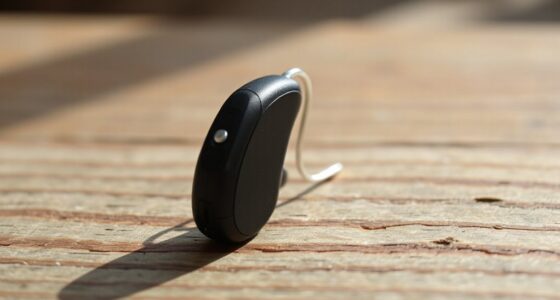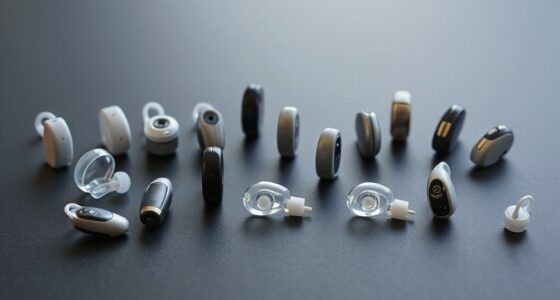
For those with hearing impairments, assistive listening devices can dramatically improve daily communication and quality of life. The Aurimi Bone Conduction Hearing Amplifier stands out as the best overall choice for comfort and ease of use, especially for seniors. The Audien Atom One offers a versatile, discreet option with rechargeable convenience, while the Williams Sound Pocketalker 2.0 provides powerful amplification for demanding environments. However, buyers face tradeoffs between device complexity, price, and portability. Continue reading for a detailed breakdown of these options and what to consider when choosing the right device for you.

Get everyday helpers delivered free with Prime
- Fast, free delivery on millions of items
- Prime Video, Amazon Music and more included
- Member-only deals all year
Complete the kit


Key Takeaways
- The top devices balance sound amplification power with user comfort and ease of use, especially for seniors or first-time users.
- Rechargeable models tend to offer better long-term value, but often come at a higher upfront cost.
- Devices with open-ear designs prioritize comfort and natural sound, ideal for prolonged wear, but may have less noise isolation.
- Wireless and microphone-enabled options excel in noisy environments and group settings, but can be more complex to operate.
- Price varies widely, with premium devices offering advanced features and durability, while budget models focus on basic amplification.
| Aurimi Bone Conduction Hearing Amplifier – Open Ear Comfortable Sound Enhancement Device for Seniors, Lightweight 25g with 10H Battery |  | Best Overall for Comfortable All-Day Wear | Weight: 25g | Battery Life: 10 hours | Water Resistance: IPX5 | VIEW ON AMAZON | See Our Full Breakdown |
| Jabees HearLink 3-in-1 Hearing Enhancement Device – Wireless Microphone and Audio Transmitter |  | Best for Versatile Wireless Streaming and Group Use | Battery Life: Up to 8 hours | Connectivity: Bluetooth, aptX | Use Cases: Hearing support, group discussions, streaming | VIEW ON AMAZON | See Our Full Breakdown |
| Audien Atom One OTC Hearing Aids | Wireless, Rechargeable, Comfortable, Clear Sound, Small Discreet Design | 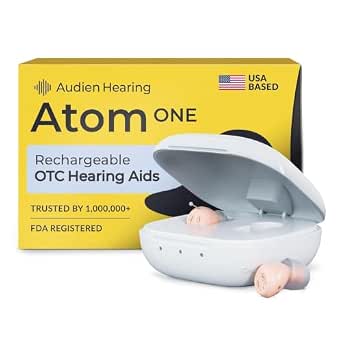 | Best for Personalized Sound and Discreet In-Ear Fit | Power Source: Rechargeable Lithium Ion batteries | Fit Type: In-Ear | Battery Life: All-day | VIEW ON AMAZON | See Our Full Breakdown |
| Reizen Loud Ear 110dB Gain Personal Amplifier |  | Best for Powerful Amplification in a Portable Form | Gain: 110dB | Sensitivity: 120dB | Range: 100 feet | VIEW ON AMAZON | See Our Full Breakdown |
| Williams Sound Pocketalker 2.0 Hearing Amplifier |  | Best for Seniors Needing Versatile, Simple Hearing Support | Amplification: Up to 40dB | Power Source: 2 AAA batteries | Battery Life: Up to 100 hours | VIEW ON AMAZON | See Our Full Breakdown |
| SuperEar SE7500 Hearing Amplifier, Personal Sound Amplification System |  | Best Overall for Versatile Everyday Use | Amplification: up to 50 dB | Battery Life: up to 80 hours | Battery Type: 2 AAA batteries | VIEW ON AMAZON | See Our Full Breakdown |
| Reizen Loud Ear 120dB Gain Personal Amplifier |  | Best for High-Intensity Amplification Needs | Gain: 120dB | Microphone: Built-in | Earphone: Mini earphone | VIEW ON AMAZON | See Our Full Breakdown |
| Non-Electric Hearing Amplifier |  | Best for Simplicity and Budget-Friendly Use | VIEW ON AMAZON | See Our Full Breakdown | |||
| SuperEar SE5000 Personal Hearing Amplifier with Headphones and Accessories |  | Best for Customizable, Portable Amplification | Amplification: up to 50 dB | Total Decibel Gain: 107 dB | Battery Life: up to 30 hours | VIEW ON AMAZON | See Our Full Breakdown |
| Rechargeable Hearing Amplifier with Microphone for Seniors and Adults |  | Best for Long-Lasting, Convenient Use | Maximum Sound Gain: 65dB | Battery Life: up to 120 hours | Charging Time: 1 hour | VIEW ON AMAZON | See Our Full Breakdown |
| SuperEar SE10 – Hearing Amplifiers, Personal Headphones |  | Best for Volume Enhancement and TV Streaming | Compatibility: Works only with SuperEar10 headphones/hearing buds | Remote Microphone: 2-in-1 device, acts as remote mic and TV streamer | Noise Reduction: Reduces ambient noise by up to 16 dB | VIEW ON AMAZON | See Our Full Breakdown |
| Williams Sound Pocketalker Ultra Hearing Amplifier with Batteries and Accessories |  | Best for Mild to Moderate Hearing Loss and Portability | Amplification: up to 40dB | Includes: 20 AAA batteries, headphones, mini earbud, microphone extension cord, neck lanyard, microfiber cloth, user manual | Controls: adjustable volume and tone | VIEW ON AMAZON | See Our Full Breakdown |
| Personal Sound Amplifier – Voice Enhancer Device with 50dB Gain, Up to 100 Feet Range | 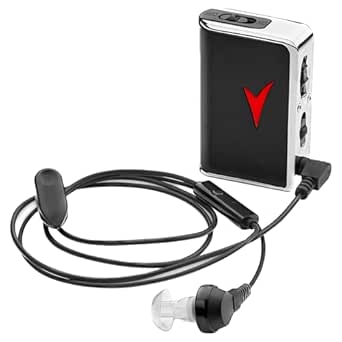 | Best for Outdoor and Distance Listening | Sound Gain: 50dB | Range: Up to 100 feet | Power Source: 1 x AAA battery | VIEW ON AMAZON | See Our Full Breakdown |
| Retekess TT042 Assistive Listening System with Bone Conduction Headphones |  | Best for Open-Ear Comfort and Ease of Use | Battery Capacity: 200mAh | Battery Life: 8 hours | Connectivity: Type-C, 3.5mm TRS | VIEW ON AMAZON | See Our Full Breakdown |
| Williams Sound PockeTalker Ultra DUO Sound Amplifier with Headphone & Earbud |  | Best for Group Listening and Long Battery Life | Acoustic Gain: 20-40 dB | Battery Life: Up to 100 hours | Microphone: Removable with extension cord | VIEW ON AMAZON | See Our Full Breakdown |
| assistive listening devices hearing impaired | Battery Life |
|---|---|
| Aurimi Bone Conduction Hearing | 10 hours |
| Jabees HearLink 3-in-1 Hearing | Up to 8 hours |
| Audien Atom One OTC Hearing Ai | All-day |
| Reizen Loud Ear 110dB Gain Per | — |
| Williams Sound Pocketalker 2.0 | Up to 100 hours |
| SuperEar SE7500 Hearing Amplif | up to 80 hours |
| Reizen Loud Ear 120dB Gain Per | — |
| Non-Electric Hearing Amplifier | — |
| SuperEar SE5000 Personal Heari | up to 30 hours |
| Rechargeable Hearing Amplifier | up to 120 hours |
| SuperEar SE10 | Up to 6 hours on a 10-minute charge, 24 hours on full charge |
| Williams Sound Pocketalker Ult | — |
| Personal Sound Amplifier | — |
| Retekess TT042 Assistive Liste | 8 hours |
| Williams Sound PockeTalker Ult | Up to 100 hours |
More Details on Our Top Picks
Aurimi Bone Conduction Hearing Amplifier – Open Ear Comfortable Sound Enhancement Device for Seniors, Lightweight 25g with 10H Battery
The Aurimi Bone Conduction Hearing Amplifier stands out for its open-ear design, which offers comfort and awareness of surroundings—a feature that makes it preferable over in-ear options like the Audien Atom One for users who dislike inserting devices into their ears. Its simple one-button control prioritizes ease of use, especially for seniors who may find complex controls frustrating. While it provides a lightweight fit and moderate water resistance, the device’s sound amplification levels are not specified, which could be a concern for those needing more significant enhancement. The initial adjustment period can be a hurdle, but once acclimated, users benefit from continuous comfort and situational awareness. Compared to traditional in-ear aids, this model sacrifices some amplification power for comfort and ease of use.
Pros:- Open-ear design provides comfort and awareness of surroundings
- Easy one-button operation simplifies daily use
- Lightweight and secure fit for extended wear
- Water resistant for sweat and light rain protection
Cons:- Initial adjustment period needed for natural sound adaptation
- Limited details on sound amplification levels
- No connectivity features or app control
Best for: Seniors or users prioritizing comfort and situational awareness over maximum sound amplification
Not ideal for: Users with severe hearing loss requiring high amplification or detailed sound customization
- Weight:25g
- Battery Life:10 hours
- Water Resistance:IPX5
Our verdict“This device is best suited for seniors and those needing comfortable, all-day hearing support without complex controls.”
Jabees HearLink 3-in-1 Hearing Enhancement Device – Wireless Microphone and Audio Transmitter
The Jabees HearLink offers a flexible 3-in-1 setup that combines wireless microphone, audio transmitter, and communication device. Compared with the Reizen Loud Ear, which provides powerful amplification but lacks wireless connectivity, the HearLink prioritizes seamless streaming from TVs, smartphones, and other sources via Bluetooth with aptX technology. It’s ideal for users with mild hearing challenges who need clear, lag-free sound in social or entertainment settings. Its compact, clip-on design makes it portable, but it’s limited to mild hearing loss and requires compatible Bluetooth headphones or bone conduction headsets for effective use. The device’s versatility is its strength, but those with severe hearing impairment may find it inadequate.
Pros:- Multi-functional device with microphone, transmitter, and communication features
- Seamless Bluetooth streaming with low latency
- Compact design for portability and discreet use
- Supports multiple use environments, including group discussions
Cons:- Limited to mild hearing challenges; not suitable for severe loss
- Requires Bluetooth headphones or headsets for optimal experience
- Does not provide direct amplification like traditional aids
Best for: Individuals with mild hearing difficulties seeking versatile, wireless audio support in social and entertainment contexts
Not ideal for: People with severe hearing loss or those who prefer traditional hearing aids with built-in amplification
- Battery Life:Up to 8 hours
- Connectivity:Bluetooth, aptX
- Use Cases:Hearing support, group discussions, streaming
- Design:Clip-on, lightweight
Our verdict“This pick is ideal for users with mild hearing challenges who value wireless versatility and convenience in social settings.”
Audien Atom One OTC Hearing Aids | Wireless, Rechargeable, Comfortable, Clear Sound, Small Discreet Design
The Audien Atom One OTC hearing aids excel in delivering personalized, clear sound with adjustable settings, making them suitable for users who want a discreet in-ear device. Compared to the Reizen Loud Ear, which offers high amplification but with bulky design and no customization, the Atom One provides a more tailored listening experience, thanks to its adjustable features and expert-guided setup. Its rechargeable batteries eliminate the hassle of frequent replacements, but daily charging is necessary, which can be inconvenient for some. The in-ear fit may not suit all users, especially those with small ear canals or discomfort with in-ear devices. This model suits those seeking a combination of personalization and discreetness over raw amplification power.
Pros:- Personalized sound adjustment for clear hearing
- Rechargeable batteries for convenience
- Discreet and comfortable in-ear design
- Expert-guided setup for optimal fit
Cons:- Requires daily charging for continuous use
- Limited to in-ear fit which may not suit all users
- No active noise cancellation technology
Best for: Users who want a discreet, adjustable hearing device that fits comfortably in the ear and offers personalized sound
Not ideal for: People with severe hearing loss needing high amplification or those uncomfortable with in-ear devices
- Power Source:Rechargeable Lithium Ion batteries
- Fit Type:In-Ear
- Battery Life:All-day
- Control Type:Button
- Noise Control:Passive Noise Cancellation
- Color:Beige
Our verdict“This device is best for users seeking a discreet, customizable in-ear hearing aid with rechargeable convenience.”
Reizen Loud Ear 110dB Gain Personal Amplifier
The Reizen Loud Ear 110dB Gain provides substantial amplification, making it suitable for users with significant hearing challenges. Its 110dB gain and 120dB sensitivity deliver powerful sound enhancement, outperforming lighter devices like the Williams Sound Pocketalker 2.0 for severe hearing impairment. However, its bulkiness and reliance on AAA batteries may affect comfort and convenience, especially for extended wear. The device’s straightforward design and adjustable volume control make it effective for one-on-one conversations or outdoor use, but its size could be a drawback for those seeking a more discreet or lightweight option. It’s best suited for users who prioritize raw amplification power over subtlety.
Pros:- Powerful 110dB gain for severe hearing loss
- Adjustable volume control
- Includes dual earphones and batteries
- Effective for outdoor or noisy environments
Cons:- Bulky and less discreet for daily wear
- Requires batteries that need frequent replacement
Best for: Individuals needing high amplification for severe hearing loss and who don’t mind a larger device
Not ideal for: Users seeking a compact, discreet device or those who prefer rechargeable batteries
- Gain:110dB
- Sensitivity:120dB
- Range:100 feet
- Batteries:2 AAA
Our verdict“This amplifier suits users with severe hearing loss who prioritize power over size and portability.”
Williams Sound Pocketalker 2.0 Hearing Amplifier
The Williams Sound Pocketalker 2.0 makes a strong case for ease of use and long-lasting battery life, especially for seniors. Its straightforward operation, with adjustable volume and tone controls, simplifies personalized hearing enhancement. While it amplifies sounds up to 40dB, this level is adequate for mild to moderate hearing difficulties but may fall short for those with severe impairments, unlike the more powerful Reizen Loud Ear. Its comprehensive accessory package—including microphone, earbuds, and extension cords—adds versatility, but the device relies on AAA batteries, which can be inconvenient for frequent replacements. Compared to the Audien Atom One, the Pocketalker offers less customization but scores high on ease of use and longevity.
Pros:- Easy to set up and operate
- Long battery life up to 100 hours
- Adjustable volume and tone
- Includes multiple accessories for versatile use
Cons:- Relies on AAA batteries needing frequent replacement
- Limited amplification up to 40dB, not suitable for severe loss
- No built-in rechargeable option
Best for: Seniors or users seeking a simple, reliable hearing amplifier with long battery life and adjustable controls
Not ideal for: People with severe hearing loss or those needing discreet, in-ear devices with high amplification
- Amplification:Up to 40dB
- Power Source:2 AAA batteries
- Battery Life:Up to 100 hours
- Warranty:5 years
- Included Accessories:Microphone, earbuds, headphones, batteries
Our verdict“This device offers straightforward, long-lasting support ideal for seniors with mild to moderate hearing challenges seeking simplicity.”
SuperEar SE7500 Hearing Amplifier, Personal Sound Amplification System
The SuperEar SE7500 stands out for its balance of portability, power, and user-friendly design. It offers amplification up to 50 dB, making it suitable for mild to moderate hearing needs, particularly when compared to higher-gain options like the Reizen Loud Ear 120dB. Its long battery life of up to 80 hours ensures it can handle daily wear without frequent recharging or battery changes. The device’s lightweight build and included accessories, like a carry case and belt clip, make it convenient for activities from TV watching to outdoor conversations. However, its effectiveness varies depending on individual hearing loss severity, and it relies solely on AAA batteries. This pick makes the most sense for users seeking a discreet, all-purpose amplifier with long-lasting power.
Pros:- Amplifies ambient sound up to 50 dB for clearer hearing
- Long battery life of up to 80 hours reduces frequent charging
- Lightweight, discreet design suitable for various activities
- Includes carry case, headphones, and manual for convenience
Cons:- Effectiveness depends on individual hearing needs and may be limited for severe loss
- Requires AAA batteries, which need replacement
Best for: Seniors or adults needing a reliable, everyday personal amplifier for multiple environments
Not ideal for: Users with severe hearing impairment requiring higher gain or specialized devices, as it offers limited amplification
- Amplification:up to 50 dB
- Battery Life:up to 80 hours
- Battery Type:2 AAA batteries
- Weight:Lightweight, portable
- Includes:Ear amplifier, headphones, batteries, carry case, manual
- Additional features:Adjustable volume, automatic shut-off
Our verdict“This device suits users seeking a versatile, long-lasting portable amplifier for mild to moderate hearing enhancement.”
Reizen Loud Ear 120dB Gain Personal Amplifier
The Reizen Loud Ear 120dB Gain Personal Amplifier excels in delivering exceptionally high amplification, far surpassing the SuperEar SE7500. Its 120dB gain makes it ideal for users with significant hearing loss, especially when compared to devices like the SuperEar SE5000, which provide a maximum of 50 dB. Equipped with a built-in microphone and a mini earphone, it offers a wide pickup range of up to 100 feet, making it suitable for large gatherings or outdoor settings. However, its high gain can be uncomfortable for extended wear and may cause feedback or distortion if not properly adjusted. Its portability is good, but the device’s single-ear design limits stereo hearing. This amplifier makes the most sense for those with profound hearing needs who value maximum amplification over comfort or discreetness.
Pros:- High gain of 120dB for severe hearing loss
- Includes both mini earphone and headphones for flexibility
- Long-distance sound pickup up to 100 feet
- Portable and easy to carry
Cons:- Potential discomfort for extended use due to high gain
- Requires batteries (not rechargeable), adding ongoing cost
- Limited to single-ear use, reducing stereo sound
Best for: Individuals with severe to profound hearing loss needing maximum sound amplification in social or outdoor environments
Not ideal for: Users with mild to moderate hearing impairment or those seeking discreet, lightweight devices, as it may be overly powerful and bulky
- Gain:120dB
- Microphone:Built-in
- Earphone:Mini earphone
- Batteries:2 AAA
- Distance Pickup:Up to 100 feet
Our verdict“This device is best suited for users with profound hearing loss who need maximum amplification and can tolerate a less discreet form factor.”
Non-Electric Hearing Amplifier
The Non-Electric Hearing Amplifier offers a straightforward approach, relying on simple plastic cups over the ears to catch sounds, unlike electric models like the SuperEar SE5000. Its minimal design makes it highly accessible for those with mild hearing difficulties or for temporary use, especially compared to battery-dependent devices. While it’s easy to use and affordable, its ability to significantly amplify sound is limited, especially for users with moderate or severe loss. Comfort can vary, as plastic cups may not fit all users well, and it lacks adjustable volume or any settings. This option makes the most sense for users seeking an uncomplicated, low-cost solution for mild hearing needs or quick assistance.
Pros:- Simple and easy to operate, no batteries needed
- Very affordable, making it accessible for many
- Lightweight and portable
Cons:- Limited amplification, may not help with significant hearing loss
- Comfort varies due to plastic cups and elastic support
- No adjustable volume or settings
Best for: Individuals with mild hearing impairment or those looking for an easy, inexpensive aid for occasional use
Not ideal for: Users with moderate to severe hearing loss requiring adjustable amplification or longer-term devices, as it offers minimal sound enhancement
Our verdict“This device suits users with mild hearing difficulties seeking a basic, inexpensive aid for occasional use.”
SuperEar SE5000 Personal Hearing Amplifier with Headphones and Accessories
The SuperEar SE5000 is a versatile amplifier designed for users who need up to 50 dB of amplification with added flexibility. Compared with the SuperEar SE7500, it offers a comparable maximum gain but includes adjustable volume control and comes with headphones, earbuds, and a belt clip, making it ideal for both indoor and outdoor use. Its compact size allows for easy pocket storage, and the adjustable volume enhances user comfort. However, like the SE7500, its effectiveness depends on individual hearing needs, and it doesn’t support wireless TV connectivity. It’s best suited for users who want a portable, customizable device without the high power of more intense amplifiers. This pick is ideal for seniors and adults seeking a discreet, adaptable personal amplifier for everyday activities.
Pros:- Adjustable volume control for personalized listening
- Portable and compact, fits easily in a pocket
- Includes headphones, earbuds, and belt clip for versatility
- Suitable for indoor and outdoor environments
Cons:- Limited to 50 dB max gain, not for profound loss
- Does not connect wirelessly to TVs or other devices
- Effectiveness varies based on hearing loss severity
Best for: Older adults or seniors needing adjustable volume and portability for indoor and outdoor use
Not ideal for: Those with severe hearing loss or seeking wireless TV streaming, as it lacks Bluetooth connectivity
- Amplification:up to 50 dB
- Total Decibel Gain:107 dB
- Battery Life:up to 30 hours
- Includes:headphones, earbuds, AAA battery, belt clip
- Compatibility:with disposable earpad covers and extension cable
Our verdict“This device is well-suited for users wanting a portable, customizable amplifier for everyday use with moderate hearing needs.”
Rechargeable Hearing Amplifier with Microphone for Seniors and Adults
The Rechargeable Hearing Amplifier offers a blend of simplicity and long battery life, making it a strong choice for daily wear. Its maximum gain of 65dB is suitable for mild to moderate hearing loss, but less than the high amplification options like the Reizen Loud Ear 120dB. Its rechargeable feature stands out, providing up to 120 hours of use on a quick 1-hour charge, unlike models that require frequent battery replacements. The device’s directional noise-canceling microphone helps improve speech clarity, especially in noisy environments. However, its moderate gain might not suffice for users with profound loss, and it lacks additional features or accessories. This model makes the most sense for those who prioritize long battery life and straightforward operation over maximum amplification power.
Pros:- Easy one-knob control for volume and power
- Rechargeable battery with 120 hours of use and fast charging
- Effective noise reduction for clearer speech
- Compact, discreet design
Cons:- Maximum gain of 65dB may be insufficient for profound loss
- No included accessories or advanced features
- Limited to basic amplification functions
Best for: Busy seniors or adults who want a long-lasting, easy-to-use device with rechargeable convenience
Not ideal for: Individuals with severe hearing impairment needing higher gain or specialized features, as it offers limited maximum amplification
- Maximum Sound Gain:65dB
- Battery Life:up to 120 hours
- Charging Time:1 hour
- Microphone Type:Directional Noise-Canceling
- Warranty:2 years
Our verdict“This device is suitable for users seeking a long-lasting, rechargeable amplifier for mild to moderate hearing needs with simple operation.”
SuperEar SE10 – Hearing Amplifiers, Personal Headphones
The SuperEar SE10 excels as a dedicated personal sound amplifier, particularly for seniors who prioritize amplified TV listening and noise reduction. Its standout feature is the remote microphone that doubles as a TV streamer, making it ideal for those who want clear audio from their entertainment. Compared with the Williams Sound Pocketalker Ultra, which is more straightforward and portable, the SE10 offers more customizable tone adjustment but at the expense of limited device compatibility—working only with SuperEar10 headphones. The tradeoff is that while the SE10 provides effective noise reduction and long battery life, its reliance on specific headphones can be restrictive for some users. This pick makes the most sense for individuals who already use or plan to use SuperEar10 headphones and want an integrated TV streaming experience.
Pros:- Effective noise reduction for clearer sound in noisy environments
- Long battery life with rapid 10-minute charging for up to 6 hours use
- Adjustable tone levels for personalized listening experience
- Remote microphone doubles as TV streamer for easy entertainment
Cons:- Limited to compatibility with SuperEar10 headphones, reducing flexibility
- May not meet the needs of users requiring amplification for severe hearing loss
Best for: Seniors or hearing aid users seeking a dedicated TV streamer with noise reduction
Not ideal for: Those looking for a versatile, all-in-one amplifier that works across multiple headphones or devices
- Compatibility:Works only with SuperEar10 headphones/hearing buds
- Remote Microphone:2-in-1 device, acts as remote mic and TV streamer
- Noise Reduction:Reduces ambient noise by up to 16 dB
- Tone Adjustment:5 adjustable tone levels for bass and treble
- Battery Life:Up to 6 hours on a 10-minute charge, 24 hours on full charge
Our verdict“This device suits users who prioritize TV streaming and noise reduction but are committed to specific headphone compatibility.”
Williams Sound Pocketalker Ultra Hearing Amplifier with Batteries and Accessories
The Williams Sound Pocketalker Ultra offers a straightforward, user-friendly solution ideal for individuals with mild to moderate hearing difficulties. Its up to 40dB amplification makes it suitable for conversational clarity and TV listening without the complexity of high-end models. Compared to the Retekess TT042, which uses bone conduction for open-ear comfort, the Pocketalker is more traditional but less discreet. The bundle of accessories, including batteries and various ear tips, enhances usability, yet it requires users to keep batteries on hand, which can be inconvenient. This amplifier makes the most sense for those who want a simple, effective device for everyday use and don’t need the advanced features of more expensive systems.
Pros:- Simple interface with adjustable volume and tone controls
- Includes a comprehensive set of batteries and accessories
- Lightweight and ergonomic for all-day comfort
- 5-year warranty for peace of mind
Cons:- Not a substitute for professional hearing aids in severe cases
- Requires batteries, which adds ongoing maintenance
Best for: Seniors or individuals with mild to moderate hearing loss seeking ease of use and portability
Not ideal for: People with severe hearing loss or those requiring discreet, discreet, or wireless solutions
- Amplification:up to 40dB
- Includes:20 AAA batteries, headphones, mini earbud, microphone extension cord, neck lanyard, microfiber cloth, user manual
- Controls:adjustable volume and tone
- Design:lightweight, ergonomic
- Warranty:5 years
Our verdict“This device is ideal for users needing a straightforward, portable hearing amplifier for mild to moderate hearing issues.”
Personal Sound Amplifier – Voice Enhancer Device with 50dB Gain, Up to 100 Feet Range
The Personal Sound Amplifier stands out for its impressive 50dB gain and 100-foot range, making it particularly useful for outdoor activities or hearing distant sounds. Its simple controls, combined with a built-in microphone and included mini earphones, make it easy to carry and operate. Compared with the Williams Sound PockeTalker Ultra, which offers a longer battery life but less range, this device excels in distance listening but lacks the ability to provide nuanced amplification suited for severe hearing loss. Its reliance on AAA batteries and basic amplification limits its suitability for users needing more refined sound management. This pick makes sense for those who want to hear sounds from afar without the complexity of traditional hearing aids.
Pros:- Allows hearing sounds clearly from up to 100 feet away
- Lightweight and easy to clip onto clothing or belt
- Adjustable volume and tone controls for personalized sound
- Built-in microphone ensures clear voice amplification
Cons:- Requires a AAA battery, which needs regular replacement
- Limited to amplification, not a substitute for medical-grade hearing aids
Best for: Outdoor enthusiasts or users needing to hear distant sounds clearly in everyday scenarios
Not ideal for: Individuals with profound hearing loss or those seeking a discreet hearing solution
- Sound Gain:50dB
- Range:Up to 100 feet
- Power Source:1 x AAA battery
- Microphone:Built-in microphone
- Earphones:Mini earphones included
- Weight:Lightweight
Our verdict“This device suits outdoor users or those needing to pick up distant sounds without requiring complex setup.”
Retekess TT042 Assistive Listening System with Bone Conduction Headphones
The Retekess TT042 offers a unique bone conduction headphone experience, providing a comfortable, open-ear listening method that appeals to seniors or those sensitive to traditional ear devices. Its dual modes for amplification and external sound input add versatility, making it suitable for various listening environments. Compared with the SuperEar SE10, which emphasizes noise reduction and TV streaming, the TT042 prioritizes open-ear comfort and effortless operation. However, its amplification capabilities are limited, which may not suffice for users with severe hearing loss. The device’s compatibility depends on the presence of compatible transmitters, which could be a limiting factor. This makes it an excellent choice for users who value comfort and simplicity over high amplification or device integration.
Pros:- Comfortable open-ear, bone conduction design
- Long-lasting 8-hour battery life
- Dual modes for versatile listening options
- Easy to clean and operate
Cons:- Requires compatible transmitters for full functionality
- Limited amplification capacity may not suit severe hearing loss
Best for: Seniors or users seeking a comfortable, open-ear listening device for moderate amplification needs
Not ideal for: Those with severe hearing impairment requiring high amplification or full device compatibility
- Battery Capacity:200mAh
- Battery Life:8 hours
- Connectivity:Type-C, 3.5mm TRS
- Volume Levels:6 independent levels
- Design:Open-ear, bone conduction
- Compatibility:T130, TT119, T130U, other devices with 3.5mm input
Our verdict“This system is ideal for users prioritizing open-ear comfort and moderate amplification over high-volume needs.”
Williams Sound PockeTalker Ultra DUO Sound Amplifier with Headphone & Earbud
The Williams Sound PockeTalker Ultra DUO is a versatile, portable amplifier designed for personal and small group use, such as watching TV or conversations. Its up to 40dB amplification and included accessories—including a headset, earbud, and a 12-foot TV listening cord—make it adaptable to various listening needs. Compared to the SuperEar SE10, which offers more advanced noise reduction and tone adjustment, the PockeTalker focuses on straightforward amplification and long-lasting battery life—up to 100 hours. The main limitation is its lack of wireless or Bluetooth features, which might be a drawback for tech-savvy users seeking wireless convenience. This model is best suited for users who need reliable, long-term amplification primarily for TV and personal conversations.
Pros:- Extremely long battery life of up to 100 hours
- Includes a removable microphone and versatile headset options
- Affordable and simple to operate
- Suitable for TV listening and one-on-one conversations
Cons:- Requires two AAA batteries, which are not included
- No Bluetooth or wireless connectivity for modern device pairing
Best for: Individuals needing extended use for TV listening and personal amplification without wireless features
Not ideal for: Those seeking discreet or wireless solutions for larger group settings
- Acoustic Gain:20-40 dB
- Battery Life:Up to 100 hours
- Microphone:Removable with extension cord
- Batteries:2 AAA (not included)
- Warranty:5 years
Our verdict“This amplifier is well-suited for users prioritizing long battery life and straightforward operation for personal listening needs.”
How We Picked
The products in this roundup were evaluated based on several key criteria: sound amplification quality, comfort and wearability, ease of use, battery life, and overall build quality. We also considered versatility—such as wireless connectivity and additional features like rechargeable batteries—and value for money. Devices suitable for different user needs, from casual listening to demanding environments, were included. The ranking reflects a combination of performance, usability, and cost-effectiveness, ensuring options for a broad range of hearing impairments and budgets.Factors to Consider When Choosing Assistive Listening Devices Hearing Impaired
Choosing the right assistive listening device involves understanding your specific hearing needs, lifestyle, and preferences. Beyond basic amplification, factors like comfort, ease of operation, and additional features can significantly impact daily use. This guide highlights key considerations that can help you make an informed decision and avoid common pitfalls, such as overpaying for unnecessary features or selecting a device incompatible with your environment.Sound Amplification and Clarity
Prioritize devices that provide clear, natural sound without distortion. Some models offer adjustable volume and tone controls, which are essential for tailoring sound to your environment. Consider whether you need more power for severe hearing loss or moderate amplification for casual use. Devices with noise reduction features tend to perform better in crowded or noisy settings, reducing frustration and improving comprehension.
Comfort and Wearability
Since assistive listening devices are often worn for extended periods, comfort is critical. Open-ear designs and lightweight materials reduce fatigue and skin irritation. Think about your daily activities: if you move around a lot, a discreet or behind-the-ear model might be preferable. Don’t overlook the importance of adjustable fit and secure placement, especially for active users.
Ease of Use and Controls
Devices should be simple to operate, particularly for seniors or those with dexterity issues. Look for models with minimal controls, clear indicators, and straightforward pairing processes if wireless. Some devices come with remote controls or smartphone apps, which can enhance usability but may add complexity. Avoid overly complicated setups if ease of use is a priority.
Battery Life and Power Options
Battery longevity influences how often you need to recharge or replace power sources. Rechargeable models typically offer convenience and save money over time, but check for sufficient runtime to last through your activities. Disposable batteries might be preferable if you prefer quick, low-cost replacements. Consider your daily routine and environment when selecting power options.
Additional Features and Compatibility
Features like wireless connectivity, remote microphones, and Bluetooth compatibility can expand device functionality. These are especially beneficial in noisy environments or for group conversations. However, extra features often increase complexity and cost. Assess whether these extras align with your specific needs or if a basic device suffices for your situation.
Price and Long-Term Value
While budget models provide basic amplification, investing in a higher-quality device may yield better sound clarity, durability, and comfort. Consider how often you’ll use the device and whether premium features justify the expense. Remember that some devices are designed for occasional use, while others are meant for daily wear, impacting their value proposition.
Frequently Asked Questions
Can assistive listening devices replace traditional hearing aids?
Assistive listening devices can complement traditional hearing aids or serve as standalone solutions for mild to moderate hearing loss. They are often more affordable and easier to operate, making them suitable for temporary or casual use. However, for severe hearing impairment, professional assessment and custom-fitted hearing aids are usually more effective. It’s essential to evaluate your specific hearing needs when considering these devices.
Are wireless assistive listening devices more complicated to set up?
Wireless models typically require pairing with smartphones, TVs, or other devices, which can be slightly more involved initially. Many modern devices feature user-friendly pairing processes and clear instructions, but some users may find wired or simpler models easier to operate. If ease of setup is a priority, look for devices with minimal wireless features or those designed for plug-and-play use.
How long do rechargeable assistive listening devices typically last on a single charge?
Most rechargeable devices offer between 8 to 20 hours of use per charge, depending on the model and features. Higher-end devices with advanced amplification or Bluetooth connectivity may consume more power. It’s advisable to choose a device with a charging cycle that aligns with your daily routine, ensuring it lasts through your activities without frequent recharging.
What should I consider if I want a device for outdoor use?
For outdoor environments, look for devices with good wind noise reduction, durable and weather-resistant construction, and long battery life. Open-ear designs can be preferable to avoid overheating or discomfort during physical activity. Wireless connectivity can also be beneficial for streaming from mobile devices while on the go. Always verify the device’s specifications for water and dust resistance if outdoor use is frequent.
Do I need professional fitting or calibration for these devices?
Most personal amplifiers and basic assistive listening devices do not require professional fitting and can be set up at home. However, for severe hearing loss or devices that work with hearing aids, professional calibration ensures optimal performance. Consulting an audiologist can help you understand your specific needs and confirm that the chosen device provides the necessary amplification and comfort.
Conclusion
The best overall choice, Aurimi Bone Conduction Hearing Amplifier, suits users seeking comfort and natural sound without invasive fitting. For those prioritizing value, the Reizen Loud Ear 120dB offers substantial amplification at a budget-friendly price. If premium features matter, consider models like the Audien Atom One with rechargeable convenience and discreet design. Beginners or casual users might find simpler models more suitable, while active users or those with demanding environments should look at wireless options with noise reduction. Ultimately, your selection depends on your specific hearing needs, lifestyle, and budget.
Halloween Picks
halloween
As an affiliate, we earn on qualifying purchases.