For fitness trackers under $100, the Fitbit Inspire 3 is my best overall pick for buyers who want a focused band from a familiar health-tracking ecosystem. The Samsung Galaxy Fit 3 stands out for its larger AMOLED screen and broad exercise options, while the Fitbit Air suits people who prefer a screenless, less distracting tracker. The key tradeoff is between a simpler band designed for activity and sleep tracking and a smartwatch-style option that adds a display or calling features. Features and app support vary widely across this lineup, so I’d check phone compatibility and the details that matter most to you before choosing. Read on for the full comparison and a guide to picking the right fit.

Get everyday helpers delivered free with Prime
- Fast, free delivery on millions of items
- Prime Video, Amazon Music and more included
- Member-only deals all year
Key Takeaways
- The Inspire 3 is my best overall choice for shoppers who want a recognizable fitness-band format and a more focused tracking experience rather than smartwatch-style extras.
- The Galaxy Fit 3 prioritizes screen and exercise variety; its AMOLED display and listed 14-day battery claim make it a stronger match for people who want information visible on the wrist.
- The Fitbit Air takes the opposite approach from screen-heavy models, trading at-a-glance data for a screenless design that may suit buyers seeking fewer wrist distractions.
- Many of the lesser-known options advertise similar health sensors, including heart-rate, blood-oxygen, and sleep tracking, so the listing alone may not reveal meaningful differences in app quality or measurement consistency.
- Smartwatch-style picks add convenience but can complicate the choice: Bluetooth calling and a larger touchscreen matter more to buyers who want wrist interactions than to those focused on basic activity tracking.
| DIVElink Smart Watches for Men Women Fitness Tracker with Heart Rate Monitor IP68 Waterproof 100+ Sport Mode Activity Trackers Compatible with iPhone Android Phones |  | Best for Smartwatch Features | Compatibility: iOS and Android | Sports modes: 100+ | Heart-rate monitoring: Continuous monitoring at 5-minute intervals | VIEW ON AMAZON | See Our Full Breakdown |
| Torjalph Smart Watch with 1.83-Inch Touchscreen, Fitness Tracking, and Bluetooth Calling |  | Best for a Large Screen on a Simple Workout Watch | Display: 1.83-inch color touchscreen; 240 × 284 resolution | Sports modes: 12 | Health tracking: Heart rate, blood pressure, blood oxygen, sleep, and steps | VIEW ON AMAZON | See Our Full Breakdown |
| Zeacool Fitness Tracker with Heart Rate, Blood Oxygen and Sleep Monitoring |  | Best Battery Life for a Feature-Rich Tracker | Display: 1.47-inch AMOLED HD touchscreen | Sports modes: 123 | Health tracking: Heart rate, blood oxygen, temperature, and sleep | VIEW ON AMAZON | See Our Full Breakdown |
| ENGERWALL S5 Fitness Tracker with Heart Rate and Sleep Monitoring |  | Best Slim Band for Everyday Tracking | Design: Slim, lightweight fitness band | Sports modes: 16 | Tracking: Steps, distance, calories, workouts, and sleep stages | VIEW ON AMAZON | See Our Full Breakdown |
| Google Fitbit Inspire 3 Fitness Tracker, Midnight Zen/Black, Small and Large Bands |  | Best for Guided Wellness and Swim-Friendly Wear | Display: Rectangular touchscreen | Measured metrics: Heart rate, sleep duration, stress, and blood oxygen | Exercise tracking: More than 40 exercise modes and automatic exercise tracking | VIEW ON AMAZON | See Our Full Breakdown |
| Fitness Tracker Activity Tracker Smart Watch with AMOLED Touch Screen, Heart Rate & Blood Oxygen Monitoring, Sleep Tracking, Waterproof, 25 Sports Modes for Women and Men |  | Best for a Vivid Display | Display: 1.1-inch AMOLED color touchscreen | Health monitoring: Heart rate, blood oxygen, and sleep quality | Water resistance: IP68 | VIEW ON AMAZON | See Our Full Breakdown |
| LIVIKEY Fitness Tracker Watch with Heart Rate and Sleep Monitoring |  | Best for Simple Daily Tracking | Sport modes: 9 | Battery life: Up to 5–7 days | Charging time: About 2 hours | VIEW ON AMAZON | See Our Full Breakdown |
| Samsung Galaxy Fit 3 [2025, 40mm] Smart Fitness Tracker with AMOLED Display, IP68 Water Resistance, 14-Day Battery Life, 100+ Watchfaces & Exercise Modes, Black | Smart Fitness Tracker with AMOLED Display, IP68 Water Resistance, 14-Day Battery Life, 100+ Watchfaces & Exercise Modes, Black” image=”https://m.media-amazon.com/images/I/61K2qby-3oL._AC_SY300_SX300_QL70_ML2_.jpg” link=”0″] | Best for Android Users Who Want More Workout Options | Display: 1.6-inch AMOLED, 320 × 320 resolution | Water resistance: IP68; listed to 1.5 meters | Battery: 208 mAh; up to 14 days | VIEW ON AMAZON | See Our Full Breakdown |
| Fitness Trackers, Smart Watches for Men and Women with Heart Rate and Sleep Monitoring, IP68 Waterproof, Compatible with Android and iPhone |  | Best for Style Changes | Display: 1.47-inch AMOLED HD touchscreen | Water resistance: IP68 | Battery life: 6–7 days with heavy use; 10–12 days with daily use; standby up to 30 days | VIEW ON AMAZON | See Our Full Breakdown |
| ST-CARE Fitness Tracker with Heart Rate, Blood Oxygen, Sleep Tracking, and 1.47-Inch Display |  | Best for Broad Tracking on iPhone or Android | Display: 1.47-inch color touchscreen | Water resistance: IP68; listed as submersible to 1.5 meters for up to 30 minutes | Battery life: 10–14 days with regular use; up to 30 days standby | VIEW ON AMAZON | See Our Full Breakdown |
| ST-CARE C60 Fitness Tracker with 1.1-Inch AMOLED Touchscreen |  | Best for Longer Battery Life | Display: 1.1-inch AMOLED HD touchscreen | Frame and band: Stainless steel frame; silicone band | Water resistance: 5 ATM | VIEW ON AMAZON | See Our Full Breakdown |
| Fitness Tracker Smart Band with Heart Rate, Blood Oxygen and Sleep Monitoring, 1.47-Inch OLED Display, 25 Sports Modes, Black |  | Best for a Larger Screen | Display: 1.47-inch OLED | Sports modes: 25 | Health monitoring: Heart rate, blood oxygen, sleep stages, and blood pressure data | VIEW ON AMAZON | See Our Full Breakdown |
| Fitness Tracker with Heart Rate, Blood Pressure, Sleep Monitoring, and AMOLED Screen |  | Best for Simple AMOLED Tracking | Display: 1.1-inch AMOLED color touchscreen | Health monitoring: Heart rate, blood pressure, blood oxygen, and sleep | Sports modes: 25 | VIEW ON AMAZON | See Our Full Breakdown |
| Google Fitbit Air Screenless Activity Tracker, Obsidian |  | Best Screenless Tracker | Design: Screenless activity tracker | Band: Google Performance Loop Band; one size for 130–210 mm wrists | Battery life: Up to 7 days | VIEW ON AMAZON | See Our Full Breakdown |
| fitness trackers under 100 | Water resistance | Compatibility | Battery life | Display |
|---|---|---|---|---|
| DIVElink Smart Watches for Men | IP68 rating stated; description says not suitable for swimming or showering | iOS and Android | 7–10 days typical use; up to 30 days standby | — |
| Torjalph Smart Watch with 1.83 | IP68 stated in one section; IP67 in another | Android 5.0 or later; iOS 9.0 or later | 5–7 days per charge | 1.83-inch color touchscreen; 240 × 284 resolution |
| Zeacool Fitness Tracker with H | — | — | Up to 10–14 days regular use; up to 30 days standby | 1.47-inch AMOLED HD touchscreen |
| ENGERWALL S5 Fitness Tracker w | IP68; not intended for prolonged soaking, hot baths, or saunas | — | Up to 5–7 days | — |
| Google Fitbit Inspire 3 Fitnes | Up to 50 meters | iOS 16.4 or higher; Android OS 11.0 or higher | — | Rectangular touchscreen |
| Fitness Tracker Activity Track | IP68 | — | — | 1.1-inch AMOLED color touchscreen |
| LIVIKEY Fitness Tracker Watch | IP68; listed water-resistance depth of 50 meters | iOS 8.0 or Android 4.0 and later; Bluetooth 4.0 or above | Up to 5–7 days | — |
| Samsung Galaxy Fit 3 [2025 | IP68; listed to 1.5 meters | Android devices only | — | 1.6-inch AMOLED, 320 × 320 resolution |
| Fitness Trackers | IP68 | Android 5.0+ and iOS 9.0+; Bluetooth 5.0 | 6–7 days with heavy use; 10–12 days with daily use; standby up to 30 days | 1.47-inch AMOLED HD touchscreen |
| ST-CARE Fitness Tracker with H | IP68; listed as submersible to 1.5 meters for up to 30 minutes | iPhone and Android | 10–14 days with regular use; up to 30 days standby | 1.47-inch color touchscreen |
| ST-CARE C60 Fitness Tracker wi | 5 ATM | iPhone and Android smartphones | 10–14 days regular use; up to 30 days standby | 1.1-inch AMOLED HD touchscreen |
| Fitness Tracker Smart Band wit | IP68 | iOS and Android | Listing states up to 7 days continuous use, 10–14 days regular use, and up to 30 days standby | 1.47-inch OLED |
| Fitness Tracker with Heart Rat | — | Android 5.0+ and iOS 9.0+ | Up to 7 days regular use; 15 days standby | 1.1-inch AMOLED color touchscreen |
| Google Fitbit Air Screenless A | Up to 50 meters | Android 11 or later; iOS 16.4 or later | Up to 7 days | — |
More Details on Our Top Picks
DIVElink Smart Watches for Men Women Fitness Tracker with Heart Rate Monitor IP68 Waterproof 100+ Sport Mode Activity Trackers Compatible with iPhone Android Phones
The DIVElink is the better fit for shoppers who want a tracker to handle calls, alerts, and everyday prompts as well as workouts. Its Bluetooth calling, voice commands, and notification sync give it a broader connected-watch role than the ENGERWALL S5, which focuses more on band-style activity and sleep tracking. More than 100 sport modes offer plenty of activity choices, while the advertised 7–10-day battery life can mean fewer charging breaks than the Torjalph’s stated 5–7 days.
There are tradeoffs: the product description says its IP68 rating is not suitable for swimming or showering, despite the waterproof label, and it provides no screen or battery-capacity specifications here. I’d choose it for daily connectivity, not water-based training or buyers who need clearly documented hardware details.
Pros:- Bluetooth calling and phone notification sync add more communication features than the ENGERWALL S5.
- More than 100 sport modes cover a wide range of workouts.
- Advertised 7–10-day typical-use battery life is longer than the Torjalph’s stated 5–7 days.
- Includes sleep tracking, SpO2 monitoring, and women’s health features.
Cons:- The description says it is not suitable for swimming or showering.
- Screen size, resolution, and battery capacity are not provided.
- Android-only quick-reply templates limit that feature for iPhone users.
Best for: Android or iPhone users who want calls, phone alerts, and a broad selection of workout modes in one wrist-worn device
Not ideal for: Swimmers and shower-time wearers, since the description cautions against swimming and showering despite the IP68 label
- Compatibility:iOS and Android
- Sports modes:100+
- Heart-rate monitoring:Continuous monitoring at 5-minute intervals
- Health features:SpO2, sleep stages, and women’s health tracking
- Connectivity:Bluetooth calling and phone notifications
- Battery life:7–10 days typical use; up to 30 days standby
- Water resistance:IP68 rating stated; description says not suitable for swimming or showering
- Warranty:12 months
Our verdict“Choose the DIVElink if calls and broad smartwatch functions matter more than swim use or fully documented specifications.”
Torjalph Smart Watch with 1.83-Inch Touchscreen, Fitness Tracking, and Bluetooth Calling
The Torjalph’s standout is its 1.83-inch color touchscreen, which gives notifications and basic workout data more room than the compact Zeacool’s 1.47-inch display. It also pairs everyday functions—Bluetooth calls, music control, and remote camera operation—with 12 sports modes, making it a straightforward choice for someone who wants smartwatch conveniences without a long list of training modes. Its stated 5–7-day battery life is serviceable, though it falls short of the Zeacool’s advertised 10–14 days.
The product details are less consistent than those for the Fitbit Inspire 3: the screen size differs between the title and description, and water resistance is listed as both IP68 and IP67. I’d treat its water protection cautiously and skip it if precise specs or a dependable swim-tracking choice are priorities.
Pros:- Large 1.83-inch color screen provides more room for reading alerts than the Zeacool’s 1.47-inch display.
- Supports Bluetooth calls, notifications, music control, and remote camera control.
- Tracks heart rate, sleep, blood oxygen, and daily activity.
- Includes 12 sports modes, including walking, running, cycling, and swimming.
Cons:- Water resistance is inconsistently described as IP68 and IP67.
- The title and product details give different screen sizes.
- Stated 5–7-day battery life is shorter than the Zeacool’s advertised regular-use range.
Best for: Buyers who prefer a large touchscreen for calls, notifications, and a handful of common activities
Not ideal for: Shoppers who need consistent water-resistance information, a clearly specified display, or longer battery life
- Display:1.83-inch color touchscreen; 240 × 284 resolution
- Sports modes:12
- Health tracking:Heart rate, blood pressure, blood oxygen, sleep, and steps
- Connectivity:Bluetooth calls, notifications, music control, and remote camera control
- Battery:230 mAh
- Battery life:5–7 days per charge
- Water resistance:IP68 stated in one section; IP67 in another
- Compatibility:Android 5.0 or later; iOS 9.0 or later
Our verdict“Pick the Torjalph for a roomy display and everyday phone functions, but not if specification consistency or battery endurance is your main concern.”
Zeacool Fitness Tracker with Heart Rate, Blood Oxygen and Sleep Monitoring
The Zeacool stands out for combining a 1.47-inch AMOLED touchscreen with a wide range of activity options and a long stated run time. Its 123 sports modes exceed the Torjalph’s 12, making it a better match for people who switch between different workout types; the advertised 10–14 days of regular use also gives it an endurance advantage over the Fitbit Inspire 3, whose battery-life figure is not provided here. The display is smaller than the Torjalph’s, but AMOLED is a useful draw for buyers who want a vivid screen in a more compact tracker.
Health readings include heart rate, blood oxygen, temperature, and sleep, though the product data gives no accuracy details for several measurements. IP68 protection is listed, but I would not treat that alone as a guarantee for every water activity. Choose it for feature breadth and battery claims, not medical-grade readings.
Pros:- 123 sports modes provide more activity choices than the Torjalph’s 12.
- Advertised 10–14-day regular-use battery life is a strong endurance claim.
- AMOLED touchscreen offers a vivid display in a 1.47-inch format.
- Tracks heart rate, blood oxygen, temperature, sleep, steps, distance, and calories.
Cons:- Accuracy details are not supplied for several health measurements.
- Actual battery life varies with use.
- The 1.47-inch display is smaller than the Torjalph’s 1.83-inch screen.
Best for: People who want many workout modes, an AMOLED screen, and fewer charging interruptions in a compact tracker
Not ideal for: Buyers who need independently detailed accuracy information for temperature or blood-oxygen readings
- Display:1.47-inch AMOLED HD touchscreen
- Sports modes:123
- Health tracking:Heart rate, blood oxygen, temperature, and sleep
- Activity tracking:Steps, distance, and calories
- Water and dust resistance:IP68
- Battery life:Up to 10–14 days regular use; up to 30 days standby
- Charging:Magnetic fast charging
- App and compatibility:Da Fit; iPhone and Android smartphones
Our verdict“Choose the Zeacool for its AMOLED display, extensive mode list, and stated battery endurance, while treating health readings as wellness estimates.”
ENGERWALL S5 Fitness Tracker with Heart Rate and Sleep Monitoring
The ENGERWALL S5 is the most band-focused pick here: its slim, lightweight design suits buyers who want basic activity and sleep tracking without the larger watch feel of the Torjalph. It records steps, distance, calories, and workouts, and breaks sleep into stages including REM. Its 16 sports modes are fewer than the Zeacool’s 123, but that distinction matters mainly to people who want a dedicated mode for many activities; for routine movement tracking, the S5 keeps the feature set simpler.
It also monitors heart rate, blood oxygen, blood pressure, and body temperature, although the description does not provide accuracy details for those readings. The built-in USB-A connector avoids a separate charging cable, while the 5–7-day battery claim is shorter than the Zeacool’s. IP68 is listed, with limits: avoid prolonged soaking, hot baths, and saunas.
Pros:- Slim, lightweight band design is less watch-like than the Torjalph.
- Tracks activity and sleep stages, including REM sleep.
- Built-in USB-A connector removes the need for a separate charging cable.
- Includes 16 sports modes and phone reminders.
Cons:- Battery life is stated as up to 5–7 days, shorter than the Zeacool’s advertised range.
- Connected GPS relies on app positioning rather than onboard GPS.
- Water guidance rules out prolonged soaking, hot baths, and saunas.
Best for: People who want a light, low-profile band for daily steps, sleep, and occasional workouts
Not ideal for: Swimmers who spend extended time in water, sauna users, and runners who want onboard GPS rather than phone-based positioning
- Design:Slim, lightweight fitness band
- Sports modes:16
- Tracking:Steps, distance, calories, workouts, and sleep stages
- Health monitoring:Heart rate, blood oxygen, blood pressure, and body temperature
- Water resistance:IP68; not intended for prolonged soaking, hot baths, or saunas
- Battery life:Up to 5–7 days
- Charging:Built-in USB-A connector
- Connectivity and app:Bluetooth; connected GPS via Runmefit app
Our verdict“The S5 suits buyers who favor a slim everyday band and simple charging over extensive sports modes or standalone GPS.”
Google Fitbit Inspire 3 Fitness Tracker, Midnight Zen/Black, Small and Large Bands
The Fitbit Inspire 3 is the strongest choice in this group for buyers who want more than step counts: it combines activity, sleep, stress, and blood-oxygen tracking with guided breathing and mindfulness features. Compared with the ENGERWALL S5, it offers clearer swim-ready guidance at 50-meter water resistance; compared with the DIVElink, it puts more emphasis on wellness tools than calls and voice commands. Automatic exercise tracking and more than 40 exercise modes also make it well suited to people who want workouts recorded with less manual setup.
The tradeoffs are practical. GPS depends on a nearby phone, some features require Fitbit Premium or vary by region, and the Fitbit app and compatible phone are required. I’d favor it over the more generic options for its wellness ecosystem, but not for phone-free route tracking or buyers seeking every feature without a subscription limitation.
Pros:- Tracks activity, heart rate, sleep, stress, and blood oxygen in one tracker.
- Water resistant to 50 meters, with clearer swim guidance than the DIVElink.
- More than 40 exercise modes and automatic exercise tracking reduce manual logging.
- Includes small and large bands to fit different wrists.
Cons:- GPS requires a nearby smartphone.
- Some features require Fitbit Premium or are limited by region.
- Requires a compatible phone and the Fitbit app.
Best for: Phone-carrying users who want guided wellness tools, automatic exercise tracking, and clear water-resistance specifications
Not ideal for: Runners who want GPS without carrying a phone, or buyers unwilling to use the Fitbit app or encounter subscription- and region-limited features
- Display:Rectangular touchscreen
- Measured metrics:Heart rate, sleep duration, stress, and blood oxygen
- Exercise tracking:More than 40 exercise modes and automatic exercise tracking
- Water resistance:Up to 50 meters
- GPS:Via smartphone
- Compatibility:iOS 16.4 or higher; Android OS 11.0 or higher
- Connectivity:Bluetooth
- Included bands:Small and large silicone bands
Our verdict“Choose the Inspire 3 for guided wellness and swim-friendly tracking if you are comfortable relying on your phone for GPS and Fitbit’s app.”
Fitness Tracker Activity Tracker Smart Watch with AMOLED Touch Screen, Heart Rate & Blood Oxygen Monitoring, Sleep Tracking, Waterproof, 25 Sports Modes for Women and Men
I’d pick this tracker for shoppers who want an AMOLED screen and a broad set of everyday health readings without stepping up to the Samsung Galaxy Fit 3. Its 1.1-inch display is smaller than Samsung’s 1.6-inch panel, but the AMOLED technology makes it a more colorful option than a basic activity band. Heart-rate, blood-oxygen, and sleep tracking cover common wellness interests, while 25 sports modes give it more activity choices than the LIVIKEY’s nine.
The tradeoff is uncertainty: the product details don’t specify battery life or name a companion app and phone requirements, so I’d be cautious if dependable setup and clear ongoing support matter most. Its IP68 rating suits everyday water exposure, but the listing doesn’t establish that it is intended for swimming. Choose it for screen appeal and varied tracking, not for a well-documented ownership experience.
Pros:- 1.1-inch AMOLED touchscreen offers vivid color.
- Tracks heart rate, blood oxygen, and sleep quality.
- Includes 25 sports modes.
- Customizable watch faces include photo dial options.
Cons:- Battery life is not specified.
- App compatibility and smartphone requirements are not provided.
- Setup may be more involved than buyers expect from a basic tracker.
Best for: Shoppers who want a colorful AMOLED screen, basic health tracking, and several workout modes for everyday activity.
Not ideal for: Buyers who need a stated battery estimate, clearly documented phone compatibility, or a tracker with a larger display.
- Display:1.1-inch AMOLED color touchscreen
- Health monitoring:Heart rate, blood oxygen, and sleep quality
- Water resistance:IP68
- Sport modes:25
- Notifications:Calls, SMS, and social apps
- Watch faces:Customizable, including photo dial options
Our verdict“Choose this model for a compact AMOLED display and varied everyday tracking, but skip it if battery and phone-support details need to be clear before buying.”
LIVIKEY Fitness Tracker Watch with Heart Rate and Sleep Monitoring
The LIVIKEY is the straightforward pick here for buyers who want core daily measurements and useful reminders rather than a large exercise library. It tracks steps, calories, distance, active time, heart rate, and sleep, and adds alarms, a stopwatch, breathing guidance, and sedentary alerts. Its stated five-to-seven-day battery life gives shoppers a clearer charging expectation than the AMOLED tracker with unspecified battery life.
That simplicity comes with limits: there are just nine sport modes, no GPS, and it cannot make calls or send texts. The ST-CARE tracker lists more than 100 sport modes and broader measurements, so it better suits buyers who want variety. The LIVIKEY’s compatibility details are unusually specific, though its listing describes the display as analog while also giving a digital resolution, so I’d verify the screen style before buying. It makes most sense as a basic phone-connected companion.
Pros:- Tracks heart rate, sleep, steps, calories, distance, and active time.
- Lists five to seven days of battery life and a two-hour charging time.
- Includes alarms, a stopwatch, breathing guidance, and sedentary reminders.
- Specifies iOS and Android compatibility requirements.
Cons:- No built-in GPS.
- Cannot make calls or send texts.
- Nine sport modes offer less workout variety than the ST-CARE tracker.
Best for: New exercisers who want step, sleep, and heart-rate tracking, reminders, and a stated multi-day battery estimate.
Not ideal for: Runners who need GPS, buyers who want call or text replies from the wrist, or people seeking many workout modes.
- Sport modes:9
- Battery life:Up to 5–7 days
- Charging time:About 2 hours
- Water resistance:IP68; listed water-resistance depth of 50 meters
- GPS:No
- Compatibility:iOS 8.0 or Android 4.0 and later; Bluetooth 4.0 or above
- Measurements:Heart rate, sleep duration, distance, steps, and calories burned
- Other functions:Notifications, alarm, stopwatch, breathing guide, and sedentary alert
Our verdict“Pick the LIVIKEY for basic tracking and practical reminders with a stated battery estimate, not for GPS or extensive sports features.”
Samsung Galaxy Fit 3 [2025, 40mm] Smart Fitness Tracker with AMOLED Display, IP68 Water Resistance, 14-Day Battery Life, 100+ Watchfaces & Exercise Modes, Black
Smart Fitness Tracker with AMOLED Display, IP68 Water Resistance, 14-Day Battery Life, 100+ Watchfaces & Exercise Modes, Black” image=”https://m.media-amazon.com/images/I/61K2qby-3oL._AC_SY300_SX300_QL70_ML2_.jpg” link=”0″]Best for Android Users Who Want More Workout Options
View on AmazonAmong these five, the Samsung Galaxy Fit 3 offers the clearest step up for Android users who care about screen size, workout variety, and a defined battery claim. Its 1.6-inch AMOLED display is larger than the LIVIKEY’s listed screen, and its 100+ exercise modes far outnumber the 25 on the compact AMOLED tracker. Up to 14 days of stated battery life also gives it an advantage over trackers with shorter estimates or no battery information.
That package is less flexible than it first appears: it works with Android only, and the GPS connection does not provide built-in route tracking. The ST-CARE model also lists over 100 sports modes and supports iPhone, making it the better fit for mixed-phone households. The Fit 3’s sleep coaching, SpO2, heart-rate tracking, and snore detection add wellness detail, but buyers should choose it for its Android-focused screen and fitness toolkit—not GPS independence.
Pros:- Large 1.6-inch AMOLED display with 320 × 320 resolution.
- Lists up to 14 days of battery life.
- More than 100 exercise modes.
- Includes sleep coaching, SpO2, heart-rate tracking, and snore detection.
Cons:- Compatible with Android devices only.
- No built-in GPS; GPS geotagging is not supported.
- Its 1.5-meter water-resistance specification may not suit buyers seeking a swim-focused tracker.
Best for: Android phone owners who want a larger AMOLED screen, extensive exercise modes, and a stated long battery life.
Not ideal for: iPhone owners or runners who want built-in GPS and route tracking without carrying a phone.
- Display:1.6-inch AMOLED, 320 × 320 resolution
- Water resistance:IP68; listed to 1.5 meters
- Battery:208 mAh; up to 14 days
- Workout modes:100+
- Health features:Sleep coaching, SpO2, heart rate, and snore detection
- Compatibility:Android devices only
- Weight and materials:18.5 g; aluminum case and silicone band
- GPS:No built-in GPS; GPS geotagging is not supported
Our verdict“For Android users seeking a larger display, extensive workout choices, and long stated battery life, the Galaxy Fit 3 is the strongest feature set here, provided built-in GPS is not a requirement.”
Fitness Trackers, Smart Watches for Men and Women with Heart Rate and Sleep Monitoring, IP68 Waterproof, Compatible with Android and iPhone
This tracker’s strongest differentiator is simple: it includes four interchangeable silicone straps, so buyers can change the look without buying another band separately. Its 1.47-inch AMOLED HD screen is larger than the 1.1-inch display on the compact AMOLED tracker, while iPhone and Android support makes it less restrictive than the Android-only Samsung Galaxy Fit 3. The listed battery estimates—up to 10–12 days with daily use—also provide a useful comparison point, though heavy use is listed at six to seven days.
It’s a better lifestyle pick than a training-first one. The provided details mention multiple sports modes and heart-rate and sleep monitoring but don’t give a mode count or spell out the full tracking set. Full functionality requires a Bluetooth connection, and there’s no GPS specification. I’d choose it for a customizable everyday watch that works across major phone platforms, not for buyers who need a well-documented sports or navigation feature set.
Pros:- Includes four interchangeable silicone straps.
- 1.47-inch AMOLED HD touchscreen.
- Compatible with Android 5.0+ and iOS 9.0+.
- Lists up to 10–12 days of battery life with daily use.
Cons:- Full functionality depends on a Bluetooth connection.
- No GPS specification is provided.
- The supplied details do not state the sport-mode count or a complete list of tracking features.
Best for: iPhone or Android users who want a larger AMOLED screen and several strap colors for everyday wear.
Not ideal for: Runners who need GPS, or training-focused buyers who want a clearly stated sport-mode count and detailed feature list.
- Display:1.47-inch AMOLED HD touchscreen
- Water resistance:IP68
- Battery life:6–7 days with heavy use; 10–12 days with daily use; standby up to 30 days
- Compatibility:Android 5.0+ and iOS 9.0+; Bluetooth 5.0
- Bands:Four silicone straps: burgundy, black, starlight, and blue
- Charging time:About 1.5–2 hours
- Tracking:Heart-rate and sleep monitoring; multiple sports modes
Our verdict“Choose this model for strap variety, a larger AMOLED screen, and cross-platform phone compatibility, but look elsewhere for GPS or detailed training specifications.”
ST-CARE Fitness Tracker with Heart Rate, Blood Oxygen, Sleep Tracking, and 1.47-Inch Display
The ST-CARE stands out for putting a wide tracking list and 100+ sports modes into a tracker that supports both iPhone and Android. It goes beyond the core heart-rate and sleep readings offered by the LIVIKEY, adding blood oxygen, body temperature, distance, and exercise duration. Its 1.47-inch color touchscreen is also larger than the 1.1-inch AMOLED option, and the listed 10–14 days of regular-use battery life makes it a practical choice for buyers who don’t want frequent charging.
Its broad feature list needs a fit check: the strap’s minimum circumference is five inches, which may rule it out for smaller wrists. Battery life varies by use, and the product information does not identify a built-in GPS feature. The Samsung Galaxy Fit 3 also has 100+ workout modes and a longer stated maximum battery life, but it is Android-only. I’d favor ST-CARE when phone flexibility and tracking breadth matter more than a compact fit or GPS.
Pros:- Tracks steps, calories, distance, exercise duration, heart rate, blood oxygen, body temperature, and sleep.
- Offers more than 100 sports modes.
- Works with iPhone and Android.
- Lists 10–14 days of regular-use battery life and magnetic charging.
Cons:- Five-inch minimum strap circumference may not fit smaller wrists.
- Battery life varies with use.
- No built-in GPS specification is provided.
Best for: iPhone and Android users who want a wide range of activity and wellness measurements plus many workout modes.
Not ideal for: People with wrists under five inches in circumference or runners who require built-in GPS.
- Display:1.47-inch color touchscreen
- Water resistance:IP68; listed as submersible to 1.5 meters for up to 30 minutes
- Battery life:10–14 days with regular use; up to 30 days standby
- Sports modes:100+
- Compatibility:iPhone and Android
- Tracking:Steps, calories, distance, exercise duration, heart rate, blood oxygen, body temperature, and sleep
- Strap:Replaceable, washable, adjustable; minimum circumference 5.0 inches
- Charging:Magnetic fast charging
Our verdict“Pick the ST-CARE for cross-platform compatibility and broad tracking, as long as its minimum strap size fits and you do not need built-in GPS.”
ST-CARE C60 Fitness Tracker with 1.1-Inch AMOLED Touchscreen
The C60 is a sensible pick for buyers who want a broad set of tracking features without charging every few days. Its stated 10–14 days of regular-use battery life outlasts the up-to-seven-day claim for the AMOLED tracker with heart rate and blood pressure monitoring in this group, though real battery life will depend on use. The 1.1-inch AMOLED screen keeps the band compact, but leaves less room for reading notifications than the 1.47-inch OLED Fitness Tracker Smart Band. It covers 25 sports modes and adds 5 ATM water resistance, call and message alerts, and magnetic charging. I’d treat its blood pressure and temperature readings as wellness estimates, not substitutes for medical equipment. Choose it for battery life and a compact format; skip it if a larger screen or more reliable health measurements matter most.
Pros:- Stated regular-use battery life of 10–14 days
- 25 sport modes plus step, sleep, and activity tracking
- 5 ATM water resistance for wet conditions
- Magnetic charging and iPhone and Android compatibility
Cons:- The 1.1-inch display offers limited room for notifications and stats
- Blood pressure and body temperature readings should not replace dedicated medical devices
- No built-in GPS is listed
Best for: Buyers who want a compact tracker with multiple sport modes, water resistance, and fewer charging stops.
Not ideal for: People who need a large, easy-to-read screen or intend to rely on wrist-based blood pressure or temperature readings for medical decisions.
- Display:1.1-inch AMOLED HD touchscreen
- Frame and band:Stainless steel frame; silicone band
- Water resistance:5 ATM
- Sport modes:25
- Battery life:10–14 days regular use; up to 30 days standby
- Charging:Magnetic fast charging
- Compatibility:iPhone and Android smartphones
- Color:Black
Our verdict“Choose the C60 if you value a compact tracker and longer stated battery life more than a larger display or medical-grade measurements.”
Fitness Tracker Smart Band with Heart Rate, Blood Oxygen and Sleep Monitoring, 1.47-Inch OLED Display, 25 Sports Modes, Black
The main reason to choose this band over the ST-CARE C60 is its 1.47-inch OLED display, which gives stats and notifications more room than the C60’s 1.1-inch screen. It also pairs 25 sports modes with heart rate, blood oxygen, sleep-stage, step, distance, and calorie tracking, plus phone-finding, weather, music, and camera controls. The IP68 rating suits buyers looking for water resistance, but the listing’s battery claims conflict: it cites up to seven days of continuous use, 10–14 days of regular use, and 30 days on standby. I would not plan around the longest figure without clarification. Blood pressure data is also mentioned without much detail. This is the more readable, feature-rich choice; the C60 has clearer regular-use battery information.
Pros:- 1.47-inch OLED display is larger than the C60’s screen
- Tracks heart rate, blood oxygen, sleep stages, steps, distance, and calories
- 25 sports modes and IP68 water resistance
- Includes phone-finding, weather, music, and remote camera controls
Cons:- Battery-life claims conflict across the listing
- Blood pressure monitoring is mentioned without detail
- No built-in GPS is listed
Best for: Buyers who prefer a roomier screen for checking workout stats and notifications and want several phone-control tools.
Not ideal for: People who need dependable battery-life expectations or want clearly explained blood pressure monitoring.
- Display:1.47-inch OLED
- Sports modes:25
- Health monitoring:Heart rate, blood oxygen, sleep stages, and blood pressure data
- Activity tracking:Steps, distance, and calories
- Water resistance:IP68
- Battery life:Listing states up to 7 days continuous use, 10–14 days regular use, and up to 30 days standby
- Compatibility:iOS and Android
- Color:Black
Our verdict“Pick this band over the C60 if screen size and connected-phone controls matter more to you than consistent battery-life claims.”
Fitness Tracker with Heart Rate, Blood Pressure, Sleep Monitoring, and AMOLED Screen
This model keeps its pitch straightforward: an AMOLED touchscreen, 25 sports modes, common health metrics, and call and message notifications. Compared with the ST-CARE C60, it has a shorter stated regular-use battery life—up to seven days rather than 10–14—but its listed compatibility includes Android 5.0+ and iOS 9.0+, useful for buyers with older phones. Magnetic fast charging helps reduce downtime, although it does not erase the need for more frequent charging than the C60. The tracker also lacks built-in GPS, so location tracking depends on a connected phone. Blood pressure and blood oxygen are included in the feature list, but these wrist readings should be treated as general wellness information. It suits buyers who want a compact, familiar feature set, not runners seeking phone-free route tracking.
Pros:- 1.1-inch AMOLED color touchscreen
- Tracks heart rate, blood oxygen, sleep, and multiple sports
- Compatibility listed for Android 5.0+ and iOS 9.0+
- Magnetic fast charging
Cons:- Up to seven days of regular-use battery life is shorter than the C60’s stated 10–14 days
- No built-in GPS; location tracking relies on a phone
- Some features may require app synchronization and setup
Best for: Buyers with an older Android or iPhone who want a compact AMOLED tracker for everyday activity and notifications.
Not ideal for: Runners who want GPS tracking without carrying a phone, or anyone prioritizing longer battery life over the C60.
- Display:1.1-inch AMOLED color touchscreen
- Health monitoring:Heart rate, blood pressure, blood oxygen, and sleep
- Sports modes:25
- Battery life:Up to 7 days regular use; 15 days standby
- Charging:Magnetic fast charging
- Compatibility:Android 5.0+ and iOS 9.0+
- Notifications:Call and message notifications
- GPS:No built-in GPS listed
Our verdict“Choose this tracker for a compact AMOLED display and broad phone compatibility, but choose the C60 if fewer charging stops matter more.”
Google Fitbit Air Screenless Activity Tracker, Obsidian
The Fitbit Air takes a different approach from the display-focused bands here: it has no screen, so it is better suited to buyers who want discreet tracking across work, workouts, and sleep than to anyone who checks stats on their wrist. Its micro-adjustable loop fits wrists from 130 to 210 mm, and the listed sensors track heart rate, movement, skin-temperature variation, and blood oxygen. Compared with the ST-CARE C60 and the other 25-mode bands, the Fitbit Air puts less emphasis on visible controls and sports-mode counts; its listing instead highlights a light everyday band and five-minute fast charging for up to a day of battery life. Battery life is stated at up to seven days. GPS needs a connected phone, and personalized coaching requires a separate subscription, so factor in those limits before choosing it.
Pros:- Screenless design suits discreet everyday and sleep wear
- Micro-adjustable band fits wrists from 130 to 210 mm
- Five minutes of charging provides up to a day of battery life
- Water resistance listed up to 50 meters
Cons:- No screen for checking stats or notifications on the wrist
- GPS requires a connected smartphone
- Personalized coaching requires a separate Google Health Premium subscription
Best for: People who want a low-profile tracker for all-day and sleep wear and are comfortable checking their data in an app.
Not ideal for: Buyers who want an on-wrist display, phone-free GPS, or personalized coaching without a separate subscription.
- Design:Screenless activity tracker
- Band:Google Performance Loop Band; one size for 130–210 mm wrists
- Battery life:Up to 7 days
- Fast charging:5 minutes provides up to 1 day of battery life
- Water resistance:Up to 50 meters
- Sensors:Accelerometer, gyroscope, skin-temperature sensor, optical heart rate monitor, red and infrared SpO2 sensors
- GPS:Via smartphone
- Compatibility:Android 11 or later; iOS 16.4 or later
Our verdict“Choose the Fitbit Air over display-based bands like the C60 if discreet continuous wear matters more than seeing data on your wrist.”
How We Picked
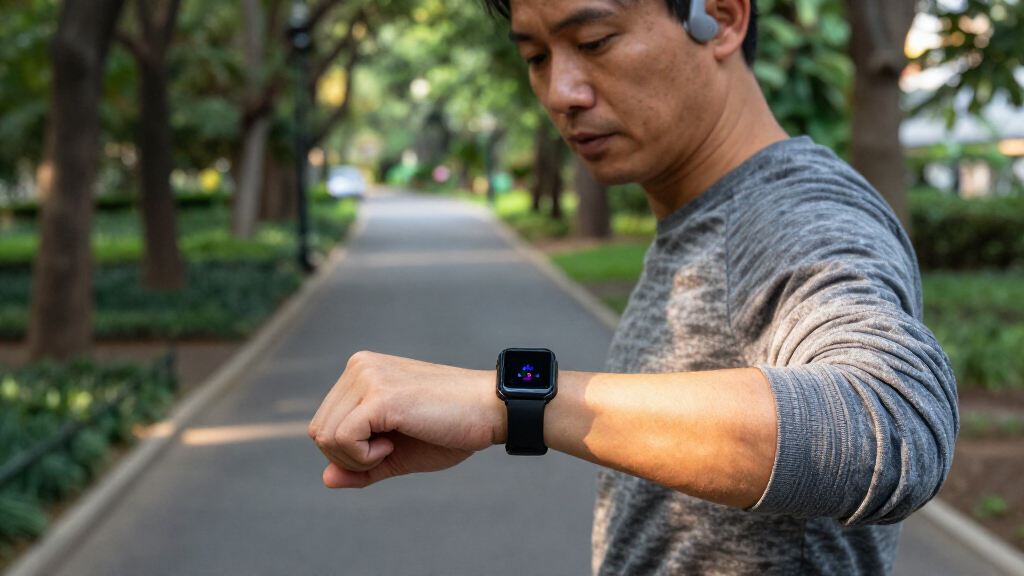
I compared the 14 listed trackers by their stated tracking features, display style, exercise options, water-resistance claims, battery information, phone compatibility, and day-to-day usability. I gave more weight to clear, buyer-relevant distinctions than to long feature lists: a screenless band, an AMOLED fitness band, and a calling-capable watch each serve different needs. I also treated health measurements as wellness features, not medical readings, and did not assume that similar sensor claims mean equal accuracy.
The ranking favors products with a clearer identity and useful tradeoffs. Fitbit Inspire 3 leads as a focused mainstream band, while Samsung Galaxy Fit 3 ranks highly for shoppers who value a larger display and more listed exercise options. The Fitbit Air earns a distinct place for screen-free simplicity. The remaining models are grouped by their stated features, but their sparse product names make it harder to distinguish app experience, build quality, and long-term support; buyers should verify those details before choosing one over a better-defined alternative.
Factors to Consider When Choosing Fitness Trackers Under 100
Before choosing among these fitness trackers under $100, decide what job you want the device to do. A tracker that is pleasant to wear overnight may be a better fit than one with the longest feature list, while a bright screen or call controls can matter if you want to interact with it throughout the day.
Choose a band or a watch-style screen
A screen can make it easier to check time, activity, and notifications without reaching for your phone, but it also changes the feel of a tracker into a small wrist interface. Screenless designs reduce those interruptions and keep the device focused on passive activity tracking. Think about whether you regularly want to glance at data during a walk or workout; if not, paying attention to display size may distract from fit and comfort. A large touchscreen can also be less appealing if you want a discreet band for sleep. Pick the form factor you will wear consistently, not the one with the most impressive-looking specification.
Treat health readings as estimates, not diagnoses
Heart-rate, blood-oxygen, sleep, and blood-pressure language can sound more definitive than a consumer wearable can support. Use these features to notice broad patterns, such as changes in nightly sleep timing, rather than to make medical decisions. A listed sensor does not tell you how the app presents results, how often readings are taken, or how useful the history is. Before buying, check whether the product documentation explains its measurements and any limitations. If you need dependable medical monitoring, choose a device designed and cleared for that purpose instead of relying on a general fitness tracker.
Check phone compatibility and app requirements
Compatibility claims for both iPhone and Android do not guarantee that every feature works equally well on both platforms. Notifications, call controls, data syncing, and app permissions can differ by phone and operating-system version. Check the exact app name, supported OS versions, and whether an account is required before ordering. Buyers who switch between phones should also look into how data is stored and whether history can be carried over. A tracker with fewer headline features may be the better choice if its companion app fits your everyday phone habits.
Read battery claims in context
Battery life figures are usually estimates under particular settings, and frequent screen use, notifications, calls, and continuous tracking can shorten the time between charges. A long advertised runtime is most useful to someone who wants fewer charging interruptions, especially for overnight wear. Ask what features you would need to turn off to reach the stated figure, and whether the product listing explains charging time or cable type. If you plan to track sleep, charging convenience matters as much as the headline number. Build a charging routine around a time you are not likely to wear the device.
Prioritize comfort and sizing for all-day wear
A tracker only helps if you keep it on, so band adjustment, clasp security, weight, and skin comfort deserve attention alongside sensors. If a listing includes multiple band sizes, check the actual wrist measurements rather than assuming one will fit. A tighter fit may help a wrist sensor maintain contact during exercise, but an uncomfortable band can make overnight wear unappealing. People with sensitive skin may want to check the band material and care instructions before buying. If possible, favor a design with a replaceable or adjustable strap so a poor fit does not make the whole device unusable.
Pay for the features you will actually use
Within this category, a larger screen, Bluetooth calling, and many sport modes can add convenience, but they are not automatic upgrades for every buyer. If your main goal is steps, activity, and sleep patterns, a focused band may be simpler to manage. If you want to see information on your wrist or handle calls, a watch-style model may justify its added complexity. Be cautious of choosing a device solely because it lists many sport modes or sensors; check whether the app supports the activities you do and presents useful records. Spending more makes sense when a specific feature solves a real daily need, not just because the specification sheet is longer.
Frequently Asked Questions
Which tracker in this roundup is the best all-around choice?
I’d start with the Fitbit Inspire 3 if you want a focused fitness band from an established tracking ecosystem. The Samsung Galaxy Fit 3 is a better match if a larger AMOLED screen and broad exercise selection matter more to you. The screenless Fitbit Air suits buyers who prefer fewer wrist interruptions. None is automatically right for every phone or routine, so check current app compatibility and the features you expect to use before deciding.
Should I choose a screenless tracker or one with a display?
Choose a screenless model if you mainly want background activity tracking and would rather check results in an app. A display is useful when you want to read the time or glance at workout information without pulling out your phone. The tradeoff is that a screen can make the device feel more like a smartwatch and may increase interaction and charging demands. For this lineup, the Fitbit Air represents the screen-free direction, while the Samsung Galaxy Fit 3 is a clear screen-led alternative. Your daily habits matter more than the display specification by itself.
Can I trust blood-oxygen, blood-pressure, or sleep readings from these trackers?
Use readings from general fitness trackers as estimates for personal wellness trends, not as medical measurements. Sensor availability does not establish accuracy, and the product names in this roundup do not provide enough detail to compare measurement quality across every model. For blood pressure or blood oxygen concerns, rely on appropriate medical equipment and advice from a qualified clinician. Sleep summaries can still be useful for noticing changes in routine, but they should not diagnose a sleep disorder. Check each device’s documentation for its measurement limits.
Do these fitness trackers work with both iPhone and Android?
Several listings describe compatibility with both iPhone and Android, but that does not mean every feature works identically on each platform. Calling, notifications, syncing, and app permissions can depend on your phone model and operating-system version. Before buying, confirm the companion app supports your exact device and check whether any features require a particular phone ecosystem. This matters most if you want Bluetooth calling or rich notifications rather than basic activity records. If you plan to switch phones, check how the app handles saved history as well.
Is a smartwatch-style tracker worth choosing over a simple band?
A watch-style option makes sense if you want a larger display, quick wrist checks, or listed calling features. A simpler band is usually a better fit if your priority is tracking activity and sleep without adding more ways to interact with your phone. The extra interface can bring more settings to manage and may affect how often you need to charge the device. In this roundup, the Torjalph model calls out Bluetooth calling, while the Inspire 3 is positioned as a more focused band. Decide which everyday task the larger interface would improve before choosing it.
Conclusion
My best overall recommendation is the Fitbit Inspire 3 for buyers who want a focused, familiar fitness-band experience. For best value in features, I’d look closely at the Samsung Galaxy Fit 3 if its AMOLED display, exercise options, and stated battery life match your priorities; confirm current pricing and compatibility, since this guide does not compare prices. The Fitbit Air is my pick for a screen-free approach, while the Inspire 3 is also the easiest starting point for beginners who want a straightforward band rather than call controls or a busy watch interface. For specific needs, consider a calling-capable smartwatch-style option if wrist calls matter, or a listed AMOLED model if screen visibility is your priority. Whichever you choose, check app support, fit, and measurement limitations before buying.