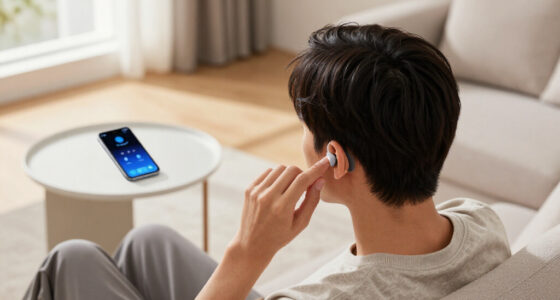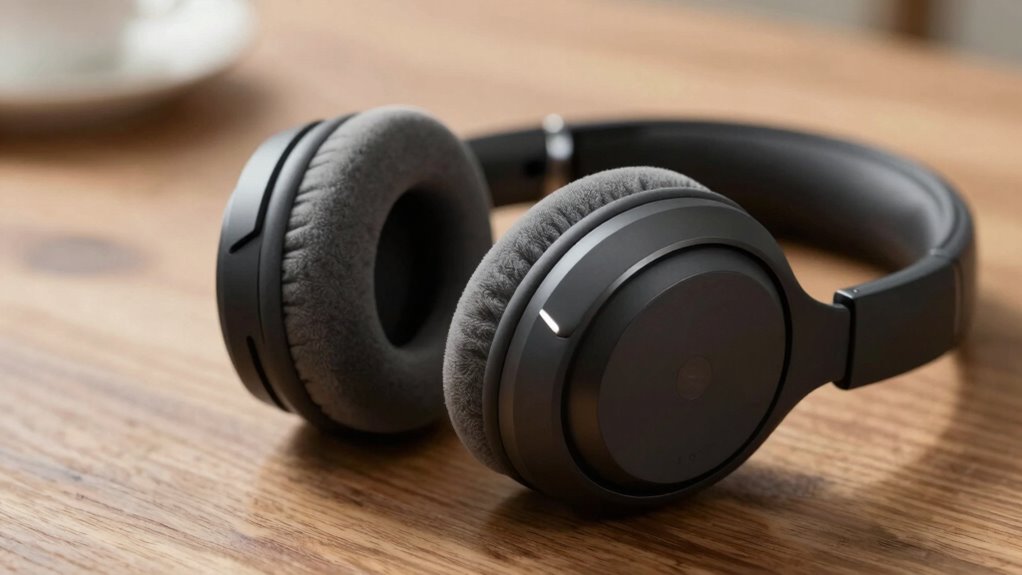

Finding headphones for tinnitus is less about blocking every sound and more about choosing a listening setup that feels comfortable and gives you control. My leading choices serve different needs: the Soundcore Q30 offers adjustable noise-cancelling modes and long battery life, the Sound Oasis Bluetooth Tinnitus Sound Therapy System focuses on sustained masking sounds, and the Sony WH-CH720N is a lightweight everyday headphone option. None is a tinnitus treatment, and noise cancellation does not guarantee tinnitus relief.

Get everyday helpers delivered free with Prime
- Fast, free delivery on millions of items
- Prime Video, Amazon Music and more included
- Member-only deals all year
The key tradeoff is active noise cancellation versus sound masking. Over-ear ANC headphones can reduce some steady background noise, while dedicated sound-therapy devices provide tinnitus-oriented audio without being conventional ANC headphones. Fit, sound choice, and personal sensitivity matter: some people prefer gentle ambient sound, while others want quieter surroundings. I rank these picks by how clearly they serve a distinct use case, not by a promise of medical benefit.
Complete the kit


Key Takeaways
- The Soundcore Q30 is my most versatile headphone pick here because its three ANC modes let listeners tailor noise reduction to common settings.
- The Sound Oasis Bluetooth system is the dedicated sound-therapy choice, with 25 built-in sounds and tracks that run for up to 12 hours.
- The Sony WH-CH720N emphasizes a lightweight 192g design, making it a strong candidate for people who find heavier over-ear headphones fatiguing.
- The Sound Oasis alarm-clock model suits bedside routines with 30 sounds, a sleep timer, adjustable orange lighting, and an alarm.
- The Soundcore Q20i offers ANC, app EQ, and transparency mode, but its fit and sound profile may not suit everyone for extended wear.
| Soundcore Q30 by Anker, Hybrid Active Noise Cancelling Headphones |  | Best Overall ANC Headphones | ANC type: Hybrid active noise cancellation | ANC modes: Transport, Outdoor, Indoor | Battery with ANC: Up to 50 hours | VIEW ON AMAZON | See Our Full Breakdown |
| Sound Oasis Bluetooth Tinnitus Sound Therapy System |  | Best Dedicated Sound-Masking Option | Built-in sounds: 25 | Sound duration: Up to 12 hours | Connectivity: Bluetooth | VIEW ON AMAZON | See Our Full Breakdown |
| Sony WH-CH720N Noise Canceling Wireless Headphones |  | Best Lightweight Everyday Headphones | Weight: 192g | Battery life: Up to 35 hours | Quick charge: 3 minutes for up to 1 hour of playback | VIEW ON AMAZON | See Our Full Breakdown |
| Sound Oasis Bluetooth Tinnitus Sound Therapy System Alarm Clock | 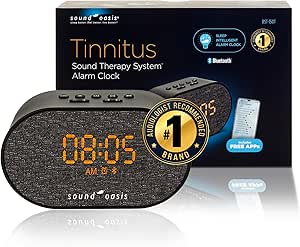 | Best for Bedside Tinnitus Routines | Built-in sounds: 30 | Alarm: 12/24-hour clock with alarm and sleep timer | Lighting: Orange light with 31 brightness settings | VIEW ON AMAZON | See Our Full Breakdown |
| Soundcore by Anker Q20i Hybrid Active Noise Cancelling Headphones |  | Best for App-Based Sound Customization | ANC type: Hybrid active noise cancelling with two internal and two external microphones | Modes: ANC, Normal, Transparency | Battery with ANC: Up to 40 hours | VIEW ON AMAZON | See Our Full Breakdown |
| noise cancelling headphones for tinnitus sufferer | Connectivity |
|---|---|
| Soundcore Q30 by Anker | Bluetooth, multipoint |
| Sound Oasis Bluetooth Tinnitus | Bluetooth |
| Sony WH-CH720N Noise Canceling | Bluetooth, multipoint |
| Sound Oasis Bluetooth Tinnitus | Bluetooth |
| Soundcore by Anker Q20i Hybrid | Bluetooth 5.0, dual-device connection |
More Details on Our Top Picks
Soundcore Q30 by Anker, Hybrid Active Noise Cancelling Headphones
I put the Soundcore Q30 first because it gives buyers more ways to shape noise reduction than the other conventional headphones here. Its Transport, Outdoor, and Indoor modes target different everyday environments, which can be more useful than a single ANC setting if you move between a commute, a walk, and a workspace. The listed modes do not promise silence, but they offer a practical starting point for finding a setting that feels comfortable.
For tinnitus-sensitive listeners, the combination of over-ear memory-foam padding and up to 50 hours of stated playback with ANC may support longer sessions without frequent charging. Compared with the lighter Sony WH-CH720N, the Q30 places more emphasis on adjustable ANC and app EQ; the Sony may be the better match if minimizing headphone weight matters more. Compared with the Sound Oasis system, the Q30 is a conventional music headphone rather than a dedicated collection of masking tracks.
There are meaningful limits. ANC is listed as unavailable over an AUX connection, and not everyone likes the pressure or sealed feeling of over-ear headphones. Its bass-forward sound description may also be less appealing to someone seeking a restrained masking texture. I would choose it for adaptable daytime noise control and skip it if a dedicated tinnitus sound library or a very light fit is the priority.
Pros:- Three ANC modes address transport, outdoor, and indoor noise differently.
- Up to 50 hours of stated playback with ANC enabled.
- Memory-foam earcups and app-based EQ provide fit and sound adjustment options.
- Multipoint connection supports use with more than one device.
Cons:- ANC is not available with an AUX cable connection.
- The over-ear fit and bass-forward tuning may not suit every tinnitus-sensitive listener.
- It is not a dedicated tinnitus sound-therapy device.
Best for: Listeners wanting over-ear headphones with several ANC settings, app-based EQ, and long stated battery life for commuting or daily use.
Not ideal for: People who need tinnitus-specific built-in sound tracks, dislike over-ear pressure, or want ANC while listening through the AUX connection.
- ANC type:Hybrid active noise cancellation
- ANC modes:Transport, Outdoor, Indoor
- Battery with ANC:Up to 50 hours
- Battery in standard mode:Up to 70 hours
- Fast charge:5 minutes for up to 4 hours of listening
- Drivers:40mm
- Connectivity:Bluetooth, multipoint
- Wired ANC:ANC is not compatible with AUX connection
Our verdict“I recommend the Q30 as the most flexible conventional headphone here, provided its over-ear fit and wireless-only ANC suit your listening habits.”
Sound Oasis Bluetooth Tinnitus Sound Therapy System
The Sound Oasis Bluetooth Tinnitus Sound Therapy System serves a different purpose from the ANC headphones: it is built around 25 tinnitus masking and relaxation sounds, not around sealing the ears or cancelling external noise. Its tracks run for up to 12 hours, which makes it the clearest fit in this lineup for someone who wants extended sound available during rest or relaxation. That distinction matters if quiet surroundings make tinnitus more noticeable and a chosen background sound feels more comfortable.
Compared with the Sound Oasis alarm-clock model, this unit has fewer listed built-in sounds and lacks the clock and sleep-light features, but the straightforward sound-therapy role may appeal to buyers who do not want a bedside alarm setup. Compared with the Q30 or Sony, it is not a pair of headphones and does not provide ANC. Bluetooth streaming adds flexibility, while the rechargeable battery supports portable use according to the product description.
The main drawback is that masking depends on whether the available sounds work for you; a catalog of tracks cannot guarantee a helpful match. Streaming also requires Bluetooth pairing, and people who prefer non-electronic sound therapy may not want this device. I would select it for a dedicated, long-duration sound option, not as a substitute for noise-cancelling headphones or tinnitus care.
Pros:- Includes 25 built-in tinnitus masking and relaxation sounds.
- Tracks can run for up to 12 hours.
- Bluetooth supports audio streaming from another device.
- Rechargeable design supports portable use.
Cons:- It is a sound-therapy system, not noise-cancelling headphones.
- Bluetooth pairing is needed for streaming audio.
- The built-in sound selection may not suit every listener.
Best for: People seeking a portable device with built-in tinnitus-oriented masking and relaxation sounds for extended rest or daily listening.
Not ideal for: Buyers who specifically need ANC headphones, prefer non-electronic approaches, or want an alarm clock and sleep light in the same device.
- Built-in sounds:25
- Sound duration:Up to 12 hours
- Connectivity:Bluetooth
- Power:Rechargeable battery
- Included resources:Sound Oasis app and tinnitus booklet
- Primary use:Tinnitus masking, relaxation, and daily listening
Our verdict“I favor this Sound Oasis model when built-in masking tracks matter more than ANC, a headphone fit, or bedside clock features.”
Sony WH-CH720N Noise Canceling Wireless Headphones
The Sony WH-CH720N earns its place for its stated 192g weight, the lowest clearly specified weight among the conventional headphone choices in this group. That can matter to listeners who find heavier earcups tiring or uncomfortable during longer sessions. It offers noise cancelling and ambient-sound adjustment, but the supplied product details do not describe selectable ANC levels as specifically as the Q30’s three named modes.
That makes the Sony a simpler everyday alternative to the Q30: I would favor it when low weight and general daily listening take precedence, and favor the Q30 when environmental ANC mode choice and a longer stated ANC runtime are the deciding factors. The Sony lists up to 35 hours of battery life, plus multipoint connection and beamforming microphones for calls. Those features make it easier to move between listening and conversation, though they do not make it a tinnitus-specific device.
The tradeoff is limited control information: the description does not specify adjustable ANC intensity or built-in masking sounds. Its comfort will still depend on individual head shape and ear sensitivity, and a lightweight headphone can still feel enclosing. I would skip it if you need detailed ANC mode selection or dedicated tinnitus tracks, but consider it if weight is your main headphone concern.
Pros:- Lightweight stated design at 192g.
- Up to 35 hours of listed battery life.
- Multipoint connection supports two-device use.
- Beamforming microphones are intended to support clear calls.
Cons:- The supplied details do not specify adjustable ANC levels or named environment modes.
- No tinnitus masking sound library is listed.
- A light build does not remove the potential for over-ear pressure or enclosure.
Best for: Listeners who prioritize lightweight over-ear headphones for everyday music, calls, and general noise cancelling.
Not ideal for: People who want clearly specified ANC modes, tinnitus-specific built-in sounds, or the longest stated ANC runtime in this lineup.
- Weight:192g
- Battery life:Up to 35 hours
- Quick charge:3 minutes for up to 1 hour of playback
- Noise control:Noise cancelling with ambient sound adjustment
- Connectivity:Bluetooth, multipoint
- Microphones:Beamforming microphones
- Design:Over-ear wireless headphones
Our verdict“I recommend the Sony for listeners who put low weight and everyday versatility ahead of finely described ANC controls or masking features.”
Sound Oasis Bluetooth Tinnitus Sound Therapy System Alarm Clock
This Sound Oasis alarm-clock model is the most sleep-oriented product in the roundup. Its 30 built-in sounds sit alongside a sleep timer, an alarm, and adjustable orange lighting, so it can take the place of several bedside functions rather than acting as headphones. Brightness has 31 settings, giving buyers a way to tune the light for a darker bedroom routine. Its headphone jack also offers a private-listening option that the basic Sound Oasis system does not list.
Compared with the Sound Oasis Bluetooth system, this model adds clock and lighting features and lists five more built-in sounds, but battery life is stated as 7 to 16 hours rather than a fixed 12-hour track duration. Compared with the Q30 and Sony, it is better suited to a nightstand than to commuting or noise reduction on the move. The removable sound card allows additional sounds to be added, although that may mean extra accessories for anyone wanting a wider selection.
Its compact dimensions and 9.4-ounce weight support travel use, but the product description notes that some may find it bulky for that purpose. Battery life varies with usage, so I would not treat it as a guaranteed all-night solution without checking your routine. Choose this device for bedside sound, light, and alarm functions; skip it if you need wearable ANC.
Pros:- Offers 30 built-in sounds and a removable sound card for adding sounds.
- Combines alarm, sleep timer, and adjustable orange lighting.
- Includes a headphone jack for private listening.
- Rechargeable and small enough for home or travel use.
Cons:- It does not function as ANC headphones.
- Battery life varies from 7 to 16 hours depending on use.
- Additional sound cards may be needed to expand the built-in selection.
Best for: People who want tinnitus-oriented sounds, a sleep timer, an alarm, and adjustable low-light settings in one bedside device.
Not ideal for: Commuters seeking ANC headphones or buyers who want a simple sound-only device without clock and lighting features.
- Built-in sounds:30
- Alarm:12/24-hour clock with alarm and sleep timer
- Lighting:Orange light with 31 brightness settings
- Battery life:7–16 hours, depending on usage
- Connectivity:Bluetooth
- Headphone connection:Headphone jack
- Dimensions:5.57 × 1.97 × 3.23 inches
- Weight:9.4 oz
Our verdict“I would choose this model over the simpler Sound Oasis system for a bedside routine, but not for wearable noise cancellation.”
Soundcore by Anker Q20i Hybrid Active Noise Cancelling Headphones
The Soundcore Q20i is the customizable alternative to the Q30, pairing hybrid ANC with app EQ and ANC, Normal, and Transparency modes. For tinnitus-sensitive listeners, transparency mode can help when awareness of nearby conversation or movement matters, while EQ gives some control over the sound character. The listing states that ANC reduces up to 90% of external noise, but that is a manufacturer claim, not a guarantee of a particular result or of tinnitus relief.
Compared with the Q30, the Q20i has a shorter stated ANC battery life—40 hours versus 50—but still lists 60 hours in normal mode and quick charging. Its 40mm drivers and dual-device connection make it a flexible everyday headset. Compared with the lightweight Sony, the Q20i puts more emphasis on app controls and named listening modes, while its listed bulkier design may make it less appealing for long sessions.
There are two practical cautions: app-based sound customization requires downloading the Soundcore app, and the over-ear fit may not feel comfortable to everyone. Hi-Res audio is listed via AUX, but the supplied details do not establish ANC operation while wired. I would pick the Q20i if mode switching and EQ are appealing; I would choose the Q30 for its additional ANC runtime and environment-specific modes.
Pros:- Hybrid ANC plus Normal and Transparency listening modes.
- App support offers EQ presets and sound customization.
- Up to 40 hours of stated battery life with ANC enabled.
- Dual-device Bluetooth connection and fast charging.
Cons:- The fit may feel bulky or uncomfortable during extended wear.
- Sound customization requires the app.
- It is not a dedicated tinnitus sound-therapy system.
Best for: Listeners who want app-based EQ, transparency mode, and wireless ANC with dual-device Bluetooth connection.
Not ideal for: People who dislike bulkier over-ear headphones, do not want to use an app, or need dedicated tinnitus masking tracks.
- ANC type:Hybrid active noise cancelling with two internal and two external microphones
- Modes:ANC, Normal, Transparency
- Battery with ANC:Up to 40 hours
- Battery in normal mode:Up to 60 hours
- Fast charge:5 minutes for up to 4 hours of playback
- Drivers:40mm dynamic
- Connectivity:Bluetooth 5.0, dual-device connection
- App support:Soundcore app with EQ presets
Our verdict“I recommend the Q20i for app-driven control and transparency, while the Q30 is the stronger choice for longer ANC runtime and named environment modes.”

How We Picked
I ranked these five products by how well their stated features match distinct tinnitus-related listening situations: daytime background-noise reduction, controlled sound masking, travel, and bedtime use. I gave preference to products with useful controls, practical battery information, or a clearly defined role. That is why the list includes both conventional ANC headphones and dedicated tinnitus sound-therapy devices. They are not interchangeable: the Sound Oasis units play tinnitus-oriented sound options, whereas the Q30, Q20i, and Sony models are headphones designed primarily for listening and noise reduction.
I also weighed comfort and control. Long wear can be a poor fit for someone sensitive to pressure around the ears, so lightweight construction, cushioning, and the ability to adjust modes matter. Sound preferences vary, and ANC may change the perception of tinnitus for some listeners without reducing the tinnitus itself. The descriptions provided do not establish clinical effectiveness, individual fit, or a universally calming sound profile. I treat the listed noise-reduction claims as manufacturer specifications, not independent measurements.
My ranking reflects practical distinctions rather than medical claims. The Q30 takes the overall headphone spot for its three environment-specific ANC modes and stated long runtime. The Sound Oasis system ranks highly for buyers specifically seeking masking tracks, despite not being ANC headphones. The Sony is the lighter conventional option; the clock model is tailored to bedside use; and the Q20i is a feature-rich alternative with tradeoffs around bulk and fit. Anyone with persistent or worsening tinnitus should discuss symptoms and sound exposure with a qualified health professional.
| noise cancelling headphones for tinnitus sufferer | Connectivity |
|---|---|
| Soundcore Q30 by Anker | Bluetooth, multipoint |
| Sound Oasis Bluetooth Tinnitus | Bluetooth |
| Sony WH-CH720N Noise Canceling | Bluetooth, multipoint |
| Sound Oasis Bluetooth Tinnitus | Bluetooth |
| Soundcore by Anker Q20i Hybrid | Bluetooth 5.0, dual-device connection |
Factors to Consider When Choosing Noise Cancelling Headphones For Tinnitus Sufferers
I would start by deciding whether the main goal is reducing some external noise with headphones or adding a steady sound layer with a dedicated device. Tinnitus experiences and sound preferences differ, so features that help one listener feel more comfortable may not suit another.ANC and masking serve different purposes
Active noise cancellation uses microphones and processing to reduce some incoming environmental noise; it is not a tinnitus treatment and does not create a guaranteed silent environment. A masking device instead plays selected sounds that may make tinnitus less noticeable to some listeners. The Sound Oasis products are the dedicated options here, while the Q30, Sony, and Q20i are conventional headphones with noise-control features.
Think about the setting. If a steady sound layer is your priority while resting, compare the Sound Oasis models. If you want headphones for commuting or general listening, compare ANC modes and fit. Some people find very quiet listening uncomfortable, so adjustable playback may be preferable to aiming for maximum silence.
Choose controls that match your sensitivity
The Q30 names three environment-based ANC modes, which makes its controls more specific than the Sony details provided. The Q20i offers ANC, Normal, and Transparency modes plus app EQ; that may help listeners who want to change sound character or hear more of their surroundings without removing the headphones. The Sony is the lighter pick, but the supplied description does not specify adjustable ANC levels.
Before settling on a model, think about whether you want to adjust noise control, audio EQ, or the amount of outside sound you hear. More controls can help tailor listening, but they can also add setup steps. No mode should be assumed to ease tinnitus for every person.
Fit can matter more than a feature list
Over-ear cushions can feel comfortable for some people and too enclosing or pressurized for others. The Q30 lists memory-foam earcups, while the Sony lists a 192g weight; those details may help narrow a shortlist but cannot predict individual comfort. The Q20i description itself notes that some listeners may find its fit uncomfortable during extended wear.
If ear pressure, heat, or the sensation of a sealed fit bothers you, prioritize the ability to adjust or remove the headphones easily. Consider trying them for short periods in a safe setting and following the seller’s return terms. Do not turn up playback to overpower tinnitus or surrounding noise.
Match battery and bedside features to your routine
For long wireless listening sessions, the Q30 lists up to 50 hours with ANC, compared with up to 40 hours for the Q20i and up to 35 hours for the Sony. These are stated maximums, and actual runtime can vary with settings and use. The Q20i and Q30 both list a five-minute charge for up to four hours of playback, while the Sony lists a three-minute charge for up to one hour.
For bedside use, the Sound Oasis alarm-clock model is the only option here with an alarm, sleep timer, and adjustable orange light. Its stated battery range is 7 to 16 hours, so check whether that suits your intended overnight use. The separate Sound Oasis system lists tracks lasting up to 12 hours, but it does not include the clock and lighting combination.
Keep sound levels comfortable and seek care when needed
Neither ANC nor sound masking should be treated as a cure for tinnitus. Use a comfortable listening level, take breaks if your ears feel tired, and avoid raising volume to cover the sound. A headphone that blocks some background noise can still expose you to loud audio if you compensate by turning it up.
If tinnitus is new, persistent, worsening, or affecting sleep and daily life, I would discuss it with a qualified clinician or hearing professional. They can help assess potential causes and discuss options suited to your situation. The products in this guide are consumer listening devices, and their listed features do not establish medical benefit.
Frequently Asked Questions
Can noise-cancelling headphones treat tinnitus?
No. ANC headphones reduce some environmental noise, but they are not a tinnitus treatment and do not guarantee relief. Some listeners may prefer the quieter setting, while others may find a gentle background sound more comfortable. I would choose based on personal listening comfort and speak with a qualified health professional about persistent or troubling tinnitus.
Are ANC headphones or tinnitus sound-therapy devices a better choice?
They address different needs. ANC headphones such as the Q30, Sony, and Q20i are intended for listening while reducing some outside noise; the Sound Oasis devices provide built-in masking or relaxation sounds. If you want tracks intended for tinnitus-related listening, compare the Sound Oasis options. If you need everyday headphones for travel or work, compare the ANC models instead.
Which pick is best for use near bedtime?
The Sound Oasis Bluetooth Tinnitus Sound Therapy System Alarm Clock is the most specifically set up for a bedside routine because it combines built-in sounds with an alarm, sleep timer, and adjustable orange lighting. The other Sound Oasis system has tracks listed for up to 12 hours but lacks those clock and lighting features. Neither description establishes that a particular sound will improve sleep for every listener.
Which headphones offer the most adjustable noise control?
The Soundcore Q30 lists Transport, Outdoor, and Indoor ANC modes, making its noise-control choices the most clearly differentiated by environment in this lineup. The Q20i provides ANC, Normal, and Transparency modes, along with app EQ. The Sony description mentions noise cancelling and ambient sound adjustment but does not specify named ANC levels. Individual results and comfort can vary.
Should I turn up music to cover tinnitus?
I would avoid using high volume to overpower tinnitus or surrounding noise. A comfortable, moderate level is a safer listening goal, and breaks can help if your ears feel fatigued. If you are unsure what level is appropriate or tinnitus is affecting your daily life, ask a hearing professional for personalized guidance rather than relying on headphones alone.
Conclusion
For adaptable everyday ANC, I would start with the Soundcore Q30, especially if its over-ear fit feels comfortable and its three modes match your routine. Choose the Sound Oasis Bluetooth system if built-in masking sounds and long tracks matter more than wearing headphones. The Sony WH-CH720N is my pick for buyers who prioritize a stated lightweight design, while the Sound Oasis alarm-clock model makes the most sense for bedside sound, lighting, and an alarm. I would choose the Soundcore Q20i for app EQ and transparency mode, accepting its bulk and shorter stated ANC runtime than the Q30.
Whichever option you choose, treat it as a listening aid rather than a medical solution. My clearest recommendation is to prioritize comfortable fit, a sound level you can tolerate, and controls that suit your environment—and to seek professional guidance for persistent or worsening tinnitus.
Halloween Picks
halloween
As an affiliate, we earn on qualifying purchases.