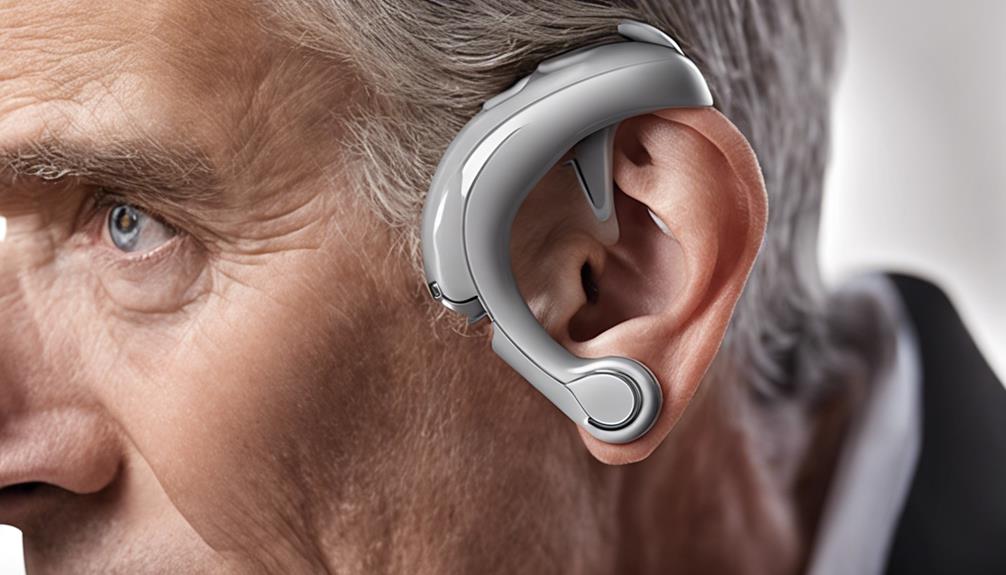
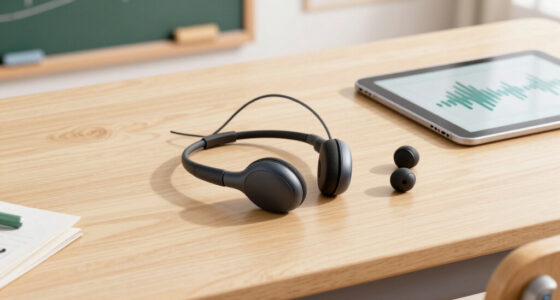
Personal sound amplifiers for conversations can make nearby speech easier to hear, but they vary in microphone direction, listening style, and day-to-day convenience. I rank the Williams Sound Pocketalker Ultra DUO as the best overall because it includes both headphones and an earbud, giving buyers more ways to listen. The ConvoAssist stands out for its two wireless microphones, while the Pocketalker 2.0 is a straightforward option for focused, one-to-one conversation. The main tradeoff is between simple, close-range amplification and added features that can mean more setup or dependence on rechargeable components. Read on for the full breakdown and guidance on choosing by conversation setting, comfort, and ease of use.

Get everyday helpers delivered free with Prime
- Fast, free delivery on millions of items
- Prime Video, Amazon Music and more included
- Member-only deals all year
Complete the kit


Key Takeaways
- The Pocketalker Ultra DUO ranks first for flexibility: its included headphone and earbud let buyers choose a listening style instead of committing to one.
- Microphone setup separates conversation-focused picks: ConvoAssist’s dual wireless microphones suit situations where speakers may not remain in one spot, while a single directional microphone is better for one nearby speaker.
- Williams Sound models fill distinct roles rather than offering identical choices: the Pocketalker 2.0 is a simpler pick, while the Ultra DUO adds listening accessories and the Ultra is a separate alternative in the lineup.
- Rechargeable convenience comes with a charging routine: several models list rechargeable batteries or cases, which can reduce battery handling but make charging and battery availability part of daily use.
- Wearability is not the same as conversation performance: the invisible-design amplifier prioritizes a stable, discreet fit, while tabletop or handheld microphone styles may be easier to aim at a speaker.
| Williams Sound Pocketalker 2.0 Hearing Amplifier for Seniors |  | Best for Simple, Focused Conversations | Weight: 3.1 ounces | Batteries included: 11 AAA batteries | Control type: Button | VIEW ON AMAZON | See Our Full Breakdown |
| Reizen Loud Ear 110dB Gain Personal Amplifier |  | Best for Long-Range Sound Pickup | Sensitivity: 110 dB ±3 dB per mW | Frequency range: 20 Hz–20 kHz | Battery life: Up to 48 hours | VIEW ON AMAZON | See Our Full Breakdown |
| SuperEar SE7500 Hearing Amplifiers for Seniors, Personal Sound Amplifier |  | Best for Extended Listening | Maximum sound gain: 50+ dB | Battery life: Up to 80 hours | Batteries: Two AAA batteries included | VIEW ON AMAZON | See Our Full Breakdown |
| Williams Sound Pocketalker 2.0 Hearing Amplifier for Seniors |  | Best for Straightforward One-on-One Use | Batteries: Two AAA batteries included | Control type: Button | Material: ABS/polycarbonate plastic | VIEW ON AMAZON | See Our Full Breakdown |
| Williams Sound PockeTalker Ultra DUO Sound Amplifier with Headphone & Earbud |  | Best for Adjustable Conversation Listening | Power source: Two AAA batteries required | Battery life: Up to 100 hours | Headphone type: In-ear | VIEW ON AMAZON | See Our Full Breakdown |
| Rechargeable Hearing Amplifier with Headphone and Directional Microphone for Seniors |  | Best for Simple Everyday Use | Power source: Battery powered | Battery description: AA batteries | Controls: Manual, one-knob operation | VIEW ON AMAZON | See Our Full Breakdown |
| Williams Sound Pocketalker Ultra Hearing Amplifier |  | Best for Adjustable Listening | Power source: Battery powered | Battery composition: Alkaline | Amplification: Up to 40 dB | VIEW ON AMAZON | See Our Full Breakdown |
| Hearing Amplifier for Seniors with Rechargeable Battery and Microphone |  | Best Rechargeable Beginner Pick | Auto-gain control: Yes | Microphone: Directional noise-canceling microphone | Battery life: Up to 120 hours | VIEW ON AMAZON | See Our Full Breakdown |
| ConvoAssist™ Personal Sound Amplifier with Dual Wireless Microphones and Rechargeable Case |  | Best for Remote Conversation Pickup | Power source: Rechargeable lithium-polymer batteries | Battery life: Up to 8 hours per charge | Microphones: Two wireless clip-on microphones | VIEW ON AMAZON | See Our Full Breakdown |
| Personal Sound Amplifier for Seniors with Voice Enhancement and Multiple Microphones | 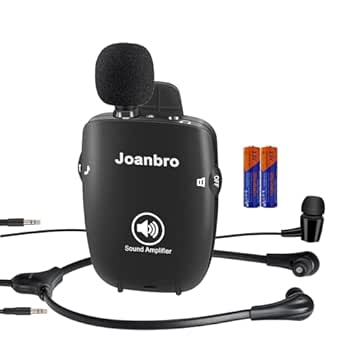 | Best for Microphone and Tone Options | Gain: Up to 50 dB | Total gain: Up to 108 dB | Microphone types: 3 removable types | VIEW ON AMAZON | See Our Full Breakdown |
| Personal Sound Amplifier Device with Invisible Design and Stable Fit |  | Best Discreet In-Ear Pick | Brand: Nulvira | Model: EN-IA 102A | Design: In-ear | VIEW ON AMAZON | See Our Full Breakdown |
| SuperEar SE5000 Hearing Amplifier for Seniors, Sound Amplifier, Headphones |  | Best for Tactile, Portable Controls | Amplification: 50+ dB | Battery life: Up to 30 hours | Power source: 1 AAA battery | VIEW ON AMAZON | See Our Full Breakdown |
| personal sound amplifiers for conversation | Battery life | Power source |
|---|---|---|
| Williams Sound Pocketalker 2.0 | — | — |
| Reizen Loud Ear 110dB Gain Per | Up to 48 hours | Two AAA batteries |
| SuperEar SE7500 Hearing Amplif | Up to 80 hours | — |
| Williams Sound Pocketalker 2.0 | — | — |
| Williams Sound PockeTalker Ult | Up to 100 hours | Two AAA batteries required |
| Rechargeable Hearing Amplifier | — | Battery powered |
| Williams Sound Pocketalker Ult | — | Battery powered |
| Hearing Amplifier for Seniors | Up to 120 hours | — |
| ConvoAssist™ Personal Sound Am | Up to 8 hours per charge | Rechargeable lithium-polymer batteries |
| Personal Sound Amplifier for S | — | — |
| Personal Sound Amplifier Devic | Up to 20 hours | — |
| SuperEar SE5000 Hearing Amplif | Up to 30 hours | 1 AAA battery |
More Details on Our Top Picks
Williams Sound Pocketalker 2.0 Hearing Amplifier for Seniors
The Pocketalker 2.0 suits listeners who want a straightforward way to bring nearby speech forward. Its description emphasizes amplifying close sounds while reducing background noise, a useful combination for one-on-one conversation or TV listening when distant sounds are less important. The package includes both headphones and earbuds, giving buyers more ways to listen than the Reizen Loud Ear, which lists a single earphone. At 3.1 ounces with simple button controls, it is also a manageable option for someone who prefers a basic setup. The tradeoff is its battery arrangement: the listing says 11 AAA batteries are included, which may mean more replacements to manage than the two-AAA models in this group. Its in-ear fit may not suit everyone, and it may not provide enough help for severe hearing loss.
Pros:- Simple button controls suit buyers who prefer a basic setup
- Described as reducing background noise while amplifying nearby sounds
- Includes both headphones and earbuds for listening flexibility
- Compact 3.1-ounce design
Cons:- The listing specifies 11 AAA batteries, which can mean more battery management
- In-ear fit may be uncomfortable or unsuitable for some listeners
- May not provide enough amplification for severe hearing loss
Best for: Older adults who want a simple amplifier for nearby conversation or TV and value having both headphones and earbuds included.
Not ideal for: People who dislike in-ear listening, want rechargeable operation, or need support for severe hearing loss.
- Weight:3.1 ounces
- Batteries included:11 AAA batteries
- Control type:Button
- Microphone:Internal with extension cable
- Included listening options:Headphones and earbuds
- Fit type:In-ear
- Noise control:Sound isolation
- Sensitivity:40 dB
Our verdict“Choose this Pocketalker for a simple close-conversation setup with multiple listening accessories, but skip it if battery management or in-ear comfort is a concern.”
Reizen Loud Ear 110dB Gain Personal Amplifier
The Reizen Loud Ear is the outlier here for listeners who want to pick up sounds from farther away: its description claims a range of up to 100 feet, rather than focusing only on close conversation like the Williams Sound Pocketalker 2.0. That reach may appeal when listening across a room, though it does not by itself mean speech will be clearer in every setting. Its 48-hour battery life and small body with a belt clip make it practical to carry between conversations without frequent battery changes. The simpler package includes one earphone, while the SuperEar SE7500 offers both earbuds and headphones plus a carry case. Reizen’s strong amplification claim may suit people seeking more pickup, but there are no listed tone controls or noise-reduction features to fine-tune speech in busy surroundings.
Pros:- Claims sound pickup from up to 100 feet away
- Listed battery life of up to 48 hours
- Compact 2.4-ounce body with belt clip attachment
- Adjustable volume
Cons:- Includes a single earphone rather than multiple listening options
- Requires two AAA batteries that need replacement
- No noise-reduction or tone-control feature is specified
Best for: Listeners who want a compact, battery-powered amplifier for hearing sounds across a room and prefer a belt-clip design.
Not ideal for: People who need noise-control features, multiple listening accessories, or a rechargeable device.
- Sensitivity:110 dB ±3 dB per mW
- Frequency range:20 Hz–20 kHz
- Battery life:Up to 48 hours
- Power source:Two AAA batteries
- Dimensions:2.5 × 1.75 × 0.75 inches
- Weight:2.4 ounces
- Included accessories:Single earphone and two AAA batteries
Our verdict“Pick the Reizen when pickup range and portability matter more than accessory choice or fine control over conversation sound.”
SuperEar SE7500 Hearing Amplifiers for Seniors, Personal Sound Amplifier
For conversations that stretch through much of the day, the SuperEar SE7500 stands out with a listed battery life of up to 80 hours and automatic shut-off. Its stated gain of 50+ dB gives listeners adjustable amplification for speech and TV, though users must set the volume themselves rather than relying on a hands-off setup. That makes it less immediately simple than the button-controlled Williams Sound Pocketalker models, but more adaptable for buyers willing to adjust levels. The included earbuds, headphones, and carry case also make it a more complete portable kit than the Reizen Loud Ear’s single-earphone package. The tradeoffs are basic accessories and a manual setup; it is described for indoor and casual outdoor use, not as a specialized solution for noisy or demanding settings.
Pros:- Listed battery life of up to 80 hours with automatic shut-off
- Provides 50+ dB maximum ambient sound gain
- Includes earbuds, headphones, and a carry case with belt clip
- Portable design with adjustable volume
Cons:- Requires manual volume adjustment for listening conditions
- Basic included accessories may not suit every listener’s comfort needs
- Positioned for indoor and casual outdoor use rather than demanding environments
Best for: People who listen to conversations or TV for long stretches and want extended battery life with both earbuds and headphones.
Not ideal for: Buyers who want automatic sound adjustment, minimal setup, or a device tailored to challenging outdoor environments.
- Maximum sound gain:50+ dB
- Battery life:Up to 80 hours
- Batteries:Two AAA batteries included
- Included listening options:Earbuds and headphones
- Included case:Carry case with belt clip
- Automatic shut-off:Included
- Compatibility:Disposable ear pad covers and extension cable
Our verdict“Choose the SE7500 for long listening sessions and a flexible accessory kit if you are comfortable adjusting the volume yourself.”
Williams Sound Pocketalker 2.0 Hearing Amplifier for Seniors
This version of the Williams Sound Pocketalker 2.0 is a practical pick for listeners who want simple controls and a clear focus on nearby speech. Its description highlights adjustable volume and tone alongside sound isolation, letting users shape the listening experience more than the Reizen Loud Ear, which lists adjustable volume but no tone control. The 3.5 mm audio jack also allows connection to compatible audio devices, extending its use beyond face-to-face conversation. At 90 g, it remains portable, though its description points to small-group or one-on-one listening rather than following several speakers across a noisy room. Compared with the SuperEar SE7500’s longer stated battery life, this model is less suited to buyers prioritizing long intervals between battery changes; it uses two AAA batteries and offers a more basic set of features.
Pros:- Adjustable volume and tone help tailor speech to the listener
- Designed to amplify nearby sounds while reducing background noise
- 3.5 mm audio jack supports compatible audio devices
- Uses two included AAA batteries
Cons:- Best suited to one-on-one or small-group listening
- Battery-powered rather than rechargeable
- Basic feature set may not meet advanced hearing needs
Best for: People seeking a simple amplifier for one-on-one conversation who want volume and tone adjustment plus a standard audio connection.
Not ideal for: Listeners who need broad group coverage, advanced hearing features, or the longest stated battery life in this lineup.
- Batteries:Two AAA batteries included
- Control type:Button
- Material:ABS/polycarbonate plastic
- Weight:90 g
- Sound sensitivity:104 dB
- Headphone compatibility:3.5 mm audio jack
- Features:In-ear listening, noise control, sound isolation
Our verdict“Choose this Pocketalker for close conversation and useful tone adjustment, but look elsewhere if you need group listening or extended battery life.”
Williams Sound PockeTalker Ultra DUO Sound Amplifier with Headphone & Earbud
The PockeTalker Ultra DUO is the strongest fit in this group for listeners who want to adjust both loudness and tone around nearby speech. Its removable microphone can be positioned to suit a conversation, while the description also names TV and in-car listening as uses. A listed battery life of up to 100 hours gives it an advantage over the SuperEar SE7500’s 80-hour figure for buyers who want fewer battery changes. It also works with or without hearing aids, according to the supplied product information. The compromises are practical: it runs on two AAA batteries that are not included, and its in-ear listening setup may not be comfortable for everyone. Compared with the Reizen Loud Ear’s claimed long-distance pickup, this model is better framed around controlled, nearby listening than reach.
Pros:- Adjustable volume and tone support more tailored listening
- Removable microphone offers placement flexibility
- Listed battery life of up to 100 hours
- Product information says it can be used with or without hearing aids
Cons:- Two AAA batteries are required but not included
- In-ear headphones may not suit every listener
- May feel bulky to buyers prioritizing a discreet portable setup
Best for: Listeners who want adjustable volume and tone for close conversation or TV, including people who may use the amplifier with hearing aids.
Not ideal for: People who prefer over-ear listening, want batteries included, or prioritize long-range sound pickup over nearby speech control.
- Power source:Two AAA batteries required
- Battery life:Up to 100 hours
- Headphone type:In-ear
- Maximum gain:20–40 dB
- Audio sensitivity:110 dB
- Control type:Button control
- Warranty:Five years
- Color:Silver and black
Our verdict“Pick the Ultra DUO if you want long battery life and adjustable sound for nearby conversation, provided in-ear listening works for you.”
Rechargeable Hearing Amplifier with Headphone and Directional Microphone for Seniors
The iRoger suits buyers who want a straightforward, portable amplifier for nearby conversations rather than a system with multiple microphones or detailed adjustments. Its one-knob control keeps operation simple, while the directional noise-canceling microphone is intended to favor speech in front of the listener. Compared with the ConvoAssist™ Personal Sound Amplifier, it avoids wireless microphones and pairing, but it does not offer that model’s remote-speaker setup. The listing describes the iRoger as rechargeable and claims up to 120 hours of use, yet its specs also identify AA batteries, so buyers should verify the battery arrangement before choosing it. Limited noise controls and no software-update support make it a basic option, not a flexible one.
Pros:- One-knob operation is simple to learn and adjust
- Directional microphone is designed to help prioritize speech in front of the listener
- Compact dimensions suit travel and daily carry
- Product description claims up to 120 hours of battery use
Cons:- Battery information is inconsistent: the description says rechargeable, while the specs list AA batteries
- Noise-control options are limited
- No software update support is listed
Best for: Seniors who want a compact amplifier with minimal controls for face-to-face conversations and everyday carry
Not ideal for: Buyers who need flexible noise adjustments, remote microphones, or a clearly documented rechargeable battery setup
- Power source:Battery powered
- Battery description:AA batteries
- Controls:Manual, one-knob operation
- Microphone:Directional noise-canceling microphone
- Claimed battery life:Up to 120 hours
- Dimensions:6 × 2.5 inches
- Material:Plastic
- Color and style:All black
Our verdict“Choose the iRoger for simple, portable conversation amplification if you confirm its battery setup and do not need advanced sound controls.”
Williams Sound Pocketalker Ultra Hearing Amplifier
The Pocketalker Ultra earns its place for listeners who want separate volume and tone controls rather than the simpler single-dial approach of the Hearing Amplifier for Seniors with Rechargeable Battery and Microphone. That extra adjustment can help tailor speech to personal preference, while the body-worn design and included headphones, earbud, and batteries give buyers several ways to get started. The listing specifies amplification up to 40 dB, which makes this a conversation aid for users seeking moderate assistance, not a solution for severe hearing loss. Its alkaline-battery operation also means ongoing replacements, unlike the rechargeable options in this roundup. Choose it for practical control and included accessories; skip it if rechargeable convenience or more substantial amplification is your priority.
Pros:- Separate volume and tone controls allow more tailoring than a single volume dial
- Includes headphones, an earbud, and a year’s supply of batteries
- Portable body-worn format suits conversation use in different settings
- Compatible with listed Pocketalker headphones, earbuds, and neckloops
Cons:- Uses alkaline batteries rather than a rechargeable battery
- Listed amplification is up to 40 dB and may not meet needs for severe hearing loss
- At 16 ounces, the listed weight may feel less pocket-friendly than compact alternatives
Best for: Listeners who want separate tone and volume adjustments, a body-worn amplifier, and several included listening accessories
Not ideal for: People seeking a rechargeable device or amplification intended for severe hearing impairment
- Power source:Battery powered
- Battery composition:Alkaline
- Amplification:Up to 40 dB
- Controls:Button control with adjustable volume and tone
- Fit type:Body-worn
- Compatible accessories:Pocketalker HED021 headphones, EAR013 single earbud, and neckloops
- Dimensions:3.38 × 2.23 inches
- Weight:16 ounces
Our verdict“Pick the Pocketalker Ultra if adjustable tone and volume matter more than rechargeable convenience or a very light carry.”
Hearing Amplifier for Seniors with Rechargeable Battery and Microphone
This model is the clearest fit for beginners who want rechargeable operation and minimal controls. A single volume dial keeps setup uncomplicated, while auto-gain control is intended to manage changes in incoming sound without requiring frequent manual adjustment. Its directional microphone and included headphones and earbuds make it more conversation-focused out of the box than the ConvoAssist™ Personal Sound Amplifier, which depends on compatible headphones and wireless clip-on microphones. The tradeoff is limited user control: this amplifier offers basic volume adjustment rather than the Pocketalker Ultra’s separate tone control. The listed one-hour charging time and up-to-120-hour battery life are appealing, though buyers should note that water or sweat resistance is not specified and the product may not suit severe hearing loss.
Pros:- Single-dial operation keeps adjustments simple
- Auto-gain control is designed to reduce the need for constant manual changes
- Directional noise-canceling microphone is aimed at clearer speech pickup
- Includes both headphones and earbuds
Cons:- Controls are limited to basic volume adjustment
- No waterproof or sweat-resistance information is provided
- May not be suitable for severe hearing loss
Best for: First-time users who want a rechargeable, low-complexity amplifier with included headphone and earbud options for conversations
Not ideal for: Listeners who need tone shaping, environmental controls, water resistance, or support for severe hearing loss
- Auto-gain control:Yes
- Microphone:Directional noise-canceling microphone
- Battery life:Up to 120 hours
- Charging time:1 hour
- Included accessories:Headphones and earbuds
- Design:Lightweight, compact, discreet
- Operation:Simple one-dial control
Our verdict“Choose this model if easy rechargeable operation matters more than the Pocketalker Ultra’s separate tone adjustments.”
ConvoAssist™ Personal Sound Amplifier with Dual Wireless Microphones and Rechargeable Case
The ConvoAssist™ stands apart because its two wireless clip-on microphones are designed to bring a distant speaker’s voice closer, rather than relying only on a microphone worn by the listener. The product description says it can pick up speech from as far as 100 feet, making this the lineup’s most distinct option for group conversations or a speaker positioned across a room. Automatic pairing and compatibility with existing headphones also reduce setup and let buyers choose their preferred listening gear. By comparison, the iRoger Rechargeable Hearing Amplifier is simpler and more self-contained for nearby speech, but lacks this remote-microphone arrangement. ConvoAssist has tradeoffs: battery life is up to eight hours per charge, noise cancellation is not listed, and headphones are needed for the intended listening experience.
Pros:- Two wireless clip-on microphones can be placed near conversation partners
- Automatic pairing reduces setup steps
- Works with existing headphones for a familiar fit
- Portable charging case provides multiple recharges
Cons:- Battery life is up to eight hours per charge
- Compatible headphones are needed for the intended listening setup
- Noise-cancellation capability is not specified
Best for: People who need to hear a conversation partner or speaker at a distance and already own compatible headphones
Not ideal for: Listeners who want an all-in-one device with included listening headphones, listed noise cancellation, or longer use between charges
- Power source:Rechargeable lithium-polymer batteries
- Battery life:Up to 8 hours per charge
- Microphones:Two wireless clip-on microphones
- Connectivity:Automatic pairing; works with any headphones
- Charging case:Portable magnetic case with multiple recharges
- Weight:8 ounces
- Color:Black
- Claimed microphone range:Up to 100 feet
Our verdict“Choose ConvoAssist™ when remote microphones matter more than all-in-one simplicity or a full day of use on one charge.”
Personal Sound Amplifier for Seniors with Voice Enhancement and Multiple Microphones
This amplifier is for buyers who want to adapt how they pick up speech, not just turn the volume up. Its three removable microphone types, adjustable tone and volume, and listed noise cancellation offer more ways to tailor listening than the one-dial Hearing Amplifier for Seniors with Rechargeable Battery and Microphone. The included extension cables and belt clip also help position the unit for different conversation setups, including TV listening. Its listed gain figures are up to 50 dB gain and up to 108 dB total gain; those numbers do not by themselves indicate suitability for any particular degree of hearing loss. The main compromise is battery convenience: it uses two AAA batteries, unlike rechargeable picks such as ConvoAssist™. Its in-ear, noise-isolating headphones may also not fit every listener comfortably.
Pros:- Three removable microphone types offer setup flexibility
- Adjustable tone and volume provide more control than a basic volume dial
- Noise cancellation is listed as a feature
- Includes headphones, earbuds, extension cables, and a belt clip
Cons:- Requires two AAA batteries that need replacement
- Included headphone style is in-ear and may not suit all users
- Water and sweat resistance are not specified
Best for: Listeners who want multiple microphone choices and adjustable tone for conversations in different settings
Not ideal for: Buyers who prefer rechargeable power, over-ear listening options, or a device with specified water resistance
- Gain:Up to 50 dB
- Total gain:Up to 108 dB
- Microphone types:3 removable types
- Batteries:2 AAA batteries, included
- Noise cancellation:Yes
- Controls:Button control with adjustable tone and volume
- Headphone type:In-ear, noise-isolating
- Included accessories:Headphones, earbuds, extension cables, and belt clip
- Design:Lightweight, pocket-sized
Our verdict“Choose this amplifier if microphone choice and tone adjustment outweigh the convenience of a rechargeable model.”
Personal Sound Amplifier Device with Invisible Design and Stable Fit
The Nulvira is the discreet choice for people who want help following quiet conversations without wearing a visible headset or carrying a separate amplifier. Its in-ear design, multiple ear-cap sizes, and one-touch button controls favor a simple daily routine, while a stated up to 20 hours of battery life and a charging case can reduce charging interruptions. Compared with the SuperEar SE5000, which uses a swivel microphone and over-ear headphones or earbuds, this model keeps the hardware less conspicuous but gives up that amplifier’s stated 50+ dB amplification and replaceable AAA power. A snug fit matters: poor placement can cause whistling, and the device needs regular cleaning. It also has fewer adjustment options than more feature-rich hearing devices, so it suits straightforward listening support rather than detailed sound customization.
Pros:- Discreet in-ear design is less noticeable than the SuperEar SE5000’s headphone-style setup.
- Multiple ear-cap sizes allow a more tailored, stable fit.
- Up to 20 hours of battery life with a case that provides 3–4 full charges.
- One-touch button controls suit people who prefer simple operation.
Cons:- An imperfect fit can cause whistling.
- Limited features provide less scope for sound adjustment than more advanced hearing devices.
- Regular cleaning is needed for reliable performance.
Best for: People who prefer a low-profile in-ear amplifier for quiet chats and TV listening, and are comfortable keeping the earpiece clean and fitted securely.
Not ideal for: Buyers who want strong, adjustable amplification, a directional microphone, or a visible handheld control unit; the listed features are comparatively simple, and fit issues can cause whistling.
- Brand:Nulvira
- Model:EN-IA 102A
- Design:In-ear
- Controls:Button
- Battery life:Up to 20 hours
- Charging case:Included; provides 3–4 full charges
- Color:White
- Recommended uses:Quiet conversations, TV listening, walks, gatherings, chores, and exercise
Our verdict“Choose the Nulvira if discreet in-ear wear matters more than powerful amplification or extensive controls.”
SuperEar SE5000 Hearing Amplifier for Seniors, Sound Amplifier, Headphones
The SuperEar SE5000 suits listeners who want a portable ambient-sound amplifier with a physical volume control and several ways to listen. Its swivel microphone captures nearby sound, and the package includes stereo headphones, earbuds, and a belt clip, making it easier to adapt the setup to different indoor or outdoor situations. The stated 50+ dB amplification and up to 30 hours from one AAA battery distinguish it from the rechargeable Nulvira, which is more discreet but offers a shorter stated battery life and an in-ear-only approach. That flexibility comes with visible equipment to carry and wear. The SE5000 runs on a replaceable battery and does not connect wirelessly to devices; it amplifies ambient sound rather than serving as a hearing-aid replacement. It makes the most sense for buyers who value straightforward, tactile adjustment over a hidden fit.
Pros:- Swivel microphone captures ambient sound for nearby conversations.
- Includes stereo headphones, earbuds, and a belt clip for different listening setups.
- Tactile volume control allows direct level adjustment.
- Up to 30 hours of battery life from one AAA battery.
Cons:- The amplifier and listening accessories are more visible and less discreet than the Nulvira’s in-ear design.
- Requires a AAA battery rather than recharging the device.
- Does not connect wirelessly to devices and is not a hearing-aid replacement.
Best for: Seniors or adults who want a portable amplifier with a physical volume control, included headphone and earbud options, and a replaceable AAA battery.
Not ideal for: People seeking discreet in-ear wear, wireless connection to a phone or TV, or a device intended to replace a hearing aid.
- Amplification:50+ dB
- Battery life:Up to 30 hours
- Power source:1 AAA battery
- Microphone:Swivel microphone
- Included listening accessories:Stereo headphones and earbuds
- Other included items:Belt clip, screw, and AAA battery
- Recommended use:TV listening and conversations
Our verdict“Pick the SE5000 if you want adjustable ambient amplification and multiple listening accessories, not a discreet wireless device.”

How We Picked
I compared the 12 listed products by how well their stated designs support ordinary conversations: microphone placement and direction, listening accessories, controls, and whether a device is built around one nearby speaker or more flexible use. I also weighed ease of setup, fit, power approach, and practical maintenance. A feature only helped a product rank higher when it offered a clear benefit for hearing speech in a real conversation setting.
The ranking favors useful conversation control and versatility over feature count alone. That puts the Pocketalker Ultra DUO first for its headphone-and-earbud choice, while ConvoAssist earns a distinct role for its dual wireless microphones. Simpler devices rank well for buyers who want fewer setup decisions; rechargeable, discreet, or high-gain designs rank according to the specific tradeoff they address. Product names and listed features do not establish medical suitability, so I treat these as personal sound amplifiers rather than substitutes for an evaluation by a hearing-care professional.
Factors to Consider When Choosing Personal Sound Amplifiers For Conversations
Before choosing, match the amplifier to the way conversations happen in your life. A device that works well for one person speaking nearby may be awkward at a family table or during a group activity. These factors help separate useful features from extras that may not improve speech access for you.
Match the microphone to the conversation
Microphone placement can matter more than a headline gain figure when speech is the goal. A directional or handheld microphone can be aimed toward one person, which may help in a quiet one-to-one conversation. Wireless microphones offer more freedom when the speaker cannot stay close to the listener, but they introduce another item to place, charge, or keep track of. For group conversation, a single microphone may capture competing voices along with the person you want to hear. Think about where the speaker will be and who controls the microphone before choosing a design. A common mistake is buying for maximum loudness when the actual problem is distance or background chatter.
Choose a listening style you can wear comfortably
Headphones, earbuds, and discreet in-ear designs each change how long a device may feel comfortable. Headphones are easy to put on and remove, but can feel bulky or interfere with glasses. An earbud may feel less conspicuous, though fit and pressure can become bothersome over a long conversation. An invisible-style device puts more emphasis on a stable fit, so buyers should pay close attention to sizing and return terms. Do not assume the smallest option is the most comfortable; comfort depends on your ears, sensitivity, and how you use the device. If possible, prioritize a setup that can be adjusted or worn briefly before relying on it for extended social events.
Decide whether rechargeable power fits your routine
Rechargeable amplifiers can reduce the need to handle small replaceable batteries, but they require regular charging and access to the correct cable or case. A charging case can help with storage and portability, while a standalone rechargeable device may need a more deliberate charging spot at home. If the amplifier is used every day, consider how easy it is to tell when power is low and whether charging fits your routine. Occasional users may prefer a setup that can be stored ready without frequent charging, depending on its power design. Avoid choosing on battery type alone: microphone usefulness, comfort, and clear controls still decide whether the device helps in conversation. Check the product’s stated battery and charging details rather than assuming all rechargeable models behave alike.
Keep controls simple enough for the moment
Conversation settings leave little room for fiddly adjustments, so volume controls and microphone selection should feel understandable before you sit down with others. A simpler amplifier can be a better fit for someone who wants to power it on and adjust one control. Multi-microphone systems can support more flexible setups, but buyers need to learn which microphone is active and where to place it. Look for clear labeling and controls that can be operated without removing the device or interrupting the conversation. If a family member will help with setup, include that person in the decision. More features are only useful when the listener can operate them confidently.
Set expectations about amplification and hearing care
Personal sound amplifiers make nearby sound louder; they are not the same as hearing aids prescribed or fitted for an individual. Amplifying all sound can also make background noise louder, which may not improve speech understanding in a busy room. If conversations remain difficult even in quiet settings, or hearing changes suddenly, seek guidance from a qualified hearing-care professional rather than relying on more gain. Buyers should also check whether the product offers suitable volume limits and whether it can be adjusted safely. Do not turn a device up sharply just to overcome distance or noise. A better microphone position or quieter seating spot may help more than added volume.
Pay for a feature that solves your actual problem
Extra microphones, multiple listening accessories, or a charging case can justify added complexity when they address a repeated need. For a single speaker nearby, a basic personal amplifier may be easier to set up and maintain. For changing speakers or more flexible placement, wireless microphones may earn their place. Discreet fit is valuable to some buyers, while others will prefer easy-to-handle headphones. Before paying for extras, identify the conversation that is hardest: distance, a soft-spoken companion, group noise, or wearing comfort. This short list helps avoid buying a feature-rich device whose main advantage never gets used.
Frequently Asked Questions
Are personal sound amplifiers a substitute for hearing aids?
No. Personal sound amplifiers make sound louder, while hearing aids are selected and fitted to address an individual’s hearing needs. Amplifiers may help some people hear nearby conversation, but they can also raise background noise. If you regularly struggle to understand speech, a hearing assessment can help identify what is causing the difficulty and what options are appropriate. Sudden hearing changes call for prompt professional advice.
Which type is better for a conversation across a table?
For one person speaking across a table, a microphone that can be placed near or aimed toward that speaker may be more useful than relying on the listener’s position alone. A directional microphone can suit a fixed one-to-one setup, while a wireless microphone may help when the speaker or seating arrangement changes. Check how the microphone connects and whether the listener can manage it without assistance. Neither design can guarantee clear speech in a noisy room, so a quieter seat can still make a meaningful difference.
Should I choose headphones, an earbud, or an invisible-style amplifier?
Choose based on comfort and how easily you can put the device on, not appearance alone. Headphones are straightforward to handle but may feel bulky or conflict with glasses; earbuds are less prominent but depend on a comfortable fit. An invisible-style model may appeal to someone who values discretion, though stability and in-ear comfort matter especially. If the product’s fit is uncertain, check sizing information and return conditions before buying. A device that feels uncomfortable is unlikely to help during longer conversations.
Is a dual-microphone system worth the extra setup?
It can be useful when conversation partners are in different positions or the listener needs more choice in where sound is picked up. The ConvoAssist is the lineup’s clearest example, with two wireless microphones and a rechargeable case. That flexibility brings more placement and charging decisions than a simple single-microphone amplifier. For quiet conversations with one person nearby, the added equipment may not solve a problem you have. Decide based on your usual setting rather than the number of included components.
What should I check before buying a rechargeable amplifier?
Check what is included for charging, how the device indicates low power, and whether the charging routine fits how often you plan to use it. A case can make carrying and storing components easier, but it adds another item to keep charged. Also confirm which listening accessories are included, since power convenience does not tell you whether the fit or microphone setup suits you. If you use the amplifier only occasionally, think about how it will be stored between conversations. Read the manufacturer’s instructions for charging and care instead of assuming all rechargeable models work the same way.
Conclusion
For the broadest mix of conversation flexibility and included listening options, I recommend the Williams Sound PockeTalker Ultra DUO as the best overall pick. The Pocketalker 2.0 is my best value-style choice for buyers who want a simpler conversation amplifier without a dual-microphone setup, while the ConvoAssist is the best premium-style fit for people who can use its two wireless microphones and rechargeable case. Beginners may prefer the straightforward SuperEar SE5000 or Pocketalker 2.0, with the final choice guided by listening comfort and controls. For a discreet fit, look at the invisible-design amplifier; for a speaker who may move or sit farther away, focus on wireless microphone options. Choose the model that fits your usual conversation, then seek professional hearing advice if amplification alone does not make speech easier to understand.
Halloween Picks
halloween
As an affiliate, we earn on qualifying purchases.