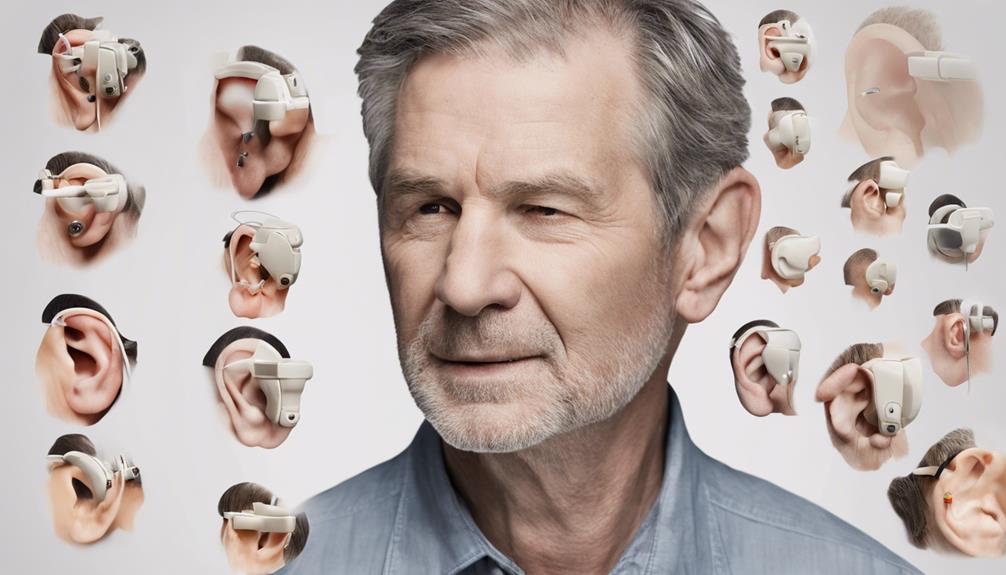
Picture an experienced individual in a busy environment, struggling to catch every word being spoken, battling the challenges of hearing loss and tinnitus.

Get everyday helpers delivered free — and shop member deals
- Fast, free delivery on millions of items
- Access to Prime Big Deal Days deals on October 6–7
- Prime Video, Amazon Music and more included
The nuances and differences between these two conditions can profoundly impact their VA Disability Rating. Understanding the intricacies of how these impairments are evaluated and rated is crucial for veterans seeking the compensation they deserve.
From the diagnostic process to the final rating decision, the journey through the VA system can be complex yet rewarding in securing the necessary support.
Let's explore the nuances further.
Key Takeaways
- Severity determines VA ratings for hearing loss and tinnitus.
- Service connection crucial for benefits eligibility.
- Accurate evaluations through specific tests for compensation.
- Understanding criteria and processes aids in securing benefits.
hearing loss pure tone audiometer
As an affiliate, we earn on qualifying purchases.
As an affiliate, we earn on qualifying purchases.
Hearing Loss Criteria for VA Disability
When evaluating hearing loss for VA disability benefits, the severity of the impairment directly influences the percentage rating assigned by the VA. Under Diagnostic Code 6100, VA rates hearing loss from 0% to 100%. The severity level of the hearing loss determines the disability rating percentage, with the average rating being 10%.
To qualify for VA disability benefits, the hearing loss must be linked to military service through service connection. The VA utilizes pure tone threshold tests to evaluate and assign disability ratings for hearing loss accurately. Military service members experiencing hearing loss can undergo these tests to determine the extent of their impairment and its impact on their daily lives.
Understanding the severity of the hearing loss is crucial in ensuring that veterans receive the appropriate level of support and benefits they deserve for their sacrifice and service.
Tinnitus Evaluation Process for Veterans
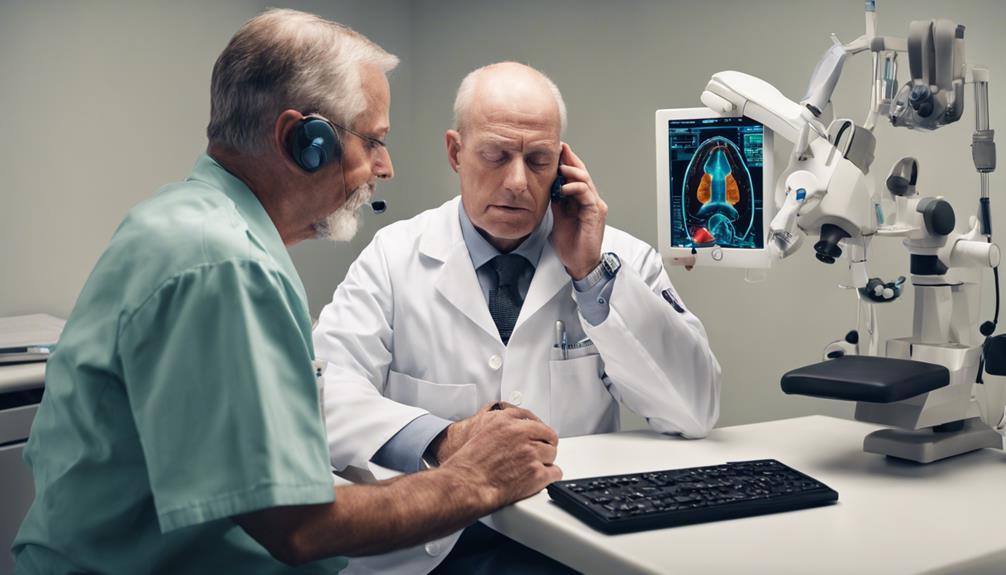
In the evaluation process for tinnitus among veterans, subjective self-reporting of symptoms like ringing, buzzing, or hissing in the ears is typically utilized. During VA disability exams for tinnitus, veterans may be asked about the frequency, severity, and impact of the perceived noise on their daily lives. Audiologists play a crucial role in this process by conducting specific tests like pitch matching and loudness matching evaluations to assess the presence and severity of tinnitus accurately.
The VA rates tinnitus based on how it affects a veteran's ability to work and perform daily activities, with a standard rating of 10% for most cases. When seeking compensation for tinnitus, veterans must provide detailed information about their symptoms and how they impact their quality of life. This thorough assessment helps ensure that veterans receive the appropriate compensation that reflects the true impact of tinnitus on their well-being.
Disability Ratings Comparison: Hearing Vs. Tinnitus
As we compare disability ratings for hearing loss and tinnitus within the VA system, it becomes evident that the evaluation criteria and potential impact on veterans' benefits vary significantly. Hearing loss can range from 0% to 100% in VA disability ratings, with an average rating of 10%, while tinnitus is typically rated at 10% separately.
Tinnitus is one of the most commonly claimed disabilities for VA compensation, often resulting in a 10% rating for veterans. The VA assesses hearing loss and tinnitus separately, considering factors such as puretone thresholds, speech discrimination, diagnosis, and causal links when determining disability ratings.
Changes in criteria for tinnitus ratings are anticipated, potentially altering the benefits veterans receive. Disability ratings for hearing loss and tinnitus are based on specific tests and evidence, leading to varying levels of compensation for veterans depending on the severity of their conditions and how they impact their daily lives and ability to work.
Service Connection Requirements for Hearing Loss
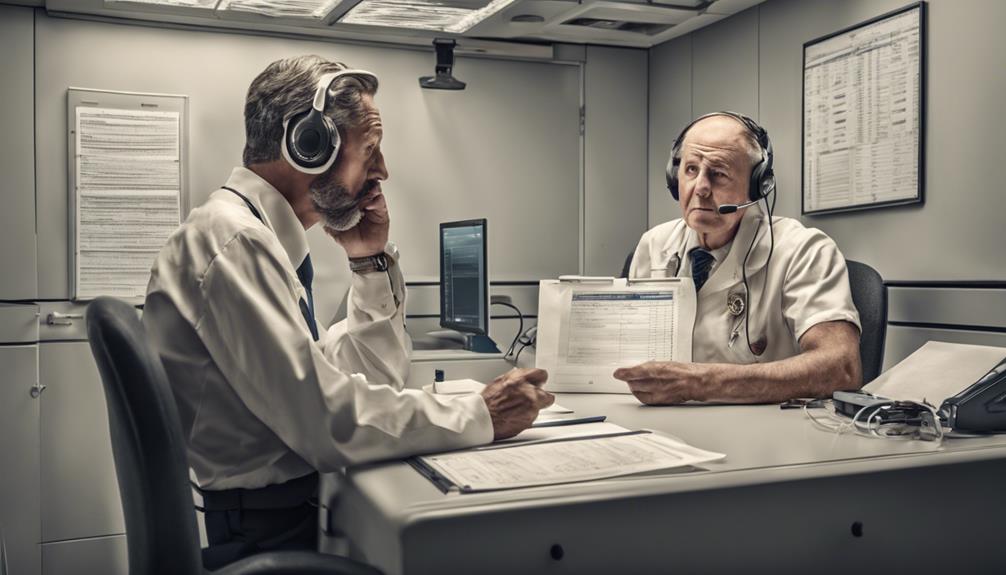
Establishing a direct link between their military service and hearing loss is a crucial requirement for veterans seeking VA disability benefits. When it comes to service connection requirements for hearing loss, several key points need to be considered:
- Veterans must provide evidence of the in-service event that could have led to their hearing loss, such as exposure to noise or combat situations.
- A current diagnosis of hearing loss from a licensed audiologist is essential for the VA to evaluate the condition for disability benefits.
- The nexus between the documented in-service event and the current diagnosis of hearing loss must be clearly outlined to support the claim for VA compensation.
- Meeting these service connection requirements is fundamental for veterans to secure disability ratings and benefits for their hearing loss.
Navigating Claims Process for Tinnitus
Navigating the claims process for tinnitus requires careful attention to detail and proactive engagement with VA disability advocates. When seeking tinnitus benefits through VA disability compensation, veterans must file a claim and establish a clear connection between their tinnitus and military service events. In fiscal year 2020, over 2.3 million veterans received tinnitus benefits, highlighting the importance of understanding the claims process.
To assist veterans in effectively navigating this process, seeking support from VA disability advocates can be invaluable. These advocates are well-versed in the tinnitus rating system and can provide guidance on how to present evidence of the condition's impact on daily life. By working closely with VA disability advocates, veterans can increase their chances of receiving the appropriate compensation for their tinnitus-related disabilities.
| Key Steps | Description |
|---|---|
| File a Claim | Initiate the process by submitting a claim for VA disability compensation for tinnitus. |
| Establish Connection | Connect tinnitus to military service events through medical records and supporting documentation. |
| Work with Advocates | Collaborate with VA disability advocates to navigate the tinnitus claims process effectively. |
| Understand Rating System | Gain insight into the tinnitus rating criteria to ensure proper evaluation of the disability. |
| Review Benefits | Familiarize yourself with the benefits available for tinnitus-related disabilities under VA compensation. |
Frequently Asked Questions
Is Tinnitus and Hearing Loss the Same VA Claim?
No, tinnitus and hearing loss aren't the same VA claim. They're distinct conditions that the VA evaluates separately.
Tinnitus typically receives a 10% disability rating, while hearing loss ratings vary based on severity. Veterans can have both conditions and may receive separate disability ratings for each.
It's crucial to establish service connection for both by proving their individual impact on a veteran's health and well-being.
Is Tinnitus the Same as Hearing Loss?
Yes, tinnitus isn't the same as hearing loss. Tinnitus involves perceiving noises like ringing or buzzing without an external source, while hearing loss refers to difficulty hearing sounds.
It's essential to recognize this distinction for accurate evaluation and treatment of auditory issues. Understanding the differences between tinnitus and hearing loss is crucial in addressing individual health concerns and providing appropriate support and care.
How Much Disability Will I Get for Hearing Loss and Tinnitus?
We understand the importance of knowing how much disability compensation we might receive for hearing loss and tinnitus. The VA considers various factors when evaluating these conditions, such as puretone thresholds and speech discrimination.
Changes in tinnitus rating criteria may impact compensation levels. It's crucial to stay informed and seek professional guidance to ensure a fair assessment of our disabilities.
What Are the 4 Types of Hearing Loss?
Sure!
There are four types of hearing loss:
Conductive, Sensorineural, Mixed, and Central.
Conductive issues affect sound conduction in the outer or middle ear.
Sensorineural damage impacts sound interpretation in the inner ear or auditory nerve.
Mixed hearing loss combines both types.
Central hearing loss affects sound processing in the central nervous system.
Understanding these distinctions is crucial for accurate diagnosis and treatment planning.
Conclusion
In conclusion, as veterans navigate the VA disability rating system, understanding the distinctions between Hearing Loss and Tinnitus is crucial. Like a symphony of challenges, the evaluation process and criteria for these conditions may seem complex.
However, with perseverance and knowledge, veterans can successfully advocate for the compensation they deserve. Keep pushing forward, for the sound of justice is within reach.
Fall Picks
fall essentials
As an affiliate, we earn on qualifying purchases.