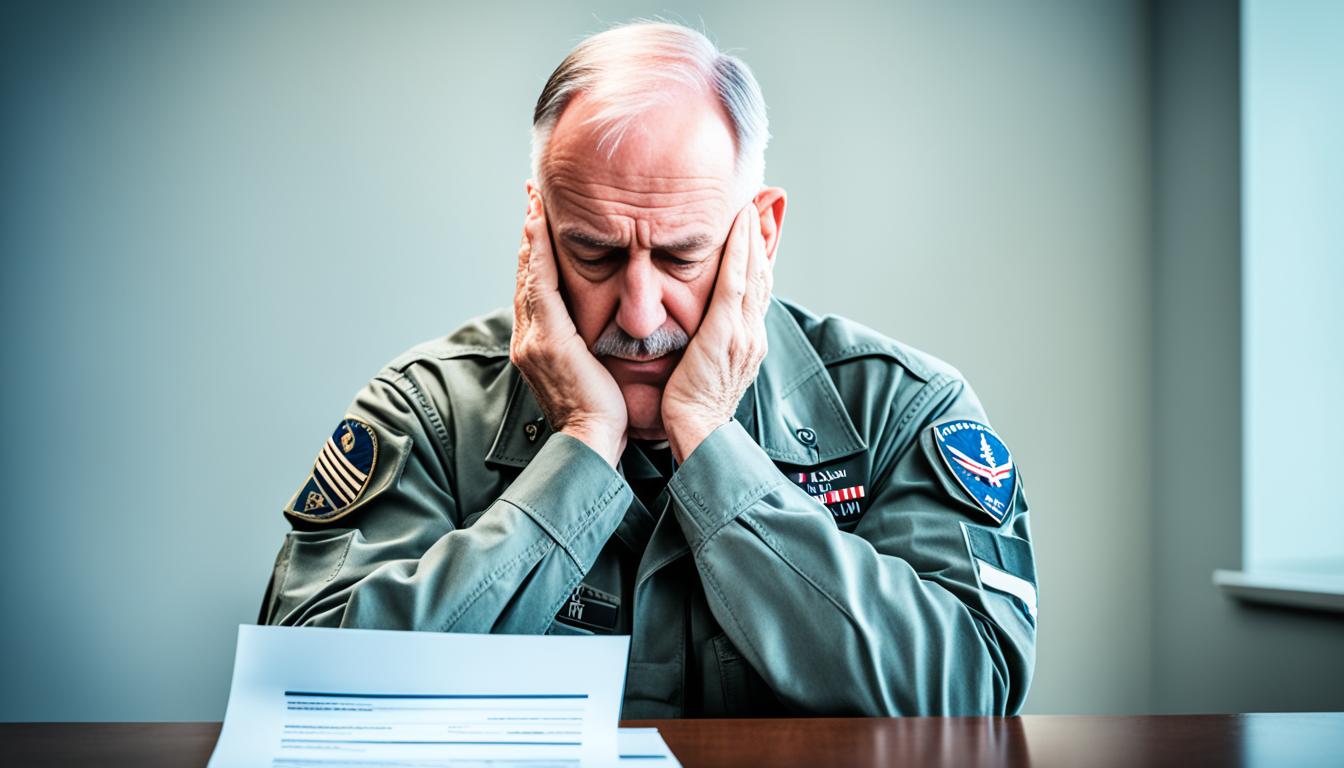

A strong personal statement in a VA hearing claim clearly links your military service to your health issues, emphasizing specific incidents and their ongoing effects. You should describe what happened with precise details like dates and locations, explaining how these events impacted your daily life. Connecting your experiences to medical records and treatments helps build credibility. Maintaining a factual and straightforward tone makes your statement more convincing. Keep these points in mind to strengthen your case as you learn more.

Get everyday helpers delivered free with Prime
- Fast, free delivery on millions of items
- Prime Video, Amazon Music and more included
- Member-only deals all year
Key Takeaways
- Clearly describes specific military incidents linked to current health issues, including dates and locations.
- Connects personal experiences directly to medical evidence and ongoing treatments.
- Maintains a factual, straightforward tone without exaggeration or emotional language.
- Demonstrates how service-related events caused or contributed to current disabilities.
- Includes relevant details from medical records to support credibility and strengthen the claim.

A strong personal statement can make all the difference in your VA hearing claim, providing the evidence needed to support your case. When it comes to proving your service-related health issues, your personal account plays a vital role in shaping the outcome. You want your statement to clearly illustrate how your military service directly caused or contributed to your disability. Your story should be compelling, detailed, and honest, making it easier for decision-makers to understand your situation and connect it to your entitlement to disability benefits.
A compelling personal statement can significantly influence your VA disability claim by clearly linking your service to your health issues.
Focus on specific incidents or experiences during your military service that led to your health problems. For example, if you sustained an injury during training or combat, describe the event vividly—what happened, how you felt, and the immediate effects. Describe how these experiences impacted your daily life, both during and after service. Mention any ongoing symptoms, treatments, or limitations that continue to affect you. Be precise about dates, locations, and circumstances, but avoid unnecessary details that don’t add value to your claim.
Your personal statement should also highlight how your condition relates to your military service. If you have any medical records or service documents that support your story, reference them in your statement. For instance, if you received treatment for a specific injury or illness during service, mention this. Connect the dots between your military duties and your current health issues, demonstrating a clear link that supports your claim for disability benefits. Understanding the importance of documented medical evidence can strengthen your case by providing tangible proof of your health issues. Recognizing the role of medical documentation in supporting claims emphasizes the necessity of accurate record-keeping. Additionally, including medical records that reflect your ongoing treatment or diagnoses can reinforce the credibility of your account. Being aware of medical record accuracy can also help ensure your claim is not delayed or denied due to missing or incorrect information.
It’s important to keep your tone factual and focused. Avoid exaggeration or emotional appeals that might weaken your credibility. Instead, present your experiences straightforwardly, emphasizing facts and how they relate to your claim. Use active voice to make your statement direct and engaging, helping reviewers understand your situation without ambiguity. Additionally, understanding the role of biodiversity in health and well-being can sometimes provide context for health-related claims, emphasizing the importance of comprehensive and truthful documentation.
VA hearing claim personal statement guide
As an affiliate, we earn on qualifying purchases.
As an affiliate, we earn on qualifying purchases.
Frequently Asked Questions
How Long Should My Personal Statement Be?
Your personal statement should be clear and concise, ideally around 1-2 pages or 500-1000 words. Focus on your veteran experiences, highlighting how your service caused your current condition. Use proper statement formatting—organized paragraphs, chronological order, and clear language—to make your story easy to follow. Keep it honest and detailed without overloading it. A well-structured statement helps your case stand out and effectively communicates your needs.
Should I Include Medical Evidence in My Statement?
They say, “Show, don’t tell,” and that applies here. You should definitely include medical documentation in your personal narrative because it strengthens your case. Medical evidence provides objective proof of your condition, making your story more credible. Without it, your personal statement might lack the necessary support to convince the VA. Including relevant medical records helps connect your personal experience to your disability, making your claim more compelling.
Can I Submit Multiple Personal Statements?
Yes, you can submit multiple personal statements. Veteran testimonials and personal narratives help strengthen your case by providing different perspectives on your service-connected issues. Each statement can highlight various experiences or details you might not have covered before. Make sure each personal narrative is clear, honest, and focused on how your condition relates to your service. Submitting multiple statements gives a fuller picture of your claim and can support your case effectively.
How Detailed Should My Injury Descriptions Be?
You should include detailed injury descriptions that incorporate medical terminology and a clear injury chronology. Be specific about how the injury occurred, symptoms, treatments, and ongoing issues. Use medical language accurately to convey severity and impact. The more precise and detailed your account, the better the decision-maker can understand your condition. Avoid vague statements—clarity and thoroughness strengthen your personal statement and support your claim effectively.
When Is the Best Time to Submit My Statement?
You should submit your statement as early as possible, ideally before your VA hearing, to allow for thorough review. Timing considerations are vital because submitting it too late might limit its impact. The best statement timing is well in advance of the hearing date, giving your case time to be considered. Preparing and submitting your personal statement early guarantees it can be effectively integrated into your claim process.
Conclusion
A strong personal statement clearly tells your story, highlights your struggles, and shows how your condition impacts your daily life. It’s honest, specific, and heartfelt. It paints a vivid picture of your experiences, emphasizes your needs, and demonstrates your resilience. By being genuine, detailed, and focused, your statement becomes a powerful tool. Remember, your story matters—share it confidently, clearly, and with purpose, and it can make all the difference in your VA hearing claim.
Halloween Picks
halloween
As an affiliate, we earn on qualifying purchases.