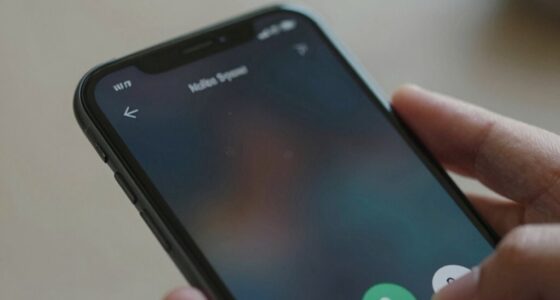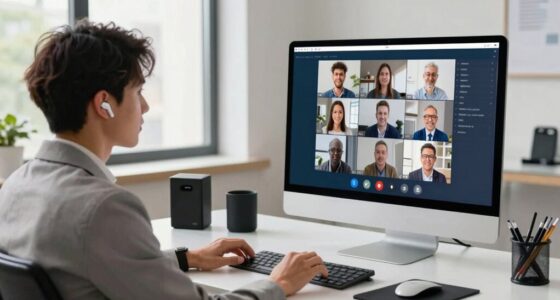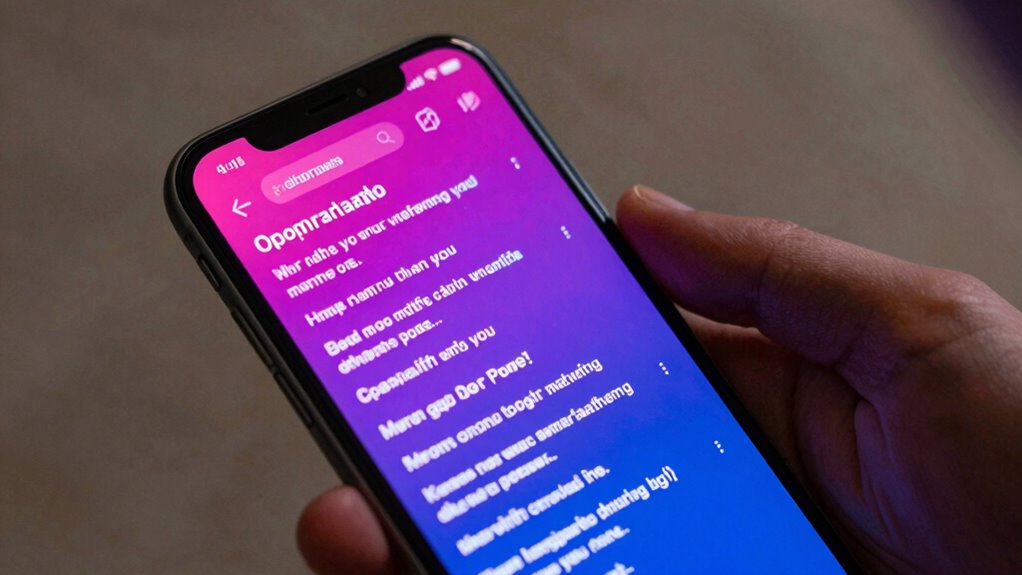

Captioned phones turn conversations into readable text by using advanced speech recognition technology. As someone speaks, the phone quickly converts their words into written captions displayed on the screen in real time. This helps you understand conversation clearly, even in noisy environments or if voices are soft. The technology is customizable and easy to use, making communication more accessible. If you keep exploring, you’ll discover even more about how these devices improve interaction.

Get everyday helpers delivered free — and shop member deals
- Fast, free delivery on millions of items
- Access to Prime Big Deal Days deals on October 6–7
- Prime Video, Amazon Music and more included
Key Takeaways
- Captioned phones use speech recognition software to convert spoken words into real-time text displayed on the screen.
- They provide immediate captions during conversations, aiding understanding in noisy or quiet environments.
- Customizable display settings and adjustable fonts enhance readability for users.
- Conversation transcripts can be saved or shared for future reference or further clarification.
- Advanced technology continuously improves transcription accuracy and responsiveness for seamless communication.
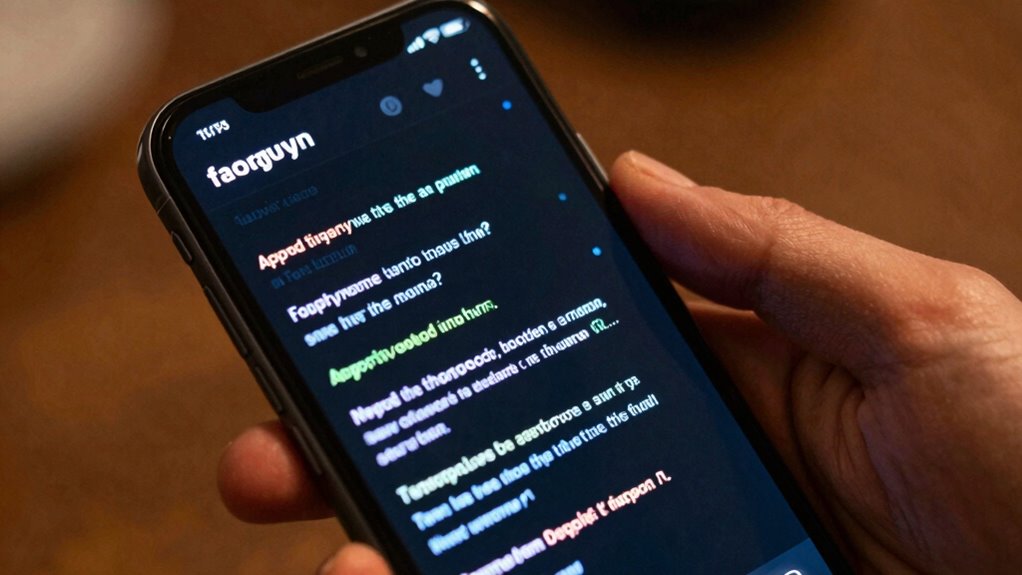
Have you ever wondered how captioned phones make conversations easier to follow? These devices are a prime example of assistive technology designed to improve communication accessibility for people with hearing loss. When you use a captioned phone, you don’t have to rely solely on hearing the other person’s voice. Instead, the phone converts spoken words into readable text in real-time, allowing you to see what’s being said instantly. This technology helps you stay connected and engaged, whether you’re talking to family, friends, or colleagues.
Captioned phones convert speech to text in real-time, making conversations clearer and more accessible for everyone.
The core of how captioned phones work lies in speech recognition software that transcribes speech into text as the conversation happens. When someone speaks, their voice is picked up through the phone’s microphone, and the software processes the audio to generate a written version of the dialogue. You see these captions appear on the screen immediately, which means you can follow the conversation without missing important details. This feature is especially beneficial in noisy environments or when the speaker has a soft voice, as it removes the need to strain your ears or ask for repeated information.
Using a captioned phone enhances communication accessibility by making conversations more inclusive. It allows users with hearing impairments to participate fully in everyday interactions without dependence on others for clarification. The technology fosters independence, letting you manage conversations on your own terms. Plus, many captioned phones are designed with user-friendly interfaces, adjustable fonts, and customizable settings, so you can tailor the display to your preferences. This adaptability improves your comfort and ensures that captions are clear and easy to read.
Moreover, captioned phones often come with additional features like the ability to save transcripts of conversations for later reference or share them with others. This can be particularly useful in professional settings or important personal discussions. Because the captions are generated instantly, you can respond promptly and confidently, knowing you have a clear understanding of what’s being said. It’s like having a personal interpreter built into your phone, bridging the gap between spoken words and comprehension. These devices utilize speech recognition software, a vital component that enables real-time transcription and ensures accurate communication. The ongoing development of assistive technology continues to enhance user experience by improving the accuracy and responsiveness of these devices, making conversations even more seamless. In essence, captioned phones serve as an essential tool that transforms spoken communication into written text seamlessly. They leverage assistive technology to create a more accessible environment, ensuring that conversation isn’t hindered by hearing challenges. With these devices, you gain a greater sense of independence and confidence in your interactions, making everyday conversations more straightforward and enjoyable.
captioned phones for hearing impaired
As an affiliate, we earn on qualifying purchases.
As an affiliate, we earn on qualifying purchases.
Frequently Asked Questions
What Devices Are Compatible With Captioned Phones?
You can use captioned phones with many devices that support accessibility features, like smartphones, landlines, and VoIP systems. These phones are compatible with devices that have Bluetooth, Wi-Fi, or captioning apps. Make sure to check device compatibility to guarantee the captioning technology works seamlessly. Most modern smartphones and communication systems now include accessibility features, making it easier for you to stay connected with clear, readable conversations.
How Accurate Are the Transcriptions in Noisy Environments?
In noisy environments, the transcription accuracy of captioned phones can decrease due to noise interference. While these devices are designed to filter out background sound, loud or persistent noise may still impact the clarity of the transcriptions. You might notice some errors or missed words, especially in bustling settings. However, overall, they provide a helpful, readable text of conversations, but for maximum accuracy, quiet conditions are ideal.
Can Captioned Phones Be Used for International Calls?
You might think captioned phones are only for local calls, but surprisingly, they can be used for international conversations too. Thanks to accessibility features and built-in language translation, you can understand and be understood across borders. It’s almost ironic—technology that’s meant to bridge communication gaps can now make global calls easier for everyone. So, yes, your captioned phone can help you connect internationally, breaking down language barriers effortlessly.
How Do Captioned Phones Handle Multiple Speakers?
Captioned phones handle multiple speakers through speaker differentiation and multi-speaker detection technology. When several people talk, the phone identifies each speaker and labels their speech accordingly, making conversations clearer. This feature helps you follow who said what, especially during busy group discussions. By automatically detecting different voices, the phone guarantees you receive accurate, readable text for each speaker, enhancing your understanding and communication in multi-person conversations.
Are There Subscription Fees for Captioned Phone Services?
Imagine your phone as a gateway to clear communication, where fees don’t block your connection. Generally, there are no subscription fees for captioned phone services, but billing policies and service package options vary by provider. Some offer free basic features, while others include premium packages. It’s essential to review each provider’s details to find the best fit for your needs, ensuring your conversations remain accessible without unexpected costs.
Conclusion
You now see how captioned phones make conversations accessible and easy to understand. With real-time text, you can follow along without missing a beat, whether you’re in noisy places or hard of hearing. Did you know that over 36 million Americans experience some hearing loss? Captioned phones are transforming communication for millions, ensuring everyone stays connected and informed. Embrace this technology and experience conversations in a whole new, readable way.
Fall Picks
fall essentials
As an affiliate, we earn on qualifying purchases.