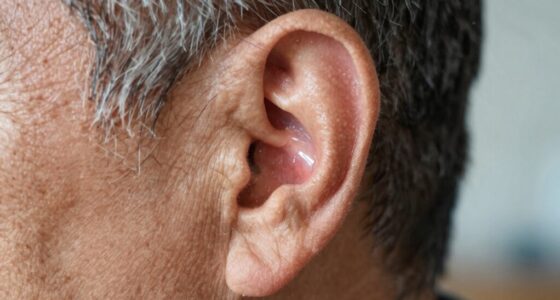

Your family history can markedly influence your risk of developing hearing problems because of genetic and hereditary factors. If relatives have hearing issues, you may be more susceptible due to inherited traits affecting ear development and nerve function. Knowing this can help you take proactive steps like regular hearing tests and protecting your ears. By understanding your family’s health background, you’ll be better equipped to manage your hearing health—exploring this further can reveal valuable insights.

Get everyday helpers delivered free with Prime
- Fast, free delivery on millions of items
- Prime Video, Amazon Music and more included
- Member-only deals all year
Key Takeaways
- Family history indicates genetic predisposition, increasing individual risk for hearing problems.
- Hereditary traits influence ear structure and nerve function, affecting hearing health over time.
- Recognizing familial patterns helps healthcare providers recommend regular screenings and preventive measures.
- Genetic factors can predispose individuals to age-related or congenital hearing loss.
- Understanding family history supports personalized hearing healthcare and proactive management strategies.

Have you ever wondered how your family history might influence your risk of hearing problems? The answer often lies in genetic predisposition and hereditary traits that can be passed down through generations. If hearing issues run in your family, you might be more susceptible to similar problems yourself. These inherited factors play a significant role in understanding your personal risk, especially when combined with environmental influences.
Genetic predisposition refers to the inherited tendencies that affect your hearing health. Your genes contain information that can determine how your ears develop and function. For example, certain genes may make you more vulnerable to age-related hearing loss or congenital conditions like sensorineural deafness. If relatives in your family have experienced hearing difficulties, it’s likely that specific hereditary traits have contributed to their problems. Recognizing these traits can help you better understand your own risk profile and take proactive steps to protect your hearing.
Genetic factors influence ear development and can increase vulnerability to hearing loss over time.
Hereditary traits are often subtle but impactful. They can influence the structure of your inner ear, the functioning of your auditory nerves, or how your ears respond to noise exposure over time. These inherited characteristics may not cause problems immediately but can increase your likelihood of developing hearing issues as you age. For instance, if your family has a history of early-onset hearing loss, you may need to be especially vigilant about protecting your ears from loud sounds and avoiding ototoxic medications. Early detection and intervention become vital when hereditary traits are involved, helping to preserve your hearing health longer. Additionally, understanding the genetic factors involved in hearing loss can inform advancements in personalized treatment options.
Knowing about your family history allows you to work with healthcare providers to assess your risk more accurately. They might recommend regular hearing tests or suggest lifestyle changes to minimize potential damage. Preventative measures, such as using ear protection in noisy environments or managing health conditions like diabetes and cardiovascular issues, are especially important if genetic predisposition is a factor. Recognizing the importance of family medical history can help you better identify your personal risk factors. Understanding your hereditary background empowers you to make informed decisions, taking control of your hearing health rather than waiting until problems arise. Additionally, being aware of hereditary traits can help guide research and advancements in personalized hearing healthcare options. Being aware of genetic predisposition can also motivate you to adopt healthier lifestyle choices that may mitigate your risk.
Products Worth Considering

Sony WH-1000XM6 Wireless Noise-Canceling Over-Ear Headphones, Blue, Bundle

Bose QuietComfort Headphones (2nd Gen), Wireless Noise-Cancelling Over-Ear Headphones, Eucalyptus Green

Apple iPad Air 13-inch (M4), 128GB, Wi-Fi 7, Space Gray
As an affiliate, we earn on qualifying purchases.
Frequently Asked Questions
Can Family History Predict Specific Types of Hearing Loss?
Yes, family history can help predict specific types of hearing loss because of genetic predisposition and hearing inheritance. If close relatives have experienced hearing issues, you might be at higher risk for similar problems. Knowing your family’s hearing history allows you to stay alert for early signs and seek timely intervention, potentially reducing the severity. While it’s not a guarantee, family history remains a valuable factor in evaluating your hearing health risks.
How Early Should I Start Screening if Hearing Issues Run in My Family?
You should start screening as early as possible—possibly within the first few months—if hearing issues run in your family. Early testing can catch problems before they worsen. Consider genetic counseling and prenatal screening, which can identify risks early on. The sooner you act, the better your chances of preserving hearing health. Don’t wait for symptoms; proactive steps make a world of difference.
Are Genetic Tests Available for Hereditary Hearing Problems?
Yes, genetic tests are available for hereditary hearing problems. You can undergo hearing gene testing, which identifies specific genetic mutations linked to hearing loss. It’s also helpful to contemplate genetic counseling, where specialists guide you through testing options and interpret results. This process can inform early interventions and future planning, especially if hearing issues run in your family. Consulting a healthcare professional can help determine the best approach for your situation.
Can Lifestyle Changes Reduce Inherited Hearing Risks?
Think of your hearing health as a garden—you can’t change the seeds, but you can control what you plant. Lifestyle modifications like avoiding loud noises, quitting smoking, and managing health conditions lower your inherited hearing risks. Regular risk assessment helps identify vulnerabilities early, so you can take preventative steps. While genetics play a role, proactive lifestyle choices can markedly protect your hearing over time.
Does Family History Influence Treatment Options for Hearing Loss?
Yes, family history influences your treatment options for hearing loss. Knowing your hearing inheritance allows your healthcare provider to recommend personalized interventions and consider genetic counseling. If hearing loss runs in your family, early detection and tailored treatments may be more effective. Understanding genetic factors helps in choosing appropriate hearing aids or interventions and prepares you for potential hereditary risks, making your treatment plan more precise and proactive.
Conclusion
Knowing your family history can profoundly impact your hearing health, as genetics play a vital role in hearing problems. For instance, studies show that if a close relative has experienced hearing loss, your risk increases by up to 50%. So, staying informed about your family’s medical background isn’t just helpful—it’s essential. By understanding these risks, you can take proactive steps to protect your hearing and seek early treatment when needed.