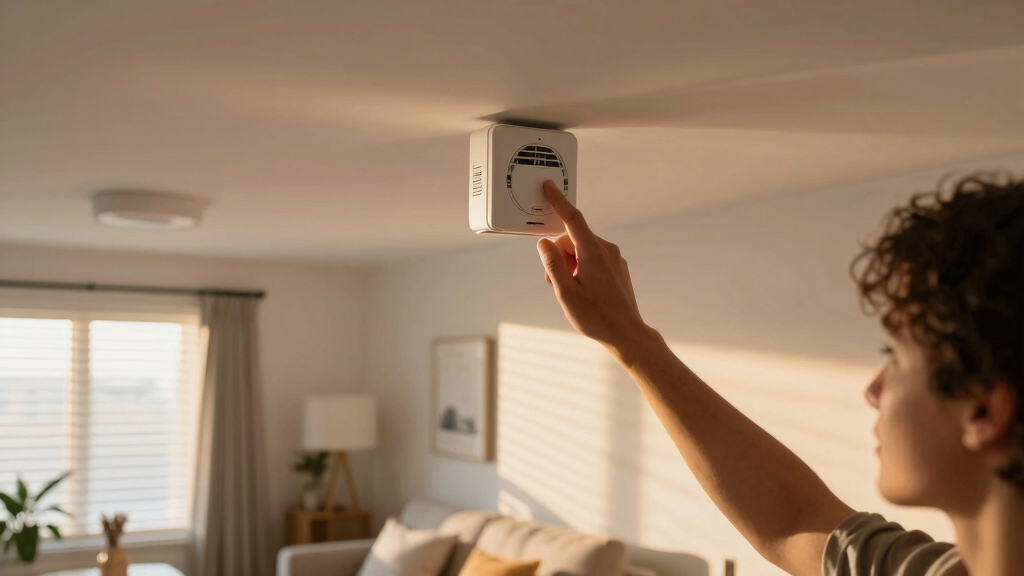

Finding the best smoke and CO alert systems for deaf households requires balancing loud, visual, and interconnect features. The First Alert SMICO105-AC stands out for its affordability and interconnectivity, making it ideal for larger homes. For those who prioritize visual alerts, the First Alert BRK 7020BSL offers a loud strobe light with a straightforward setup. Meanwhile, the Sonic Alert HomeAware II excels in providing versatile alerting options for heavy sleepers and heavy hearing loss. Each option involves tradeoffs—some focus on affordability, others on advanced features or ease of use. Continue reading for the full breakdown of these essential systems and find the best fit for your household needs.

Get everyday helpers delivered free — and shop member deals
- Fast, free delivery on millions of items
- Access to Prime Big Deal Days deals on October 6–7
- Prime Video, Amazon Music and more included
Key Takeaways
- Interconnected systems like the First Alert SMICO105-AC provide reliable coverage across multiple rooms but tend to be more complex to install.
- Visual alerts, particularly LED strobes, are crucial for the hearing-impaired, with some models offering louder alarms or additional vibration features.
- Battery backup options vary; long-lasting or 10-year sealed batteries reduce maintenance but often come at a higher upfront cost.
- Ease of setup and user-friendliness differ significantly; some systems require professional wiring, while others are plug-and-play.
- Price ranges reflect feature sets, with more comprehensive solutions generally costing more but offering increased peace of mind.
| First Alert SMICO105-AC Interconnect Hardwire Smoke & Carbon Monoxide Alarm (6-Pack) |  | Best Overall for Whole-Home Integration | Alarm Type: Combination Smoke & Carbon Monoxide | Power Source: Hardwired with 10-Year Battery Backup | Interconnect: Yes | VIEW LATEST PRICE | See Our Full Breakdown |
| Sonic Alert HomeAware II Basic Starter Kit – Alerting System for Deaf/Hard of Hearing/Heavy Sleepers |  | Best for Augmenting Existing Alarms with Visual and Tactile Alerts | Compatibility: Works with existing smoke and CO alarms | Alerts: Strobe light, bed shaker, loud tones, scrolling display | Connectivity: Bluetooth | VIEW LATEST PRICE | See Our Full Breakdown |
| First Alert BRK Interconnect Hardwire Combination Smoke & Carbon Monoxide Alarm with Battery Backup & Voice Alerts |  | Best for Voice and Location Alerts with Advanced Sensing | Type: Hardwire combination smoke and CO alarm | Battery backup: Yes | Voice alerts: Yes | VIEW LATEST PRICE | See Our Full Breakdown |
| Combination Smoke and CO Alarm with 10-Year Battery & Voice Alerts |  | Best for Low-Profile, Maintenance-Free Safety | Battery Life: 10 years | Alarm Type: Smoke and Carbon Monoxide | Design: Low-profile, slim | VIEW LATEST PRICE | See Our Full Breakdown |
| First Alert BRK 7020BSL Hardwired Hearing Impaired Smoke Detector with LED Strobe Light |  | Best Visual Alert for Hearing-Impaired Residents | Power Source: Battery Powered, Hardwired | Visual Sensor Type: Photoelectric | Battery Average Life: 5 years | VIEW LATEST PRICE | See Our Full Breakdown |
| First Alert BRK 7030BSL Hardwired Hearing Impaired Combination Alarm with LED Strobe Light |  | Best for Permanent Hardwired Installations with Long-Term Reliability | Type: Combination smoke and carbon monoxide alarm | Power Source: Hardwired | Strobe Light: LED with synchronized flashing | VIEW LATEST PRICE | See Our Full Breakdown |
| smoke and co alert systems for deaf household | Power Source |
|---|---|
| First Alert SMICO105-AC Interc | Hardwired with 10-Year Battery Backup |
| Sonic Alert HomeAware II Basic | — |
| First Alert BRK Interconnect H | — |
| Combination Smoke and CO Alarm | — |
| First Alert BRK 7020BSL Hardwi | Battery Powered, Hardwired |
| First Alert BRK 7030BSL Hardwi | Hardwired |
More Details on Our Top Picks
First Alert SMICO105-AC Interconnect Hardwire Smoke & Carbon Monoxide Alarm (6-Pack)
This 6-pack of First Alert SMICO105-AC alarms stands out for its combination of smoke and CO detection with an interconnect feature that ensures early warning across multiple rooms. Compared to the First Alert BRK 7020BSL, which also offers visual alerts, the SMICO105-AC’s quick connect plug simplifies installation, making it a solid choice for those seeking comprehensive coverage. The 10-year battery backup reduces maintenance concerns, but the hardwiring requirement can be a barrier for DIY homeowners. Its ability to interconnect with other alarms provides a safety net for larger homes, though it does come at a higher cost per unit. If you prioritize seamless, whole-house alerting systems, this pick is ideal.
Pros:- Combines smoke and CO detection in a single unit
- Long-lasting 10-year battery backup
- Easy to install with Quick Connect Plug
- Interconnects for comprehensive safety
Cons:- Requires professional hardwiring during installation
- Higher initial cost compared to single-function alarms
Best for: Homeowners wanting an integrated, low-maintenance system with long-term reliability
Not ideal for: Renters or DIYers who prefer wireless or easy-to-install options without hardwiring
- Alarm Type:Combination Smoke & Carbon Monoxide
- Power Source:Hardwired with 10-Year Battery Backup
- Interconnect:Yes
- Quantity:6-pack
Our verdict“This system is best suited for those seeking a reliable, interconnected safety network with minimal maintenance.”
Sonic Alert HomeAware II Basic Starter Kit – Alerting System for Deaf/Hard of Hearing/Heavy Sleepers
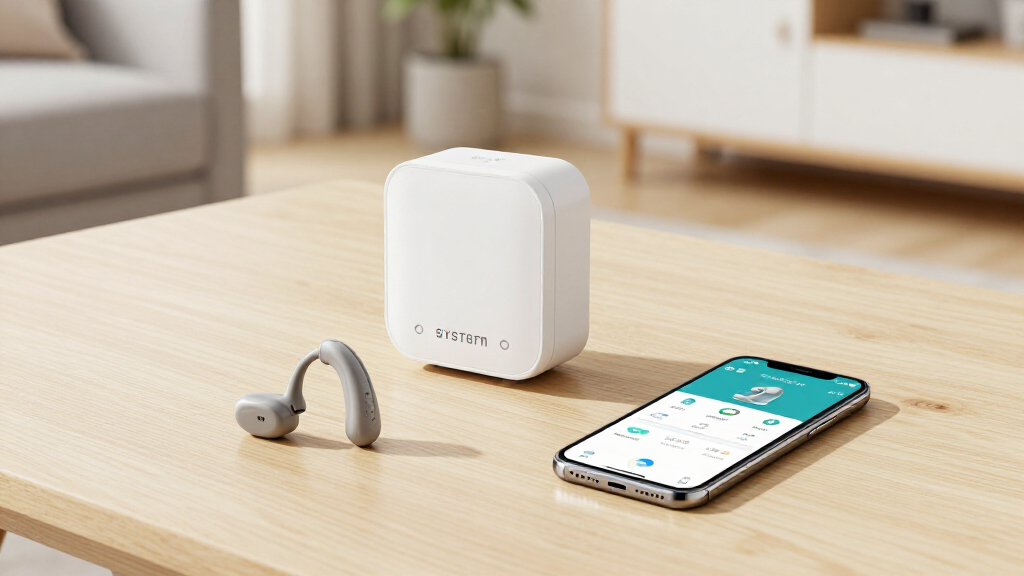
The Sonic Alert HomeAware II excels at amplifying alerts from existing smoke and CO alarms, making it a versatile addition for households with compatible detectors. Unlike standalone alarms, it offers visual (strobe), tactile (bed shaker), and loud audio alerts, plus Bluetooth connectivity for phone notifications. This makes it particularly useful for heavy sleepers or those who need multiple alert modalities. However, it does not detect smoke or CO directly, so it relies on existing alarms, which could be a drawback if the primary alarms are ineffective or absent. Setup requires careful placement to ensure alerts are properly transmitted, but its compatibility with existing devices makes it a cost-effective upgrade for many.
Pros:- Amplifies existing smoke and CO alarms for better awareness
- Multiple alert types including visual, tactile, and audio
- Bluetooth notifications for calls and texts
- Large display for clear messages
Cons:- Does not detect smoke or CO independently
- Requires placement close to alarms for effective alerts
Best for: Deaf or hard-of-hearing residents who already have smoke and CO alarms but need enhanced alerting modes
Not ideal for: Households without existing alarms or those seeking an all-in-one detection and alert system
- Compatibility:Works with existing smoke and CO alarms
- Alerts:Strobe light, bed shaker, loud tones, scrolling display
- Connectivity:Bluetooth
- Power:Rechargeable battery backup
Our verdict“Ideal for households that want to enhance existing alarm signals with multi-sensory alerts and phone notifications.”
First Alert BRK Interconnect Hardwire Combination Smoke & Carbon Monoxide Alarm with Battery Backup & Voice Alerts
This First Alert BRK model offers a step up in safety with voice and location alerts, making it easier to identify hazards quickly. Compared to the First Alert SMICO105-AC, which emphasizes interconnection, this unit’s voice alerts provide more immediate information, especially useful during emergencies. Its advanced sensing technology reduces false alarms, but it requires professional installation for hardwiring, which could be a barrier for some users. The interconnect feature works with most First Alert and BRK alarms, ensuring coverage across larger homes. If you prioritize early, clear communication during alarms, this model fits well but might be less suitable for those seeking a simple DIY setup.
Pros:- Voice and location alerts improve hazard identification
- Reduces false alarms with advanced sensing
- Battery backup maintains protection during outages
- Interconnects with compatible alarms for comprehensive coverage
Cons:- Requires professional installation
- Limited to compatible First Alert and BRK alarms
Best for: Households needing precise, voice-guided alerts with advanced sensors and professional installation
Not ideal for: Renters or those seeking wireless, easy-to-install solutions without hardwiring
- Type:Hardwire combination smoke and CO alarm
- Battery backup:Yes
- Voice alerts:Yes
- Interconnects:Most First Alert and BRK alarms
Our verdict“Best suited for homeowners who want detailed, voice-guided alerts combined with reliable interconnection.”
Combination Smoke and CO Alarm with 10-Year Battery & Voice Alerts
This slim, modern combination alarm emphasizes ease of use with a built-in 10-year battery and voice alerts, making it a practical choice for minimal maintenance. Unlike larger, hardwired options, its compact design suits tight spaces and simple installations. While it detects both smoke and CO effectively, it lacks additional sensors or interconnectivity, which could limit its coverage in larger or complex homes. The 10-year battery reduces the need for replacements, but users must still maintain the unit to prevent false alarms. This model is perfect for those who want a straightforward, reliable detector without complex wiring or multiple alarms.
Pros:- Detects both smoke and CO reliably
- Built-in 10-year battery simplifies maintenance
- Slim, discreet design fits in tight spaces
- Voice and location alerts enhance safety
Cons:- Limited to smoke and CO detection, no additional sensors
- Potential for false alarms if not maintained properly
Best for: Homeowners seeking a low-profile, maintenance-free detector with voice alerts
Not ideal for: Large households needing interconnected alarms or multiple sensor types
- Battery Life:10 years
- Alarm Type:Smoke and Carbon Monoxide
- Design:Low-profile, slim
- Installation:Easy
Our verdict“Ideal for individuals seeking a simple, durable detector with minimal upkeep and clear alerts.”
First Alert BRK 7020BSL Hardwired Hearing Impaired Smoke Detector with LED Strobe Light
This hardwired smoke detector is tailored for hearing-impaired residents, featuring a bright LED strobe that provides a clear visual warning. Compared with the First Alert SMICO105-AC, which combines smoke and CO detection, this model specializes in visual alerts, making it indispensable for those who rely solely on sight. Its 10-year sealed battery backup reduces maintenance, but the design may impact aesthetics, and professional installation is recommended. The interconnect capability ensures multiple alarms synchronize for better coverage, but only with compatible models. This detector is a focused solution for visual alerts, ensuring safety for users with hearing challenges.
Pros:- Bright LED strobe provides effective visual alerts
- Interconnects for synchronized warnings
- 10-year sealed battery reduces maintenance
- Designed specifically for hearing-impaired users
Cons:- Requires professional installation for hardwiring
- Limited to compatible models for interconnection
Best for: Deaf or severely hearing-impaired individuals needing effective visual alerts
Not ideal for: Households without compatible models or those preferring multi-sensor detection in one unit
- Power Source:Battery Powered, Hardwired
- Visual Sensor Type:Photoelectric
- Battery Average Life:5 years
- Warranty:10 years
Our verdict“Perfect for ensuring hearing-impaired residents receive unmistakable visual alerts during emergencies.”
First Alert BRK 7030BSL Hardwired Hearing Impaired Combination Alarm with LED Strobe Light
This model stands out for its powerful LED strobe light with synchronized flashing, providing a clear visual cue for those with hearing impairments. Compared to the First Alert BRK 7020BSL, which lacks the advanced Optipath 360 technology, the 7030BSL offers more comprehensive smoke detection coverage—crucial for larger or more complex layouts. Its hardwired setup ensures consistent power, but this can be a drawback for those seeking a simple plug-in or battery-operated solution. The 10-year warranty adds peace of mind, making it suitable for residents who prioritize long-term reliability over ease of installation. While it requires professional installation, this ensures a secure and compliant setup, unlike less integrated systems.
Pros:- Effective visual warning with synchronized LED strobe light
- 360-degree smoke detection with Optipath 360 technology
- Long 10-year warranty for peace of mind
- Comprehensive smoke sensing coverage suitable for larger homes
Cons:- Requires professional hardwired installation, which can be costly and time-consuming
- Lacks battery backup—power outages could disable the alarm unless wired with a backup system
Best for: Households seeking a durable, hardwired solution with comprehensive smoke sensing, especially in fixed, permanent setups.
Not ideal for: Renters or those preferring DIY installation with battery-powered alarms, since it demands professional wiring and setup.
- Type:Combination smoke and carbon monoxide alarm
- Power Source:Hardwired
- Strobe Light:LED with synchronized flashing
- Candela:77 candela
- Technology:Optipath 360
- Warranty:10 years
Our verdict“This alarm is best suited for homeowners who want a reliable, long-term hardwired system with effective visual alerts and are prepared for professional installation.”
How We Picked
The products in this roundup were evaluated based on their reliability, ease of installation, and suitability for deaf or hard-of-hearing households. Key factors included the loudness of audio alerts, quality and visibility of visual signals such as strobe lights, and the ability to interconnect multiple units for comprehensive coverage. Durability, maintenance requirements, and user-friendliness also played a role, along with overall value for the features offered. The ranking prioritizes systems that balance safety, convenience, and affordability, aiming to recommend options for a range of household sizes and needs.| smoke and co alert systems for deaf household | Power Source |
|---|---|
| First Alert SMICO105-AC Interc | Hardwired with 10-Year Battery Backup |
| Sonic Alert HomeAware II Basic | — |
| First Alert BRK Interconnect H | — |
| Combination Smoke and CO Alarm | — |
| First Alert BRK 7020BSL Hardwi | Battery Powered, Hardwired |
| First Alert BRK 7030BSL Hardwi | Hardwired |
Factors to Consider When Choosing Best Smoke And Co Alert Systems For Deaf Households
Choosing the right smoke and CO alert system for a deaf household involves considering several critical factors. Beyond basic features, it’s essential to think about the home’s size, ease of installation, and the specific needs of household members. Properly evaluating these aspects can ensure safety without unnecessary complexity or expense.Alert Types and Effectiveness
For deaf households, visual alerts like strobe lights are non-negotiable, but loud audio alarms or vibration alerts can also enhance safety. The most effective systems synchronize audio, visual, and sometimes vibrating signals to ensure everyone is alerted, regardless of their hearing ability. When selecting a product, check the maximum decibel level and the visibility and brightness of strobe lights to ensure they are suitable for your environment.
Interconnectivity and Coverage
Interconnected alarms can alert the entire home when one unit detects smoke or CO, which is vital for larger or multi-story homes. Some systems connect via hardwire, while others use wireless links. While hardwired systems tend to be more reliable, they can be more costly and invasive to install. Wireless options offer flexibility but may require batteries or regular testing to ensure connectivity remains intact.
Power Sources and Maintenance
Consider whether the system uses batteries, hardwired power, or a combination. Long-lasting or sealed 10-year batteries reduce the need for frequent replacements, but they often come at a premium. Hardwired systems typically include a battery backup, providing extra assurance during power outages. Regular testing and maintenance are essential regardless of the power source to keep the system functioning optimally.
Ease of Installation and Use
Some systems require professional installation, especially hardwired models, which may involve electrical work. Others are designed for DIY setup, with simple mounting instructions and wireless connectivity. User controls should be intuitive, with clear indicators for battery status and alarm testing. Ensuring the system is straightforward to operate encourages regular testing and peace of mind.
Cost and Value
Prices vary significantly based on features like interconnectivity, visual alerts, and battery longevity. While investing in higher-end models can improve safety, it’s important to match features with your household’s specific needs. Avoid overspending on unnecessary features, but don’t skimp on reliability or alert effectiveness. Balancing cost and performance is key to making a smart, long-term investment.
Frequently Asked Questions
Can I install these systems myself, or do I need professional help?
Many smoke and CO alert systems designed for deaf households are suitable for DIY installation, especially wireless models with straightforward mounting options. However, hardwired systems often require electrical wiring, which might necessitate professional help to ensure safety and compliance with local codes. When choosing a system, consider your comfort with electrical work and whether the added reliability of hardwired connections outweighs the convenience of wireless installation.
How loud should the alarms be for a deaf household?
For deaf or hard-of-hearing households, visual alerts like bright strobe lights are essential. However, a loud alarm—typically 85 decibels or higher—can be beneficial for hearing family members or in case of backup needs. The ideal system combines loud audio alarms with high-intensity visual signals, ensuring that everyone in the home is promptly alerted regardless of hearing ability or sleep state.
Are interconnectable alarms worth the extra cost?
Interconnectable alarms significantly increase safety by ensuring that when one detects smoke or CO, all units activate simultaneously. This feature is especially valuable in larger or multi-story homes, where a single alarm might not be heard or seen from all areas. While they may cost more upfront, the added coverage and peace of mind often justify the investment, particularly for households with members who are deaf or hard of hearing.
What is the best power source for a deaf household system?
The best choice depends on your home’s setup, but generally, hardwired systems with battery backup offer the most reliable power source, especially during outages. Long-life sealed batteries also reduce maintenance and ensure consistent alerting without frequent replacements. Combining these options can provide continuous protection, giving added assurance that alerts will function when needed most.
How often should I test my smoke and CO alert system?
Regular testing is essential to ensure your system works properly, ideally once a month. Many systems include a test button—use it to verify both audio and visual signals. Additionally, check the battery status and replace batteries as needed, especially for models without sealed long-term batteries. Proper maintenance and testing can prevent false alarms and ensure the system functions correctly during an emergency.
Conclusion
For households seeking a comprehensive, reliable system, the First Alert SMICO105-AC offers excellent interconnectivity and value, making it the best overall choice. Those prioritizing visual alerts and ease of installation may prefer the First Alert BRK 7020BSL, a straightforward, effective option. For families new to alert systems, the Sonic Alert HomeAware II provides versatile alerting modes without complex wiring. Larger or multi-story homes benefit from interconnectivity, while budget-conscious buyers should focus on systems with long-lasting batteries and essential features. Tailor your choice based on your home size, hearing needs, and maintenance preferences to ensure maximum safety and peace of mind.
Halloween Picks
halloween
As an affiliate, we earn on qualifying purchases.