
TL;DR

Get everyday helpers delivered free with Prime
- Fast, free delivery on millions of items
- Prime Video, Amazon Music and more included
- Member-only deals all year
AI-powered OTC hearing aids use real-time algorithms to enhance speech clarity and reduce background noise. They are affordable, easy to operate, and improve quality of life for those with mild to moderate hearing loss.
Imagine a hearing aid that not only amplifies sound but also intelligently filters out background noise, adapts to your environment, and learns your preferences over time. That’s the promise of the best AI-powered OTC hearing aids. They’re changing the game—making hearing assistance more accessible, affordable, and personalized than ever before.
If you or a loved one are considering stepping into this new world of hearing tech, understanding what makes these devices stand out is key. You’ll learn how AI transforms sound processing, what features to look for, and how to pick a device that truly fits your needs. Ready to see how smart hearing aids can improve your daily life?
AI enables OTC hearing aids to automatically adjust sound based on your environment, improving clarity and comfort.
Features like noise reduction, app control, and environment detection are now standard in top models.
Choosing the right device depends on your hearing needs, lifestyle, and tech comfort—use comparison tables and reviews to guide your decision.
AI-powered OTC hearing aids are best suited for mild to moderate hearing loss and are rapidly evolving with better performance each year.
Always consider professional advice if your hearing loss is severe or complex, but for many, these devices offer a practical, effective upgrade.
How AI Turns Hearing Aids Into Personal Sound Engineers
AI-driven sound processing is the core of these devices. They analyze environmental sounds in real-time—distinguishing speech from noise, adjusting volume, and even suppressing echoes. This technology acts like a personal sound engineer, constantly fine-tuning the audio to optimize clarity based on your surroundings. Why does this matter? Because static or background noise can make conversations frustrating, and traditional hearing aids often struggle to adapt quickly. AI’s ability to differentiate and prioritize sounds means clearer speech and less listening fatigue, especially in unpredictable environments like busy streets or crowded restaurants. However, this adaptability is not without tradeoffs—more complex algorithms can consume more battery or require sophisticated calibration, possibly increasing costs. Understanding these balances helps you choose a device that offers real-world benefits without unnecessary compromises.
For example, FLYSOUND OpenFit OTC AI Hearing Aids use smart algorithms that adapt instantly, offering a natural listening experience no matter where you are. The AI learns over time, fine-tuning the device to your specific environment and preferences.
As an affiliate, we earn on qualifying purchases.
Top Features That Make AI-Powered OTC Hearing Aids Stand Out
When choosing the best AI-powered OTC hearing aids, look for these must-have features and understand why they matter:
- Smart Noise Reduction: This feature employs AI algorithms to analyze ambient sounds and suppress background noise in real-time. Why it’s important: It significantly reduces listening fatigue by making speech more prominent, especially in noisy places. But, be aware that aggressive noise reduction can sometimes remove important environmental cues or cause unnatural sound quality, so finding a balance is key.
- Automatic Environment Detection: Devices with this feature can identify whether you’re in a quiet room, a noisy street, or outdoors, then automatically adjust settings accordingly. The implication is that you don’t have to manually switch modes, which enhances convenience, but it also means the device’s sensors and AI need to be sophisticated enough to avoid misclassification in complex environments.
- Personalization: AI learns your preferred sound profile over time, tailoring amplification and filtering to your unique hearing needs. This personalization improves comfort and speech understanding, but it requires the device to collect and analyze usage data—raising considerations about privacy and data security.
- App Control: Smartphone apps allow you to tweak settings, switch modes, or update firmware. This empowers users to customize their experience easily, but a poorly designed app can diminish usability, so intuitive interfaces matter.
- Connectivity: Features like Bluetooth streaming enable direct audio input from calls or music, making devices more versatile. A tradeoff here is that increased connectivity can drain battery life faster and may introduce latency or pairing issues if not well-implemented.
To help you better understand how these features work together, let’s explore how they can be applied in real-life situations to improve your hearing experience.
For instance, in a noisy restaurant, smart noise reduction combined with automatic environment detection can focus on speech, while app control allows you to quickly adjust settings if needed. Recognizing these features’ implications helps you weigh convenience against potential tradeoffs, ensuring you select a device that aligns with your priorities and lifestyle.
Frequently Asked Questions
Are AI-powered OTC hearing aids effective for all types of hearing loss?
They work best for mild to moderate hearing loss. Severe cases often require custom, professionally fitted devices. Always consult a specialist if you’re unsure about your type of hearing loss.
How do AI features improve hearing aids?
AI enhances sound clarity by filtering background noise, automatically adjusting settings, and learning your preferences for a more natural listening experience.
Can I use OTC hearing aids without a doctor’s prescription?
Yes, these devices are designed for self-selection and easy use, but if you have complex or severe hearing issues, a professional evaluation is recommended to ensure the best fit.
How do I choose the best AI-powered OTC hearing aid?
Focus on features like noise reduction, battery life, app control, and comfort. Read user reviews and compare specs to find the device that fits your lifestyle.
Are AI-powered OTC hearing aids discreet?
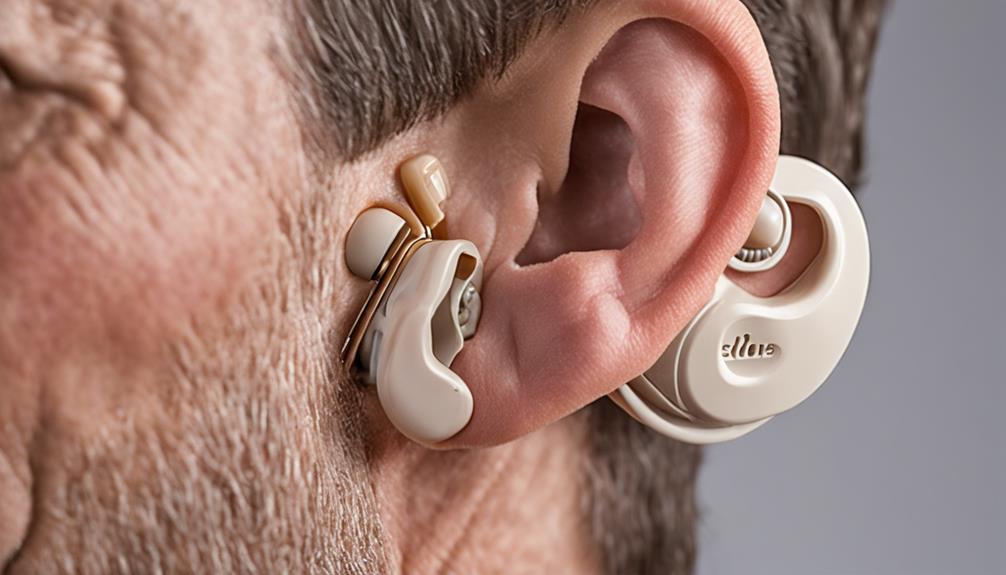
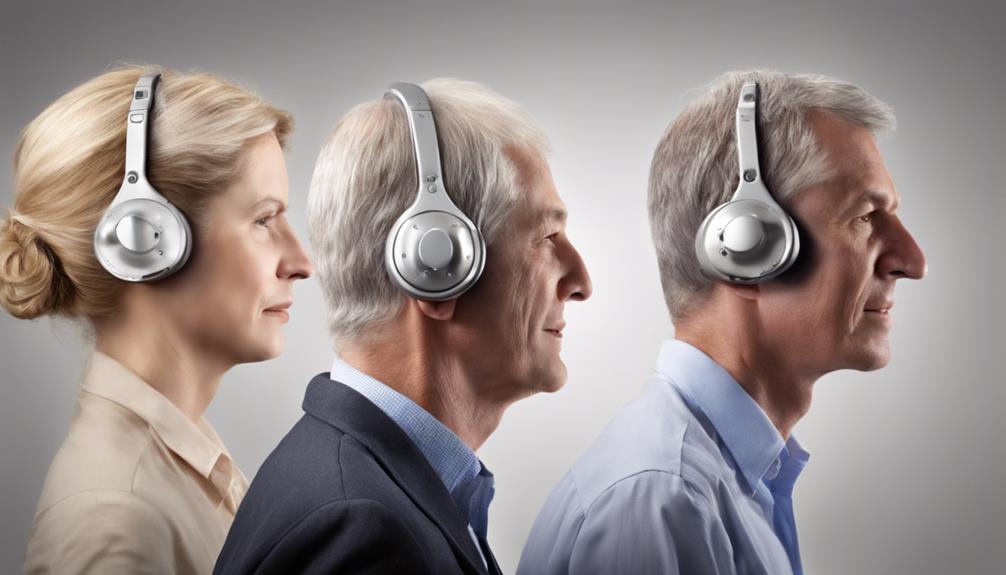
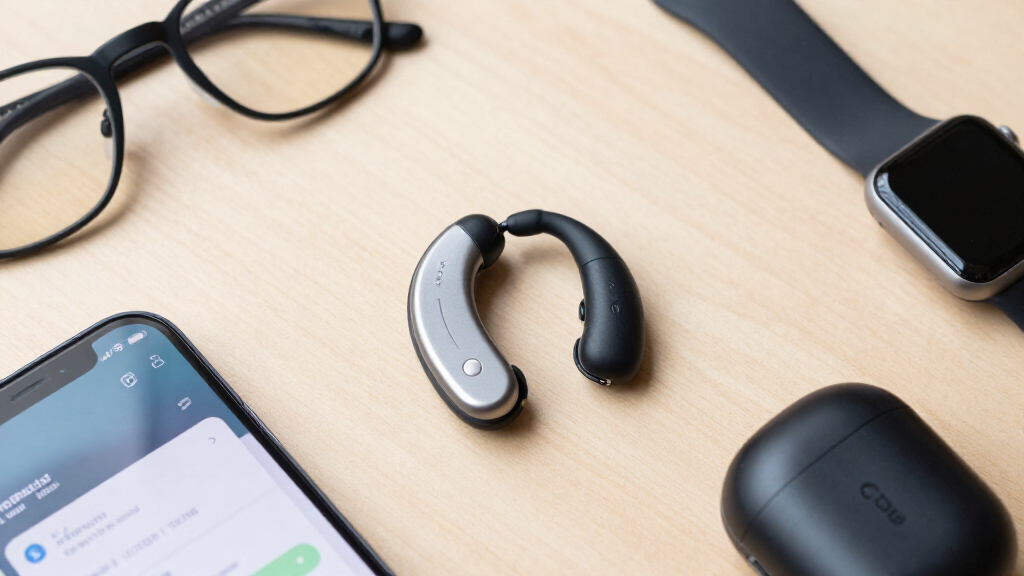
Most are designed to be small and unobtrusive, resembling earbuds or behind-the-ear models—perfect for daily wear without drawing attention.
Conclusion
AI-powered OTC hearing aids are transforming how millions experience sound—more natural, more personalized, and more affordable. They’re a glimpse into the future of hearing health, where smart tech meets everyday life in a seamless way.
If clarity and convenience matter, now’s the time to explore these intelligent devices. Your ears—and your daily conversations—will thank you.
Evergreen bestsellers Picks
bestsellers
As an affiliate, we earn on qualifying purchases.