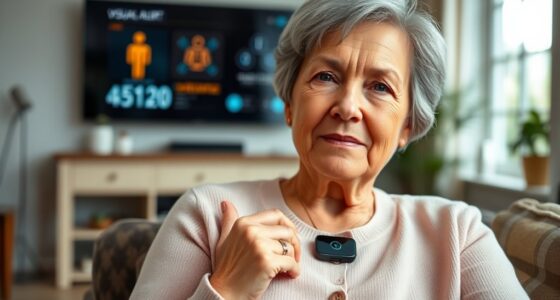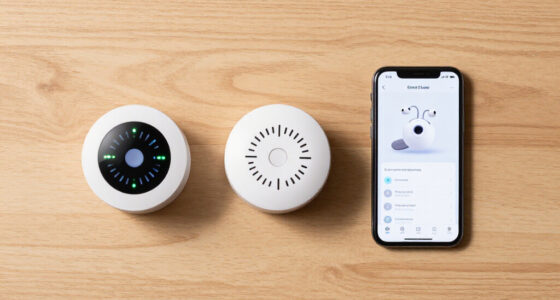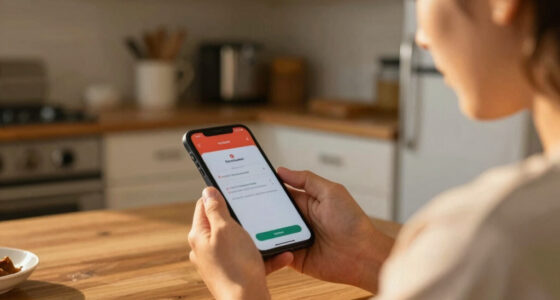
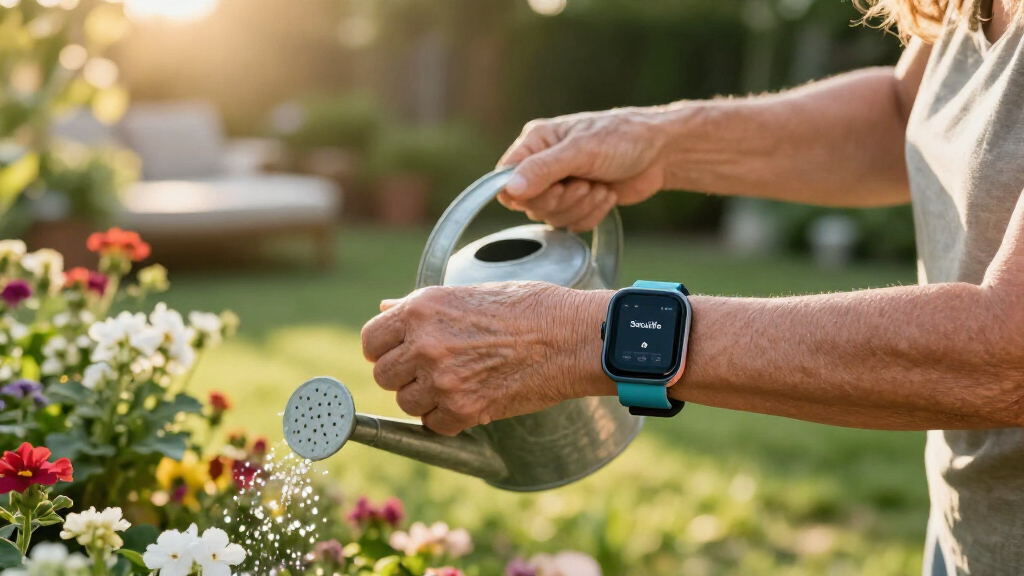

The Seculife Medical Alert Smartband combines fall detection, GPS tracking, and two-way calling in a wearable aimed at seniors and their caregivers. Its strongest case is the way it can connect an emergency alert with a call and location details; its biggest drawback is the daily charging routine, alongside a required monthly subscription. It is worth considering for someone who will wear and charge it consistently and whose family values remote location features, but it is a weaker fit for someone who wants a low-maintenance device or service without recurring fees.

Get everyday helpers delivered free with Prime
- Fast, free delivery on millions of items
- Prime Video, Amazon Music and more included
- Member-only deals all year

Seculife Medical Alert Smartband for Seniors with Fall Detec
- ✔ Subscription: Required; from $25 per month
- ✔ Emergency features: Fall detection, SOS button, automatic calls to preselected contacts
- ✔ Calling: Two-way calling; automatic answering for approved contacts
Why This Product Stands Out
Medical alert wearables commonly center on one core job: letting someone summon help when a phone is out of reach. Seculife adds GPS, geofencing, and two-way communication to that basic role. That makes it more useful for families who need to coordinate support beyond the home, especially when a wearer goes out independently or may not be able to explain where they are during an urgent situation.
The combination is a meaningful category advantage, but it also means the band is a connected service rather than a standalone watch. The monthly subscription is part of the purchase decision, and the listed one-day battery puts regular charging alongside emergency readiness. Compared with a simpler pendant, the Seculife offers more location and communication options; compared with other alert watches, its appeal depends on whether the caregiver tools matter enough to justify the ongoing fee and upkeep.
The closest alternatives change the decision based on form and priorities. The SecuLife Medical Alert Pendant is worth comparing if a pendant is more comfortable or familiar than a wristband. The SkyAngelSPORT Fall Detection Emergency Watch and Home & Wellness Co. Stride Medical Alert Watch with GPS are alternatives to investigate if a buyer is comparing alert-watch designs or GPS options. Their inclusion here is a prompt to compare specific service terms, wearability, and charging needs, not a claim that they outperform Seculife.
Key Features and What They Mean
Fall detection and SOS calling give the wearer automatic and manual ways to reach preselected contacts. Fall detection matters most when someone may be unable to press a button after a fall; the three-second SOS press gives a person who recognizes they need help a direct way to call. Together, they can shorten the path from an incident to a caregiver check-in. These features are most useful for someone at elevated fall risk whose contacts have agreed to respond. Detection can miss events, and a call only helps if someone answers, so the family still needs a response plan.
GPS tracking, geofencing, and one-year location history help caregivers answer practical questions when a wearer is away from home: where they are, whether they crossed an agreed boundary, and what their location patterns look like over time. GPS can support finding someone after a missed check-in, while geofence notifications can prompt a caregiver to follow up sooner. Location history may help families understand routines and coordinate support. These tools are particularly valuable for someone who goes out independently or may have difficulty explaining their location. They require active service and setup, and location sharing should be agreed on with the wearer.
Two-way calling and automatic answering let caregivers check in through the band without asking the wearer to find and operate a phone. Speaking through the device can help when a phone is out of reach, while automatic answering for approved callers removes a step for someone who may struggle to accept a call. This can make reassurance and urgent communication easier, especially when the wearer is away from home. It depends on the wearer being able to hear and speak through the band and on a caregiver configuring approved contacts.
Heart rate, blood oxygen, and body temperature readings put basic measurements in the same wearable, which may make routine tracking more convenient for a wearer or caregiver. They can offer information to note and discuss, but the supplied details do not establish that they replace clinical equipment or medical advice. IP67 water resistance and a listed one-meter depth rating may help the wearer keep the band on for handwashing and everyday splashes, reducing the chance it is set aside during ordinary tasks. Buyers should follow the product’s care instructions rather than assume it is suitable for swimming or prolonged water exposure.
The two-inch touchscreen gives the wearer access to information and controls on the wrist, and iOS and Android compatibility lets the band work alongside common phone platforms. This may suit someone already comfortable with touchscreens and wrist devices. For a person who struggles with on-screen controls, the interface could slow access to features; someone who wants only a clear emergency button may find a simpler device easier to use.
Performance and Real-World Use
In daily use, the main practical question is whether the wearer and caregiver can keep the band charged and the service configured. A stated one-day battery life makes charging part of the routine, much like a phone or smartwatch. Families should decide when it will be charged and how the wearer will remain supported during that interval. A band left uncharged or set aside during charging cannot provide the same continuous access to its alert and location features.
Setup also calls for caregiver involvement. Preselected contacts, approved callers, geofences, and location sharing need to be chosen and maintained. That extra configuration is worthwhile when the family has a clear plan and will use the features, but it can make the product feel burdensome for someone who wants an appliance-like device that requires little attention. The silicone band and water-resistant design support routine wear, while the touchscreen may suit users who are already at ease with wrist devices.
Fall detection should be treated as an added safety layer rather than a promise of automatic rescue. Detection systems can miss some events or produce alerts that need checking, and a call to a contact depends on that person being available and responding. Families should confirm how alerts are handled through the subscription service, teach the wearer the SOS process, and decide what happens if a call is missed. Those practical steps are particularly important for anyone relying on the band while living alone.
Who Should Buy This
The Seculife makes the most sense for a senior who wants to wear a medical alert device on the wrist, is comfortable using a touchscreen, and may benefit from fall alerts and direct calls. It is a stronger fit when the person leaves home independently and a family member will use GPS, geofencing, or location history to coordinate support. A caregiver should be ready to help with the subscription, initial contact setup, and a dependable charging routine. For this buyer, the extra communication and location tools can justify the added service and upkeep.
Who Should Skip This
Skip this band if the wearer is unlikely to charge it daily, routinely removes wrist devices, or finds touchscreens confusing. It is also a poor fit for someone whose priority is avoiding a recurring subscription, or whose family will not be available to respond to alerts and calls. If a simple emergency button is the main need, compare a more straightforward medical alert option; if wearing something on the wrist is uncomfortable, investigate a pendant such as the SecuLife Medical Alert Pendant. Buyers who require clinical-grade monitoring should not treat the listed health metrics as a substitute for appropriate medical equipment or professional guidance.
Value for Money
Value depends on whether the connected features will see regular use. The band offers more than a basic call-for-help device through GPS, geofencing, two-way calls, and automatic answering, which can be worthwhile for families coordinating care outside the home. However, the subscription means the buying cost is ongoing, and the daily battery life adds a regular task that simpler devices may avoid. It is a reasonable value for a wearer and caregiver who need its location and communication tools and can sustain the routine. If those features are unlikely to be used, or the wearer needs a low-maintenance alert, the subscription is harder to justify and an alternative form factor may make better sense.
Seculife Medical Alert Smartband for Seniors with Fall Detec
Medical alert wearables commonly center on one core job: letting someone summon help when a phone is out of reach. Seculife adds GPS, geofencing, and two-way communication to that basic role.
Pros:
- Fall detection and a three-second SOS press can initiate calls to preselected contacts, giving the wearer two ways to request help.
- GPS tracking, geofencing, and a year of location history can help caregivers check location patterns and receive boundary alerts.
- Two-way calling and automatic answering for approved callers make it easier to reach the wearer without requiring them to navigate a phone.
- IP67 water resistance and a listed 1-meter depth rating make the band more practical around handwashing and everyday splashes.
- Heart rate, blood oxygen, and body temperature readings add basic health-monitoring information in the same wearable.
Cons:
- Service requires a monthly subscription, so the total cost continues for as long as the device is used.
- The listed one-day battery life creates a daily charging task and can leave a gap if charging is forgotten.
- Fall detection is an automated signal, not a guarantee that every fall will be detected or that help will arrive; the wearer and contacts still need a workable response plan.
- A two-inch touchscreen and several monitoring features may be more complicated than necessary for someone who wants a simple emergency button.
Best for: Seniors who are comfortable wearing a touchscreen band each day and have a caregiver who will help manage charging, contacts, and location settings.
Not ideal for: People who may forget daily charging, prefer a simple pendant, or want an alert device without a monthly subscription.
Bottom line: The Seculife Medical Alert Smartband is worth buying for a senior who will wear a connected wrist device and for a caregiver who will use its fall alerts, calling, and location tools .
Frequently Asked Questions
Does the Seculife Medical Alert Smartband require a subscription?
Yes. The service requires a monthly subscription, listed as starting at $25 per month. Review the current service terms and what they include before committing, since the subscription is part of the ongoing cost of using its alert and connected features.
How long does the battery last?
The listed battery life is one day. That makes charging a daily task and means the wearer and caregiver should plan when it will happen so the band is available when needed.
Can the band detect every fall?
No alert device should be treated as certain to detect every fall. Fall detection can provide an additional way to contact preselected people, while the SOS button offers a manual option when the wearer can press it. Agree on a response plan and make sure the wearer knows how to use the button.
Is this band a good choice for someone who often goes out alone?
It may suit someone who is comfortable wearing and charging it, especially because GPS, geofencing, and two-way calling can support caregiver check-ins away from home. The family should confirm the service setup and agree on how location sharing and alerts will be used.
Should I choose this instead of a medical alert pendant?
Choose the band if the wearer prefers a wrist device and is comfortable with its touchscreen and daily charging. A pendant may be a better fit if wrist wear is uncomfortable or the wearer wants a simpler form. Compare service requirements and alert handling for each option before deciding.
Final Thoughts
The Seculife Medical Alert Smartband is worth buying for a senior who will wear a connected wrist device and for a caregiver who will use its fall alerts, calling, and location tools. Its blend of emergency contact features and GPS gives it a broader role than a simple alert button. The conditions matter: the family must accept the recurring subscription, establish a daily charging habit, and understand how alerts will be handled. If charging reliability or simplicity is the priority, choose a less demanding alert device; if caregiver visibility and remote communication matter most, Seculife belongs on the shortlist.
Black Friday Picks

Sonos Era 300 Wireless Smart Speaker with Dolby Atmos, Black
As an affiliate, we earn on qualifying purchases.