
TL;DR

Get everyday helpers delivered free with Prime
- Fast, free delivery on millions of items
- Prime Video, Amazon Music and more included
- Member-only deals all year
The best smart sirens with visual signals combine high-decibel alarms with vivid flashing lights. They boost security and accessibility, working across various smart home setups. Choosing the right model depends on your protocol, environment, and specific alert needs.
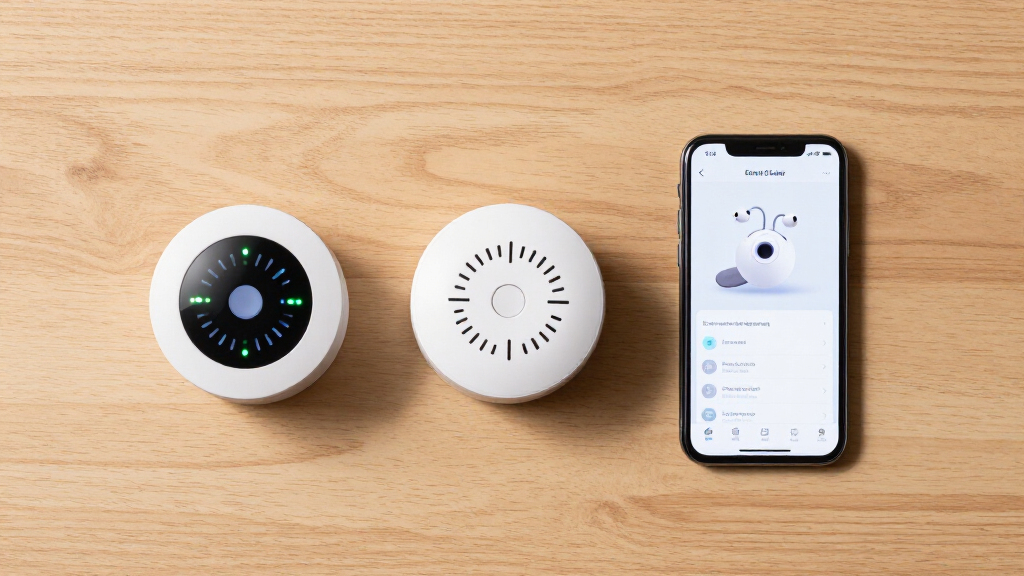
Imagine a home where a loud alarm blares, but what if no one hears it? Or a family member who can’t hear the siren at all? That’s where smart sirens with visual signals step in. They don’t just make noise—they light up the room with flashing LEDs, grabbing attention quickly.
If you’re serious about home security or need accessible alerts, understanding the best options for smart sirens with visual signals can transform your setup. You’ll learn what features matter most, compare top models, and discover practical tips to choose the perfect device for your space.
A loud, visible alarm—110 dB with a bright, flashing strobe—is ideal for deterring intruders and alerting neighbors.
Choose a visual signal with high candela rating and customizable flash patterns to ensure it’s noticed immediately.
Power backup options like batteries or solar panels are critical for continuous operation during outages.
Compatibility with your existing smart home ecosystem simplifies automation and improves response times.
Outdoor sirens need weatherproofing and high-intensity lights, while indoor models focus on seamless integration and discreet alerts.
How Loud Should Your Smart Siren Be for Maximum Effectiveness?
Smart sirens pack a punch, with sound levels ranging from 100 dB to 120 dB. For comparison, a chainsaw roars at about 110 dB, and a lawnmower hits 95 dB. If you want to scare off intruders or alert neighbors, aim for models around 110 dB or higher.
Choosing the right loudness isn’t just about volume—it’s about balancing effectiveness with safety. Excessively loud sirens can cause hearing discomfort or damage if used indoors or in close quarters. Conversely, too soft and the alert might go unnoticed, especially in noisy environments. The NFPA recommends at least 75 candela for visual alerts, but combining high decibel levels with bright, flashing lights ensures a multi-sensory alert that’s effective for everyone, including those with hearing impairments. The tradeoff lies in power consumption and potential nuisance—louder, brighter alarms are more noticeable but may also be more disruptive if triggered accidentally or too frequently.
As an affiliate, we earn on qualifying purchases.
What Makes a Visual Signal Effective? Brightness, Color, and Flash Patterns
The visual component isn’t just about flashing lights—it’s about how well they grab attention and convey urgency. High candela ratings mean brighter lights that can be seen from greater distances or through obstructions, which is crucial for outdoor or large-area coverage. The brightness level directly correlates with how quickly someone notices the alert, especially in bright daylight or noisy environments. Adjustable flash patterns add versatility—quick flickers can create a sense of immediacy, while slow pulsations might be less startling but more noticeable for prolonged periods. Color choices also matter: red signals danger or intrusion, making it universally associated with emergencies; blue can indicate water leaks or other specific alerts; yellow often signals caution or low battery status. Multi-color LEDs enable customization, making it easier to identify the nature of the alert at a glance. The implication is that a well-designed visual signal not only captures attention but also communicates the severity or type of alert, reducing confusion and response time. The tradeoff includes potential complexity and cost—more advanced visual signals might require more power, be more expensive, or need more maintenance.
Comparing Top Smart Sirens with Visual Signals: Which One Fits Your Setup?
| Feature | Smart Siren Alarm (110 dB, Battery) | Aeotec Siren 6 (110 dB, Z-Wave) | WiFi Smart Siren Alarm (100 dB) | Nippon America Outdoor Siren | eufy Indoor Siren E20 |
|---|---|---|---|---|---|
| Power Source | Battery | Battery | AC + USB | Corded Electric | Battery |
| Sound Level | 110 dB | 110 dB | 100 dB | Unknown | Unknown |
| Compatibility | Alexa, Google, IFTTT | Z-Wave Hub | Wi-Fi, App | Weatherproof, Outdoor | Indoor Use, App |
| Visual Signal | LED strobe, 110 candela | LED, customizable | LED flashing | Bright LED, flashing | LED indicator |
Power Options and Backup: How to Keep Your Siren Always Ready
Power source choices influence reliability. Battery-powered models, like the Aeotec Siren 6, are easy to install anywhere and keep working during power outages—crucial for security. Corded options, like the Nippon outdoor model, are dependable but depend on AC power.
Look for battery backup in your device. It ensures the siren activates during outages. For outdoor or remote spots, solar-powered models with battery backup, such as some Ring sirens, add extra peace of mind. The tradeoff involves considerations of maintenance—batteries need replacing or recharging, and solar panels require exposure to sunlight. The key is to balance convenience with reliability: a device with a robust backup system ensures continuous operation, which is essential for security scenarios where every second counts, especially during power outages or in remote locations where wired power isn’t feasible.
How to Integrate Your Visual Siren with Your Smart Home Ecosystem
- Check compatibility: Does your hub or voice assistant support the device? Many Wi-Fi models work directly with Alexa or Google, while Z-Wave/Zigbee need a compatible hub like SmartThings or Hubitat. Compatibility impacts how seamlessly your device communicates and automates within your system.
- Set automations: Program your system to trigger the siren from sensors, alarms, or manual commands. For example, connect a door sensor to activate the siren with flashing lights when triggered. Proper automation enhances response times and ensures alerts are timely and contextually appropriate, reducing false alarms or missed incidents.
- Test thoroughly: Make sure the siren’s sound and visual signals activate instantly, and adjust settings for volume, strobe pattern, or color. Regular testing confirms the system’s reliability and helps you fine-tune for maximum effectiveness, especially in critical security situations. This process also reveals any compatibility issues or delays, allowing you to troubleshoot proactively.
For instance, integrating a Ring outdoor siren with your Ring Alarm creates a seamless security setup that alerts neighbors visually and audibly—perfect for alerting everyone in the neighborhood. Proper integration ensures that alerts are not only loud but also visually unmistakable, minimizing response time and confusion.
Outdoor vs. Indoor: Which Visual Siren Is Right for You?
Outdoor sirens like the Nippon model are built tough—weatherproof with IP ratings and often solar panels. They emit bright flashes that can be seen from a distance, making them ideal for large yards or perimeter security. Their durability ensures they withstand rain, wind, and dust, which is crucial for outdoor security devices. However, their brightness and visibility can sometimes be overkill for smaller properties or indoor use, where discreet notifications are preferred.
Indoor models, like the eufy E20, focus on compact design and integration with indoor automation. They typically have lower power and brightness but are perfect for bedrooms, hallways, or inside a garage. Their subtlety can be an advantage in avoiding nuisance or alert fatigue, but they still need sufficient brightness and visual clarity to wake or alert household members effectively. The tradeoff here involves balancing visibility with aesthetics and environmental exposure—outdoor models prioritize ruggedness and high visibility, while indoor models emphasize discretion and integration.
Frequently Asked Questions
Can a smart siren work without a hub?
Some Wi-Fi-based models connect directly to your network and work without a hub, but Z-Wave or Zigbee models require a compatible hub like SmartThings or Hubitat. Check each device’s specs to be sure.Will my siren work if the power or internet goes out?
Battery backup keeps the siren operational during power outages. For internet dependency, local hubs like Hubitat run automations offline, but cloud-connected systems may need an internet connection to trigger alerts.How loud should a siren be for effective deterrence?
Aim for models around 110 dB or higher if you want to scare off intruders and alert neighbors. Indoor use can be effective at slightly lower levels—around 85-100 dB—to avoid causing hearing damage or nuisance.Are visual sirens useful for deaf or hard-of-hearing family members?
Absolutely. Bright flashing lights and integrations with smart bulbs or bed shakers provide critical alerts, ensuring everyone stays informed regardless of hearing ability. Properly designed visual signals can be lifesaving in emergency situations, providing a clear, immediate cue that something is wrong.Can one siren distinguish between fire, intrusion, and leaks?
Many multi-tone, multi-color models can differentiate alerts by sound and color, making it easier to identify the threat at a glance—just verify each device’s capabilities before purchase. This differentiation helps responders prioritize actions and reduces confusion during emergencies.Conclusion
Adding a smart siren with visual signals turns your security setup into a proactive system that warns everyone—inside and out. Bright lights combined with loud alarms make sure no one misses the alert, even in noisy environments or for those with hearing impairments.
Think about where you need the most visibility—inside your home, outside your yard, or both—and choose a model that blends power, clarity, and smart compatibility. A well-chosen siren doesn’t just scare away trouble; it gives you peace of mind, day or night.
Halloween Picks
halloween
As an affiliate, we earn on qualifying purchases.