
TL;DR

Get everyday helpers delivered free with Prime
- Fast, free delivery on millions of items
- Prime Video, Amazon Music and more included
- Member-only deals all year
The best smart sirens with visual signals combine 95–120 dB sound levels with bright, customizable strobes. They connect to hubs like Z-Wave or Wi-Fi, offering reliable alerts during power outages and for accessibility needs. Compatibility, loudness, and weatherproofing are key factors to consider.
Imagine a loud, piercing alarm blaring through your home—then add a flashing, eye-catching strobe. That’s what makes the best smart sirens with visual signals truly stand out. They don’t just sound the alarm; they shout it visually, catching everyone’s attention. Whether you’re concerned about security, accessibility, or both, these devices can make a real difference.
In this guide, you’ll learn what features matter most, how to spot the top models, and what questions to ask before buying. You’ll see how these sirens fit into your existing smart-home setup and why a loud, bright alert can be a game-changer in emergencies.
Choose a smart siren with at least 105 dB to ensure coverage across large spaces.
Bright, flashing strobes with adjustable colors significantly boost visibility and accessibility.
Compatibility with your hub system (Z-Wave, Zigbee, Wi-Fi) is critical for seamless integration.
Mains power with battery backup offers the most reliable alerts during outages.
Proper placement and regular testing prevent false alarms and maximize alert effectiveness.
What Makes a Smart Siren with Visual Signals Stand Out?
The key to a top-tier smart siren isn’t just loud sound. It’s the combo of a powerful alarm—usually between 95 and 120 decibels—and a bright, flashing strobe or LED light. These visual signals are especially crucial for people who are deaf or hard of hearing, or in noisy environments like garages or outdoor spaces.
For example, the YoLink Outdoor Security Siren delivers a staggering 110 dB sound combined with a flashing strobe, making sure everyone notices the alert. It connects via LoRa wireless to a hub, extending its reach up to 1/4 mile. The visual component isn’t just an add-on; it’s an essential part of effective alerts.
Why does this matter? Sound alone can be missed—especially in noisy environments or if someone is asleep or distracted. Visual signals provide an immediate, unmistakable cue that an alert is active, which can be the difference between a delayed response and a prompt action. The tradeoff is that brighter lights may be more conspicuous or distracting, so choosing adjustable or subtle options can balance visibility with comfort. Compatibility with your smart ecosystem ensures these alerts trigger automatically and reliably, reducing the chance of human error during emergencies.
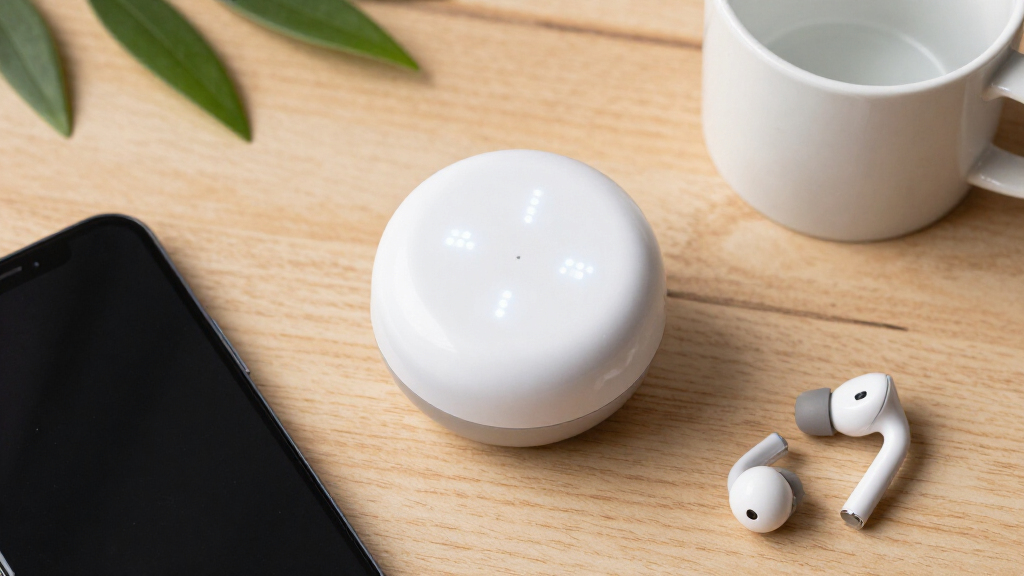
smart outdoor security siren with visual strobe
As an affiliate, we earn on qualifying purchases.
As an affiliate, we earn on qualifying purchases.
Top Features to Look For in a Smart Siren with Visual Alerts
- Sound Level: Aim for at least 105 dB—anything lower risks not being heard across a large home. However, consider that extremely loud alarms might cause false alarms or disturb neighbors, so adjustable volume controls are beneficial. The ability to fine-tune volume helps you balance alarm effectiveness with comfort and noise regulations.
- Visual Signal Quality: Look for bright, flashing strobes with adjustable color and pattern options. Brightness and pattern customization allow you to tailor alerts for different scenarios—e.g., red for intrusion, blue for tamper alerts—enhancing clarity and reducing confusion during emergencies.
- Compatibility: Check if it syncs with your hub—Z-Wave, Zigbee, Wi-Fi, or Matter—so it fits your ecosystem. Compatibility ensures seamless automation, like triggering the siren when a door opens or motion is detected, reducing the reliance on manual intervention and increasing reliability.
- Power Source & Backup: Mains power with battery backup beats battery-only units, especially during outages. This ensures continuous operation, which is critical during emergencies when power failure is common. Consider the tradeoff of installing wired units versus wireless ones, and whether backup batteries need periodic replacement.
- Weatherproofing: For outdoor use, pick models with IP ratings to resist rain, dust, and temperature swings. Proper weatherproofing prevents false alarms caused by environmental factors and extends the lifespan of outdoor devices, ensuring consistent performance.
- Tamper Detection: Alerts if someone tries to unplug or move the siren. This feature deters sabotage and provides an additional layer of security, but it may also increase false positives if not configured properly.
- Customizable Alerts: Ability to set different light colors or patterns for various alerts—intrusion vs. water leak, for instance—improves clarity and response time. Customization allows you to prioritize alerts based on severity and context, enhancing your overall security strategy.
By understanding these features deeply, you can weigh their benefits against potential drawbacks, such as increased complexity or cost, and make informed decisions that optimize your security and accessibility needs.
How to Pick the Best Smart Siren with Visual Signals for Your Home
- Determine your coverage area: Do you need indoor, outdoor, or both? Consider weather resistance and mounting options. For outdoor spaces, prioritize weatherproofing and secure mounting; indoors, focus on aesthetics and unobtrusive placement.
- Set your loudness threshold: For large homes, aim for models with at least 110 dB and clear, piercing sound. Remember, louder isn’t always better if it causes false alarms or neighbor complaints; adjustable volume helps you find the right balance.
- Check compatibility: Match the device with your hub or ecosystem—Z-Wave, Zigbee, Wi-Fi, or native app. Compatibility ensures automation and reduces integration headaches, saving time and money.
- Assess power needs: Mains power with battery backup offers reliable alerts during power outages. Consider the tradeoff between wired installations’ permanence and wireless units’ flexibility.
- Prioritize visual features: Bright, flashing LEDs or strobes with adjustable colors enhance visibility and accessibility. Think about placement—high-mounted units improve visibility and reduce tampering risk.
- Review security features: Tamper alerts, firmware security, and encryption protect your system from sabotage. These features add peace of mind but may increase complexity or cost.
Use a decision framework: start by defining your environment (indoor/outdoor), then match features to your needs and budget. For example, if accessibility is a priority, focus on models with customizable, bright strobes and reliable power backup. If you’re installing outdoors, weatherproofing and tamper detection become critical. Testing your setup regularly and adjusting placement based on real-world observations ensures optimal performance and reduces false alarms.
Frequently Asked Questions
Will a smart siren with visual signals work during a power outage?
Most models with battery backup will continue to alert during power outages. Check if the device explicitly states it has a backup power source to ensure reliability during blackouts.
Can I customize the light patterns and colors on these sirens?
Yes, many smart sirens allow you to set different colors or flashing patterns for various alerts, making them more effective and personalized.
Are outdoor smart sirens weatherproof enough for all climates?
Look for units with an IP rating (e.g., IP65 or higher). These are designed to withstand rain, dust, and temperature changes, making them suitable for outdoor installation.
Can these sirens be integrated with existing security systems?
Most top models support popular protocols like Z-Wave, Zigbee, or Wi-Fi, allowing integration with hubs like SmartThings, Hubitat, or automation platforms like Home Assistant.
Conclusion
Adding a smart siren with visual signals transforms your security from a simple alarm into an inclusive, attention-commanding alert system. Bright flashes paired with loud sound cut through chaos, ensuring everyone notices. In a world where safety and accessibility go hand in hand, these devices are a smart investment.
Don’t settle for just sound—think visual. Your home, your family, and your peace of mind will thank you.
Fall Picks
fall essentials
As an affiliate, we earn on qualifying purchases.