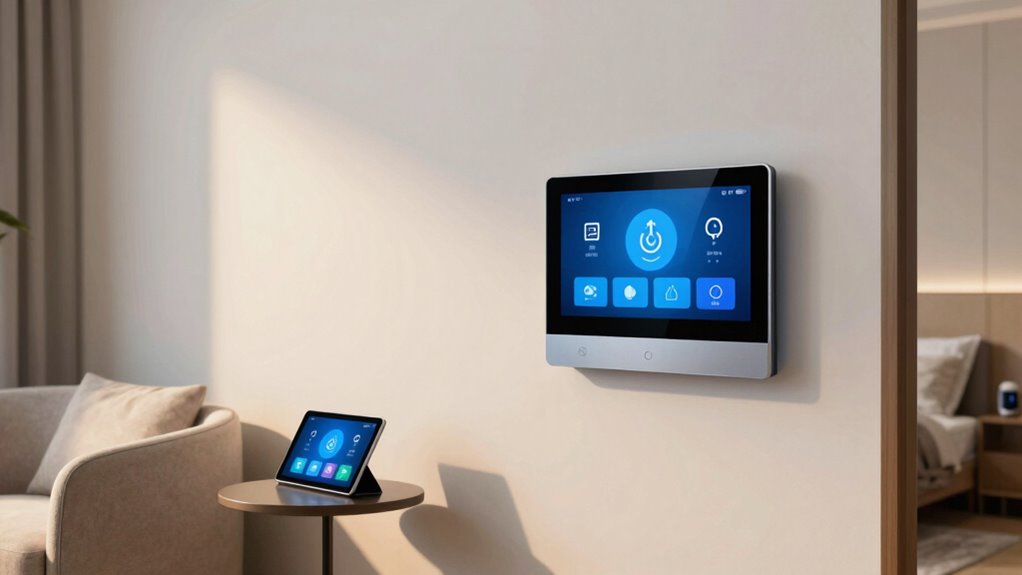
Smart home hubs designed for accessibility combine voice control, large buttons, and simple interfaces, making daily automation easier for everyone. They support multiple input methods and customizable routines, helping you control lights, thermostats, and devices effortlessly. Compatibility with popular brands and voice assistants guarantees seamless operation, while automations can boost safety and convenience. If you want practical tips and real-life examples to create a truly accessible smart home, there’s plenty more to explore.

Get everyday helpers delivered free with Prime
- Fast, free delivery on millions of items
- Prime Video, Amazon Music and more included
- Member-only deals all year
Key Takeaways
- Prioritize hubs supporting multiple input methods like voice commands, large buttons, and tactile controls for inclusive usability.
- Choose devices compatible with popular voice assistants (Alexa, Google Assistant, Siri) for seamless hands-free automation.
- Opt for customizable automations such as lighting, thermostats, and security to match daily routines and accessibility needs.
- Ensure the hub and connected devices adhere to universal design principles and include security features for safe operation.
- Set up and maintain your system with simple instructions, secure passwords, and regular firmware updates for reliable, accessible performance.
accessible smart home hub with voice control
As an affiliate, we earn on qualifying purchases.
As an affiliate, we earn on qualifying purchases.
What Are Smart Home Hubs and How Do They Improve Accessibility?
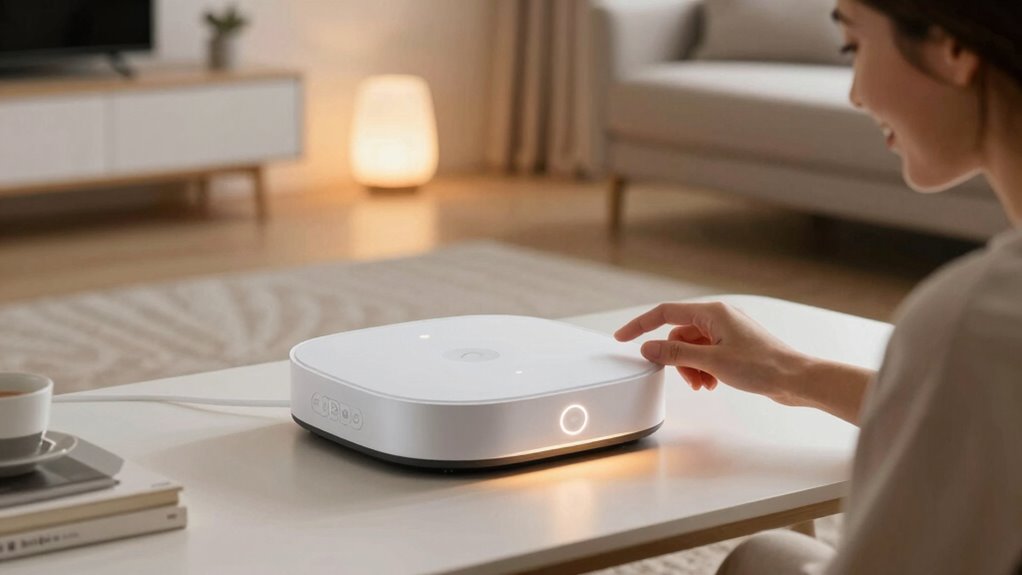
Have you ever wondered how smart home hubs can make everyday life more accessible? These devices centralize control of your smart devices, simplifying management. With voice control, you can operate lights, thermostats, and appliances just by speaking, reducing the need for physical interaction. App interfaces also play a crucial role, offering easy-to-navigate screens tailored for accessibility, such as large buttons or voice commands. Smart hubs connect multiple devices, allowing you to customize routines and commands that suit your needs. This integration minimizes frustration and enhances independence. By combining voice control with intuitive app interfaces, smart home hubs create a seamless experience, making your environment more comfortable and accessible. They’re designed to adapt to your lifestyle, empowering you to control your home effortlessly. Adaptive interfaces further enhance usability by providing personalized controls that respond to individual needs, and incorporating universal design principles can make these systems even more inclusive. Additionally, integrating smart technology can help tailor functionalities to better suit various accessibility requirements. A focus on user-centered design ensures these systems truly meet the diverse needs of users.
What Features Should I Look for in an Accessibility-Focused Smart Home Hub?
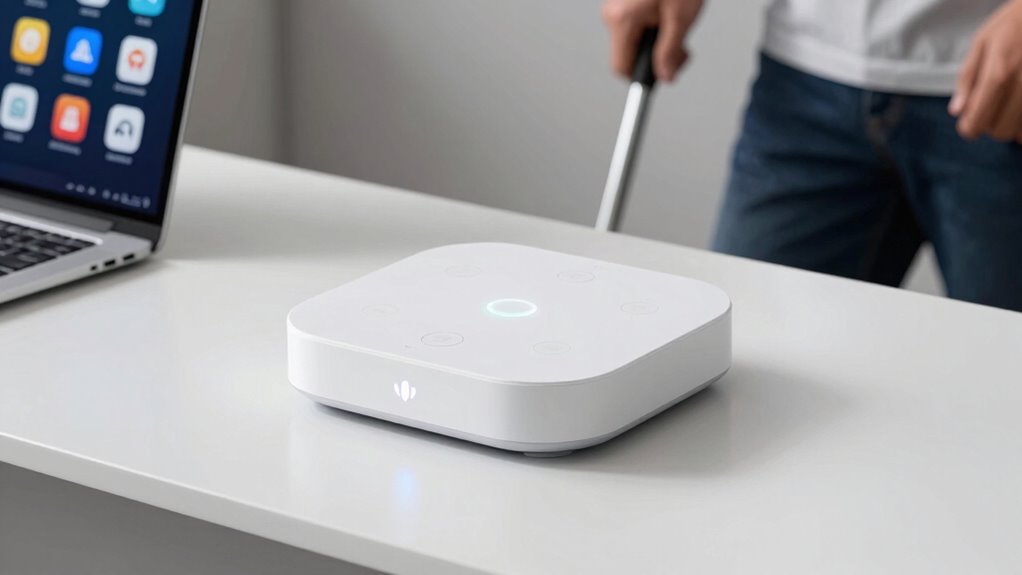
Choosing the right smart home hub for accessibility means focusing on features that make everyday control easier and more intuitive. Look for a device built with universal design principles, guaranteeing it accommodates diverse needs and abilities. An accessible hub should support multiple input methods, such as voice commands, large buttons, and tactile controls, to suit different users. It’s also essential to take into account user feedback from others with similar needs; reviews can reveal how well the device performs in real-world scenarios. Features like customizable shortcuts and simple interfaces enhance usability. Prioritizing these aspects ensures your smart home hub truly supports your independence and comfort, providing a seamless experience tailored to your unique accessibility requirements. Additionally, understanding regulations and standards related to accessible technology can help you select devices that meet legal and safety requirements. Being aware of inclusive design principles can guide you toward more universally usable options that benefit a wider range of users. Furthermore, considering market reviews and testimonials can offer practical insights into how well these features function in daily life. To make an informed choice, researching assistive technologies integrated with smart hubs can further enhance your overall experience.
How Do I Set Up My Smart Home Hub for Easy Use?
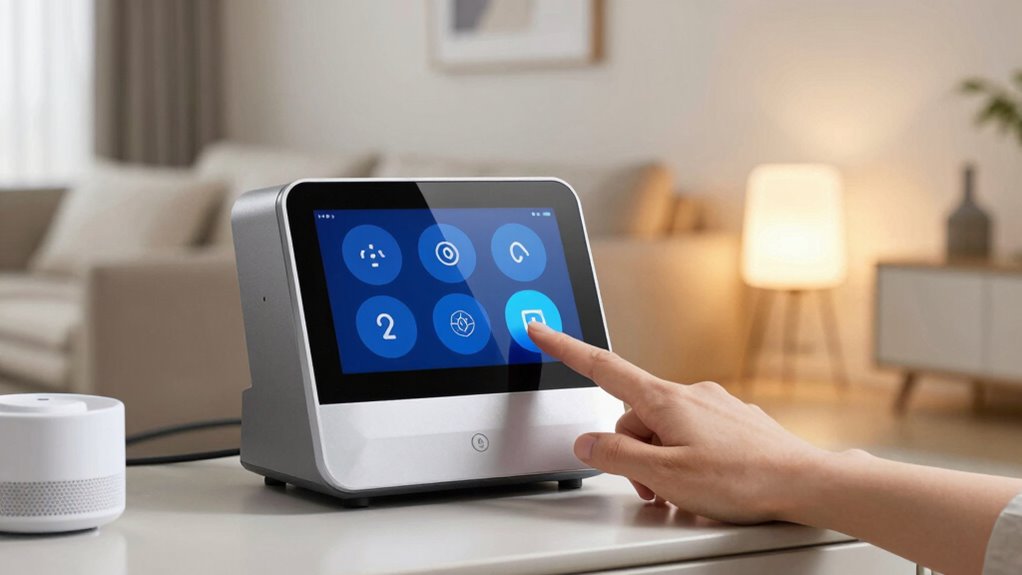
Setting up your smart home hub for easy use starts with reading the manufacturer’s instructions carefully and gathering all necessary components beforehand. DIY installation can save you money and give you control, but it’s important to follow steps precisely to avoid issues. Begin by connecting your hub to a reliable power source and your Wi-Fi network, ensuring a strong signal for stability. When configuring the device, pay attention to security considerations—change default passwords, enable two-factor authentication if available, and keep firmware updated to protect your system. Use voice commands or companion apps to streamline setup. Keep the environment accessible by placing the hub in a central, easy-to-reach location. This approach simplifies daily use and enhances your overall smart home experience. Additionally, understanding the connectivity requirements of your devices can help prevent setup frustrations and improve overall performance. Ensuring your Wi-Fi network is robust and reliable can significantly enhance the stability of your smart home system. You can also consult device compatibility guides to ensure seamless integration of all your smart gadgets. Remember that proper placement and understanding of network security best practices are essential for maintaining a safe and functional smart home.
How Can Automations Simplify Daily Life for Everyone?
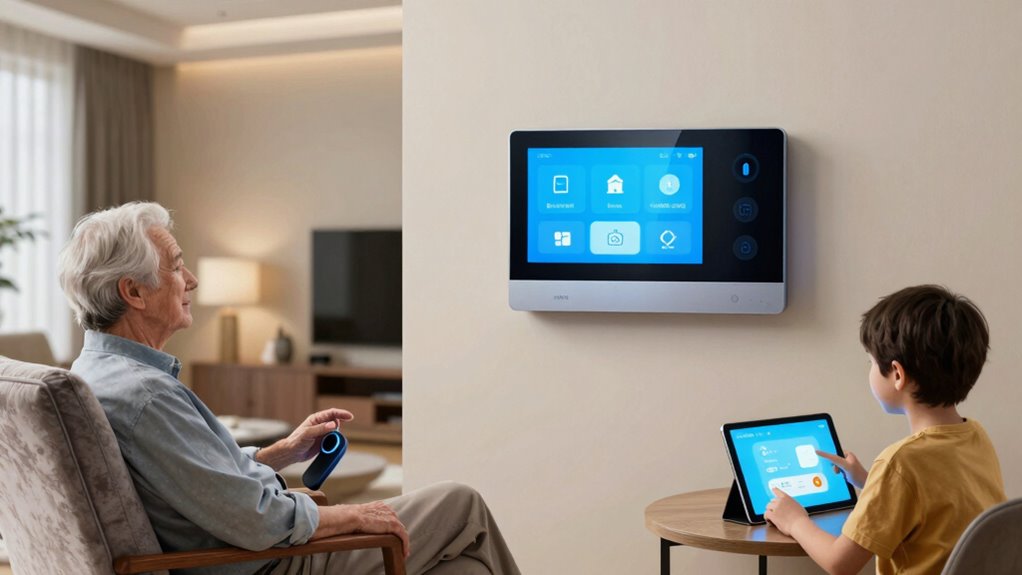
Automations can transform daily routines by making tasks more efficient and less stressful. With smart home hubs, you can set routines that enhance home security and optimize energy management effortlessly. For example, you can automate lights to turn off when you leave or lock doors at night, improving safety. Similarly, adjusting thermostats based on occupancy saves energy without sacrificing comfort. Understanding indoor air quality is also important, as automations can help maintain a healthier environment by managing airflow and ventilation based on your home’s needs. Proper air quality management can reduce allergens and pollutants, supporting overall well-being. Additionally, integrating energy-efficient European cloud servers can ensure your smart home system operates securely and sustainably. These servers help protect your data and can improve the speed and reliability of your automations, making them more seamless and dependable. Here’s a quick overview:
| Automation Type | Effect on Daily Life | Key Benefit |
|---|---|---|
| Security Alerts | Immediate notifications | Enhanced safety |
| Lighting Control | Customized schedules | Convenience and efficiency |
| Climate Adjustment | Adaptive temperature | Energy savings |
| Device Monitoring | Real-time updates | Peace of mind |
These automations simplify your routine, giving you more time and confidence in managing your home. Implementing these features can also contribute to a healthier and more comfortable living environment.
Which Devices Work Best for Accessibility and Compatibility?
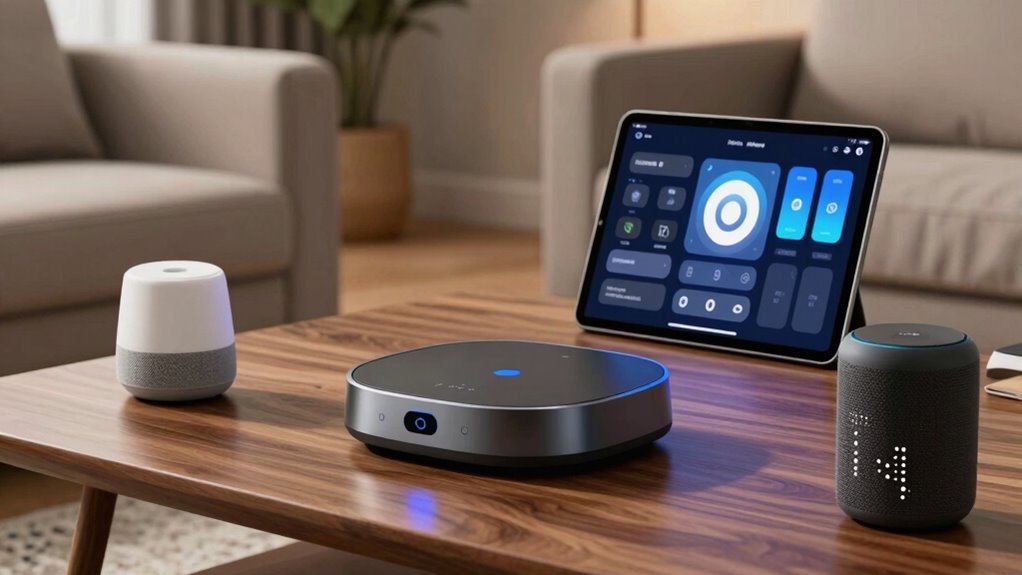
When choosing devices for your smart home, look for brands known for strong accessibility features and broad compatibility. Make sure your voice assistant easily integrates with your preferred devices, providing seamless control. Ultimately, verify that accessibility options are supported across all your devices to create a truly inclusive smart home experience. To ensure your setup remains accessible and user-friendly, consider testing devices beforehand or consulting trusted local resources to find verified businesses and services that specialize in accessible smart home solutions. Additionally, reviewing privacy policies can help you understand how your data is managed and ensure your privacy is protected while using these devices. Incorporating reliable networking hardware can further improve device connectivity and overall performance. Remember, selecting devices that support standardized accessibility features can significantly enhance your overall experience.
Compatible Devices and Brands
Choosing the right devices and brands is essential for ensuring your smart home is accessible and works seamlessly. Look for brands known for strong device security to protect your privacy and data. Compatibility is key—select devices that easily integrate with your hub and support accessibility features like large buttons or simplified controls. Popular brands like Philips Hue, Ring, and Ecobee offer reliable options for lighting, security, and energy management. These brands often prioritize accessibility and compatibility, making setup easier and reducing frustration. Ensuring your devices support energy management features can also help you save on utility costs while maintaining control. Focus on devices that are well-reviewed for accessibility and security, so your smart home remains both user-friendly and safe. Additionally, choosing compatible devices that support various accessibility options will help create a more inclusive smart home environment.
Voice Assistant Integration
Integrating voice assistants into your smart home enhances accessibility by allowing you to control devices hands-free and with simple voice commands. Devices like Amazon Alexa, Google Assistant, and Apple Siri are popular choices, each offering strong compatibility with various smart home products. When choosing a device, consider how well it responds to your voice command needs and whether it integrates smoothly with your existing setup. However, be mindful of privacy concerns, as voice assistants constantly listen for commands and may store recordings. You can usually manage privacy settings, but it’s essential to review these options carefully. Overall, selecting a voice assistant that aligns with your accessibility needs and comfort level ensures a seamless, user-friendly experience in your smart home.
Accessibility Features Compatibility
Ever wonder which smart home devices offer the best accessibility features and compatibility? The key is choosing devices that prioritize device security and energy efficiency. Devices like smart lights, thermostats, and locks often support accessibility functions such as voice commands, large buttons, or tactile controls. Compatibility varies across brands, so look for hubs that work seamlessly with multiple platforms like Alexa, Google Assistant, or Apple HomeKit. This ensures you can integrate devices without security compromises or sacrificing energy efficiency. Devices designed with accessibility in mind often include customizable options, making daily routines smoother. When selecting devices, check for security features like encryption to protect your data and ensure compatibility with your hub to maximize usability and energy savings. Wiring basics can also influence installation ease and overall system reliability, especially when considering device compatibility and setup complexity. Additionally, understanding smart home protocols can help you choose the most reliable and accessible setup for your needs.
How Can I Personalize Automations to Fit My Needs?

You can easily tailor automations to match your daily routines by customizing triggers that activate when you need them most. Adjusting settings on your smart home hub lets you personalize the experience without hassle. This way, your automation system works seamlessly to fit your unique accessibility needs.
Customizing Automation Triggers
Personalizing automation triggers allows your smart home to respond precisely to your routines and preferences. You can set triggers based on time, location, or device activity. For example, use gesture controls to activate lights or adjust the thermostat with a simple wave. Remote customization lets you modify triggers easily via your smartphone, tailoring automations to your daily habits. Here’s a quick guide:
| Trigger Type | Example | Customization Tip |
|---|---|---|
| Gesture Controls | Waving hand to turn on lights | Program specific gestures |
| Time-Based | Morning routines at 7 AM | Set recurring schedules |
| Location-Based | Entering your home triggers automation | Use geofencing features |
This setup guarantees your automation fits how you live, making daily routines smoother.
Adjusting Settings Easily
Adjusting your automation settings is straightforward, making it easy to tailor your smart home to your changing needs. Many hubs offer gesture control, allowing you to adjust settings with simple hand movements, which is especially helpful if you have mobility challenges. Visual indicators, like blinking lights or screen prompts, give clear feedback when you change your preferences. With intuitive controls, you can personalize automations without digging through complex menus. Whether you want to modify lighting schedules, set new routines, or change device preferences, these features make customization accessible and hassle-free. By leveraging gesture control and visual indicators, you stay in control of your environment, ensuring your smart home adapts seamlessly to your lifestyle.
What Are Common Problems With Smart Home Hubs and How Do I Fix Them?
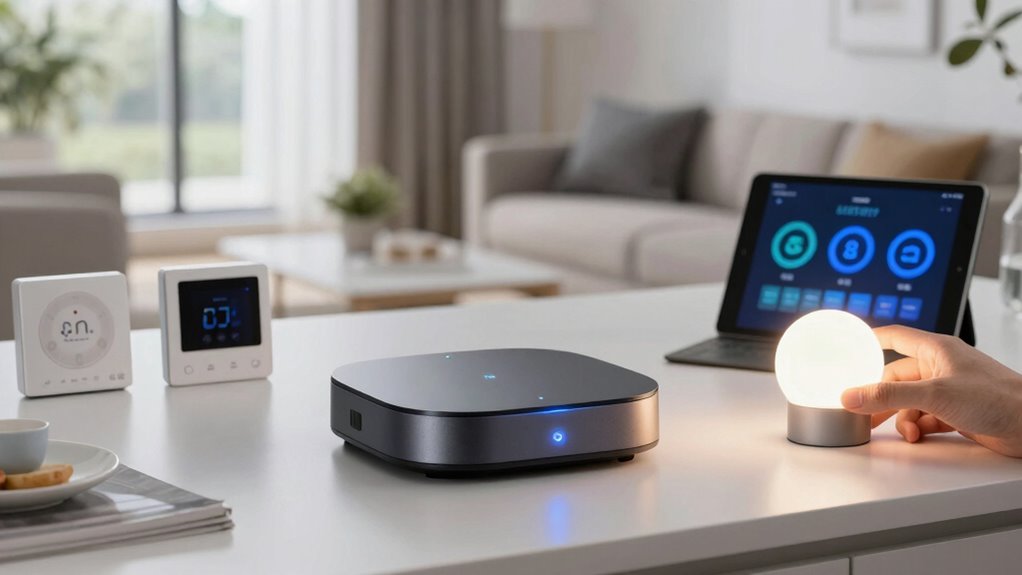
Smart home hubs can sometimes face connectivity issues, causing devices to disconnect or respond slowly. To fix this, start with troubleshooting connectivity by moving your hub closer to devices or removing obstacles. Make sure your Wi-Fi network is stable and not overloaded. Updating firmware regularly is essential; check for updates in the app or device settings to improve performance and security.
You can also try these steps:
- Restart your hub and router to refresh connections
- Reset the problematic device and re-pair it
- Ensure your firmware is up-to-date for both the hub and devices
Real-Life Examples of Smart Home Hubs Making Homes More Accessible
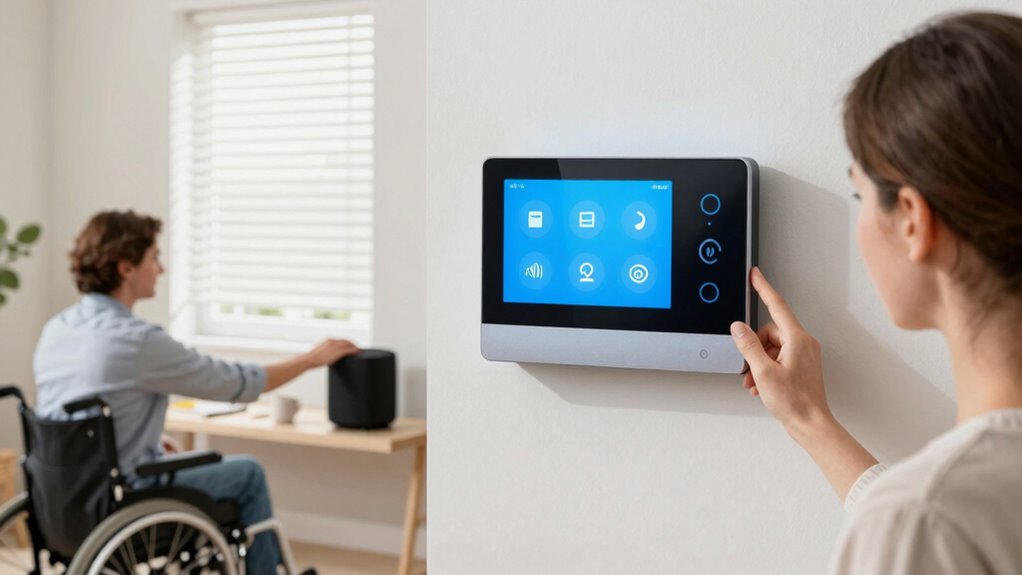
Have you ever wondered how smart home hubs can transform daily life for people with accessibility needs? One real-life example involves using voice control to turn on lights, eliminating the need to reach switches. With lighting automation, you can set your lights to adjust based on time or activity, making navigation safer and easier. For instance, someone with mobility challenges can simply say, “Turn on the living room lights,” and the hub responds instantly. Another example is integrating voice commands to control door locks or appliances, reducing physical effort. These features not only enhance independence but also provide peace of mind, knowing that your environment adapts seamlessly to your needs. Smart home hubs make accessibility practical and intuitive, turning technology into an everyday ally.
Frequently Asked Questions
How Secure Are Smart Home Hubs Against Hacking or Unauthorized Access?
Smart home hubs are fairly secure if you use strong encryption protocols and access controls. You should regularly update the firmware to patch vulnerabilities and set unique, complex passwords. Enable two-factor authentication when possible, and limit device permissions. By taking these steps, you reduce the risk of hacking or unauthorized access, keeping your smart home environment safer and more protected from threats.
Can Smart Home Hubs Work With Existing Voice Assistants Like Alexa or Google?
Yes, smart home hubs can work with existing voice assistants like Alexa or Google, but you may face some integration challenges. Compatibility depends on the hub’s voice assistant compatibility features. You’ll want to check if your hub supports voice assistant integration, and sometimes, you might need specific apps or updates. With proper setup, you can enjoy seamless voice control, making your smart home more accessible and easier to manage.
What Is the Typical Cost Range for Accessibility-Focused Smart Home Hubs?
You’ll find accessibility-focused smart home hubs typically cost between $50 and $300, depending on features and compatibility. Pricing options vary, so compare features like voice control, automation capabilities, and compatibility with devices. A feature comparison helps you decide if the hub offers the accessibility tools you need without overspending. Look for hubs that integrate with your existing voice assistants to maximize functionality and get the most value for your budget.
Are Smart Home Hubs Suitable for All Types of Disabilities?
Imagine a toolbox tailored just for you—smart home hubs can be, but they’re not one-size-fits-all. While they support many disabilities through universal design and customization options, they may not suit every individual perfectly. Your specific needs matter, so choose a hub that offers flexible features and adaptive controls. With the right setup, you’ll find automation that truly enhances your daily life, regardless of your disability.
How Often Should I Update or Maintain My Smart Home Hub?
You should update and maintain your smart home hub regularly, ideally once a month, to guarantee peak performance. Check for firmware updates, which fix bugs and add features, and perform device calibration if needed to keep everything running smoothly. Regular updates improve security and compatibility, so make it part of your routine. Keeping your hub maintained guarantees the accessibility features work reliably and your smart home stays secure.
Conclusion
Remember, a smart home hub is only as good as the hands that guide it. By choosing the right features, setting up with ease, and personalizing automations, you can make your home truly accessible. With patience and the right tools, you’ll find that “the devil is in the details,” and small adjustments can make a big difference. Embrace technology, and you’ll turn your home into a space that works for you every day.
Halloween Picks
halloween
As an affiliate, we earn on qualifying purchases.