
TL;DR

Get everyday helpers delivered free with Prime
- Fast, free delivery on millions of items
- Prime Video, Amazon Music and more included
- Member-only deals all year
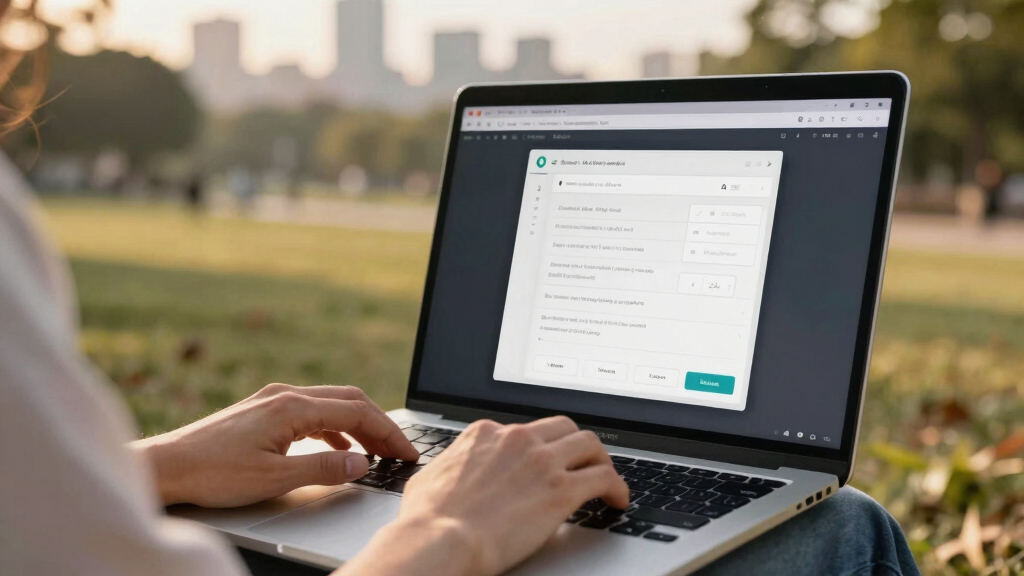
AI form builders now turn simple prompts into complete lead funnels in less than a minute. They generate multi-step forms, logic, copy, and follow-up sequences, saving hours of manual work and accelerating campaigns.
Imagine describing your ideal lead capture flow in plain language, and seconds later, having a fully functioning funnel ready to launch. Sounds like sci-fi? Not anymore. AI form builders are transforming the game, turning a simple prompt into a multi-step, logical, and personalized lead flow—fast enough to beat your coffee break.
Instead of spending hours designing, scripting, and tweaking forms, you get a ready-to-go funnel in under a minute. This shift isn’t just about saving time—it’s about how quickly you can test, refine, and scale your marketing efforts. In this article, you’ll see exactly what these tools do, how they do it, and why they matter for your business.
Key Takeaways
- AI form builders can generate multi-step, logical funnels from simple prompts in under a minute, saving hours of manual work.
- They’re evolving into full funnel creators—adding copy, logic, scoring, and personalized outcomes automatically.
- Speed allows marketers to test ideas faster, adapt campaigns in real time, and stay ahead in competitive markets.
- While powerful, AI tools still need human oversight for fine-tuning, branding, and complex logic.
- Choosing the right platform depends on your needs: rapid testing or deep integrations and customization.
As an affiliate, we earn on qualifying purchases.
What an AI Form Builder Really Does in 2026
An AI form builder uses artificial intelligence to generate complete, functional lead funnels from a simple description. Unlike traditional tools that require you to drag, drop, and manually set questions, these platforms interpret your plain language prompt and produce structured, logical forms with multiple pages, question types, and scoring.
For example, you could type “Create a quiz to pre-qualify real estate leads” and within seconds, get a multi-step quiz with branching logic, scoring, and personalized outcomes. It’s like having a mini marketing team at your fingertips, ready to turn ideas into live funnels at lightning speed.
From Simple Form to Complete Funnel — How It Works
Here’s how a typical prompt-to-funnel process unfolds with top AI tools:
- You describe what you want—like a lead gen quiz for a financial advisor.
- The AI interprets your request, analyzing key details like target audience, goals, and flow logic.
- It generates a multi-step funnel with relevant questions, scoring, branching, and a thank-you page.
- You review, tweak, and publish—often in under 15 minutes total.
Understanding this process reveals why speed is so crucial. The rapid turnaround allows marketers to test multiple ideas in quick succession, providing immediate feedback on what resonates with their audience. This iterative ability reduces the risk associated with long development cycles and enables more agile marketing strategies. The tradeoff, however, is that initial AI-generated funnels may require human refinement to ensure they align perfectly with branding and nuanced user needs. This emphasizes the importance of balancing automation with oversight to maximize effectiveness.
How AI Transforms a Basic Form Into a Conversion Machine
| Traditional Form Builder | AI-Powered Funnel Builder |
|---|---|
| Manual question setup, limited logic | Automatic question generation, branching, scoring |
| Basic contact forms | Multi-step funnels, quizzes, assessments |
| Design and copy done manually | AI generates headlines, copy, and personalized messages |
| Hours of work | Seconds to minutes |
This table shows how AI tools are flipping the script, turning form creation into an instant, intelligent process that can produce entire lead flows instead of just data collection points. The implication is profound: businesses can now deploy complex, high-converting funnels without the traditional resource investment. However, this rapid creation comes with tradeoffs—such as potential oversights in branding consistency or nuanced user experience—that require human review. The key is to leverage AI for speed and initial drafts, then refine manually to ensure quality and alignment with strategic goals.
Real-World Uses: From Lead Capture to Qualification Quizzes
AI form builders aren’t just for contact forms. They excel in creating lead qualification funnels, event registration, product recommendation quizzes, and appointment schedulers. For example, a real estate agent could prompt, “Create a home valuation quiz for potential sellers” and get a multi-step form that asks about property details, timeline, and motivation—all with scoring to prioritize hot leads.
This versatility means that industries can rapidly adapt AI-generated forms to different stages of the customer journey, from initial interest to final qualification. The ability to generate these tools in seconds allows for more frequent testing of different approaches, which can lead to higher conversion rates and better segmentation. The tradeoff, however, is that the AI’s suggestions may sometimes lack the nuanced understanding of industry-specific needs, so human oversight remains essential to tailor these tools effectively and ensure they meet compliance standards.
Why Speed Is the Secret Sauce for Marketers Today
In fast-moving markets, waiting hours or days to build a funnel can cost you leads. AI form builders promise to cut that down to under a minute. This speed means you can launch more campaigns, test different offers, and adapt on the fly. The real implication is that agility becomes a competitive advantage—companies that can quickly generate and optimize funnels can capitalize on emerging trends faster than their rivals.
For instance, an e-commerce brand could describe a targeted quiz for holiday discounts, generate it instantly, and run A/B tests within hours—making data-driven decisions without waiting for a developer or designer.
This rapid deployment capability fundamentally shifts how marketing teams operate, enabling a more experimental approach that can lead to discovering highly effective messaging or offers before competitors even realize the opportunity. The tradeoff is that this fast pace may sometimes lead to less polished initial versions, so continuous monitoring and iteration are vital to maximize results.
AI Copy and Personalized Outcomes That Convert
Many AI form builders now generate not just questions but also copy, headlines, and personalized messages based on user answers. This capability is transformative because it allows for dynamic content that adapts in real-time, making each user feel like they’re receiving a tailored experience. For example, a lead quiz could automatically recommend services or packages based on responses, increasing relevance and engagement. Similarly, personalized thank-you messages or follow-up sequences can be automatically crafted to match user interests or behaviors.
This level of personalization significantly boosts conversion rates because users are more likely to engage with content that feels relevant and customized. Moreover, AI’s ability to suggest outcome pages that align with user responses enables marketers to guide prospects along a more conversion-friendly journey. However, reliance on AI for content generation must be balanced with human oversight to ensure messaging remains on-brand and that the AI’s suggestions truly resonate with the target audience. The tradeoff here is between automation’s efficiency and the nuanced touch of human creativity, which remains essential for high-impact campaigns.
Connecting the Whole Lead-Gen Workflow
Some AI form builders don’t stop at creation. They integrate seamlessly with CRMs like HubSpot or Mailchimp, automatically scoring leads, triggering follow-up emails, or even scheduling appointments. This integration transforms a static form into a dynamic, automated pipeline—reducing manual effort and speeding up the sales cycle. The implication is that businesses can operate more efficiently, with fewer human touchpoints needed to move prospects through the funnel. This automation not only saves time but also improves data accuracy and responsiveness, which are critical for closing deals quickly. The tradeoff is that such integrations can sometimes be complex to set up or require ongoing maintenance, so choosing a platform that aligns with existing systems and workflows is crucial for maximizing ROI.
What These Tools Still Can’t Do (YET)
AI form builders are powerful, but they’re not perfect. The questions they generate may need refinement for clarity and brand voice, especially in highly specialized or regulated industries. Complex logic or highly customized designs still require manual editing because AI may not fully grasp nuanced user journeys or branding nuances. Additionally, certain niche use cases—like legal, medical, or financial forms—demand strict compliance and expert review to avoid legal or safety pitfalls. The implication is that AI is best viewed as an assistant that accelerates initial creation, but human oversight remains essential to ensure accuracy, compliance, and brand consistency. Neglecting this can lead to poorly aligned funnels that damage credibility or cause legal issues, so a balanced approach combining AI efficiency with human expertise offers the best results.
Choosing the Right AI Funnel Tool for Your Business
Pick a platform that matches your needs. For rapid testing and lean marketing, tools like LeadCapture.io excel at fast, automated funnel creation. If you want deep integrations, scoring, and multi-channel workflows, some advanced platforms like Involve.me or Perspective might suit better. The key is to understand your campaign goals, technical capacity, and budget constraints. The right choice enables you to translate your plain-language ideas into fully functional funnels with minimal delay, allowing you to focus more on strategy and less on technical setup. Failing to choose appropriately can lead to bottlenecks, underutilized features, or integrations that don’t fit your existing systems, ultimately hampering your marketing agility.
The decision should also consider future scalability and whether the platform can evolve with your needs, ensuring you don’t outgrow your initial setup too quickly.
The Future of AI Funnel Building — Faster, Smarter, More Personal
Expect AI tools to become even more intuitive, with voice prompts and real-time guidance. As they learn from your inputs, they’ll suggest the best questions, flow structures, and copy to maximize conversions. The line between form and funnel will blur further, making every campaign more personalized and responsive. This evolution means marketers will no longer need to manually craft every detail, as AI will anticipate needs and optimize in real-time, reducing trial-and-error cycles. The broader implication is a future where campaign creation becomes almost entirely automated yet highly customized, allowing businesses to respond instantly to market shifts. The tradeoff is that reliance on AI’s predictive capabilities may sometimes lead to over-automation, risking a loss of human touch unless carefully managed. The next frontier will be balancing AI’s speed and intelligence with strategic oversight to ensure authenticity and relevance.
Imagine a future where describing a campaign in natural language automatically generates a complete, optimized sales funnel—ready to deploy with minimal tweaks. That’s the horizon AI form builders are racing toward.
Frequently Asked Questions
Can AI form builders really create a funnel in under a minute?
Yes. Major platforms like LeadCapture.io and ClickFunnels claim to generate complete funnels in about 60 seconds from a simple description. While real-world customization takes longer, the initial setup is astonishingly fast.
What’s the main advantage of using AI for funnel creation?
The biggest benefit is speed. AI tools drastically reduce the time to go from idea to live campaign, enabling rapid testing and iteration that manual setup can’t match.
Are AI-generated funnels as good as manually built ones?
They’re often close, especially for standard use cases like lead gen or quizzes. But fine-tuning branding, complex logic, or niche compliance still often needs human input for best results.
Which industries benefit most from AI funnel builders?
Any industry focused on lead capture—like real estate, finance, health, or SaaS—can leverage AI to produce targeted, high-conversion funnels quickly and easily.
Will AI replace manual funnel design entirely?
Not yet. AI speeds up and augments the process, but human creativity, brand voice, and strategic thinking remain essential for truly effective campaigns.
Conclusion
AI form builders are no longer just a shortcut—they’re a new way to build funnels at lightning speed. Think of them as your virtual marketing team, ready to turn ideas into live campaigns in seconds.
As these tools become smarter and more personalized, your ability to test, optimize, and grow accelerates. The question isn’t whether AI can build your funnel—it’s how fast you’ll let it do it.
Halloween Picks
halloween
As an affiliate, we earn on qualifying purchases.