
Many people assume that deafblind individuals face insurmountable barriers, but this isn’t true. You might think they’re limited in independence, but with sensory adaptations like heightened touch and specialized tools, they lead active, fulfilling lives. They use tactile sign language, assistive technology, and mobility techniques to navigate the world confidently. Understanding these strengths will change how you see deafblindness—and there’s much more to discover about their resilience and ingenuity.

Get everyday helpers delivered free with Prime
- Fast, free delivery on millions of items
- Prime Video, Amazon Music and more included
- Member-only deals all year
Key Takeaways
- DeafBlind individuals are often assumed to be completely isolated, but many lead highly active, connected lives through adaptive communication.
- It’s a misconception that sensory loss equates to limited intelligence or capability.
- People believe DeafBlind individuals cannot achieve independence, overlooking their use of assistive technologies and training.
- Stereotypes suggest DeafBlindness prevents meaningful social interaction, ignoring innovative tactile and multisensory communication methods.
- Many assume DeafBlind people cannot participate in employment or hobbies, despite their resilience and adaptive skills.

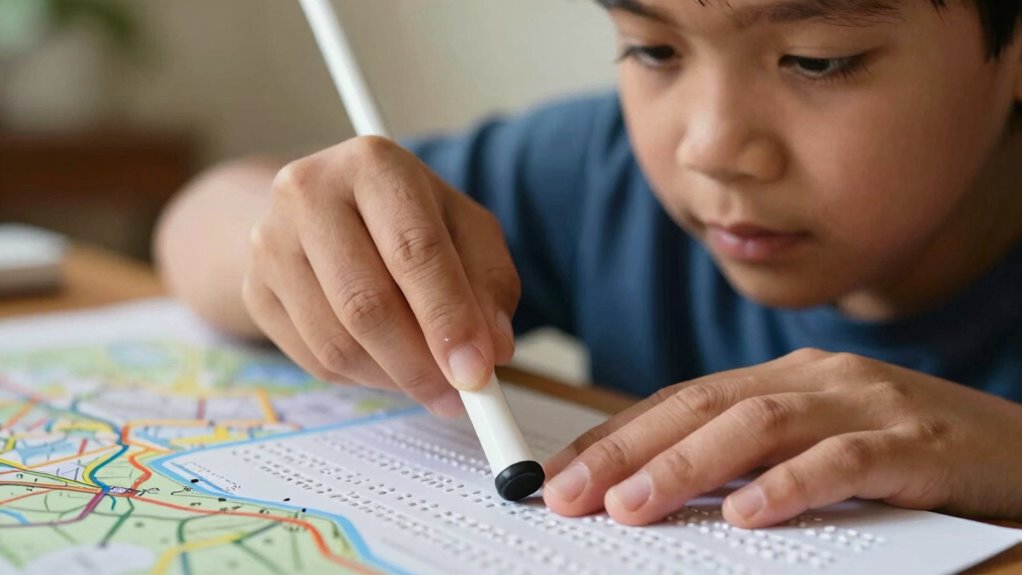
Many people hold misconceptions about what it’s like to live as a DeafBlind individual, often imagining a life filled with constant struggle or isolation. In reality, DeafBlind people develop remarkable sensory adaptations that help them navigate their environments. They might rely heavily on their sense of touch, smell, and even their remaining sight or hearing, if applicable, to gather information about the world around them. For example, some use tactile signs or braille to communicate, while others might feel vibrations or textures to understand their surroundings. These adaptations aren’t just skills; they’re essential tools that enable independence and connection despite sensory limitations.
DeafBlind individuals use remarkable sensory adaptations, like touch and braille, to navigate and connect with their world independently.
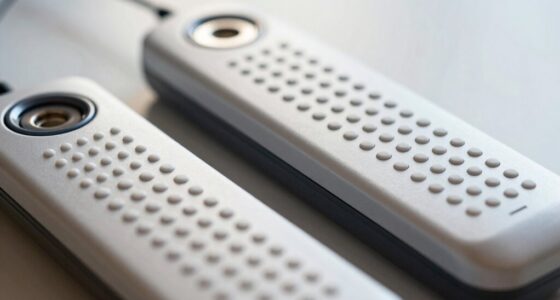
You might assume that communication challenges make everyday interactions impossible, but DeafBlind individuals find innovative ways to connect. Many use tactile sign language, where signs are felt through touch, or employ specialized devices like refreshable braille displays. These tools facilitate real-time conversations, enabling meaningful exchanges with friends, family, and service providers. Furthermore, some develop their own unique methods, combining tactile cues with auditory signals from assistive technology, creating personalized communication networks. It’s important to recognize that these methods are not just coping mechanisms; they’re active, effective ways to build relationships and participate fully in community life.
People often think that being DeafBlind means a lack of independence, but that couldn’t be further from the truth. With the right training and support, DeafBlind individuals often lead highly autonomous lives. They learn to navigate their environments using orientation and mobility techniques, such as using a cane or guide dog, and rely on assistive technologies that make daily tasks manageable. These adaptations are not a sign of limitation but of resilience and ingenuity. Many DeafBlind people are employed, pursue hobbies, and participate in social activities, proving that their lives are full and rich despite misconceptions.
The key to understanding DeafBlind life is recognizing that while sensory challenges exist, they do not define a person’s capacity to live a fulfilling, connected life. Sensory adaptations and communication innovations empower DeafBlind individuals to overcome barriers, challenge stereotypes, and thrive. It’s essential to see beyond misconceptions and appreciate the diverse ways DeafBlind people engage with the world, demonstrating resilience, creativity, and strength in every interaction. Sensory adaptations play a crucial role in enabling independence and meaningful engagement in their communities. Recognizing the importance of sensory integration can help foster greater understanding and support for DeafBlind individuals. Additionally, understanding the importance of multisensory processing highlights how their brains adapt to process information through multiple senses, further enhancing their ability to interact with the world around them.
As an affiliate, we earn on qualifying purchases.
Frequently Asked Questions
Can Deafblind Individuals Drive Cars?
Deafblind individuals typically can’t drive cars independently due to accessibility challenges and safety concerns. However, assistive technology, like tactile alerts and specialized navigation systems, helps improve mobility options. Some may use adapted vehicles with additional support, but overall, driving remains limited for many deafblind people. It is crucial to understand these accessibility challenges and recognize that independence varies based on individual abilities and available technological solutions.
Do All Deafblind People Use the Same Communication Methods?
Not all deafblind people use the same communication methods. You’ll find a wide communication diversity, with some relying on tactile sign language, braille, or assistive technology like haptic devices. Your approach depends on personal preferences, level of residual hearing or vision, and access to resources. This diversity highlights that deafblind individuals choose communication methods that best support their independence and connection with others.
Are Deafblind People Always Completely Isolated Socially?
Think of social connections as bridges, not walls. Deafblind people aren’t always completely isolated; they actively seek social integration and community participation. With adaptive communication tools and support, many engage in meaningful relationships, events, and activities. Far from solitude, they build vibrant lives—challenging stereotypes and proving that connection is possible, regardless of sensory challenges. Your understanding can help break down barriers and foster true inclusion.
Can Deafblind Individuals Enjoy Mainstream Entertainment?
Yes, deafblind individuals can enjoy mainstream entertainment, experiencing sensory inputs through specialized tools like tactile devices or visual aids. These tools enhance sensory experiences and allow for emotional expression, making entertainment accessible. You might use braille, captioning, or tactile graphics to connect with movies, music, or theater, enriching your emotional life. With the right adaptations, mainstream entertainment becomes an inclusive way to share experiences and joy.
Do Deafblind People Experience the World the Same Way?
You might imagine the world as a vivid tapestry, but deafblind individuals experience it differently through sensory perception. They don’t see or hear everything the same way; instead, they rely on touch, vibrations, and other senses. Daily adaptations, like tactile cues or assistive technology, help them navigate. While their experience isn’t identical, they find rich ways to connect and engage with the world around them.
Conclusion
Don’t let misconceptions cast shadows over the vibrant colors of deafblind life. Just as a garden blooms despite the weeds, your understanding can nurture empathy and connection. Remember, deafblind individuals navigate a world of unseen textures and unheard melodies, crafting their own symphonies of resilience. By shedding false assumptions, you open your heart to a universe rich with strength and beauty—proof that even in silence and darkness, life can shine brighter than you ever imagined.
Halloween Picks
halloween
As an affiliate, we earn on qualifying purchases.