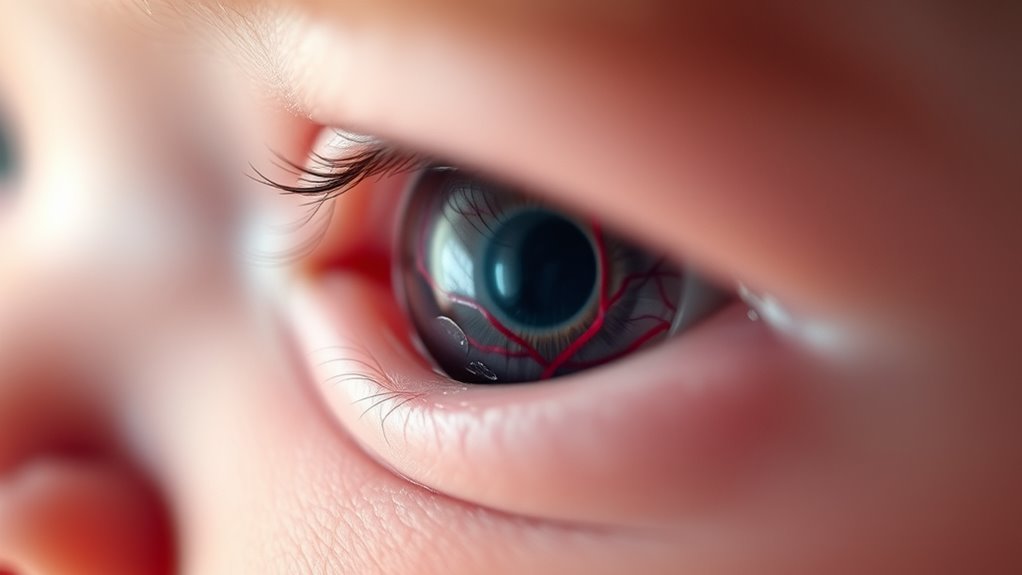

Retinopathy of prematurity primarily affects your preterm baby’s eyes, but it can also influence their hearing development. Early screening is essential to detect potential hearing impairments alongside eye issues. Since preterm infants may experience delays in auditory milestones, regular hearing assessments help catch problems early. Addressing both visual and auditory needs promptly supports your child’s overall growth and development. If you keep exploring, you’ll find useful strategies to support their sensory health.

Get everyday helpers delivered free with Prime
- Fast, free delivery on millions of items
- Prime Video, Amazon Music and more included
- Member-only deals all year
Key Takeaways
- Preterm infants with ROP may have concurrent risks for hearing impairments requiring regular auditory screening.
- Neonatal screening evaluates both eye and hearing health to detect early signs of sensory development issues.
- Hearing assessments are crucial alongside eye exams to identify potential delays in speech and response milestones.
- Visual and auditory developmental delays can be interconnected, necessitating comprehensive, ongoing monitoring.
- Early detection and intervention for hearing issues in infants with ROP can improve overall developmental outcomes.
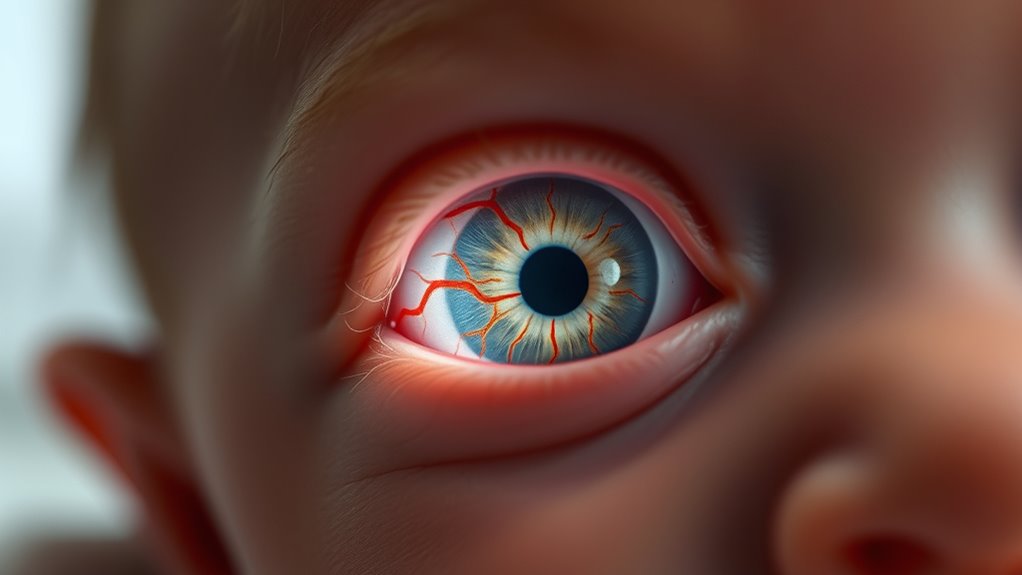
Retinopathy of Prematurity (ROP) primarily affects the eyes of preterm infants, but it can also have implications beyond vision, including potential impacts on hearing. If you have a preterm baby, you might be concerned about how ROP could influence their overall development. Early detection through neonatal screening is essential, not just for eye health but also for identifying other possible developmental issues. Neonatal screening helps healthcare providers assess your baby’s initial health status and can flag early signs of complications that might affect hearing or developmental milestones. Recognizing these issues early allows for timely interventions, which are crucial for supporting your child’s growth and learning.
When your baby undergoes neonatal screening, they’re checked for a range of conditions, including those that might influence hearing development. Preterm infants are at increased risk for hearing impairments because their auditory system may not be fully developed at birth. This is why regular hearing assessments are recommended along with eye examinations for infants diagnosed with or at risk for ROP. Monitoring hearing early on ensures that any impairment can be addressed before it hampers your child’s ability to reach important developmental milestones, such as babbling, responding to sounds, or understanding language. Delays in these milestones can sometimes indicate underlying hearing issues that need prompt attention.
As your baby grows, you’ll want to keep a close eye on their developmental milestones, especially if they were born prematurely or diagnosed with ROP. These milestones—like sitting up, crawling, or speaking—are indicators of their neurological and sensory development. If your child isn’t meeting these benchmarks on time, it could be a sign that their hearing or vision needs further evaluation. Early intervention can substantially improve outcomes, so don’t hesitate to seek professional advice if you notice any delays. The connection between visual and auditory development is strong; challenges in one area can sometimes affect progress in the other. That’s why coordinated screenings and ongoing assessments are essential. Additionally, early intervention programs can provide targeted support to help mitigate potential developmental delays related to hearing or vision issues.
As an affiliate, we earn on qualifying purchases.
Frequently Asked Questions
Can ROP Affect a Child’s Future Educational Needs?
Yes, retinopathy of prematurity can impact your child’s future educational needs by affecting vision development. Difficulties with visual clarity or depth perception may make reading, writing, and other learning tasks more challenging. These vision issues can also influence cognitive skills, such as attention and problem-solving. Early intervention and specialized support can help your child overcome these hurdles, ensuring they reach their full educational potential.
Are There Specific Signs of Hearing Loss in Premature Infants?
Hearing loss in premature infants can be subtle, like trying to spot a tiny spark in the dark. You should watch for signs such as absent or weak auditory reflexes, which are involuntary responses to sounds, and listen for unresponsive behavior to loud noises. A thorough hearing screening is essential, as it helps detect issues early, ensuring timely intervention and better developmental outcomes for your baby.
How Early Should Hearing Tests Be Conducted for Preemies With ROP?
You should conduct hearing tests as early as possible, ideally before NICU discharge, to guarantee timely detection. Follow screening protocols that recommend initial audiology assessments within the first month of life, especially for preemies with ROP. Early screening helps identify hearing issues quickly, allowing for prompt intervention. Collaborate with audiologists to monitor your infant’s hearing development and address any concerns during regular follow-ups.
What Are the Long-Term Developmental Impacts of ROP and Hearing Issues?
You might notice long-term impacts like challenges in visual motor integration and speech language development. These issues can affect your child’s ability to coordinate movements and communicate effectively. Early intervention can improve outcomes, so it’s crucial to monitor development closely. If you observe delays, seek support from specialists who can provide tailored therapies, helping your child develop skills necessary for academic success and social interactions.
Do Treatments for ROP Influence Hearing Development?
Treatments like laser therapy and oxygen therapy can influence hearing development, but they’re like double-edged swords. Laser therapy, used to halt abnormal blood vessel growth, might pose a risk to surrounding tissues, potentially affecting hearing. Oxygen therapy, essential for premature babies, can sometimes cause oxygen toxicity, impacting auditory development. While these treatments save sight, they require careful management to protect your child’s hearing, balancing benefits and risks like a tightrope walk.
Conclusion
As you navigate the delicate balance of caring for premature infants, remember that their eyes and ears are like fragile windows and gateways—each requiring gentle attention and timely intervention. Just as a gardener tends to each plant with care, you nurture their developing senses, ensuring they can see the brightest future and hear the sweetest sounds. Your vigilance is the sunlight and rain that helps these tiny seedlings grow strong, resilient, and ready to embrace the world.
Halloween Picks
halloween
As an affiliate, we earn on qualifying purchases.