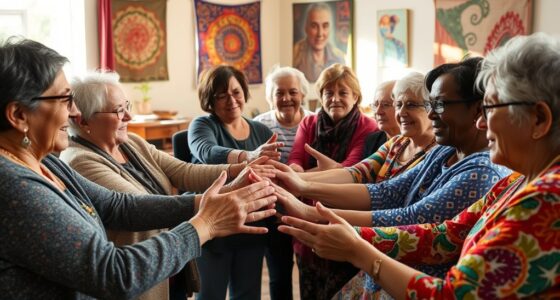

To build a better support team for a DeafBlind adult, focus on assembling dedicated, well-trained members who understand assistive technologies and communication strategies. Foster open communication and encourage ongoing education among team members, including professionals like therapists and specialists. Respect the individual’s preferences and involve them actively in decision-making. Cultivate a respectful, inclusive environment that promotes trust and independence. If you want to find out more about creating effective, supportive teams, keep exploring these essential strategies.

Get everyday helpers delivered free — and shop member deals
- Fast, free delivery on millions of items
- Access to Prime Big Deal Days deals on October 6–7
- Prime Video, Amazon Music and more included
Key Takeaways
- Assemble a diverse team including specialists and trained support persons committed to ongoing learning.
- Foster open communication, shared decision-making, and trust among team members and the DeafBlind individual.
- Provide continuous training on assistive technologies and communication techniques tailored to individual needs.
- Incorporate the DeafBlind adult’s preferences, cultural symbols, and personal goals into support planning.
- Promote collaboration, respect, and inclusivity to create a supportive environment that encourages independence.

Supporting a DeafBlind adult requires a dedicated team that understands both their communication and mobility needs. Building this team starts with recognizing the importance of specialized assistive technology and effective communication strategies. You need to assemble a group of individuals who are committed to learning about these tools and methods, guaranteeing the adult can connect with their environment and others. Assistive technology can include devices like tactile sensors, vibrating alert systems, or Braille displays, which provide vital information and enhance independence. When team members are familiar with these tools, they can better support the individual’s daily activities and safety. Additionally, staying informed about assistive technology trends can help your team adopt innovative solutions that improve support. Incorporating biodiversity and sustainable living practices into your approach can also promote a healthier environment for everyone involved. Understanding the latest assistive technology innovations ensures your team remains at the forefront of providing effective support. Engaging with ongoing training and education about these advancements can further empower your team to deliver high-quality care. Moreover, exploring cultural and spiritual symbols can help create a more inclusive and understanding environment tailored to the individual’s background. Communication strategies are equally essential. You should encourage the team to adopt a range of techniques tailored to the person’s preferences and abilities. This might involve tactile sign language, in which signs are felt rather than seen, or employing paired with a consistent person who can serve as a reliable communication partner. Regular training ensures everyone understands how to communicate clearly and patiently, reducing frustration and fostering a stronger connection. It’s also important to respect the DeafBlind adult’s preferred methods of communication and to adapt as their needs evolve. Creating an environment of trust and collaboration is fundamental. As you build the team, prioritize open dialogue and shared learning. Encourage team members to ask questions, share observations, and suggest new strategies that could improve support. This collaborative approach helps prevent misunderstandings and promotes a unified effort to meet the individual’s needs effectively. It’s beneficial to include professionals such as orientation and mobility specialists, audiologists, and vision rehabilitation therapists, who can provide expert guidance on assistive technology and mobility training. Involving the DeafBlind adult in the planning process guarantees their preferences and goals remain central. Empowering them to express their needs and participate in decision-making fosters independence and confidence. Additionally, fostering strong communication among team members helps coordinate support, whether it’s assisting with daily routines, attending appointments, or exploring new environments. By consistently updating and refining your strategies, and staying informed about new assistive technologies, your team can adapt to changing needs and provide more effective support. Ultimately, a well-rounded support team that emphasizes assistive technology, communication strategies, and mutual respect creates a nurturing space for a DeafBlind adult to thrive. Your ongoing commitment to learning and collaboration will help them achieve greater independence and a richer quality of life.
As an affiliate, we earn on qualifying purchases.
Frequently Asked Questions
How Do I Handle Emergency Situations With a Deafblind Adult?
In emergencies, you should follow established crisis protocols tailored for deafblind adults. Use sensory adaptation techniques, like tactile signals or vibrations, to communicate clearly and calmly. Stay close, maintain eye contact if possible, and provide consistent reassurance. Prepare in advance by training your support team on these protocols, ensuring everyone knows how to respond swiftly and effectively during crises, minimizing confusion and ensuring safety for the deafblind individual.
What Technology Can Assist Communication Effectively?
Think of technology as a bridge that connects worlds. Tactile signing allows you to communicate through touch, turning gestures into a language you can feel. Assistive devices, like vibrating alert systems or Braille displays, act as your voice and ears. These tools transform silent moments into meaningful conversations, giving you the power to support and understand the deafblind adult better. Embrace these innovations, and you’ll build stronger, more connected bonds.
How to Train Support Team Members on Deafblind Needs?
To train support team members on deafblind needs, you should provide personalized training that emphasizes sensory integration techniques. Hands-on workshops help team members understand how to communicate through touch and adapt their environment. Encourage ongoing learning and practice, ensuring they recognize individual preferences. By tailoring training to each person’s unique needs, you empower your team to offer compassionate, effective support that enhances independence and well-being.
What Are Best Practices for Building Independence?
To build independence, focus on using empowerment techniques like encouraging decision-making and offering choices. Implement independence strategies such as establishing routines and teaching communication methods suited to their needs. Support their autonomy by gradually reducing assistance as they become more confident. Regularly assess progress and celebrate achievements. Your active engagement helps foster their self-reliance, ensuring they feel empowered and capable of managing daily activities with increasing independence.
How Can I Ensure Emotional Well-Being in Support Roles?
Think of emotional well-being as a delicate plant you nurture daily. To guarantee your support team stays resilient, foster emotional resilience through regular debriefings and self-care. Incorporate compassion training to deepen understanding and empathy, helping team members navigate challenges with patience. By prioritizing these practices, you create a supportive environment where team members feel valued and equipped, ultimately strengthening their ability to provide consistent, compassionate care for the DeafBlind adult.
Conclusion
Building a support team for a deafblind adult is like crafting a sturdy bridge—each member plays a crucial role in connecting needs and independence. Your collaboration creates a safe passage, allowing them to navigate life confidently. By fostering open communication, empathy, and shared understanding, you turn obstacles into stepping stones. Remember, a well-constructed team doesn’t just support—it empowers them to thrive. Together, you build a pathway that leads to greater freedom and fulfillment.
Fall Picks
fall essentials
As an affiliate, we earn on qualifying purchases.