
Age-related hearing loss, or presbycusis, gradually reduces your ability to hear high-frequency sounds, affecting your communication and daily life. You might notice asking others to repeat themselves or struggling to follow conversations, especially in noisy places. Early detection and using modern hearing aids can improve your hearing and help maintain social connections. To understand more about this common condition and how you can manage it, keep exploring what’s available to support your hearing health.
Key Takeaways
- Presbycusis is a gradual, age-related decline in high-frequency hearing, often starting subtly and affecting communication.
- Early signs include asking for repeats and difficulty understanding speech, especially in noisy environments.
- Hearing aids are effective, discreet devices that amplify sounds to improve hearing and social interaction.
- Untreated hearing loss may contribute to cognitive decline by increasing brain workload and reducing mental engagement.
- Regular hearing evaluations and proactive management help preserve hearing, cognitive health, and overall quality of life.
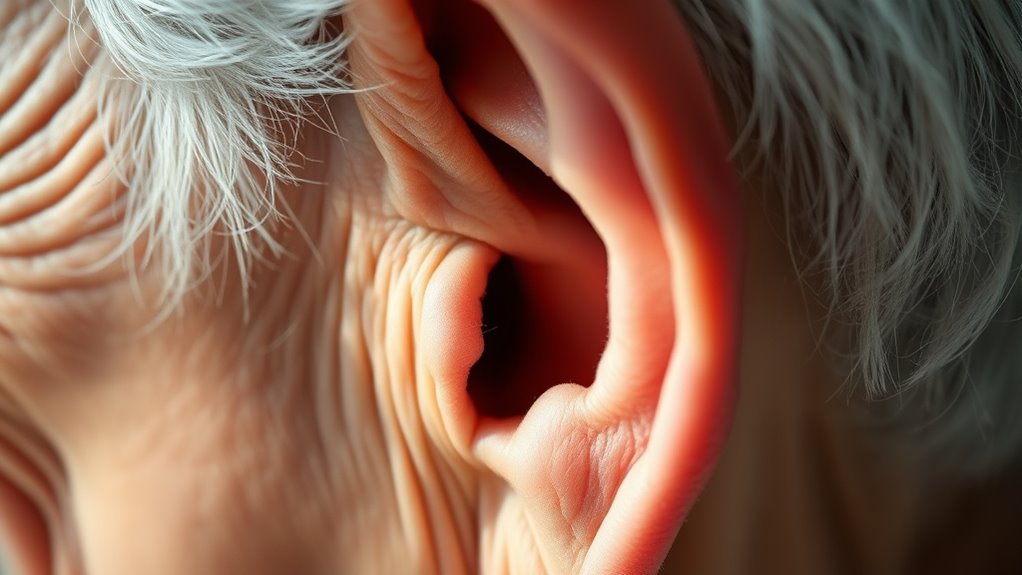
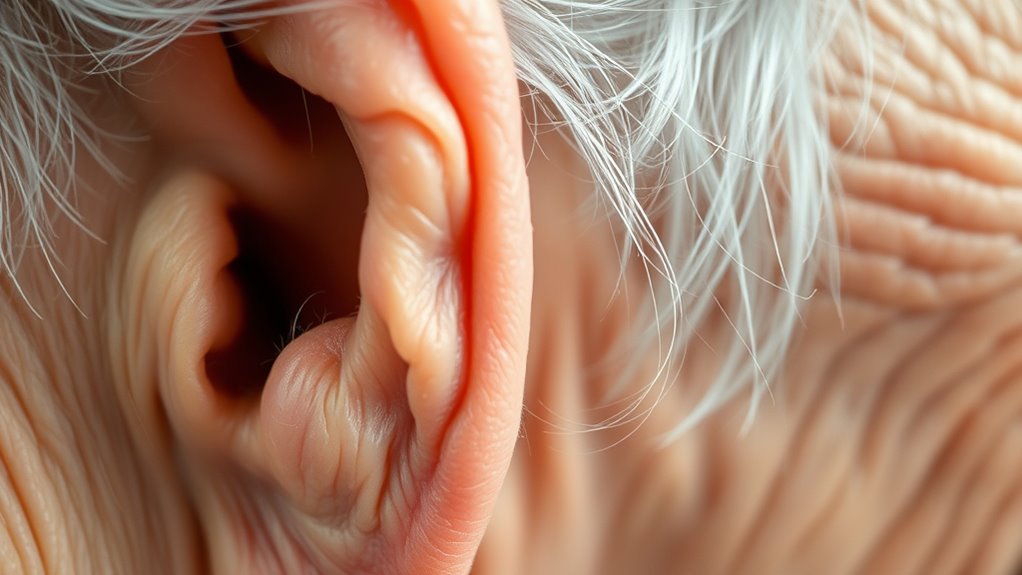
As you age, hearing loss becomes a common concern that can affect your daily life. One of the most typical types is age-related hearing loss, or presbycusis, which gradually diminishes your ability to hear high-frequency sounds. This decline often starts subtly, making it easy to overlook at first, but over time, it can considerably impact your communication and relationships. You might find yourself asking people to repeat themselves more often or struggling to follow conversations, especially in noisy environments. Recognizing these signs early can help you take steps to manage the condition effectively.
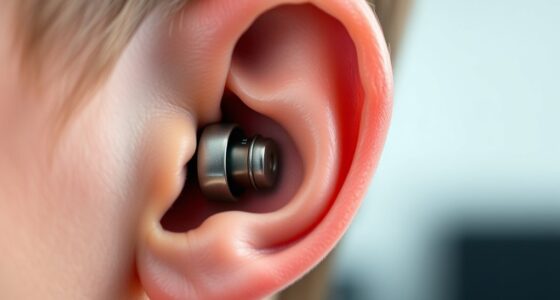
Hearing aids are often the first solution you’ll encounter when addressing presbycusis. Modern hearing aids are discreet, highly customizable, and designed to amplify sounds in a natural way, making it easier for you to understand speech and enjoy everyday activities. They can dramatically improve your quality of life by restoring clarity to conversations and reducing feelings of isolation. When fitted properly, hearing aids help you stay engaged, participate fully in social events, and maintain your independence. The sooner you start using them, the better your chances of minimizing the impact of hearing loss on your mental and emotional well-being.
Research shows that untreated hearing loss may contribute to cognitive decline. When your brain receives less auditory input, it works harder to interpret sounds, which can divert mental resources from other functions such as memory and problem-solving. Over time, this increased cognitive load can lead to issues like forgetfulness or difficulty concentrating. Using hearing aids not only improves your hearing but also helps keep your brain engaged and active. By consistently amplifying sounds and making speech clearer, hearing aids reduce the strain on your cognitive system, potentially lowering the risk of cognitive decline associated with untreated hearing loss.
It’s important to understand that age-related hearing loss isn’t just about losing the ability to hear; it’s about maintaining your overall mental health and quality of life. Regular hearing evaluations can help identify issues early, allowing you to explore options like hearing aids before the loss worsens. Embracing hearing aids isn’t a sign of weakness—it’s a proactive step to preserve your social connections, protect your cognitive health, and enjoy your daily experiences without frustration. Recognizing that age-related changes in sensory perception can be influenced by biological, cognitive, and social factors underscores the importance of addressing hearing loss promptly so you can continue to engage fully with the world around you, keeping both your mind and body healthy as you age.
Frequently Asked Questions
Can Hearing Aids Completely Restore Normal Hearing?
Hearing aids can’t completely restore normal hearing because of their limitations, but they markedly improve your ability to hear. They are customized to fit your specific hearing loss, which helps optimize sound quality. Keep in mind that some sounds may still be difficult to hear clearly, especially in noisy environments. Regular adjustments and proper maintenance can enhance your experience, but hearing aids work best as tools to assist, not fully replace, natural hearing.
Are There Natural Remedies to Prevent Presbycusis?
While no natural remedy can fully prevent presbycusis, you can try herbal supplements like ginkgo biloba to support ear health and circulation. Additionally, practicing ear exercises, such as gentle listening and jaw movements, might help maintain hearing function. Keep in mind, maintaining overall health, avoiding loud noises, and regular check-ups are essential. Always consult a healthcare professional before starting any herbal or exercise regimen.
How Does Diet Impact Age-Related Hearing Loss?
Your diet substantially impacts age-related hearing loss by addressing nutritional deficiencies and boosting antioxidant intake. Consuming foods rich in vitamins A, C, E, and minerals like magnesium and zinc can help protect your inner ear from oxidative damage. Avoid processed foods and opt for fresh fruits, vegetables, nuts, and fish to support ear health. Staying well-nourished may slow hearing decline and maintain your auditory function longer.
Is Presbycusis Hereditary or Influenced by Lifestyle?
You might think it’s all in the cards, but presbycusis is influenced by both heredity and your lifestyle. Genetic predisposition can set the stage, but lifestyle factors like noise exposure, smoking, and diet play a big role in how it develops. You have some control over your hearing health—by protecting your ears and making healthy choices, you can help keep that losing hearing at bay longer.
What Are the Latest Advancements in Hearing Loss Treatment?
You can benefit from the latest hearing loss treatments, such as breakthroughs in genetic research and stem cell therapy. These advancements aim to regenerate damaged hair cells in your inner ear, potentially restoring hearing naturally. Researchers are making progress, and clinical trials are underway. By staying informed and consulting your audiologist, you can explore these innovative options, which may offer more effective and less invasive solutions than traditional hearing aids.
Conclusion
As you navigate the aging process, understanding presbycusis helps you stay connected and engaged. Remember, this common condition is part of life’s journey, much like the gentle fade of a sunset. By seeking early intervention and protecting your hearing, you guarantee your conversations remain lively and your world stays vibrant. Embrace the wisdom of age, and don’t let the silent specter of hearing loss steal your joy—your future self will thank you.