
TL;DR

Get everyday helpers delivered free with Prime
- Fast, free delivery on millions of items
- Prime Video, Amazon Music and more included
- Member-only deals all year
The U.S. Food and Drug Administration (FDA) has approved the first wearable device that simultaneously monitors ketone and blood sugar levels. This device aims to improve diabetes management by providing real-time data. The approval signals a major step forward in continuous health monitoring technology.
The U.S. Food and Drug Administration (FDA) has approved the first wearable device capable of monitoring both ketone and blood sugar levels in real time. This device is designed to help individuals with diabetes better manage their condition through continuous, non-invasive tracking. The approval marks a significant milestone in medical device technology, potentially transforming how patients and healthcare providers approach diabetes care and metabolic health.
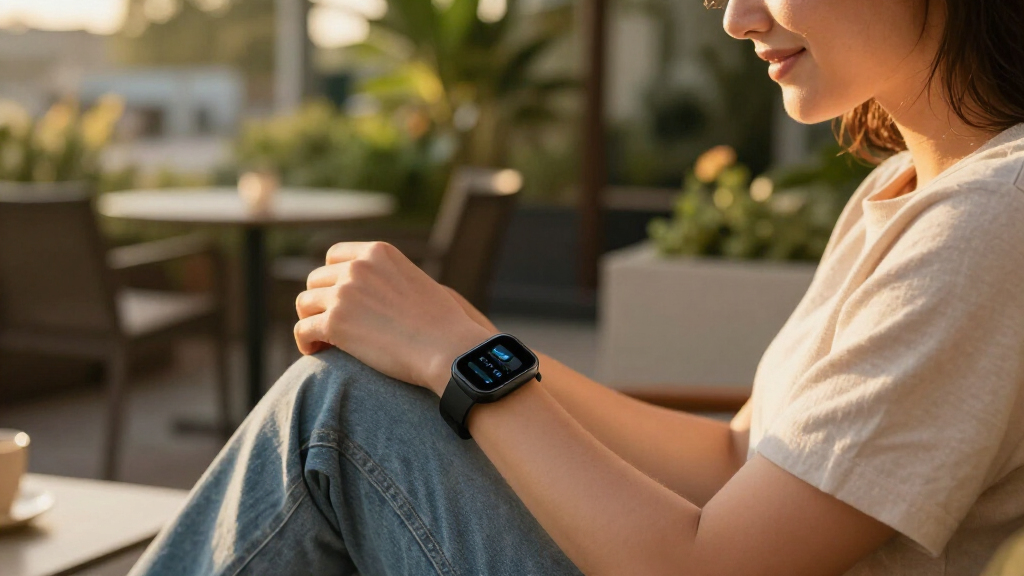
The device, developed by a biotechnology company, uses advanced sensors embedded in a wrist-worn monitor to measure biochemical markers in the body. It provides users with real-time data on their blood glucose and ketone levels, which are critical for managing diabetes and preventing complications such as ketoacidosis. The FDA’s authorization follows clinical trials demonstrating the device’s safety and accuracy, with results indicating reliable performance comparable to traditional blood tests. Currently, monitoring blood glucose typically involves finger-prick tests or continuous glucose monitors (CGMs), which do not measure ketones. Ketone levels are particularly important for individuals on ketogenic diets or those prone to diabetic ketoacidosis, a life-threatening complication. This new device aims to fill that gap by offering a combined monitoring solution in a single wearable form, simplifying disease management and potentially reducing emergency incidents related to metabolic imbalance. The device connects wirelessly to a smartphone app, allowing users to track their data over time, receive alerts for dangerous levels, and share information with healthcare providers. The company behind the device has stated that it plans to seek broader insurance coverage and aims to make the technology accessible to a wide range of users once it is commercially available later this year.Impact on Diabetes Management and Patient Safety
The FDA’s approval of this dual-monitoring wearable device represents a significant advancement in diabetes care, offering users real-time insights into their metabolic state. By providing continuous data on both blood glucose and ketone levels, the device can help prevent severe complications such as diabetic ketoacidosis and improve overall disease management. This technology could reduce the need for invasive testing, enhance patient adherence to monitoring routines, and facilitate more timely medical interventions. Healthcare providers may also benefit from more comprehensive data to tailor treatments, potentially leading to better health outcomes and reduced emergency hospitalizations. Overall, this development signals a shift toward more integrated, patient-friendly health monitoring tools in chronic disease management.wearable device for blood sugar and ketone monitoring
As an affiliate, we earn on qualifying purchases.
As an affiliate, we earn on qualifying purchases.
Background on Monitoring Technologies and Regulatory Milestones
Prior to this approval, diabetes management primarily relied on finger-prick blood tests and continuous glucose monitors (CGMs), which focus solely on blood sugar levels. While CGMs have improved disease control, they do not provide information about ketone levels, which are crucial for assessing metabolic state, especially during illness or dietary changes. The development of wearable devices capable of monitoring multiple biomarkers has been a goal within medical technology for several years. Several non-invasive or minimally invasive sensors have been in development, but few have received regulatory approval. The FDA’s recent authorization follows years of research, clinical trials, and regulatory review, reflecting increasing confidence in wearable biosensors. This device’s approval is also part of a broader trend toward digital health solutions, integrating real-time data collection with telemedicine and personalized care. The push for more comprehensive monitoring tools aligns with efforts to improve chronic disease outcomes and reduce healthcare costs through early detection and intervention.Remaining Questions About Device Performance and Accessibility
While the device has received FDA approval based on clinical trial data, it remains unclear how it will perform in broader, real-world populations over extended periods. Additionally, questions about the cost, insurance coverage, and user adoption rates are still unanswered. It is also not yet confirmed how the device will be integrated into existing healthcare systems and whether regulatory approvals will be sought in other markets.Next Steps for Commercial Release and Clinical Adoption
The manufacturer plans to begin commercial distribution later this year, pending final manufacturing and supply chain preparations. Healthcare providers will likely start integrating the device into patient care protocols once it is widely available. Further studies are expected to evaluate long-term performance, user satisfaction, and cost-effectiveness. Regulatory submissions for approval in other countries may follow as the company aims for global adoption. Meanwhile, insurance companies are being approached to cover the device, which could determine its accessibility and widespread use.Key Questions
How does this device work to monitor ketone and blood sugar levels?
The device uses embedded sensors in a wristband to detect biochemical markers in body fluids, providing real-time data on blood glucose and ketone levels through wireless connectivity to a smartphone app.
Is this device safe for all people with diabetes?
Based on clinical trial results, the device has demonstrated safety and accuracy, but individuals should consult their healthcare providers before use, especially those with specific health conditions.
Will insurance cover the cost of this device?
The manufacturer is actively pursuing insurance coverage options, but coverage details are still being finalized and may vary by provider and region.
When will this device be available to the public?
The company plans to launch the device later this year, with initial availability expected in select markets before wider distribution.
How does this device compare to existing glucose monitors?
Unlike traditional continuous glucose monitors, this device also measures ketone levels, offering a more comprehensive view of metabolic health in a single wearable device.
Source: hn
Fall Picks
fall essentials
As an affiliate, we earn on qualifying purchases.