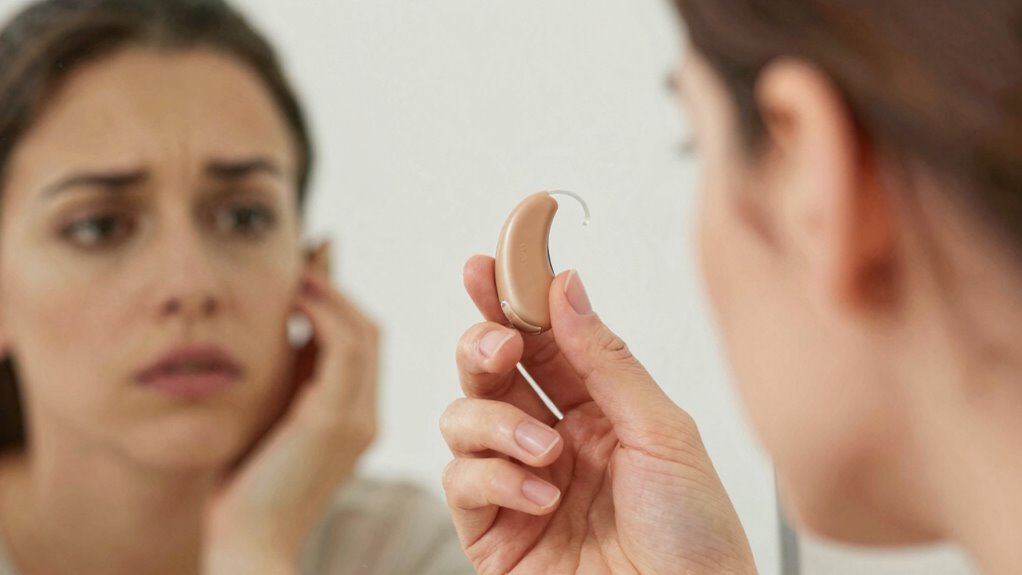

When you notice hearing changes, you should acknowledge the signs early and schedule a hearing test with an audiologist. This helps identify the degree of loss and explore hearing aid options suited to you. Communicate actively by facing people directly and minimizing background noise. Staying informed about new hearing technologies and support options can make the process smoother. If you’re curious about further steps, there’s more to discover that can enhance your hearing health and quality of life.

Get everyday helpers delivered free with Prime
- Fast, free delivery on millions of items
- Prime Video, Amazon Music and more included
- Member-only deals all year
Key Takeaways
- Recognize early signs like muffled sounds and seek professional evaluation promptly.
- Schedule a hearing test with an audiologist to assess your hearing loss.
- Explore hearing aid options and consider trial periods for comfort and effectiveness.
- Practice communication strategies such as facing speakers and reducing background noise.
- Stay informed about hearing health and seek ongoing support and education.
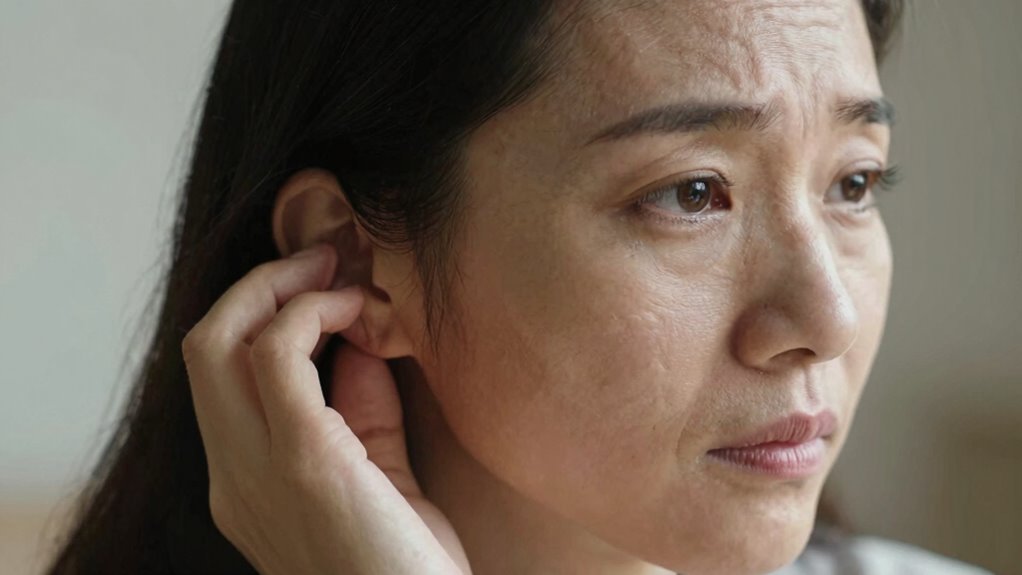
Have you recently noticed a change in your hearing? It can be unsettling to realize that sounds you once heard clearly are now muffled or distant. The first step is to acknowledge this change and take proactive measures. When you notice hearing difficulties, it’s essential to explore hearing aid options that suit your lifestyle and needs. Modern hearing aids come with a variety of features, from discreet designs to advanced noise reduction, so you can find one that feels comfortable and effective. Visiting an audiologist can help you determine which hearing aid style is best suited for your hearing loss and personal preferences. Many clinics offer trial periods, allowing you to test different options before making a commitment.
Recognize hearing changes early and explore personalized, modern hearing aid options with your audiologist for better communication and quality of life.
While exploring hearing aid options, it’s also wise to learn communication strategies that can help you navigate ongoing conversations more easily. Simple adjustments, like facing the person speaking, reducing background noise, or asking others to speak slowly and clearly, can make a significant difference. You might also find that using visual cues, such as watching facial expressions and lip movements, enhances understanding. These strategies don’t replace hearing aids but complement their use, helping you stay connected and engaged in social settings. Additionally, staying informed about advances in hearing aid technology can help you make more educated choices about your options.
In addition to seeking hearing aids and adopting communication strategies, consider scheduling a comprehensive hearing test with an audiologist. This test will provide a clear picture of your hearing health and help identify the degree of loss, guiding you toward the most appropriate treatment options. Don’t delay this step, as early intervention can prevent further deterioration and improve your quality of life. Once you have a diagnosis, your audiologist can discuss personalized solutions, including hearing aids, assistive listening devices, or other treatments.
Adjusting to hearing changes can feel overwhelming at first, but taking these initial steps empowers you to regain control. Educate yourself about the latest hearing aid technology and effective communication techniques to help you feel more confident in social interactions. Remember, hearing loss is common, and support is available. Reaching out for professional advice is the best way to start on your path toward clearer hearing and better communication. Recognizing the importance of hearing health awareness can motivate you to seek timely solutions. Being aware of hearing loss prevalence can also help normalize your experience and reduce feelings of isolation. By acting promptly, you’re setting yourself up for a smoother transition and a more active, connected life.
digital hearing aids with noise reduction
As an affiliate, we earn on qualifying purchases.
As an affiliate, we earn on qualifying purchases.
Frequently Asked Questions
Can Hearing Loss Be Reversed With Early Intervention?
Hearing loss can sometimes be reversed with early intervention, especially if caused by temporary issues like ear infections or wax buildup. To protect your hearing, use hearing protection in noisy environments and seek prompt medical advice. Auditory training can help improve hearing skills if damage has occurred. Acting quickly increases the chances of recovery or prevents further deterioration, so don’t delay in consulting a healthcare professional when you notice changes.
How Long Should I Wait Before Seeking Help?
You should seek help as soon as you notice a hearing change, ideally within days or weeks. Waiting longer can increase the emotional impact and make lifestyle adjustments more challenging later. Early intervention helps preserve your hearing and reduces frustration. Don’t delay—prompt action allows you to adapt more smoothly, minimizes emotional stress, and supports your overall well-being. The sooner you seek help, the better your chances of maintaining a high quality of life.
Are There Home Remedies for Sudden Hearing Changes?
Home remedies like gentle sound therapy can sometimes help manage sudden hearing changes, but they shouldn’t replace professional care. You might try listening to soothing background noise or using ear exercises, but avoid inserting objects into your ears. Keep calm and avoid loud environments. If hearing doesn’t improve quickly, see a healthcare provider promptly. Remember, quick medical attention is essential for proper diagnosis and treatment.
What Signs Indicate a Medical Emergency Related to Hearing Loss?
You should seek emergency care if you experience sudden hearing loss accompanied by severe dizziness, weakness, or facial weakness, as this could signal a serious issue like a stroke or ear infection. While tinnitus management can help with ongoing symptoms, sudden hearing loss demands urgent attention. Don’t ignore warning signs—prompt medical evaluation is essential to prevent permanent damage and properly address potential ear infections or neurological problems.
Will Hearing Aids Restore Normal Hearing Entirely?
Hearing aids won’t restore your hearing entirely due to their limitations in addressing severe or sensorineural hearing loss. They improve sound clarity but can’t replicate normal hearing perfectly. Hearing aid costs vary based on features and technology, so consider your budget when choosing a device. Keep in mind that while they enhance your hearing experience, some situations may still be challenging. Regular adjustments and realistic expectations are key to maximizing benefits.
Conclusion
Remember, catching a hearing change early is like noticing a small crack in a dam—addressing it promptly prevents a flood. When you act quickly, you protect your hearing health and avoid bigger issues down the road. Take Sarah’s story: she ignored her hearing loss until it became unmanageable, but early intervention could’ve saved her from years of frustration. Don’t wait for symptoms to worsen—your ears deserve the same care you’d give a delicate garden.
Fall Picks
fall essentials
As an affiliate, we earn on qualifying purchases.