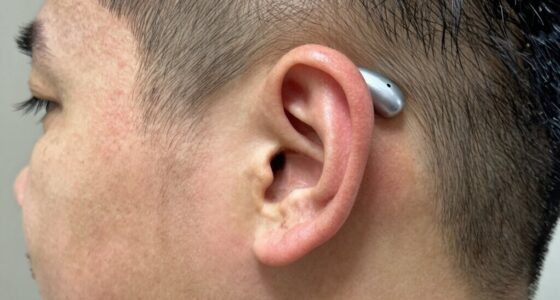
As you age, your hearing and vision often decline together, making daily interactions more challenging. When your senses weaken, your brain works harder to interpret sounds and sights, which can lead to confusion, fatigue, and difficulty understanding conversations. This overlap can also affect your social life and emotional health, as you might withdraw from others. If you want to learn how these changes impact your brain and ways to adapt, there’s more to discover.

Get everyday helpers delivered free with Prime
- Fast, free delivery on millions of items
- Prime Video, Amazon Music and more included
- Member-only deals all year
Key Takeaways
- Aging often causes simultaneous decline in hearing and vision, compounding sensory processing challenges.
- Both sensory losses increase cognitive effort, leading to fatigue and reduced brain efficiency.
- Visual deterioration hampers interpretation of visual cues, while hearing loss affects understanding speech.
- Combined sensory deficits can lead to social withdrawal and emotional difficulties.
- The overlapping decline strains neural pathways, impacting overall brain health and adaptive capacity.
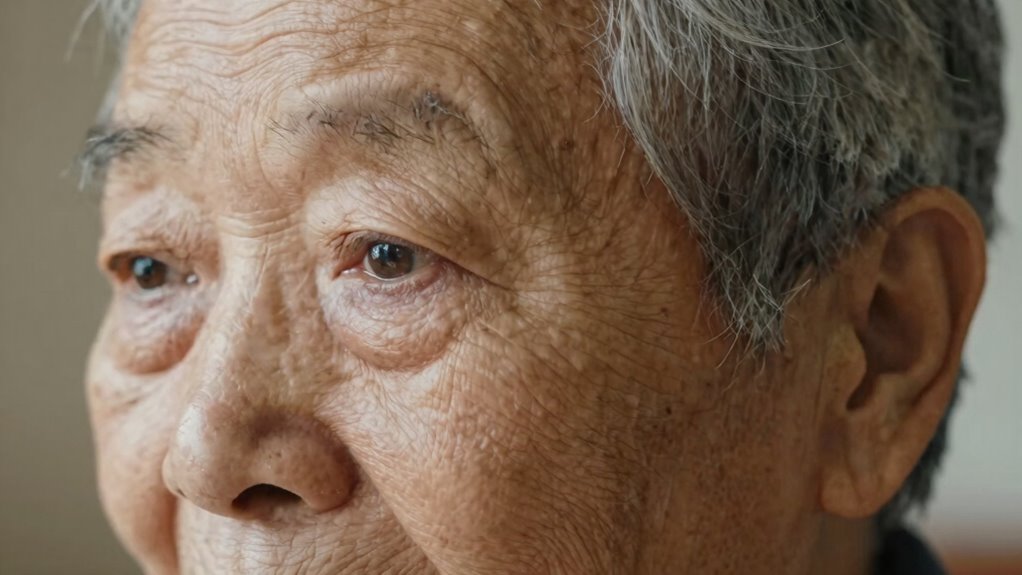
As you age, changes in hearing and vision often occur simultaneously, and understanding how these issues overlap can help you manage them more effectively. Both senses are fundamental for daily functioning, and their decline can profoundly impact your quality of life. When your hearing or eyesight begins to fade, your brain has to work harder to process information, which can lead to disruptions in sensory integration—the way your brain combines signals from different senses to create a cohesive picture of your environment. If either sense weakens, your brain may struggle to interpret incoming stimuli correctly, leading to confusion, misperceptions, or a sense of disconnect. This interplay highlights the neurological effects of sensory decline, where changes in one sense can influence overall brain function and how you perceive the world around you.
Aging affects hearing and vision, disrupting how your brain processes and integrates sensory information, impacting daily life.
For example, if you experience hearing loss, you might find yourself straining to understand conversations, which can cause frustration and fatigue. Over time, this increased effort can alter neurological pathways, affecting how your brain processes sounds and integrates visual cues. Similarly, vision deterioration, such as decreased clarity or peripheral vision, can make it harder to interpret visual information, which in turn affects your ability to compensate for hearing issues. When both senses weaken, your brain may become overwhelmed trying to piece together incomplete or conflicting signals, leading to cognitive fatigue and reduced alertness. This neurological toll underscores how interconnected your senses are and how their decline can ripple through your neurological health.
You might also notice that declines in hearing and vision can cause you to withdraw socially. When communication becomes challenging or when you can’t see facial expressions and gestures clearly, you may avoid interactions altogether. This social withdrawal can further affect your mental health, as the brain’s neural networks involved in social cognition and emotional regulation are also impacted by sensory deficits. Additionally, the brain’s plasticity means it attempts to adapt to these changes, but if the sensory loss is substantial or progresses rapidly, those adaptive mechanisms may not keep pace, leading to further neurological effects like decreased cognitive resilience or memory issues. Recognizing the importance of sensory integration can help you take proactive steps to support your neurological health and maintain social engagement.
As an affiliate, we earn on qualifying purchases.
Frequently Asked Questions
Can Hearing and Vision Loss Occur Simultaneously Without Symptoms?
Yes, hearing and vision loss can occur simultaneously without obvious symptoms due to sensory overlap and symptom masking. When one sense diminishes, your brain may rely more on the other, hiding some signs of decline. You might not notice gradual changes because the loss blends into daily life. Regular checkups are essential, as early detection helps you manage both conditions effectively, preventing further deterioration and maintaining your quality of life.
Are There Common Treatments for Both Hearing and Vision Decline?
Think of hearing and vision decline as two sides of the same coin—you might need both to navigate the world smoothly. Common treatments include hearing aids to amplify sound and vision correction options like glasses or contact lenses. These solutions can improve quality of life together, making everyday tasks easier. Addressing both issues early guarantees you stay connected and engaged, turning potential obstacles into manageable challenges.
How Can I Differentiate Between Hearing and Vision Problems?
You can differentiate between hearing and vision problems by observing specific signs. Sensory confusion, like misinterpreting sounds or visuals, can indicate issues. For example, difficulty understanding speech despite normal hearing suggests vision issues, while trouble hearing conversations with clear sight points to hearing problems. Diagnostic challenges may arise because symptoms often overlap, so consulting healthcare professionals for thorough testing helps identify the root cause accurately.
Do Genetics Influence the Overlap of These Sensory Losses?
Genetic predisposition definitely influences the overlap of sensory losses. You might find that genetic factors cause simultaneous deterioration of hearing and vision, making symptoms more intertwined. This sensory overlap suggests that your genes can predispose you to both issues, amplifying age-related challenges. Recognizing this genetic connection can help you seek early screenings and tailored treatments, ensuring you stay connected and confident despite these overlapping sensory struggles.
Can Lifestyle Changes Prevent or Delay These Sensory Declines?
Yes, lifestyle changes can help prevent or delay sensory declines. Engaging in regular exercise, maintaining a healthy diet, avoiding smoking, and managing chronic conditions are key preventative strategies. These lifestyle interventions promote overall health, improving blood flow to your eyes and ears, which supports their function. By adopting these habits early, you can potentially reduce the severity or onset of age-related hearing and vision loss.
Conclusion
As you navigate the aging journey, remember that your senses, like a delicate dance, often move in tandem. When hearing and vision change, they don’t just operate separately—they weave a complex tapestry that affects your daily life. By staying alert and proactive, you can keep this dance graceful and harmonious. After all, understanding how these senses overlap is like finding the rhythm in a song—your key to maintaining clarity and connection throughout your years.
Evergreen bestsellers Picks
bestsellers
As an affiliate, we earn on qualifying purchases.