
If you experience fluctuating hearing loss, it means your hearing comes and goes, which can be confusing and frightening. This can happen due to issues like inner ear damage, infections, allergies, or earwax buildup. Conditions like Meniere’s disease cause fluid changes that lead to these fluctuations. It’s important to get regular tests and see a healthcare professional to determine the cause. Keep going to learn how these issues can be diagnosed and managed effectively.

Get everyday helpers delivered free with Prime
- Fast, free delivery on millions of items
- Prime Video, Amazon Music and more included
- Member-only deals all year
Key Takeaways
- Fluctuating hearing loss involves sudden, temporary changes in hearing, often feeling like sounds are muffled or clearer intermittently.
- Inner ear issues, such as Meniere’s disease or hair cell damage, are common causes of fluctuating hearing.
- Earwax buildup, infections, allergies, or blood flow changes can also cause temporary hearing fluctuations.
- Regular hearing tests and medical evaluations are essential to identify underlying causes and prevent long-term damage.
- Prompt treatment and management depend on diagnosing the specific cause, which may include medication, lifestyle changes, or surgery.
Have you ever experienced sudden changes in your hearing that seem to come and go? This kind of fluctuating hearing loss can be confusing and even frightening. It often feels like your ears are on a roller coaster, with moments of clarity followed by periods of muffled sounds or partial deafness. To understand what’s happening, it’s important to learn about how your inner ear and other factors can influence these changes. When your hearing fluctuates, it may be a sign of underlying issues, and seeing a healthcare professional is essential. They’ll typically start with hearing tests, which help determine the severity and nature of your hearing loss. These tests measure how well you hear different pitches and volumes, giving a clear picture of what’s going on inside your ears.
The inner ear plays a critical role in your hearing. It contains tiny hair cells that convert sound waves into electrical signals sent to your brain. If these hair cells are damaged or affected by other conditions, your hearing can become inconsistent. For example, infections or inflammation in the inner ear might cause temporary hearing loss, which can improve once the issue resolves. Likewise, conditions like Meniere’s disease, which involves abnormal fluid buildup in the inner ear, can cause unpredictable hearing fluctuations. In such cases, hearing tests become indispensable because they help track changes over time and identify patterns. If you notice your hearing is changing frequently or suddenly, scheduling regular hearing tests is a wise step. They can reveal whether your inner ear is affected by an ongoing condition or if something else might be at play.
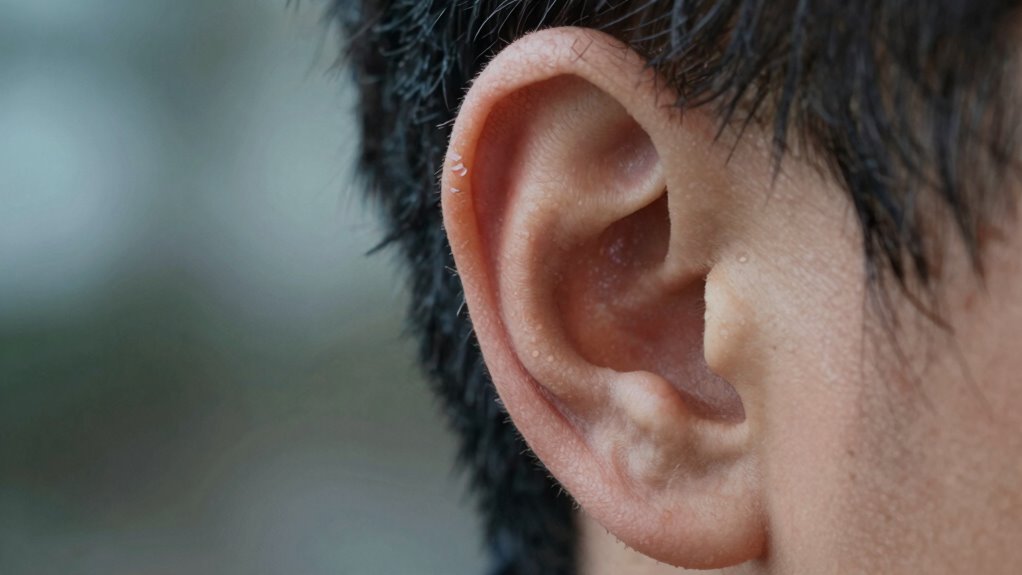
Beyond inner ear issues, fluctuating hearing loss can also be caused by earwax buildup, infections, or even changes in blood flow to your ear structures. Sometimes, allergies or sinus problems can also influence your hearing temporarily. It’s important to note that fluctuating hearing loss isn’t always permanent, but it shouldn’t be ignored. Persistent or worsening changes warrant medical attention, as early diagnosis can prevent further damage. Your healthcare provider might recommend additional tests like audiograms or imaging studies to explore the root cause. Managing the problem depends on its cause but often involves medications, lifestyle adjustments, or in some cases, surgical procedures. Recognizing how various factors, including inner ear health, can influence hearing fluctuations is crucial for effective management. Additionally, understanding the role of ear anatomy can help you better grasp why these changes occur.
Ultimately, if your hearing is fluctuating, don’t delay seeking professional evaluation. Regular hearing tests will help you and your doctor understand the patterns and underlying causes. Recognizing and addressing these changes early can improve your quality of life and prevent potential long-term damage. Remember, your ears are complex, and fluctuations in hearing are signals that your inner ear or related structures may need attention.
As an affiliate, we earn on qualifying purchases.
Frequently Asked Questions
Can Fluctuating Hearing Loss Resolve on Its Own?
Fluctuating hearing loss can sometimes resolve on its own, especially if caused by ear infections or minor issues. However, you should seek medical advice for proper tinnitus management and diagnosis, as untreated ear infections might worsen or lead to complications. Monitoring your symptoms and avoiding loud noises can help. If your hearing loss persists or worsens, a healthcare professional can provide targeted treatment to prevent long-term damage.
Is Fluctuating Hearing Loss Linked to Specific Age Groups?
Imagine your hearing as a fluctuating tide, rising and falling unpredictably. Age-related changes often influence this, affecting older adults whose hearing might ebb and flow over time. Genetic factors also play a role, with some people experiencing fluctuating hearing loss earlier due to inherited traits. While it can happen at any age, you’re more likely to notice these changes as you grow older or if family history suggests a predisposition.
Are There Certain Activities That Worsen Fluctuating Hearing Loss?
Certain activities can worsen fluctuating hearing loss, especially those exposing you to loud noises or allergens. To protect your hearing, wear ear protection during noisy events or environments. Managing allergies also helps, as allergy symptoms can trigger or intensify hearing fluctuations. Avoid activities that expose you to irritants or allergens, and practice ear protection and allergy management strategies to minimize the impact on your hearing health.
How Quickly Does Fluctuating Hearing Loss Typically Change?
Your fluctuating hearing loss can change faster than you can blink, sometimes within minutes or hours. You might experience sudden deafness that feels like your ears are on a rollercoaster, with temporary sensitivity coming and going unpredictably. These rapid shifts can be alarming, making it essential to monitor your hearing closely and seek medical advice promptly. The quick changes highlight how dynamic and unpredictable fluctuating hearing loss truly is.
Can Fluctuating Hearing Loss Cause Permanent Damage?
Fluctuating hearing loss can potentially cause permanent damage if left untreated, especially if causative factors like infections or fluid buildup persist. You might experience lasting damage from repeated episodes or underlying conditions. Treatment options are essential to prevent this; they include medication, addressing infections, or managing fluid. Consult an audiologist or ENT specialist promptly to identify causative factors and develop an effective treatment plan, reducing the risk of long-term hearing impairment.
Conclusion
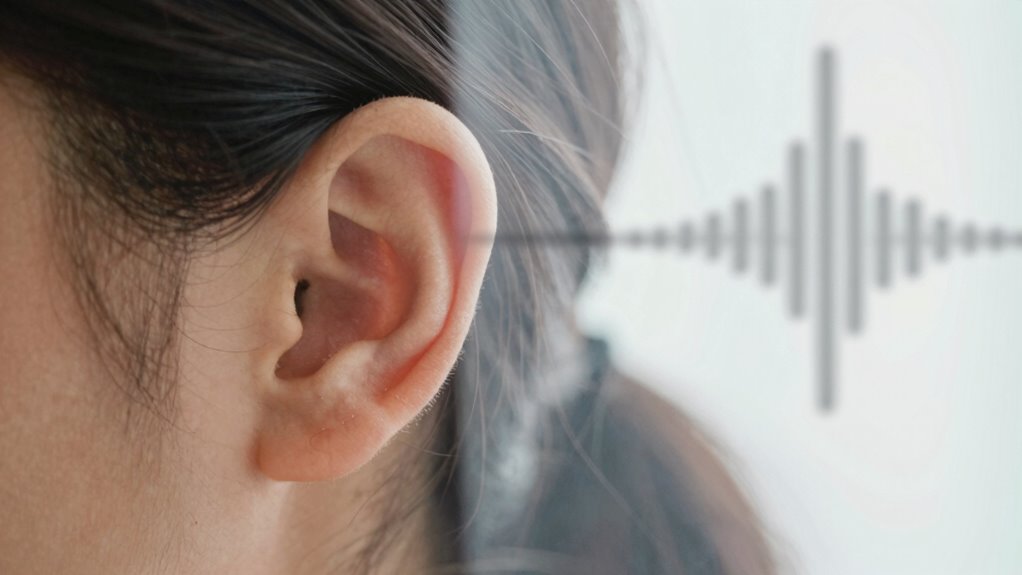
Understanding fluctuating hearing loss can be confusing, but recognizing its patterns helps you seek timely advice. Some believe it’s linked to fluid buildup or underlying conditions like Meniere’s disease, which causes unpredictable changes in hearing. Visualizing these ideas as waves rising and falling can help you grasp how symptoms come and go. Staying informed and consulting a specialist guarantees you get the right treatment, so you don’t have to navigate these fluctuations alone.
Halloween Picks
halloween
As an affiliate, we earn on qualifying purchases.