Hearing changes happen gradually when long-term factors like aging, noise exposure, or medication damage inner ear hair cells over time, making speech harder to understand and causing muffled sounds. Sudden hearing loss often results from loud noises, ear injuries, or infections that damage your auditory system quickly. Recognizing whether your hearing change is slow or sudden helps determine the right action. If you keep exploring, you’ll discover more about how to protect and preserve your hearing health effectively.

Get everyday helpers delivered free with Prime
- Fast, free delivery on millions of items
- Prime Video, Amazon Music and more included
- Member-only deals all year
Key Takeaways
- Gradual hearing loss results from age-related degeneration or long-term noise exposure damaging inner ear structures.
- Sudden hearing changes are often caused by acoustic trauma or abrupt damage to ear tissues.
- Chronic exposure to loud sounds causes cumulative damage, leading to slow, progressive hearing decline.
- Sudden loss typically involves immediate injury, such as ruptured eardrum or hair cell trauma.
- The underlying cause determines whether hearing loss occurs gradually or suddenly.
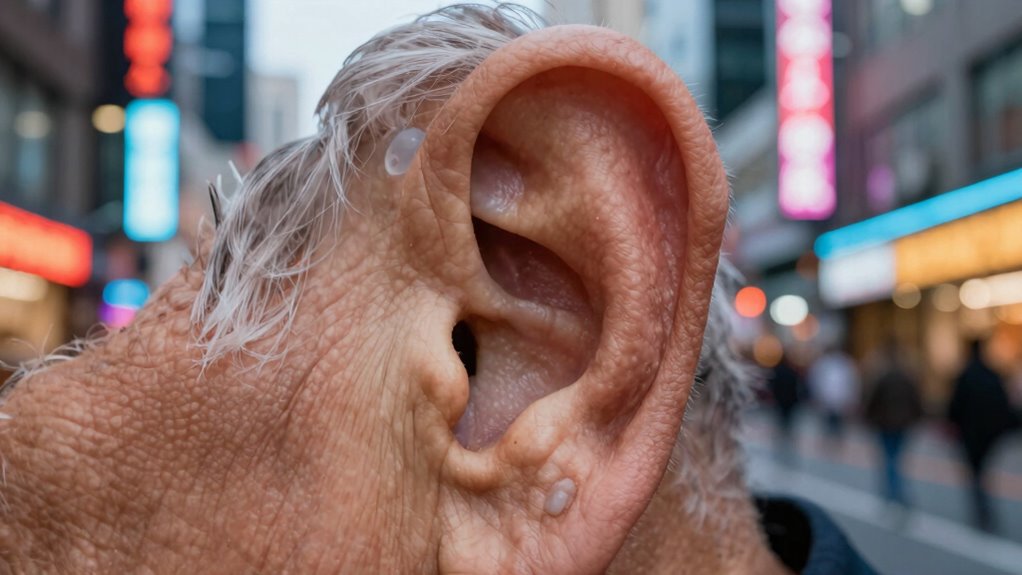
Hearing changes can occur gradually or suddenly, and recognizing the difference is vital for understanding their underlying causes. When hearing loss develops slowly over months or years, it’s often linked to factors like aging or long-term exposure to loud noise. You might notice a progressive difficulty in understanding speech or a muffled sensation, which can be subtle at first. On the other hand, sudden hearing loss can happen within minutes or hours, catching you off guard and requiring immediate attention. Identifying whether your hearing change is gradual or sudden helps you seek the right treatment and prevents further damage.
Gradual hearing loss typically results from cumulative damage over time. One common cause is age-related hearing decline, known as presbycusis, which affects the tiny hair cells in your inner ear. These hair cells are essential for converting sound waves into signals your brain interprets. Over years, exposure to loud environments, even if not painfully loud but frequent enough, can wear these cells down. This is where ototoxic medications come into play. Certain drugs—like some antibiotics, chemotherapy agents, and high doses of aspirin—damage your inner ear structures, leading to a slow but steady decline in hearing. If you’re taking these medications, it’s essential to monitor your hearing regularly and discuss any changes with your doctor.
Cumulative damage from aging and ototoxic medications can cause gradual hearing loss over time.
Acoustic trauma is another significant factor behind sudden hearing shifts. This occurs when you experience a sudden loud noise—such as an explosion, gunshot, or fireworks—that causes immediate damage to your auditory system. The intense sound can rupture your eardrum or injure the delicate hair cells inside your cochlea, resulting in rapid hearing loss. Unlike gradual loss, acoustic trauma demands urgent medical attention to prevent permanent damage. Sometimes, the damage may be subtle at first, but if left untreated, it can worsen or lead to complications like tinnitus or balance issues. Additionally, advancements in scientific testing devices can assist in diagnosing the extent of hearing damage more accurately.
In both cases, understanding whether the change is gradual or sudden guides your response. Sudden loss requires prompt medical evaluation, often involving a hearing test and possibly treatment such as steroids to reduce inflammation. For gradual loss, early intervention—including hearing aids, assistive devices, or lifestyle adjustments—can slow deterioration and improve your quality of life. Recognizing the signs early, whether they develop slowly over time or strike unexpectedly, empowers you to protect your hearing effectively.
hearing loss protection earplugs
As an affiliate, we earn on qualifying purchases.
As an affiliate, we earn on qualifying purchases.
Frequently Asked Questions
Can Hearing Loss Be Completely Reversed?
Hearing loss can’t usually be completely reversed, especially if it’s caused by nerve damage or long-term damage from noise exposure. However, you can protect your ear health by practicing hearing protection and staying aware of ear health. Regular check-ups can catch issues early, preventing further loss. While some temporary hearing problems improve, permanent loss often requires hearing aids or assistive devices, making ear health awareness essential.
How Quickly Should I See a Doctor After Sudden Hearing Loss?
You should see a doctor immediately if you experience sudden hearing loss, as timing is vital. Acting quickly can greatly influence treatment success, so don’t delay. Sudden hearing loss is a medical urgency because early intervention increases the chances of recovery. Even if it feels minor, promptly seeking medical care guarantees you get the right diagnosis and treatment, potentially restoring your hearing and preventing further damage.
Are Certain Ages More Prone to Sudden Hearing Changes?
Yes, certain ages are more prone to sudden hearing changes. Age-related decline typically affects older adults, especially after age 60, increasing the risk of sudden hearing loss. Developmental stages also influence susceptibility; children and young adults might experience sudden changes due to infections or injuries. If you notice sudden hearing changes at any age, it’s essential to see a doctor promptly to identify the cause and start appropriate treatment.
What Lifestyle Factors Influence Gradual Hearing Decline?
Think of your ears as a delicate garden, slowly withering without proper care. Noise exposure and lifestyle habits like smoking or poor diet act as harsh weather, gradually weakening your hearing. Consistently exposing yourself to loud sounds or neglecting healthy choices accelerates this decline. To preserve your auditory landscape, protect your ears from loud environments and cultivate habits that support overall ear health, ensuring your hearing blossoms over time.
Is Hearing Loss Inherited or Acquired?
Hearing loss can be inherited or acquired. If you have a genetic predisposition, your hearing might decline naturally over time. Environmental exposure, like loud noises or toxins, can also lead to acquired hearing loss. You might notice sudden changes if there’s an acute injury, but gradual decline often results from ongoing exposure or genetic factors. Understanding these causes helps you take steps to protect your hearing health.
Conclusion
Understanding whether your hearing changes gradually or suddenly can help you seek timely help. Did you know that about 15% of adults experience some form of hearing loss, and many don’t realize it until it’s advanced? By paying attention to subtle shifts or sudden changes, you can catch issues early and get the right treatment. Don’t ignore these signals—your hearing health matters, and early action can make all the difference in maintaining your quality of life.
Halloween Picks
halloween
As an affiliate, we earn on qualifying purchases.