
To monitor your progressive hearing loss, schedule regular checkups with an audiologist to track changes over time. Pay attention to subtle signs like difficulty hearing conversations in noisy places or muffled sounds, and share these observations during visits. Use your hearing aids properly, keep software updated, and consider connecting them with your smartphone for easy adjustments. Staying proactive helps you catch changes early and maintain your hearing health—there’s more to learn about effective strategies as you explore further.

Get everyday helpers delivered free with Prime
- Fast, free delivery on millions of items
- Prime Video, Amazon Music and more included
- Member-only deals all year
Key Takeaways
- Regular hearing assessments with an audiologist help track changes and guide treatment decisions.
- Be vigilant for early signs like difficulty hearing in noisy environments or sounds muffling.
- Use hearing aids with software updates and remote controls to optimize performance between visits.
- Keep a journal of hearing changes and communicate observations during checkups.
- Manage tinnitus alongside hearing loss through sound therapy, counseling, and ongoing monitoring.
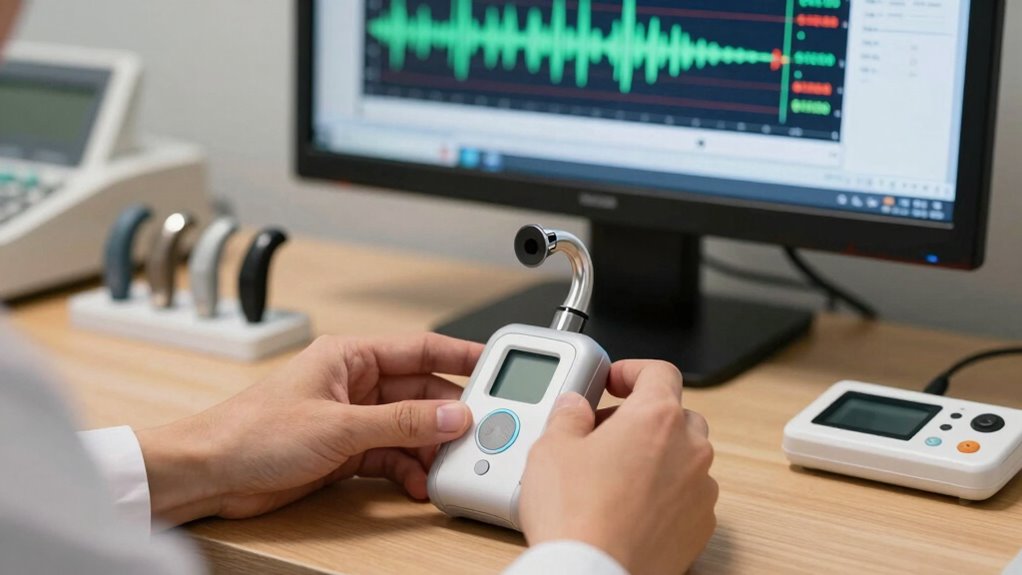
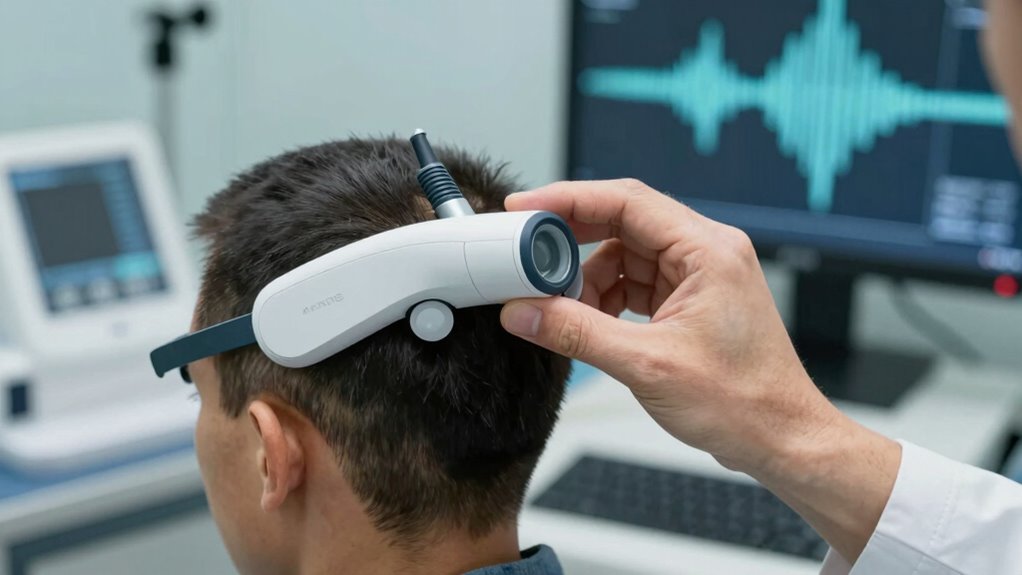
Hearing loss often progresses gradually, making it easy to overlook early signs. You might notice some difficulty hearing conversations in noisy environments or a slight muffling of sounds, but dismiss it as normal aging or background noise. As your hearing declines subtly over time, it becomes essential to stay vigilant and monitor these changes regularly. One of the most effective ways to do this is through consistent hearing assessments with your audiologist. These evaluations help track the progression of your hearing loss, allowing you to make informed decisions about your treatment options, including hearing aid updates. Regularly updating your hearing aids ensures they are functioning at their best and tailored to your current hearing needs, which can change as your condition evolves.
Managing tinnitus, a common companion to hearing loss, requires ongoing attention. If you experience ringing, buzzing, or other phantom sounds, you should communicate these symptoms during your checkups. Tinnitus management strategies, such as sound therapy or counseling, often improve when your audiologist understands how your hearing loss progresses. They can recommend appropriate devices or therapies that help alleviate discomfort and improve your quality of life. Staying proactive about tinnitus management is essential because the condition can fluctuate or worsen over time, especially as your hearing deteriorates.
Communicate tinnitus symptoms during checkups to receive effective management and improve your quality of life.
You should also pay close attention to how your hearing aids perform between visits. Modern hearing aids come with features like Bluetooth connectivity, which allow you to stream audio directly from your devices and receive software updates. These updates—termed hearing aid updates—enhance sound quality, improve noise filtering, and add new functionalities that adapt to your changing hearing needs. Regularly checking for updates or scheduling appointments for adjustments ensures your devices are always functioning at their best. Additionally, many hearing aids include remote controls or smartphone apps, enabling you to fine-tune settings easily and maintain better control over your hearing experience.
Monitoring your hearing health isn’t just about visiting your audiologist; it’s about staying engaged in your own care. Keep a journal of noticeable changes, such as new sounds or increased difficulty understanding speech. Communicate these observations during your appointments, so your audiologist can assess whether your hearing aids need adjustments or if other treatments might be necessary. Consistent checkups, combined with active management of tinnitus and timely hearing aid updates, help you stay ahead of the progression, ensuring you maintain the best possible hearing and overall well-being. Being aware of indoor air quality and maintaining a healthy environment can also support overall health, including auditory health, by reducing exposure to pollutants that may impact ear health. Recognizing the importance of environmental factors can help you create a healthier space that promotes better hearing health. Additionally, understanding the role of regular maintenance for your hearing devices can extend their lifespan and ensure optimal performance. Incorporating technology updates into your routine can further enhance your hearing experience and adapt to your evolving needs.
digital hearing aids with Bluetooth connectivity
As an affiliate, we earn on qualifying purchases.
As an affiliate, we earn on qualifying purchases.
Frequently Asked Questions
How Often Should I Get My Hearing Tested?
You should get your hearing tested at least once a year, especially if you notice changes or use hearing aids. Regular checkups help monitor your hearing health and guarantee your hearing aid maintenance is effective. During visits, ask about ear protection techniques to prevent further loss. Consistent testing and proper ear protection can keep your hearing in check and improve your overall quality of life.
Can Hearing Loss Be Fully Reversed?
Hearing loss is like a fading photograph—you might restore some clarity, but full reversal isn’t always possible. While advances help, genetic factors and environmental influences can cause permanent damage. You can protect your hearing by avoiding loud noises and seeking treatment early, but some loss may remain. Think of it as trying to un-scramble a photo—some details can be clarified, yet others might stay forever blurred.
What Lifestyle Changes Can Slow Hearing Loss?
You can slow hearing loss by making simple lifestyle changes. Focus on dietary adjustments that support ear health, like reducing salt and sugar intake. Limit noise exposure by wearing ear protection in loud environments and avoiding prolonged exposure to loud sounds. Regularly check your hearing and manage health conditions like diabetes and high blood pressure. These steps help protect your hearing and prevent further deterioration over time.
Are There Specific Warning Signs to Watch For?
You’ll notice warning signs like muffled hearing, tinnitus symptoms, or ear infections that seem to pop up more frequently. These signals can feel like your ears are trying to drown out sounds with a relentless storm. Keep an eye out for dizziness or balance issues too. If these signs appear, it’s essential to consult a healthcare professional promptly to prevent further hearing damage and address potential underlying causes.
How Do I Choose the Right Hearing Healthcare Professional?
To choose the right hearing healthcare professional, look for someone experienced with hearing aids and ear infections. Ask about their specialization in diagnosing and treating hearing loss. Make sure they listen to your concerns and explain options clearly. A good professional will conduct thorough tests, recommend suitable hearing aids if needed, and address ear infections promptly. Trust your instincts and select someone you feel comfortable working with for ongoing support.
Conclusion
By staying vigilant and regularly monitoring your hearing, you can catch changes early and seek appropriate help. Don’t wait until hearing loss becomes severe—early detection makes a difference. Are you paying attention to the signs your ears might be giving you? Taking proactive steps now can preserve your hearing health and improve your quality of life. Remember, your hearing is valuable—why not give it the care it deserves today?
Halloween Picks
halloween
As an affiliate, we earn on qualifying purchases.