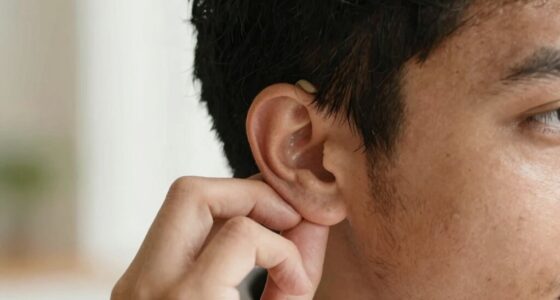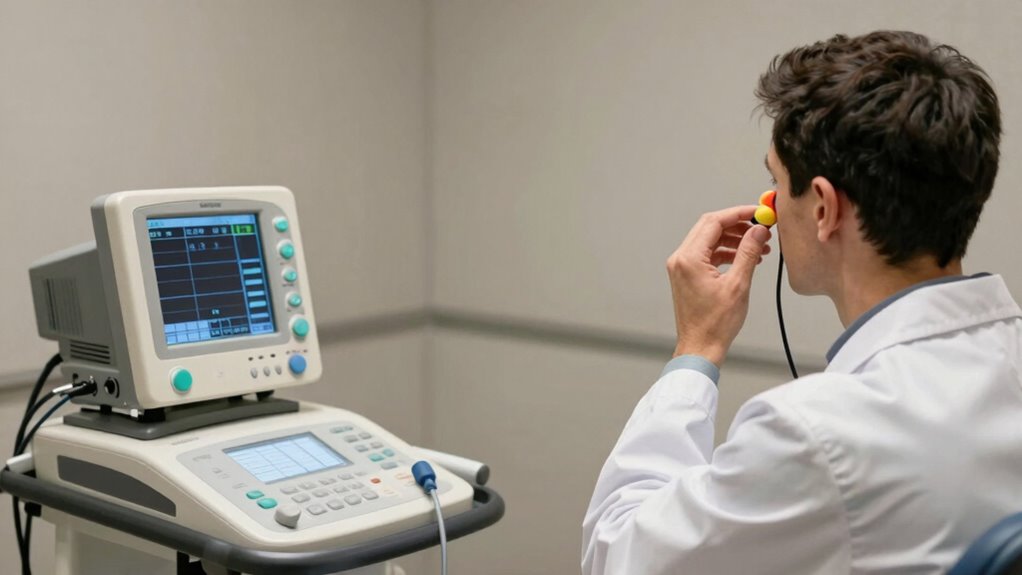

Doctors start by taking your medical history to identify recent infections, noise exposure, or medication use that could cause hearing problems. They then examine your ear with an otoscope to look for infections, wax buildup, or inflammation. Audiometric tests help distinguish between types of hearing loss, such as conductive, which is often reversible. By focusing on these steps, they can identify treatable issues early. Keep going, and you’ll discover how each step helps determine if your hearing loss can be fully restored.

Get everyday helpers delivered free with Prime
- Fast, free delivery on millions of items
- Prime Video, Amazon Music and more included
- Member-only deals all year
Key Takeaways
- Conduct a thorough medical history to identify recent infections, medication use, or noise exposure that may cause reversible issues.
- Perform an otoscopic examination to detect ear infections, wax buildup, or fluid in the ear canal.
- Use audiometric testing to differentiate between conductive and sensorineural hearing loss.
- Check for earwax blockage or ear infections that can be treated to restore hearing.
- Review medication effects and request prompt removal of obstructions or infections for potential reversal.
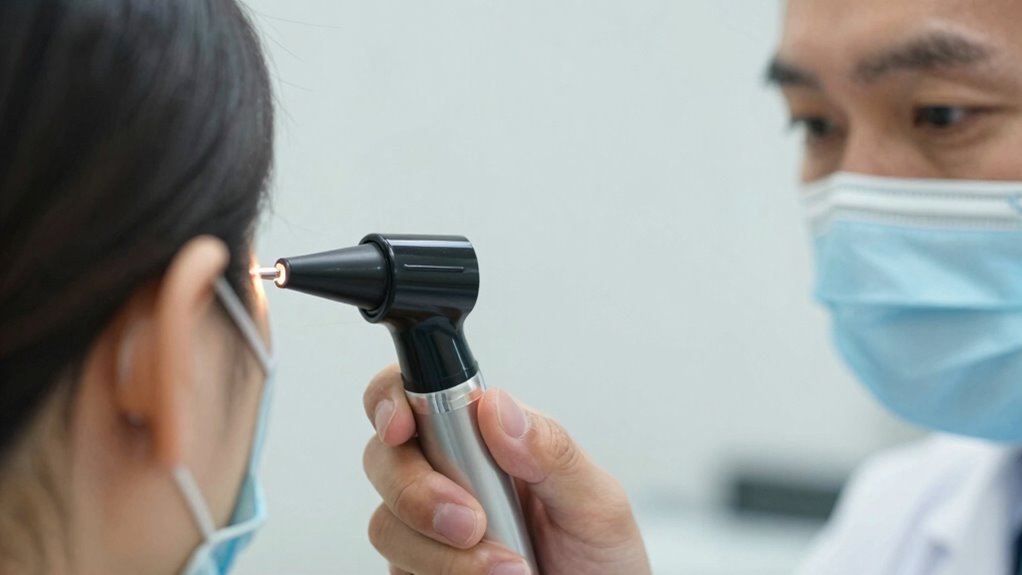
Have you ever wondered how doctors determine if hearing problems are temporary or reversible? When you notice a sudden change in your hearing, it’s natural to be concerned, but doctors have a systematic approach to figure out the cause. They start with a detailed medical history, asking about recent infections, exposure to loud noises, medication use, and any other symptoms you might have. This helps them narrow down potential causes and decide on the next steps.
One of the first things they’ll look into is ear infection treatments. Ear infections are a common cause of reversible hearing issues, especially in children, but also in adults. They often cause swelling, fluid buildup, or inflammation in the middle ear, which temporarily blocks sound transmission. Diagnosing an ear infection involves a physical exam using an otoscope to look inside your ear canal and eardrum. If an infection is present, your doctor might prescribe antibiotics or recommend other ear infection treatments to clear the infection. Once the infection resolves, your hearing generally returns to normal, confirming that the problem was reversible.
Ear infections cause temporary hearing loss that usually improves with proper treatment.
In addition to infections, doctors also consider tinnitus management as part of their assessment. Tinnitus, or ringing in the ears, can sometimes be linked to other reversible conditions like earwax buildup or medication side effects. Managing tinnitus involves identifying and treating these underlying causes. If earwax is blocking your ear canal, simple removal procedures can restore hearing. When tinnitus is linked to temporary issues like medication effects, adjusting your medication under medical supervision can alleviate symptoms and help restore normal hearing. Understanding the types of hearing loss can guide appropriate treatment options, especially since conductive loss is typically reversible, whereas sensorineural loss may require different management strategies. Recognizing reversible causes early can significantly improve outcomes and aid in faster recovery.
Throughout the process, your doctor may perform audiometric tests, which measure your hearing ability across different frequencies. These tests help determine if your hearing loss is conductive (due to blockage or damage in the outer or middle ear), sensorineural (damage to the inner ear or auditory nerve), or mixed. Conductive hearing loss, often caused by ear infections, fluid, or earwax, is usually reversible once the underlying issue is treated. Recognizing the signs of reversible hearing loss can help in early diagnosis and prompt treatment, increasing the chances of full recovery.
As an affiliate, we earn on qualifying purchases.
Frequently Asked Questions
What Are the Early Signs of Reversible Hearing Issues?
You might notice early signs like muffled sounds, difficulty understanding speech, or needing to turn up volume. During an audiogram interpretation, these signs can suggest reversible hearing issues. An ear infection diagnosis often reveals fluid buildup or inflammation causing temporary hearing loss. If you experience these symptoms, see a healthcare professional promptly, as early detection and treatment can often restore hearing and prevent permanent damage.
How Long Does a Typical Hearing Test Take?
A typical hearing test usually takes about 30 to 60 minutes, depending on your specific needs. During the exam, you’ll sit in a soundproof booth, respond to sounds, and possibly get tested for ear infections or hearing aids fitting. Coincidentally, this process helps identify reversible issues, like ear infections, that might improve with treatment. You might find the test longer if you’re being evaluated for hearing aids or need additional assessments.
Are There Age Considerations in Diagnosing Hearing Problems?
Yes, age considerations play a vital role in diagnosing hearing problems. As you age, age-related changes can decrease hearing sensitivity, making it more challenging to distinguish between normal aging and other issues. Doctors evaluate these factors carefully, considering your age to determine if hearing loss is typical for your age or if further investigation is needed. This approach helps guarantee accurate diagnosis and appropriate treatment tailored to your age-related needs.
Can Lifestyle Changes Improve Reversible Hearing Conditions?
Yes, lifestyle changes can improve reversible hearing conditions. You can enhance your hearing health through diet modifications, such as reducing salt intake and eating nutrient-rich foods. Stress management also plays a vital role, as lowering stress levels can reduce ear-related issues caused by tension. By adopting these habits—making mindful diet choices and managing stress—you actively support better hearing, potentially reversing some temporary problems and promoting overall ear health.
What Are Common Causes of Temporary Hearing Loss?
Temporary hearing loss often results from ear infections or blockage, such as earwax buildup. You might notice muffled sounds or difficulty hearing clearly. Using a hearing aid can sometimes help if the loss persists. Treating ear infections promptly with medication can restore hearing, while avoiding loud noises helps prevent further issues. Ensuring your ears stay clean and protected reduces the risk of reversible hearing problems.
Conclusion
As you sit in the quiet room, the doctor gently taps your ear, listening intently. With each test, they peel back layers of uncertainty, illuminating the path to clarity. You realize that ruling out reversible hearing issues is like opening a window to fresh air—you see possibilities, hope flickering like sunlight on water. Trust in their careful approach, knowing they’re guiding you toward clearer hearing and a brighter, more vibrant world around you.
Halloween Picks
halloween
As an affiliate, we earn on qualifying purchases.