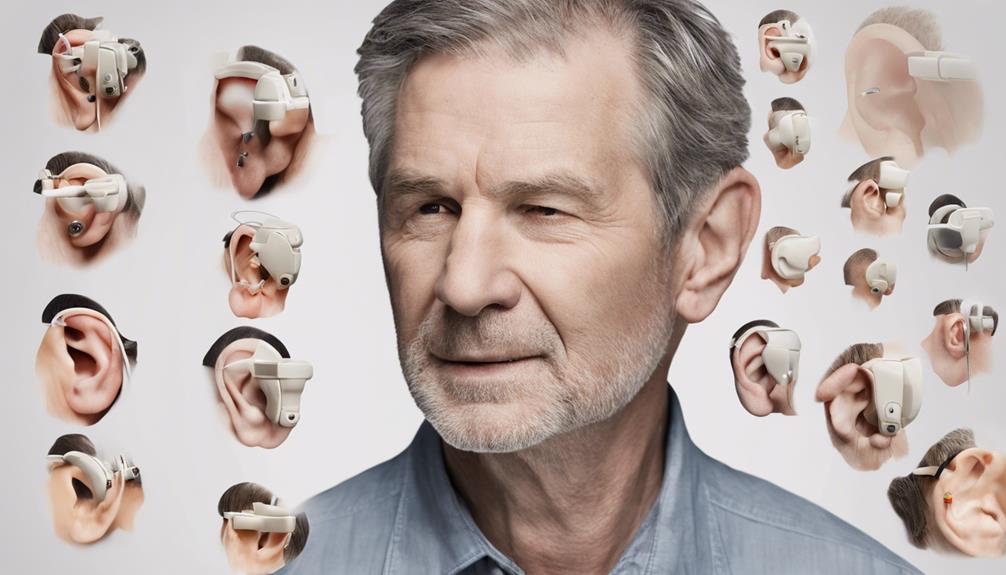

When clinicians evaluate tinnitus and hearing changes, they consider potential causes like hearing loss and neural factors affecting auditory pathways. They analyze how the brain may reorganize in response, using neuroplasticity insights to guide treatment. Emotional and psychological factors are also important because they influence perception and resilience. By combining auditory assessments with emotional support strategies, clinicians develop personalized plans that promote positive neural adaptations. Keep exploring to understand how these approaches work together for better outcomes.

Get everyday helpers delivered free — and shop member deals
- Fast, free delivery on millions of items
- Access to Prime Big Deal Days deals on October 6–7
- Prime Video, Amazon Music and more included
Key Takeaways
- Clinicians assess both auditory and neural factors to identify underlying causes of tinnitus and hearing changes promptly.
- They analyze neural responses and brain reorganization to determine adaptive or maladaptive neuroplasticity.
- Emotional and psychological impacts are evaluated to address distress and enhance coping strategies.
- Treatment plans integrate sound therapy, counseling, and stress management to promote positive neuroplasticity.
- Personalized care considers individual experiences, addressing both neural mechanisms and emotional well-being simultaneously.

When patients report tinnitus or sudden hearing changes, clinicians must quickly analyze potential causes and determine appropriate interventions. Your approach involves a thorough assessment of both the physical and emotional aspects of the condition. Tinnitus, often linked to underlying hearing loss, can be a complex symptom, and understanding its neuroplastic adaptation is essential. Neuroplasticity refers to the brain’s ability to reorganize itself in response to sensory changes or damage. As a clinician, you recognize that the brain may amplify or alter sound perception as it adapts, which can influence how tinnitus manifests and persists. By evaluating the patient’s auditory pathways and neural responses, you gain insight into how their brain is adapting and how this neuroplastic process might be contributing to their symptoms.
Assessing auditory pathways and neural responses reveals how neuroplastic changes influence tinnitus and hearing perception.
Simultaneously, you pay close attention to the patient’s emotional coping mechanisms. Tinnitus can cause significant distress, anxiety, and even depression, which often exacerbate the perception of the ringing or hearing loss. You understand that addressing emotional coping strategies is just as vital as managing the physical symptoms. Encouraging patients to develop healthy coping skills—such as mindfulness, relaxation techniques, or cognitive-behavioral therapy—can help reduce their emotional reactions and improve overall quality of life. You also assess their support systems and psychological resilience, recognizing that emotional well-being can significantly influence neuroplastic responses. Additionally, understanding the role of neuroplasticity in adapting to sensory changes helps inform targeted treatment approaches. You realize that promoting adaptive neuroplasticity can be key to symptom management and recovery.
Your clinical reasoning integrates these two elements: neuroplastic adaptation and emotional coping. When designing interventions, you consider therapies that not only target the auditory system but also promote positive neural reorganization. For example, sound therapy may help retrain neural pathways, reducing tinnitus perception. At the same time, you might recommend counseling or stress management strategies to bolster emotional resilience. This dual focus helps prevent maladaptive neuroplastic changes that could worsen symptoms and promotes adaptive changes that support recovery.
Throughout the process, you remain attentive to the dynamic relationship between hearing changes and emotional health. You understand that each patient’s experience is unique, requiring tailored interventions that address both neural and emotional factors. By thinking through tinnitus and hearing changes holistically, you improve your ability to guide patients toward effective management, minimizing their distress and harnessing the brain’s capacity for positive adaptation. Recognizing the importance of auditory pathways and their plasticity allows you to develop more comprehensive treatment strategies. This comprehensive approach allows you to deliver care that not only targets symptoms but also fosters resilience and long-term well-being.
As an affiliate, we earn on qualifying purchases.
Frequently Asked Questions
How Do Clinicians Differentiate Between Tinnitus and Other Auditory Disorders?
You differentiate tinnitus from other auditory disorders by evaluating auditory masking and neural pathways. Tinnitus often presents as a perception of ringing without external sound, while masking tests reveal if external sounds can hide the perception. Clinicians examine neural pathways to understand how auditory signals travel and identify anomalies. This approach helps distinguish tinnitus from conductive or sensorineural hearing loss, ensuring accurate diagnosis and tailored treatment strategies.
What Recent Advancements Assist in Diagnosing Tinnitus and Hearing Loss?
You benefit from recent advancements like advanced audio testing and neuroimaging techniques that enhance diagnosis of tinnitus and hearing loss. These tools allow you to identify subtle auditory changes, differentiate between disorders, and pinpoint the underlying causes. By combining precise audio tests with detailed neuroimaging, you gain an extensive understanding, enabling tailored treatment plans. These innovations improve accuracy, speed up diagnosis, and ultimately, help you deliver better patient care.
How Do Patient Histories Influence Clinical Decision-Making for Tinnitus?
Your patient histories greatly influence your clinical decisions for tinnitus. By listening to patient anecdotes, you gain insight into symptom patterns, like when tinnitus worsens or improves. These details help you differentiate between potential causes and tailor treatments effectively. Recognizing consistent symptom patterns enables you to prioritize diagnostic tests and address underlying issues, ultimately improving patient outcomes and guiding personalized management strategies.
Are There Specific Psychological Factors That Affect Tinnitus Perception?
Psychological influences profoundly shape how you perceive tinnitus, making perception variability a common challenge. Anxiety, stress, and emotional states can amplify or diminish the ringing, creating a fluctuating tinnitus experience. These mental factors influence your brain’s processing power, often intensifying the sound or making it seem more intrusive. Recognizing these psychological influences helps you understand that your perception is not fixed, and managing emotions can ease the tinnitus’s impact.
How Is Patient Progress Monitored Over Time in Tinnitus Treatment?
You monitor patient progress over time through ongoing progress tracking and regular patient feedback. You ask about changes in tinnitus perception, hearing ability, and emotional responses during follow-up visits. Using standardized questionnaires and self-report scales helps quantify improvements. You also observe behavioral changes and adapt treatment plans accordingly. By consistently gathering feedback, you guarantee that interventions remain effective and tailored to each patient’s evolving needs.
Conclusion
As you navigate the intricate dance between tinnitus and hearing changes, picture yourself standing at the edge of a quiet forest, listening intently. Each symptom is a whisper from the trees, guiding your understanding. With keen perception and thoughtful analysis, you can decipher these signals, restoring harmony to your patient’s auditory landscape. Trust your expertise to illuminate the shadows, transforming uncertainty into clarity, and guiding your patients toward renewed clarity and comfort.
Fall Picks
fall essentials
As an affiliate, we earn on qualifying purchases.