
To organize your audiology records for faster claims, start by collecting all military, VA, and private exam reports, noting dates and details. Create a clear timeline showing your hearing health progression and highlight any worsening symptoms. Gather supporting statements from family or colleagues and documents proving service-related noise exposure. Keep digital and physical copies well-organized in a dedicated folder. For more tips on strengthening your claim, continue exploring these essential strategies.
Key Takeaways
- Collect all audiology exam reports, treatment records, and hearing assessments from military, VA, and private providers.
- Create a detailed chronological timeline highlighting hearing test dates, symptom progression, and service-related exposure.
- Gather supporting statements from family, colleagues, or medical professionals about hearing difficulties and service connection.
- Ensure records clearly document hearing protection use and loud noise exposure during military service.
- Keep digital and physical copies organized in a dedicated folder, verifying completeness and relevance for submission.
Are you tired of delays in processing your disability claims? One of the key reasons for these setbacks is incomplete or disorganized audiology records. As a veteran, your military service likely exposed you to conditions that could impact your hearing, especially if you didn’t always have access to proper hearing protection. Over time, exposure to loud noises, gunfire, or explosions can lead to hearing loss, which is a common service-related disability. To get the benefits you deserve, you need to guarantee your audiology records are thorough, organized, and readily accessible.
Start by gathering all your medical records related to hearing. These might include initial audiology exams taken during your service, follow-up tests, and any treatment records from VA clinics or private providers. If you received hearing protection during your military service, document that, too. Service members often wear hearing protection in loud environments, but exposure can still cause damage over time. Including any documentation of your use of hearing protection helps establish the link between your military service and your hearing issues. Make sure to collect records that specify the dates, locations, and circumstances of your hearing assessments. These details are vital in connecting your hearing loss directly to your time in service.
Next, organize your records chronologically. Create a timeline that clearly shows the progression of your hearing health, noting any worsening symptoms or new diagnoses. This timeline will help your claims examiner understand how your hearing condition developed and how it relates to your military service. Be sure to include any statements or logs you may have kept about difficulties hearing or communication struggles, especially if these issues started during or after your service.
It’s also helpful to include supporting evidence, such as affidavits from family members or colleagues who can attest to your hearing difficulties. If you’ve undergone audiology testing outside of the VA, gather those reports too. The more detailed your records are, the easier it is for the VA to evaluate your claim accurately. Remember, clear documentation linking your hearing loss to your military service, especially given your exposure to loud noises and your use of hearing protection, fortifies your case. Additionally, understanding how hearing loss develops and is diagnosed can help you better prepare your claim and ensure all relevant information is included. Incorporating knowledge about hearing protection and its effectiveness can further support your claim. Recognizing the importance of medical evidence can also strengthen your case by providing concrete proof of your condition. Staying informed about latest audiology research can help you identify additional supporting documentation or treatment options to include in your claim.
Finally, keep copies of everything you submit. Digital copies are handy for quick access, but also keep physical copies organized in a folder. When your records are complete and well-organized, your claim review process moves faster, and you increase your chances of a favorable outcome. Proper preparation makes all the difference in guaranteeing your service-related hearing loss gets the recognition and benefits you’ve earned.

Vfelf Vinyl Record Storage,Wooden Crate Vinyl Holder with Dividers for Albums & Magazine Rack Organizer for 60+ Records Case Box for 7/10/12 inch
[Large Capacity Vinyl Record Crate with Divider] – This spacious vinyl record storage crate measures 14.4''(L) x 12.1''(W)…
As an affiliate, we earn on qualifying purchases.
As an affiliate, we earn on qualifying purchases.
Frequently Asked Questions
How Long Does It Typically Take to Process Audiology Claims?
It typically takes between 3 to 6 months to process audiology claims, but times vary based on claim documentation and record accuracy. To speed up the process, make sure your records are complete and well-organized. Double-check that all audiology records are accurate and up-to-date, as missing or incorrect information can cause delays. Keeping thorough documentation helps VA review your case efficiently, reducing processing time.
Can I Access My Audiology Records Online?
Yes, you can access your audiology records online through the VA’s secure Digital Access system. It’s designed to guarantee record security while giving you quick, convenient access. By logging into your My HealtheVet account, you can view, download, or print your audiology records anytime. This digital access helps you stay informed and organized, making it easier to manage your health information and speed up your claims process.
What Should I Do if I Lost My Audiology Records?
If you lost your audiology records, start with record retrieval by contacting your VA medical facility or the provider who conducted the tests. Follow the filing procedures outlined by the VA, which may include submitting a formal request or filling out specific forms. Keep detailed information handy, like dates and locations, to expedite the process. Acting promptly guarantees your records are recovered quickly, helping you avoid delays in your claim.
Are There Specific Formats Preferred for Submitting Audiology Records?
Yes, there are preferred formats for submitting audiology records. You should use clear, legible copies in PDF or JPEG formats, following the VA’s submission guidelines. Make sure all records are complete, including test results and professional opinions. Adhering to these record formatting and submission guidelines helps speed up your claim process, as it minimizes delays caused by unclear or improperly formatted documents. Always double-check VA requirements before submitting.
How Often Should Veterans Update Their Audiology Records?
You should update your audiology records regularly to guarantee record accuracy and meet filing deadlines. Think of it as tending a garden—consistent care keeps everything in bloom. Updating at least once a year or whenever your hearing health changes helps prevent delays in your claim process. Staying proactive means your records reflect your current condition, making it easier for the VA to process your claim smoothly and efficiently.
hearing test report folder
As an affiliate, we earn on qualifying purchases.
As an affiliate, we earn on qualifying purchases.
Conclusion
By organizing your audiology records, you’re paving a smoother path through the claims process, much like clearing a cluttered desk to find what you need faster. Think of your records as the map to your rightful benefits—when well-prepared, you’re channeling the resilience of those who fought for your freedom. Stay diligent and proactive; in doing so, you honor their sacrifice and guarantee your own voice is heard clearly and confidently.
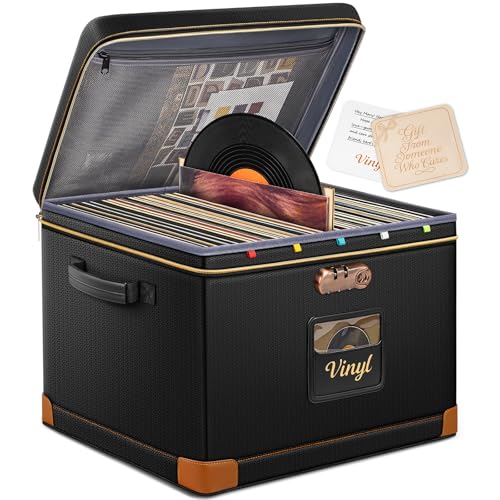
DEEGO Vinyl Record Storage Box with Lock, Fireproof & Water-Resistant Record Album Storage for 150+ 12-Inch LPs, Sturdy Record Case with Side & Bottom Support Panels, Gifts for Record Collectors
Large Capacity & Versatile Storage: The DEEGO vinyl record storage box measures 17 x 13 x 13 inches;…
As an affiliate, we earn on qualifying purchases.
As an affiliate, we earn on qualifying purchases.
hearing protection documentation kit
As an affiliate, we earn on qualifying purchases.
As an affiliate, we earn on qualifying purchases.